
In the labyrinthine world of personal finance, few expenses are as ubiquitous and yet as perplexing as car insurance. Every driver is legally mandated or practically compelled to carry it, yet the question of “what is a good car insurance rate?” often elicits a shrug of confusion rather than a definitive answer. The truth is, there’s no universal figure that defines a “good” rate. Instead, it’s a dynamic calculation, deeply personal and influenced by a myriad of factors unique to each individual, their vehicle, and their circumstances.
Understanding what constitutes a fair or advantageous car insurance rate requires peeling back the layers of a complex actuarial science. It involves dissecting your personal profile, scrutinizing your vehicle’s specifics, evaluating your chosen coverage, and savvy comparison shopping. A “good” rate isn’t merely the lowest premium; it’s a delicate balance between affordability and comprehensive protection, ensuring you’re adequately covered without overpaying for unnecessary features. This article will delve into the critical elements that shape car insurance premiums, provide strategies for benchmarking your current rate, and offer actionable advice on how to optimize your policy to achieve a truly “good” rate that aligns with your financial goals and risk tolerance.
Deconstructing “Good”: Understanding the Variables at Play
The price of your car insurance policy is a sophisticated algorithm’s output, factoring in a vast array of data points to assess the risk you pose to an insurer. To truly grasp what makes a rate “good,” one must first understand these foundational variables.
Personal Driving Profile
Your personal attributes and history form the bedrock of your insurance premium. Insurers are essentially betting on your likelihood of filing a claim, and your profile offers significant clues.
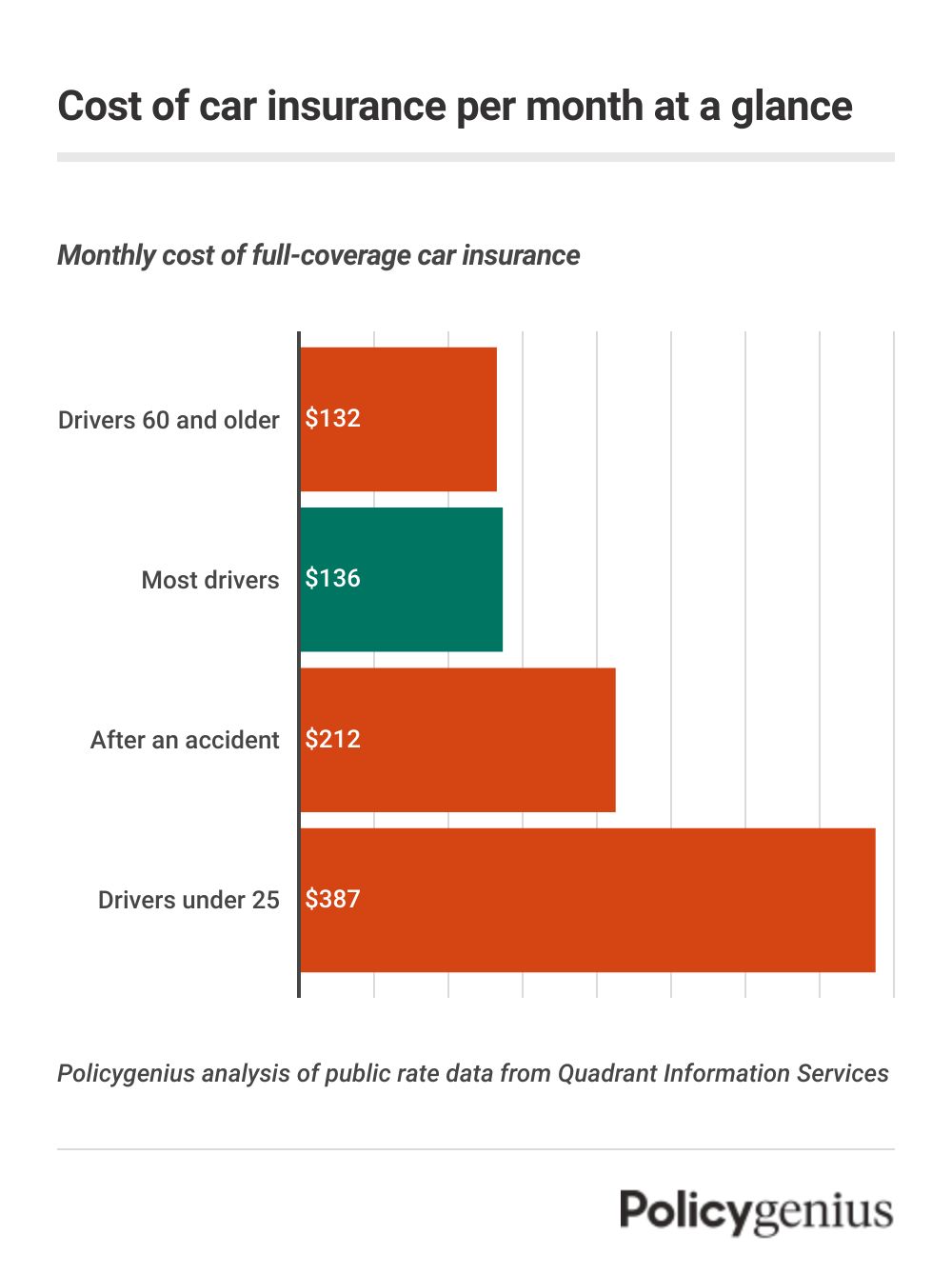
- Age and Gender: Younger, less experienced drivers, particularly males, typically face higher premiums due to statistical data indicating a greater propensity for accidents. As drivers mature and gain experience, rates generally decrease, plateauing in middle age before potentially rising slightly in very senior years.
- Driving Record: This is arguably the most impactful factor. A clean driving record, devoid of accidents, speeding tickets, or other moving violations, is your strongest asset for securing lower rates. Conversely, a history of infractions signals higher risk and will invariably lead to increased premiums. DUIs or serious violations can make insurance incredibly expensive or even difficult to obtain.
- Credit Score: In many states, insurers use a credit-based insurance score as a significant predictor of risk. Studies suggest a correlation between higher credit scores and a lower likelihood of filing claims. Maintaining a good credit score can therefore translate into substantial savings on your car insurance.
- Location: Where you live and park your car profoundly affects your rate. Urban areas with higher traffic density, crime rates (especially car theft), and accident statistics generally have higher premiums than rural or suburban areas. Even within a city, specific zip codes can have vastly different rates based on local claim data.
- Marital Status: Married individuals often receive slightly lower rates than single drivers, as actuarial data suggests they are statistically less likely to be involved in accidents.
- Occupation and Annual Mileage: Certain occupations may be perceived as lower risk, while driving fewer miles annually can also reduce your premium, as it lessens your exposure to potential accidents.
Vehicle Characteristics
The car you drive is another major determinant of your insurance cost. Insurers evaluate the make, model, and year based on several criteria.
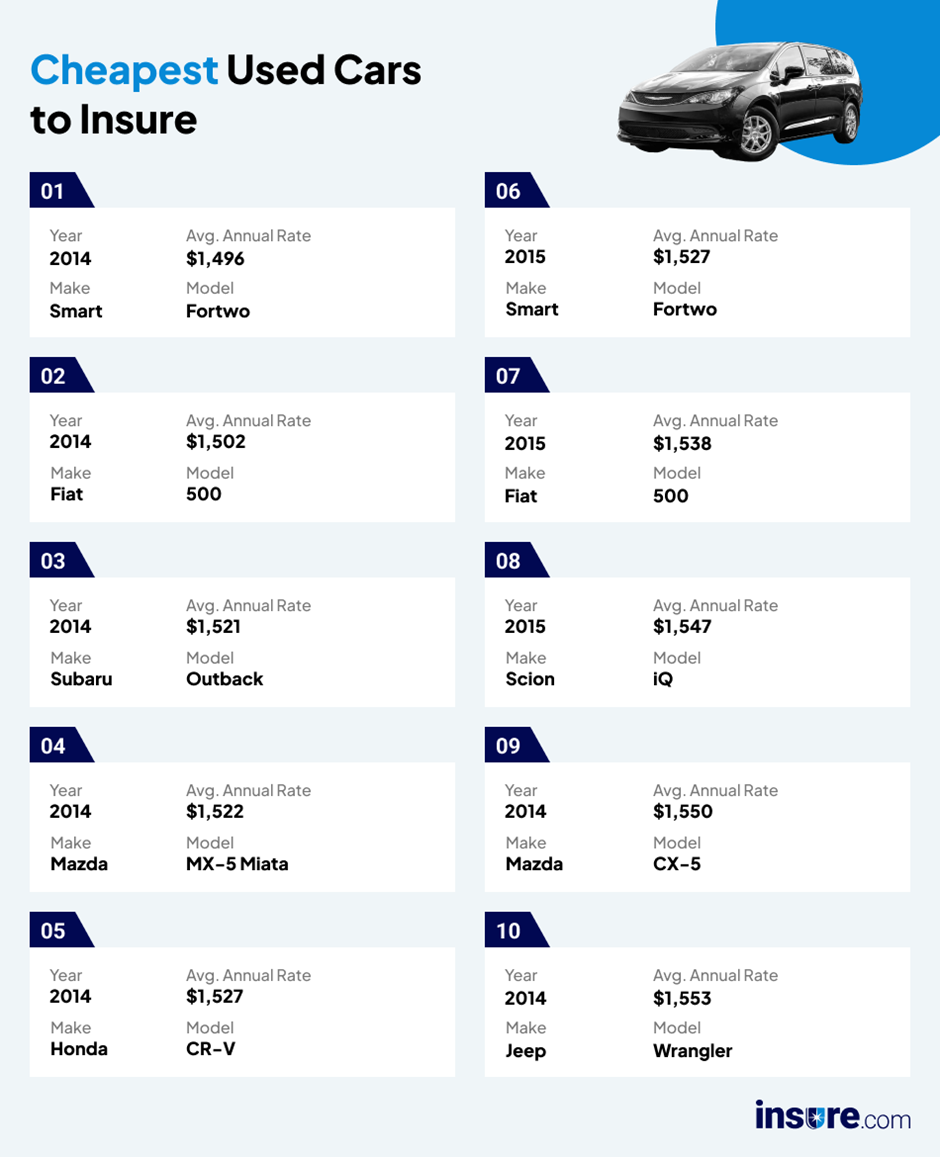
- Make, Model, and Year: Luxury vehicles, sports cars, and models with high repair costs or expensive parts typically command higher premiums. Conversely, practical, family-oriented sedans or SUVs that are inexpensive to repair tend to be cheaper to insure.
- Safety Features: Modern vehicles equipped with advanced safety features like anti-lock brakes, airbags, stability control, automatic emergency braking, lane departure warning, and adaptive cruise control often qualify for discounts, as they reduce the likelihood or severity of accidents.
- Theft Risk: Vehicles that are popular targets for thieves or are commonly stolen will have higher comprehensive coverage premiums. Insurers track theft rates by model and adjust rates accordingly.
- Engine Size and Horsepower: High-performance vehicles, even if not luxury models, can incur higher premiums due to the increased risk associated with faster speeds and more aggressive driving.
Coverage Choices and Deductibles
The types and amounts of coverage you select, along with your chosen deductible, directly impact your premium.
- Types of Coverage:
- Liability (Bodily Injury & Property Damage): This is typically mandatory and covers damages you cause to others. Higher limits provide more protection but increase premiums.
- Collision: Covers damage to your own car from an accident, regardless of fault.
- Comprehensive: Covers non-collision damage to your car (theft, vandalism, natural disasters, hitting an animal).
- Uninsured/Underinsured Motorist: Protects you if you’re hit by a driver without enough insurance.
- Medical Payments/Personal Injury Protection (PIP): Covers medical expenses for you and your passengers.
- Deductible Amounts: Your deductible is the amount you pay out-of-pocket before your insurance kicks in for collision and comprehensive claims. Choosing a higher deductible (e.g., $1,000 instead of $500) will lower your premium, but requires you to pay more if you file a claim.
- Add-ons and Endorsements: Features like roadside assistance, rental car reimbursement, gap insurance, or new car replacement add convenience but also increase your overall cost.
Benchmarking Your Rate: How to Measure “Good”
With so many variables, determining if your current rate is “good” can feel like an impossible task. However, by leveraging industry data and strategic comparison, you can effectively benchmark your policy.
Industry Averages and State-Specific Data
While highly generalized, national and state-specific average car insurance rates can offer a rudimentary starting point for comparison. These averages typically account for a standard driver profile and common coverage levels. Websites of insurance industry associations, financial news outlets, and state insurance departments often publish these statistics. For example, knowing the average annual premium in your state is $1,800 gives you a rough idea if your $1,200 premium is potentially good, or if your $2,500 premium warrants closer inspection. However, these are just averages; your specific circumstances will always dictate your individual rate.
The Role of Comparison Shopping
The single most effective way to determine if you have a “good” rate is to actively compare quotes from multiple insurance providers. The insurance market is highly competitive, and each company has its own underwriting criteria, risk assessment models, and discount structures. What one insurer considers a high-risk factor, another might view more leniently.
- Don’t Settle for the First Quote: Many consumers simply renew with their existing insurer out of convenience. However, premiums can change annually due to shifts in your profile, the insurer’s risk portfolio, or market conditions.
- Aim for at Least 3-5 Quotes: Obtaining multiple quotes, ideally from both national carriers and smaller regional providers, provides a comprehensive view of the market. This process can often reveal significant price discrepancies for the exact same coverage.
- Compare Apples to Apples: When comparing quotes, ensure you’re getting identical coverage limits, deductibles, and endorsements across all providers. A lower premium might simply mean less coverage, which isn’t necessarily a “good” rate if it leaves you underinsured.
Utilizing Online Tools and Brokers
The digital age has streamlined the comparison shopping process, making it easier than ever to benchmark your rate.
- Online Comparison Websites: Numerous aggregator websites allow you to enter your information once and receive multiple quotes simultaneously. These platforms save time and effort, making the comparison process efficient. Be mindful that not all insurers participate in all aggregators, so it’s often wise to check a few, or directly with major carriers.
- Independent Insurance Brokers: An independent broker works with multiple insurance companies and can do the comparison shopping for you. They can also offer expert advice, help you understand complex policy details, and tailor coverage to your specific needs, often finding discounts you might miss on your own. Their services are typically compensated by commissions from the insurers, meaning no direct cost to you.
Strategies for Securing a Better Rate
Once you understand the factors influencing your premium and have benchmarked your current rate, you can proactively implement strategies to reduce your costs without compromising essential coverage.
Improving Your Driver Profile
Since your personal profile is paramount, taking steps to enhance it can lead to substantial savings.
- Maintain a Clean Driving Record: The most obvious, yet sometimes challenging, strategy is to drive safely. Avoid accidents, speeding tickets, and other traffic violations. Over time, a clean record will qualify you for “good driver” discounts and better rates.
- Maintain a Good Credit Score: Regularly check your credit report for errors and work on improving your credit score. Paying bills on time, reducing debt, and avoiding new credit inquiries can positively impact your credit-based insurance score.
- Take a Defensive Driving Course: Many insurers offer discounts for completing an approved defensive driving course, especially for younger drivers or those looking to offset a minor infraction. It also equips you with valuable skills to prevent future accidents.
- Increase Your Age and Experience: While you can’t control age, gaining more years of driving experience naturally leads to lower premiums.
- Choose Your Location Wisely (If Possible): While not always feasible, being aware of how your zip code affects rates might influence future relocation decisions.
Optimizing Your Vehicle
Your choice of vehicle offers another avenue for potential savings.
- Choose Safer, Less Expensive-to-Insure Cars: When purchasing a new vehicle, research its insurance costs alongside its purchase price. Opt for models with high safety ratings, lower repair costs, and less appeal to thieves.
- Install Anti-Theft Devices: If your car doesn’t have a factory-installed alarm or immobilizer, adding an approved aftermarket anti-theft system can qualify you for a discount on your comprehensive coverage.
Adjusting Your Policy
Careful consideration of your coverage options and leveraging available discounts can significantly reduce your premium.
- Bundle Policies: Most insurers offer discounts for bundling multiple policies, such as car insurance with homeowners, renters, or life insurance. This can often lead to substantial savings on both policies.
- Increase Your Deductible (with Caution): While a higher deductible lowers your premium, ensure you have sufficient emergency savings to cover that amount if you need to file a claim. Only increase your deductible if you’re comfortable with the out-of-pocket risk.
- Ask About All Available Discounts: Don’t assume your insurer has applied every discount you qualify for. Proactively ask about:
- Multi-car discounts
- Good student discounts (for young drivers)
- Low mileage discounts
- Loyalty discounts
- Occupational or professional association discounts
- Vehicle safety feature discounts
- Anti-theft device discounts
- Paperless billing or automatic payment discounts
- Consider Usage-Based Insurance (UBI): Many insurers offer telematics programs where a device (or app) monitors your driving habits (speed, braking, mileage). Safe drivers can earn significant discounts through these programs.
- Drop Unnecessary Coverage: For older, low-value vehicles, the cost of collision and comprehensive coverage might outweigh the potential payout. If your car is worth less than the annual premium for these coverages, consider dropping them to save money, understanding the associated risks.
Regular Policy Reviews
Insurance needs are not static. Your life circumstances change, and so should your insurance policy.
- Annual Policy Review: Make it a habit to review your policy at least once a year, or whenever a significant life event occurs (marriage, moving, new car, new driver in the household, children leaving home). This ensures your coverage remains appropriate and you’re not missing out on new discounts.
- Shop Around Annually: Even if you’re happy with your current insurer, comparison shopping once a year ensures you’re still getting the best possible rate. The market changes constantly, and a new provider might offer a better deal.
Beyond the Premium: The True Value of Your Policy
While a low premium is desirable, a truly “good” car insurance rate also encompasses the quality and reliability of the coverage itself. Focusing solely on the lowest price can lead to inadequate protection and significant financial stress if an accident occurs.
Understanding Policy Limits and Exclusions
A low premium often corresponds to lower coverage limits or more exclusions. Ensure you fully understand what your policy covers and, more importantly, what it doesn’t. Are the liability limits high enough to protect your assets in a severe accident? Do you have sufficient medical payments coverage? Are there any specific conditions or circumstances under which your claim might be denied? A “good” rate is one that provides sufficient financial safeguards against potential losses.
The Importance of Customer Service and Claims Handling
The true test of an insurance company’s value comes when you need to file a claim. A seemingly cheap policy can become incredibly expensive in terms of time, stress, and unresolved issues if the insurer has a poor reputation for customer service or sluggish, unfair claims processing.
- Research Insurer Reputation: Look up customer reviews, J.D. Power ratings, and consumer complaint statistics for any insurer you’re considering. A company with a strong track record for fair and efficient claims handling is often worth a slightly higher premium.
- Accessibility and Support: Consider the ease of contacting your insurer, whether through agents, online portals, or mobile apps. Good support can make a stressful situation much more manageable.
Financial Stability of the Insurer
In the rare event of a major catastrophe or widespread claims, you want to be confident that your insurance company has the financial strength to pay out its obligations. Check financial strength ratings from independent agencies like A.M. Best, Standard & Poor’s, or Moody’s. A highly-rated insurer offers greater peace of mind that your coverage is secure.

Conclusion
Defining “what is a good car insurance rate” transcends a simple number; it’s a holistic assessment of affordability, adequate protection, and reliable service. It begins with understanding the myriad factors that influence your premium, from your personal driving profile and vehicle characteristics to the specific coverage you choose. Benchmarking your rate through diligent comparison shopping, leveraging online tools, or consulting with independent brokers is crucial to ensure you’re not overpaying.
Furthermore, a truly “good” rate is one that is actively managed. By continually working to improve your driver profile, optimizing your vehicle choices, strategically adjusting your policy features, and proactively seeking out all available discounts, you can exert significant control over your insurance costs. Finally, never sacrifice essential coverage or reliable customer service for the sake of the lowest premium. The peace of mind that comes from knowing you are well-protected by a financially stable and reputable insurer is an invaluable component of a truly “good” car insurance rate, securing both your financial present and future.
aViewFromTheCave is a participant in the Amazon Services LLC Associates Program, an affiliate advertising program designed to provide a means for sites to earn advertising fees by advertising and linking to Amazon.com. Amazon, the Amazon logo, AmazonSupply, and the AmazonSupply logo are trademarks of Amazon.com, Inc. or its affiliates. As an Amazon Associate we earn affiliate commissions from qualifying purchases.