
Embarking on the journey of learning electric guitar is an exciting prospect, opening doors to a world of creative expression and technical mastery. For the novice, however, navigating the vast array of available instruments can be daunting. A “good” beginner electric guitar isn’t necessarily the most expensive or feature-rich; rather, it’s one that balances playability, durability, tonal versatility, and an accessible price point, all while inspiring the student to continue practicing. Understanding the core technological components and how they influence the playing experience is paramount to making an informed decision that fosters growth rather than frustration.
Understanding the Core Components of an Electric Guitar
The electric guitar, at its heart, is a sophisticated piece of analog technology designed to translate vibrating strings into an electrical signal. Familiarity with its primary components is crucial for any prospective player.
Body Types and Their Impact
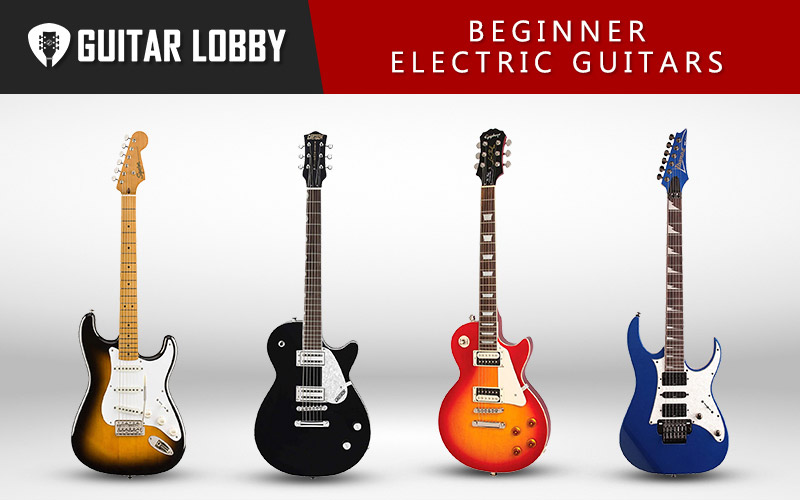
Electric guitar bodies primarily come in three configurations: solid-body, semi-hollow, and hollow-body. For beginners, the solid-body design is almost universally recommended. These guitars, like the iconic Fender Stratocaster or Gibson Les Paul, are carved from a solid block of wood. This construction minimizes feedback, making them easier to manage with high-gain amplifiers, and offers greater durability against accidental knocks. Their sustained tone and punchy attack are versatile for various genres. Semi-hollow and hollow-body guitars, while offering unique resonant qualities, are generally more susceptible to feedback and can be less forgiving for a beginner’s initial technique.
Pickups: Single-Coil vs. Humbucker
Pickups are the transducers that convert string vibrations into electrical signals. The two main types, single-coil and humbucker, offer distinct tonal characteristics.
- Single-coil pickups (often found on Stratocasters and Telecasters) produce a bright, clear, and articulate sound with a crisp top end. They are excellent for clean tones, funk, blues, and country. However, they are prone to picking up 60-cycle hum, a low-level electrical noise.
- Humbucker pickups (common on Les Pauls and many rock guitars) consist of two coils wired out of phase to “buck” the hum, hence their name. They offer a fatter, warmer, and higher-output sound, ideal for rock, metal, jazz, and genres requiring more drive and sustain.
Many beginner guitars offer a combination of these (e.g., HSS configuration: Humbucker-Single-Single), providing a broader sonic palette. For a beginner, a guitar with at least one humbucker can be advantageous for exploring heavier genres without excessive noise, while single-coils offer versatility for cleaner sounds.
Neck Profile and Scale Length
The neck of an electric guitar is critical for playability. Its profile (the shape of the back of the neck) and scale length (the vibrating length of the strings from the nut to the bridge) significantly influence how comfortable the guitar feels.
- Neck Profile: Common profiles include C-shape, D-shape, and V-shape. A thinner, more modern C-shape neck is often preferred by beginners as it’s generally easier to grip and navigate, especially for those with smaller hands. Some guitars offer flatter fretboard radii which can make string bending easier, while others are more rounded.
- Scale Length: Standard scale lengths are typically around 25.5 inches (Fender-style) or 24.75 inches (Gibson-style). Shorter scale lengths can result in lower string tension, making chords and bends slightly easier to execute, which can be beneficial for beginners. Longer scale lengths offer more clarity and sustain, particularly on the lower strings.
Key Features for the Novice Player
Beyond the fundamental components, specific design and manufacturing considerations make certain electric guitars more suitable for beginners. These features prioritize ease of learning and sustained engagement.
Playability and Comfort
A guitar that is uncomfortable or difficult to play will quickly discourage a beginner. Key factors include:
- Low Action: The “action” refers to the height of the strings above the fretboard. Lower action makes it easier to press down strings, reducing finger fatigue and making chords and single notes clearer. A good beginner guitar should either come with low action or be easily adjustable to achieve it.
- Ergonomics: The body shape should feel balanced whether sitting or standing. Contours for the arm and body can significantly enhance comfort during extended practice sessions. Weight is also a factor; a heavy guitar can be tiring, especially for younger players.
- Smooth Fret Ends: Poorly finished fret ends can be sharp and uncomfortable to slide along. A quality beginner instrument will have smooth, well-finished fret ends that don’t hinder movement.
Durability and Build Quality
Beginners are more prone to accidental bumps and drops. A guitar built with reasonable quality materials and construction techniques will withstand these initial learning phases. Look for:
- Solid Wood Construction: While budget guitars may use layered woods or composites, a solid wood body (often poplar, basswood, or mahogany derivatives at this price point) offers better resonance and durability.
- Stable Tuning Machines: Good quality tuning machines hold tuning reliably, reducing frustration. Cheap tuners can slip, requiring constant retuning.
- Reliable Bridge: A fixed bridge (like a tune-o-matic or hardtail) is often simpler and more stable for beginners than complex tremolo systems, which can be harder to keep in tune and adjust.
Versatility of Sound
While a beginner might not yet know their preferred genre, a guitar that can produce a range of tones allows for exploration. A guitar with multiple pickups, ideally a mix of single-coil and humbucking options (e.g., HSS configuration), offers the most sonic flexibility. Tone and volume controls that effectively shape the sound are also vital. This versatility ensures the instrument can adapt as the player’s tastes evolve.
Essential Tech Gear Beyond the Guitar
An electric guitar is only one part of the equation. To hear and practice with the instrument, additional technological components are indispensable.
Amplifiers: Size and Features
An amplifier is crucial for an electric guitar. For beginners, a practice amplifier (typically 10-30 watts) with a small speaker is ideal.
- Digital Modeling Amps: Modern digital modeling amps are highly recommended. They simulate a wide array of classic amplifiers and effects (reverb, delay, distortion, chorus), providing immense tonal variety without needing separate pedals. Many also include built-in tuners, headphone outputs for silent practice, and auxiliary inputs for playing along with backing tracks. This technological integration offers incredible value and versatility for a beginner.
- Clean and Overdrive Channels: Even simpler amps should offer at least clean and distorted/overdrive channels, allowing the player to experiment with different sounds foundational to electric guitar playing.
Cables, Tuners, and Picks
These essential accessories are often overlooked but are critical for the beginner’s setup.
- Instrument Cable: A good quality, durable instrument cable (10-15 feet) with robust connectors is necessary to connect the guitar to the amplifier. Digital signal integrity is paramount for clear sound.
- Digital Tuner: An accurate digital tuner is non-negotiable. Clip-on tuners, pedal tuners, or even tuner apps are vital for ensuring the guitar is always in tune, which is fundamental for developing a good ear.
- Picks: A variety of picks (thin, medium, thick) allows the beginner to experiment and find what feels best for different playing styles.
Digital Tools and Practice Aids
Leveraging modern technology can significantly accelerate learning.
- Online Tutorials and Apps: Numerous apps and websites offer interactive lessons, chord diagrams, scales, and backing tracks. Many include visualizers that show finger positions on a virtual fretboard.
- Metronomes: Digital metronomes, either standalone or integrated into apps, are essential for developing rhythm and timing.
- Headphones: For quiet practice, headphones are invaluable, especially when using a modeling amp with a headphone output.
Top Recommendations and Why They Excel
Based on the criteria of playability, durability, versatility, and tech integration, several styles and specific models consistently rise to the top for beginners.
The Stratocaster-Style Workhorse
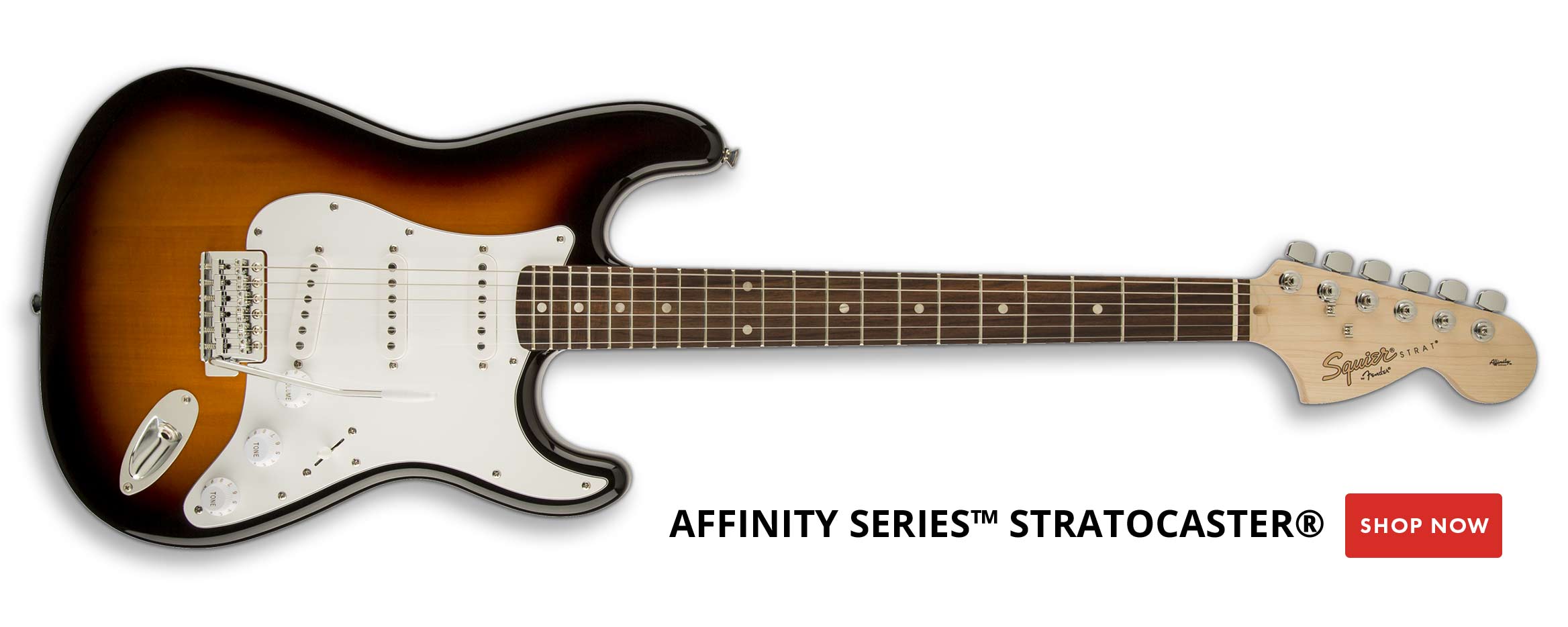
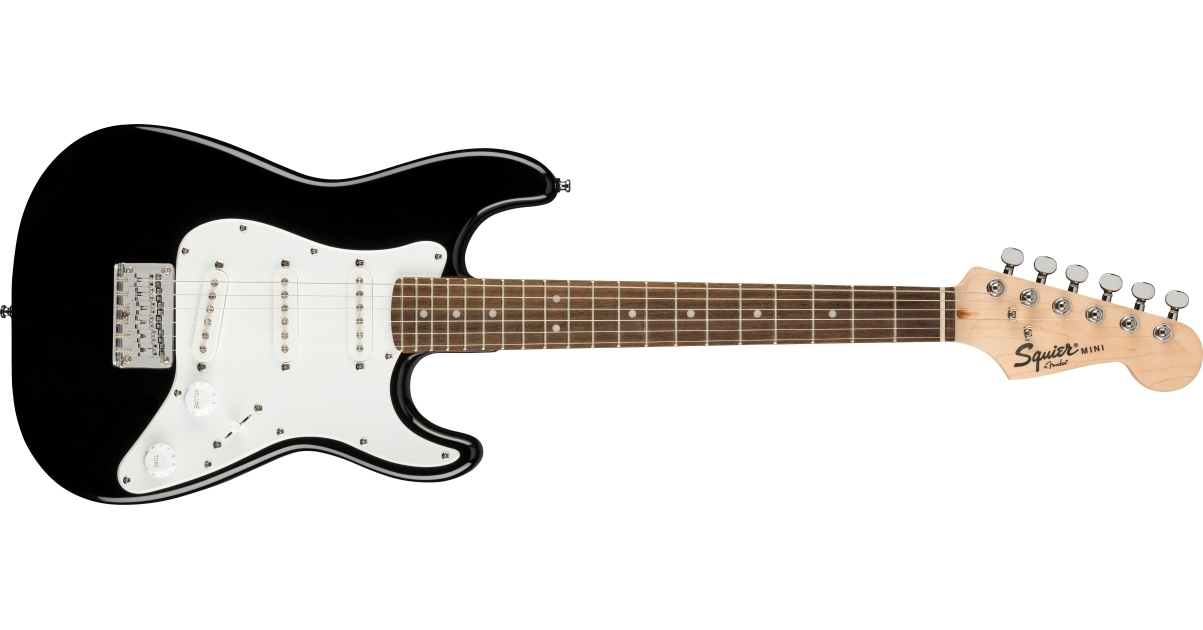
Guitars inspired by the Fender Stratocaster are often a go-to. Brands like Squier (Fender’s budget line) offer excellent beginner versions.
- Why it’s good: The classic Strat design is renowned for its comfortable contoured body, versatile three-pickup configuration (often SSS or HSS), and bright, articulate single-coil tones. HSS models are particularly flexible, offering a powerful humbucker at the bridge for rock sounds, alongside the crisp single-coils. The tremolo bridge can be set to fixed for beginners and explored later. They are widely available, have excellent aftermarket support, and are durable.
The Les Paul-Style Powerhouse
For those leaning towards rock, blues, or jazz, a Les Paul-style guitar is a superb choice. Epiphone (Gibson’s budget brand) offers strong contenders.
- Why it’s good: Featuring humbucker pickups, these guitars deliver a thicker, warmer sound with more sustain, ideal for driving amplifiers into overdrive. The shorter scale length can make string bending slightly easier, and the generally robust, fixed bridge provides tuning stability. Their solid construction makes them durable.
Modern, Ergonomic Options
Many brands now produce modern designs that prioritize ergonomics and playability for new learners.
- Why it’s good: These often feature thinner necks, lighter body woods, and specific contours designed for comfort. They frequently come with humbucker or HSS configurations, making them versatile for contemporary genres. Brands like Yamaha, Ibanez, and Jackson offer excellent entry-level options that are well-built and often incorporate features found on more expensive models.
Setting Up for Success: First Steps and Maintenance
Even the best beginner guitar needs proper care and initial setup to perform optimally. This technical consideration ensures a smooth learning curve.
Initial Setup and Professional Review
Upon purchasing any electric guitar, especially a budget-friendly model, it is highly recommended to have a professional technician perform a “setup.” This process involves:
- Adjusting Neck Relief: Ensuring the neck has the correct amount of forward bow.
- Setting Action and Intonation: Optimizing string height for playability and ensuring notes play in tune across the fretboard.
- Fret Leveling and Polishing: Addressing any high frets that cause buzzing and ensuring smooth fret ends.
A proper setup can transform a decent beginner guitar into a truly enjoyable and easy-to-play instrument, removing potential barriers to practice.
Basic Care and Longevity
Regular, simple maintenance practices will extend the life and playability of the instrument:
- Cleaning: Wipe down strings and the fretboard after each session to remove sweat and grime, which corrodes strings and clogs fretboards.
- String Changes: Replace strings regularly (e.g., every 1-3 months, depending on use) as old strings lose their tone and become harder to tune.
- Storage: Store the guitar in a stable environment, away from extreme temperature and humidity fluctuations, preferably in a gig bag or case to protect it from dust and physical damage.
These simple technical habits ensure the guitar remains a reliable tool for musical exploration and development.