
For centuries, gold has stood as the ultimate symbol of wealth, stability, and a hedge against economic uncertainty. Traditionally, investing in gold meant physically possessing it—storing gold coins, bars, or jewelry in vaults and safes. However, the modern financial landscape has revolutionized this age-old practice. Today, investors can gain exposure to the price of gold without ever touching a single ounce of the metal through Gold Exchange-Traded Funds (ETFs).
A Gold ETF is a commodity-based fund that trades on major stock exchanges, similar to individual stocks. It is designed to track the price of physical gold, offering a seamless way for both retail and institutional investors to integrate this precious metal into their portfolios. In this guide, we will explore the mechanics, benefits, risks, and strategic importance of Gold ETFs in the contemporary world of personal finance.
Understanding the Fundamentals: How Gold ETFs Work
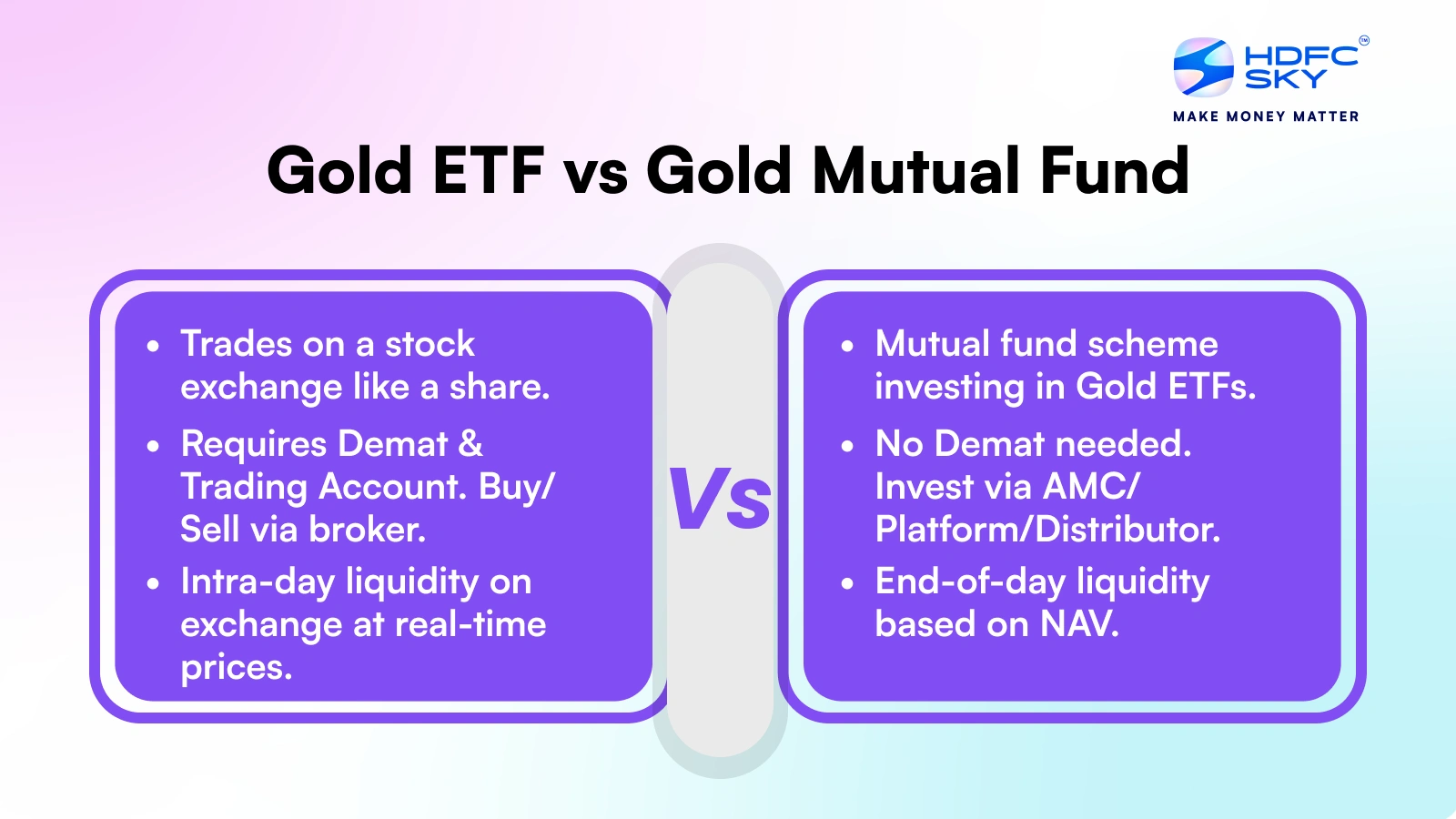
To appreciate the value of a Gold ETF, one must first understand its structural makeup. Unlike a mutual fund, which is priced only at the end of the trading day, an ETF is traded throughout the day on exchanges like the New York Stock Exchange (NYSE) or the London Stock Exchange.
The Mechanism of Backing and Tracking
Most reputable Gold ETFs are “physically backed.” This means that for every share of the ETF issued, the fund manager purchases a corresponding amount of physical gold bullion, which is then stored in highly secure, third-party vaults (often managed by major banks like HSBC or JPMorgan Chase). For example, a single share of a Gold ETF might represent 1/10th of an ounce of gold. As the market price of gold fluctuates, the value of the ETF share moves in tandem.
Authorized Participants and the Creation/Redemption Process
The price of a Gold ETF stays aligned with the “spot price” of gold through a process involving Authorized Participants (APs). These are typically large financial institutions that have the right to create or redeem shares of the fund. If the ETF price drifts too far from the actual value of the gold it holds, APs step in to arbitrage the difference, ensuring that the market price remains accurate. This institutional oversight provides a layer of security and pricing efficiency that individual physical gold trading often lacks.
Gold ETFs vs. Gold Mining Stocks
It is crucial to distinguish between Gold ETFs and Gold Mining ETFs (or individual mining stocks). While a Gold ETF tracks the commodity itself, mining stocks track the profitability of companies that extract gold. Mining stocks are influenced by operational costs, management decisions, and geopolitical risks at mine sites. A Gold ETF, conversely, provides pure exposure to the metal’s price, making it a more direct “safe haven” play.
The Strategic Benefits of Investing in Gold ETFs
The shift from physical gold to digital gold via ETFs is driven by several practical and financial advantages. For the modern investor, convenience and liquidity are often more valuable than the tactile experience of holding bullion.
Liquidity and Market Accessibility
One of the most significant advantages of a Gold ETF is liquidity. If you own physical gold bars, selling them requires finding a reputable buyer, having the gold appraised, and physically transporting the metal. This process can take days or even weeks. In contrast, a Gold ETF can be sold instantly with a click of a button during market hours. The proceeds are settled into your brokerage account almost immediately, providing the flexibility needed to respond to market shifts.
Cost-Effectiveness and Lower Transaction Barriers
Investing in physical gold involves “premiums”—the amount a dealer charges above the spot price. Additionally, investors must pay for secure storage, insurance, and potentially assaying fees upon sale. Gold ETFs eliminate these hurdles. While they do carry an “expense ratio” (an annual management fee), these fees are typically very low—often ranging from 0.17% to 0.40% per year. Furthermore, since they trade like stocks, investors can buy fractional shares or small amounts that would be impractical when purchasing physical bullion.
Safety and Simplified Storage
The risk of theft is a major concern for holders of physical gold. Storing gold at home is risky, and safe-deposit boxes at banks do not always include insurance for precious metals. When you invest in a Gold ETF, the burden of security falls on the fund provider. The gold is kept in world-class vaults with institutional-grade security and comprehensive insurance policies, removing the logistical headache and personal risk for the investor.
The Role of Gold in a Diversified Portfolio
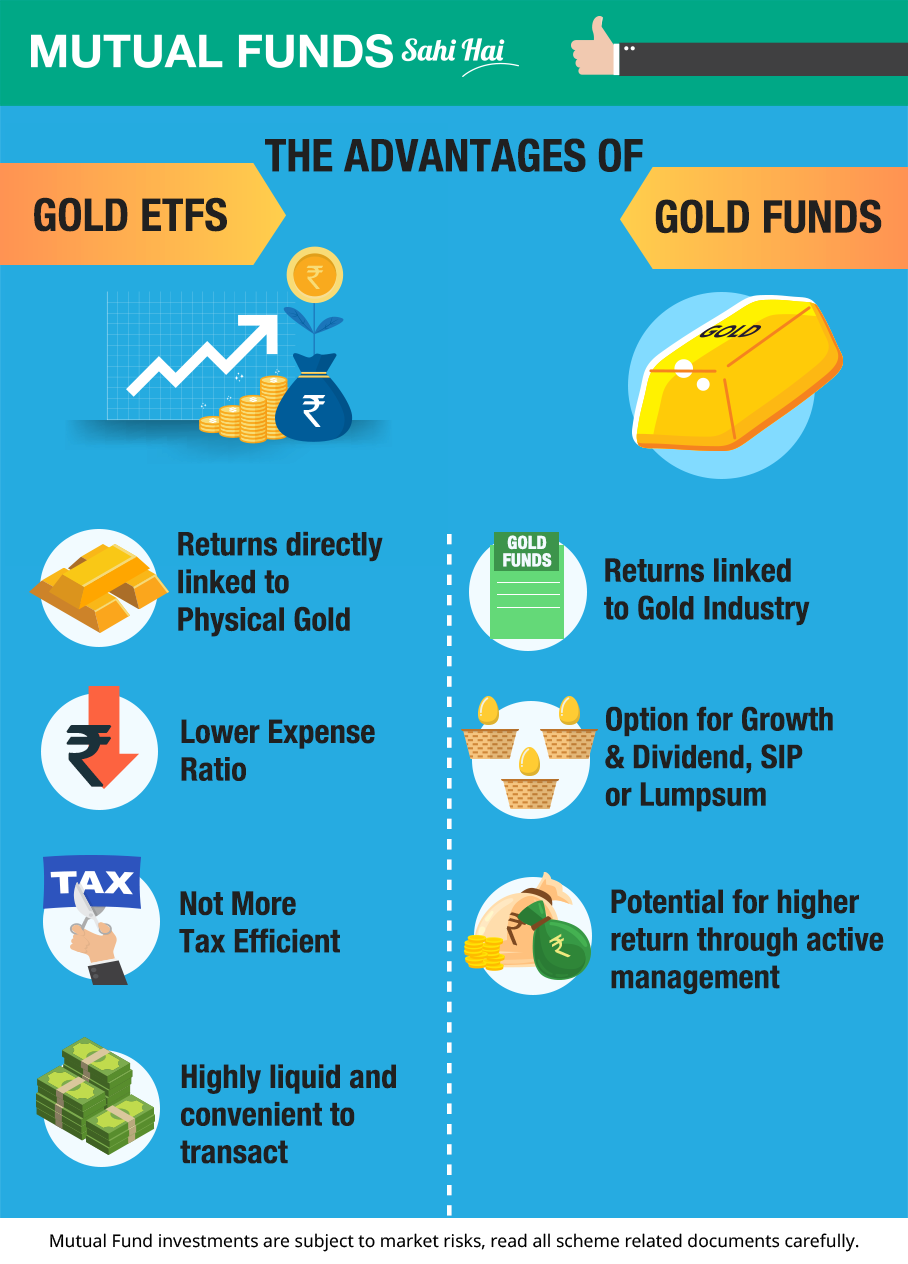
In the world of personal finance, gold is often referred to as the “crisis commodity.” Its behavior during market turmoil makes it a unique asset class that serves specific strategic functions.
A Hedge Against Inflation and Currency Devaluation
Gold has historically maintained its purchasing power over the long term. When central banks print more money, leading to inflation, the value of fiat currencies like the US Dollar often declines. Because gold is a finite resource that cannot be manufactured, its price tends to rise when the value of paper money falls. A Gold ETF allows investors to quickly pivot their capital into this protective asset during inflationary cycles.
Diversification through Low Correlation
Modern Portfolio Theory suggests that a well-balanced portfolio should contain assets that do not move in lockstep with one another. Gold often exhibits a low or even negative correlation with the stock market. When equities face a bear market due to economic recession or geopolitical tension, gold frequently appreciates as investors flee to safety. By holding a percentage of a portfolio in a Gold ETF, an investor can reduce overall volatility and protect their downside.
Psychologically Stabilizing Assets
Beyond the math of returns, gold provides a psychological “ballast.” Knowing that a portion of one’s wealth is tied to a tangible, universally recognized store of value can prevent panic-selling of other assets during market crashes. The Gold ETF makes this stabilization accessible to anyone with a standard brokerage or retirement account.
Risks and Considerations to Keep in Mind
While Gold ETFs offer numerous benefits, they are not without risks. An informed investor must weigh the potential downsides before allocating significant capital.
Market Volatility and Lack of Yield
Gold is a non-productive asset. Unlike stocks, which can pay dividends, or bonds, which pay interest, gold generates no cash flow. The only way to profit from a Gold ETF is through capital appreciation—selling it for more than you paid. During long periods of economic growth and low inflation, gold can underperform compared to the S&P 500 or other growth-oriented assets.
Expense Ratios and Tracking Errors
While usually low, the expense ratio is a recurring cost that eats into your returns over time. Additionally, some ETFs may experience a “tracking error,” where the price of the ETF doesn’t perfectly match the movement of gold spot prices due to management fees, cash holdings within the fund, or transaction costs. It is essential to choose funds with high liquidity and a track record of tight tracking.
Tax Implications and Regulatory Treatment
In many jurisdictions, including the United States, Gold ETFs are treated differently than standard stocks for tax purposes. Even though they trade like stocks, the IRS often classifies them as “collectibles.” This means that long-term capital gains might be taxed at a higher rate (up to 28%) compared to the standard long-term capital gains rate for stocks. Investors should consult a tax professional to understand how Gold ETF profits will impact their specific tax bracket.
How to Select and Purchase a Gold ETF
Once you have decided that a Gold ETF fits your financial goals, the next step is implementation. Not all Gold ETFs are created equal, and choosing the right one requires a bit of due diligence.
Evaluating Assets Under Management (AUM) and Volume
When looking for a Gold ETF, check the AUM and daily trading volume. Funds like the SPDR Gold Shares (GLD) or the iShares Gold Trust (IAU) are among the largest in the world. High volume ensures that the “bid-ask spread”—the difference between what you can buy and sell for—remains narrow, saving you money on every transaction.
Comparing Expense Ratios
If you are a long-term “buy and hold” investor, the expense ratio should be your primary concern. A difference of 0.10% might seem small, but over decades, it can compound into thousands of dollars in lost gains. Many providers have launched “mini” versions of their flagship gold funds specifically for retail investors with ultra-low expense ratios.

Implementing the Investment
To buy a Gold ETF, you simply need a brokerage account. You can purchase shares through a standard taxable brokerage account, an IRA, or a 401(k) that allows for individual stock trading. Most financial advisors recommend a modest allocation—typically 5% to 10% of a total portfolio—though this varies based on individual risk tolerance and the current economic climate.
In conclusion, a Gold ETF represents the perfect marriage of ancient value and modern financial technology. It provides a transparent, secure, and highly liquid way to participate in the gold market without the burdens of physical ownership. Whether you are looking to hedge against inflation, diversify a stock-heavy portfolio, or simply store value for the long term, the Gold ETF is an essential tool in the modern investor’s toolkit.
aViewFromTheCave is a participant in the Amazon Services LLC Associates Program, an affiliate advertising program designed to provide a means for sites to earn advertising fees by advertising and linking to Amazon.com. Amazon, the Amazon logo, AmazonSupply, and the AmazonSupply logo are trademarks of Amazon.com, Inc. or its affiliates. As an Amazon Associate we earn affiliate commissions from qualifying purchases.