
The term “gluten” has become a ubiquitous presence in discussions about food, health, and dietary choices. From gluten-free aisles in supermarkets to specialized cafes, its influence is undeniable. But beyond the buzzwords, what exactly is gluten? This article delves into the fundamental nature of gluten, exploring its origin, its function in food, and its implications for individuals, particularly those with specific health concerns. We’ll also touch upon how the growing awareness of gluten has impacted industries and consumer behavior, drawing parallels to broader trends in technology and branding.
The Molecular Makeup of Gluten: A Protein’s Story
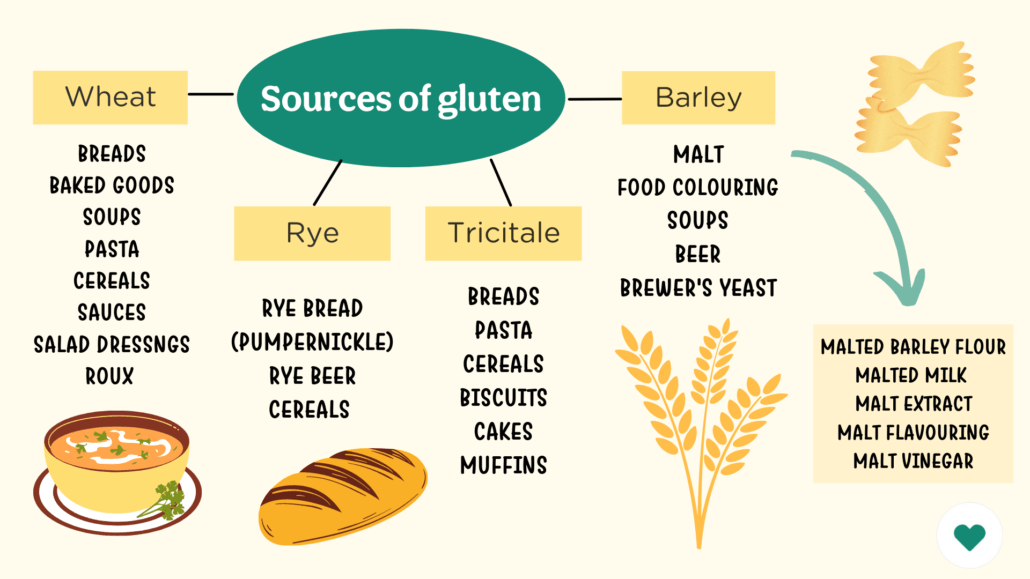
At its core, gluten is not a single entity but rather a complex composite of proteins found in grains like wheat, barley, and rye. The term “gluten” itself is derived from the Latin word “gluten,” meaning “glue,” a fitting descriptor for its remarkable elastic and adhesive properties. These properties are crucial in the baking and food industries, allowing dough to rise, retain its shape, and create the satisfying chewiness we associate with bread and other baked goods.
Gliadin and Glutenin: The Dynamic Duo
The primary protein components within gluten are gliadin and glutenin. When these proteins come into contact with water, they interact and form a viscoelastic network. This network is what gives dough its strength and flexibility.
- Gliadin: This protein is responsible for the extensibility of dough. It allows the dough to be stretched and shaped without tearing. Think of the way pizza dough can be tossed and stretched thinly – gliadin plays a key role in this.
- Glutenin: This protein contributes to the elasticity and resilience of dough. It’s what allows dough to spring back when stretched and to hold its structure during the baking process, enabling it to rise and expand.
Together, gliadin and glutenin create the unique texture and structure of gluten-containing foods. Without this protein matrix, baked goods would be crumbly and lack the desired chewiness and volume. This intricate interplay of proteins is a fundamental aspect of food science and the art of baking.
Beyond Wheat: Other Gluten-Containing Grains
While wheat is the most commonly associated grain with gluten, it’s important to recognize that barley and rye also contain gluten proteins.
- Barley: Found in malt, beer, and some cereals, barley’s gluten can cause issues for those with gluten sensitivities.
- Rye: Often used in breads like pumpernickel and in some whiskeys, rye also contributes gluten to the diet.
Oats are a bit of a special case. While naturally gluten-free, they are often processed in facilities that also handle wheat, leading to potential cross-contamination. Certified gluten-free oats are available for those who need to avoid even trace amounts of gluten.
The Impact of Gluten on Health: From Sensitivity to Celiac Disease
The prominence of gluten in our diet, coupled with increasing awareness, has brought to light its significant impact on the health of a segment of the population. For most people, gluten is a perfectly safe and digestible component of food. However, for a growing number of individuals, gluten can trigger adverse reactions.
Celiac Disease: An Autoimmune Response
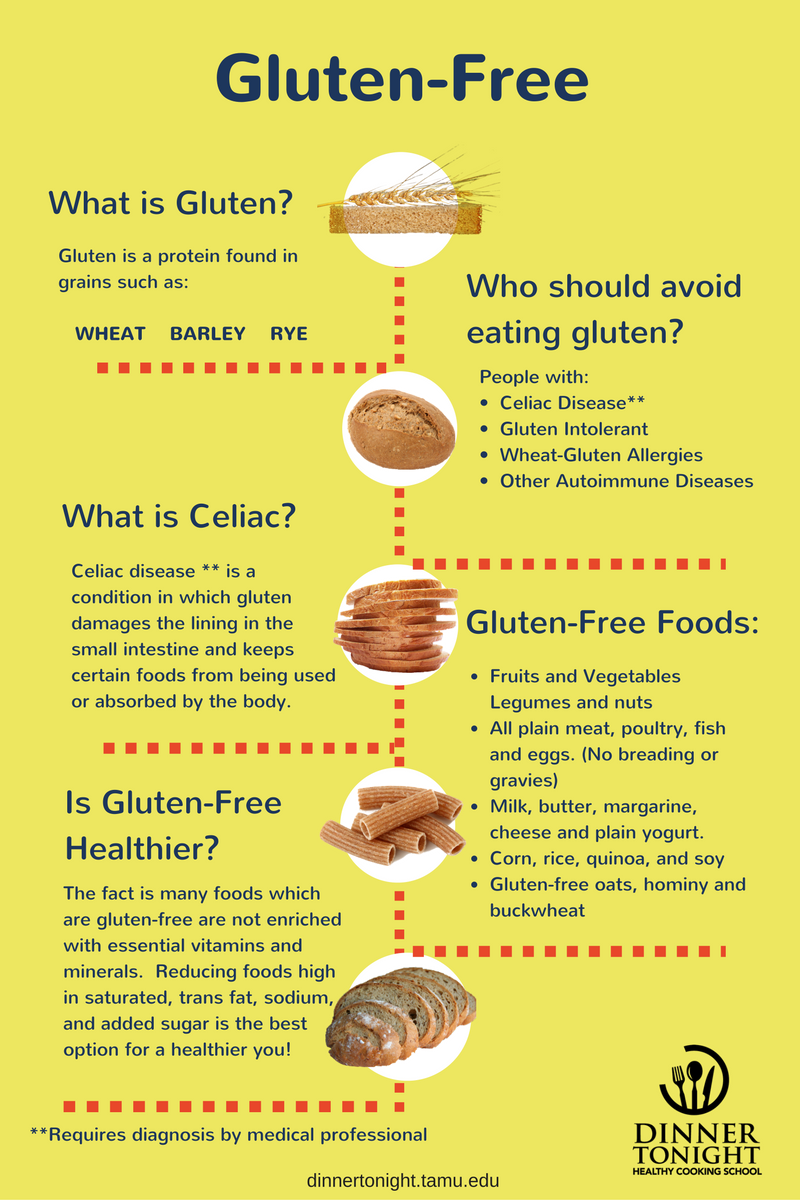
Celiac disease is a serious autoimmune disorder where ingesting gluten leads to damage in the small intestine. When a person with celiac disease consumes gluten, their immune system mistakenly attacks the lining of the small intestine, specifically the villi. These villi are finger-like projections that absorb nutrients from food. Damage to the villi impairs nutrient absorption, leading to a wide range of symptoms and potential long-term health complications.
Symptoms of celiac disease can vary widely and may include:
- Digestive issues: Diarrhea, constipation, bloating, gas, abdominal pain, nausea.
- Non-digestive symptoms: Fatigue, iron-deficiency anemia, bone pain, joint pain, headaches, skin rashes (dermatitis herpetiformis), mouth sores, mood changes, infertility.
The only effective treatment for celiac disease is a strict, lifelong gluten-free diet. This means avoiding all foods containing wheat, barley, and rye, as well as any ingredients derived from these grains.
Non-Celiac Gluten Sensitivity (NCGS): A Murky Middle Ground
Beyond celiac disease, there’s a condition known as Non-Celiac Gluten Sensitivity (NCGS). Individuals with NCGS experience symptoms similar to those of celiac disease after consuming gluten, but they do not have the autoimmune response or intestinal damage characteristic of celiac disease. The diagnosis of NCGS is typically made by ruling out celiac disease and wheat allergy and then observing symptom improvement on a gluten-free diet.
The exact mechanisms behind NCGS are still being researched, and it’s a complex area of study. Some theories suggest that other components of wheat, such as FODMAPs (fermentable oligosaccharides, disaccharides, monosaccharides, and polyols) or amylase-trypsin inhibitors (ATIs), might play a role in triggering symptoms for some individuals.
Wheat Allergy: A Different Kind of Reaction
It’s also crucial to distinguish gluten issues from a wheat allergy. A wheat allergy is a common food allergy that occurs when the immune system reacts to proteins in wheat, which can include gluten but also other proteins. Symptoms of a wheat allergy can range from mild skin reactions and digestive upset to severe anaphylaxis. An allergy is an immune system response to a specific allergen, whereas celiac disease is an autoimmune response, and NCGS is a sensitivity with less clearly defined mechanisms.
Navigating a Gluten-Free World: Implications and Innovations
The growing awareness of gluten-related conditions has had a profound impact on the food industry, consumer habits, and even marketing strategies. This has led to a surge in gluten-free products, innovations in food technology, and a shift in how brands communicate their offerings.
The Gluten-Free Market: From Niche to Mainstream
Once relegated to specialty health food stores, gluten-free products are now commonplace. Supermarket aisles are filled with gluten-free bread, pasta, crackers, and baked goods. This expansion is driven by both individuals with diagnosed gluten issues and those who choose to adopt a gluten-free lifestyle for perceived health benefits.
This shift mirrors trends seen in other sectors, particularly in Tech. Just as the demand for user-friendly interfaces and accessible software has driven innovation, the demand for palatable and readily available gluten-free options has pushed food manufacturers to invest in research and development. This has led to significant advancements in creating gluten-free alternatives that closely mimic the taste and texture of their gluten-containing counterparts.
The Role of Technology and Innovation in Gluten-Free Food Production
Developing high-quality gluten-free products presents a unique challenge due to the absence of gluten’s inherent binding and structural properties. Food scientists and technologists have employed various strategies to overcome this:
- Alternative Grains and Starches: Utilizing flours from rice, corn, almond, tapioca, coconut, and other gluten-free sources. Blending these flours is often key to achieving desirable textures.
- Hydrocolloids and Gums: Ingredients like xanthan gum, guar gum, and psyllium husk are frequently used as binders and thickeners to replicate the elasticity and structure provided by gluten.
- Enzymatic Treatments: Some research explores using enzymes to modify gluten proteins, potentially making them more digestible or altering their structure to reduce adverse reactions.
- 3D Food Printing: Emerging technologies like 3D food printing hold promise for creating customized gluten-free meals and snacks with precise nutritional content and textures.
These technological advancements showcase how innovation, a core tenet of the Tech sector, is also transforming the food industry, making it more inclusive and responsive to diverse dietary needs.
Branding and Consumer Trust in the Gluten-Free Space
For food brands, navigating the gluten-free market requires more than just offering alternative products. It necessitates building trust with consumers, particularly those with medical conditions. Brand strategy plays a crucial role in this regard.
- Clear Labeling and Certification: The “gluten-free” label is a powerful marketing tool. However, for consumers with celiac disease, accuracy and transparency are paramount. Gluten-free certifications from recognized organizations provide an extra layer of assurance.
- Ingredient Transparency: Consumers increasingly want to know what’s in their food. Brands that are transparent about their ingredients and manufacturing processes build stronger relationships with their audience.
- Messaging and Education: Brands that effectively educate consumers about their gluten-free offerings, their sourcing, and their commitment to safety can differentiate themselves in a crowded market. This aligns with the Brand principle of establishing a clear and trustworthy identity.
- Personal Branding for Food Professionals: Chefs, nutritionists, and food bloggers who specialize in gluten-free cuisine often build successful personal brands by sharing their expertise, recipes, and experiences, fostering a sense of community and authority.
The rise of the gluten-free market also highlights how consumer choices can influence economic trends, tying into the Money aspect. The demand for gluten-free products has created new business opportunities, driven investment, and influenced supply chains, demonstrating the economic power of consumer preferences.
Beyond the Plate: The Broader Context of Dietary Choices
The conversation around gluten extends beyond just its physical properties and immediate health impacts. It touches upon broader societal trends related to health consciousness, dietary trends, and personal well-being. The way we discuss and choose our food often reflects deeper values and aspirations.
The Personal Finance Aspect of Gluten-Free Lifestyles
For individuals managing gluten-related conditions, adhering to a gluten-free diet can have Money implications. Gluten-free products are often more expensive than their conventional counterparts due to specialized ingredients and manufacturing processes. This can create a financial burden, especially for those on a tight budget.
- Budgeting for Gluten-Free: Individuals may need to adjust their grocery budgets to accommodate the higher cost of gluten-free staples.
- Smart Shopping Strategies: Learning to identify affordable gluten-free options, cooking from scratch, and taking advantage of sales and loyalty programs can help manage costs.
- Income Generation: For some, the challenges of a gluten-free lifestyle might even spark ideas for online income or side hustles, perhaps through developing gluten-free recipes, offering meal prep services, or creating content around gluten-free living.
The Future of Gluten: Ongoing Research and Evolving Perspectives
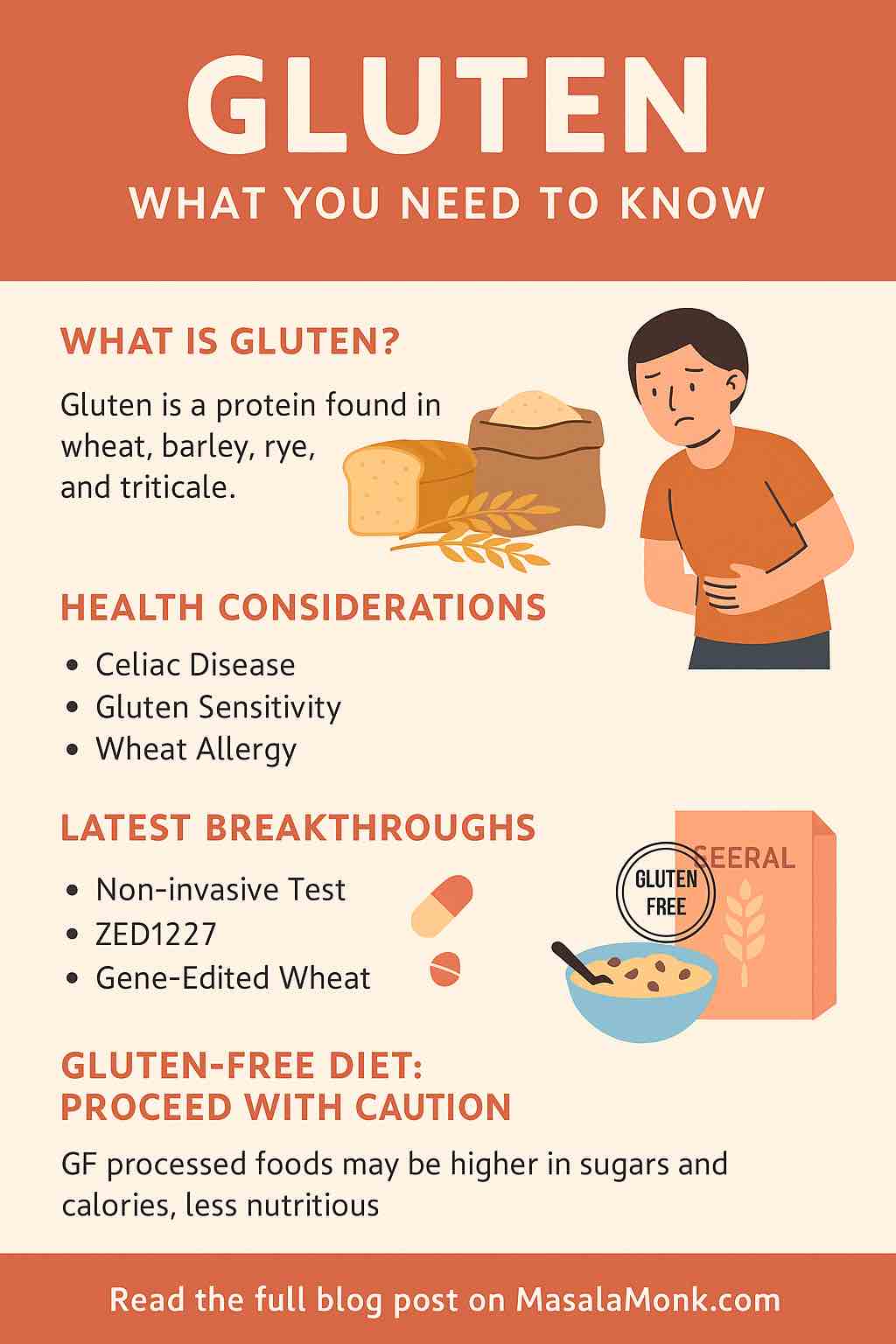
Research into gluten and its effects is ongoing. Scientists are continually working to understand the complexities of gluten sensitivity, develop better diagnostic tools, and create even more appealing and accessible gluten-free food options.
As our understanding evolves, so too will our relationship with gluten. The journey from simply asking “what is gluten?” to understanding its multifaceted role in our food, our health, and our economy is a testament to the dynamic nature of science, industry, and human well-being. Whether you have a diagnosed gluten-related condition or are simply curious about what’s on your plate, understanding gluten provides valuable insight into the intricate world of food and its profound impact on our lives.
aViewFromTheCave is a participant in the Amazon Services LLC Associates Program, an affiliate advertising program designed to provide a means for sites to earn advertising fees by advertising and linking to Amazon.com. Amazon, the Amazon logo, AmazonSupply, and the AmazonSupply logo are trademarks of Amazon.com, Inc. or its affiliates. As an Amazon Associate we earn affiliate commissions from qualifying purchases.