
In the modern era of hyper-globalization, the importance of a nation is often superseded by the influence of its primary urban centers. When we ask, “What is a global city?” we are not merely discussing population density or geographical size. Instead, we are identifying the command-and-control centers of the world economy. A global city is a nexus of international finance, a magnet for foreign direct investment (FDI), and a strategic hub where the world’s most significant financial decisions are made.
The concept, popularized by sociologist Saskia Sassen in the 1990s, has evolved from a theoretical framework into a blueprint for urban economic development. For investors, entrepreneurs, and policymakers, understanding the mechanics of a global city is essential for navigating the complexities of international trade and wealth creation.
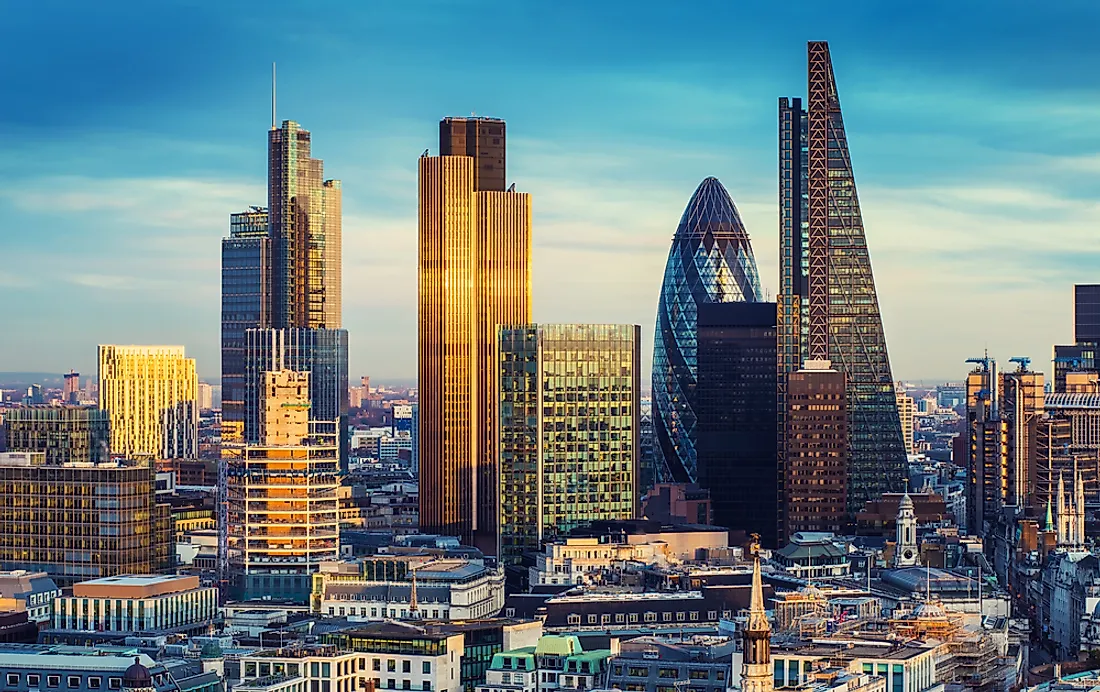
The Definition of a Global City in the Modern Economy
A global city, often referred to as a world city or an alpha city, is a primary node in the global economic network. Unlike traditional industrial cities that focused on manufacturing and local trade, a global city specializes in high-level services: banking, law, accounting, and management consulting on a global scale. These cities provide the infrastructure necessary for the seamless flow of capital across borders.
The Hub-and-Spoke Model of Global Finance
The global economy functions through a hub-and-spoke model. Global cities act as the “hubs” where capital is concentrated, processed, and redistributed to the “spokes” (secondary cities and emerging markets). This concentration creates a powerful network effect. When a financial institution establishes its headquarters in a global city like London or New York, it gains immediate access to a concentrated pool of liquid assets, legal expertise, and international clearinghouses. This proximity reduces transaction costs and increases the velocity of money, making the city an indispensable asset to the global financial system.
Strategic Centralization of Capital
The defining characteristic of a global city is its ability to centralize capital. It is not enough to be a wealthy city; a global city must be a place where wealth is managed. This involves the presence of “Advanced Producer Services” (APS). These are the firms that provide the specialized knowledge required to manage multinational corporations. Whether it is a multi-billion dollar merger or an intricate cross-border tax strategy, the intellectual and financial labor is performed within the skyscraper districts of these elite urban centers.
Key Financial Indicators of a Global City
To distinguish a global city from a mere regional capital, economists look at specific financial metrics. These indicators serve as a scorecard for a city’s competitiveness in the global marketplace.
Foreign Direct Investment (FDI) and Corporate Headquarters
FDI is perhaps the most critical metric for measuring a city’s global standing. A global city is a primary destination for international capital seeking long-term growth. When a multi-national corporation chooses a city for its regional or global headquarters, it is making a high-stakes bet on that city’s stability and connectivity.
Cities like Singapore and Hong Kong have historically dominated this space by offering favorable tax regimes and robust legal protections. The presence of Fortune 500 companies does more than provide jobs; it creates a “cluster effect” where supporting industries—venture capital, marketing, and specialized tech—thrive in the periphery, further boosting the city’s Gross Metropolitan Product (GMP).
Stock Exchanges and Liquidity Hubs
A city cannot claim global status without a major stock exchange or a dominant presence in the currency and commodities markets. The New York Stock Exchange (NYSE), the London Stock Exchange (LSE), and the Tokyo Stock Exchange (TSE) are the pulse points of global capitalism.
These exchanges provide the liquidity necessary for companies to raise capital and for investors to exit positions. Beyond equity, global cities are also hubs for the “shadow banking” system and private equity. The sheer volume of daily transactions in these cities ensures that they remain the gatekeepers of global liquidity. If the financial plumbing of a global city fails, the repercussions are felt instantly in markets thousands of miles away.
The Role of Human Capital and High-Net-Worth Individuals (HNWIs)
While digital infrastructure is vital, the true engine of a global city is its people. In the realm of finance and business, “human capital” refers to the concentrated expertise of the world’s most skilled professionals.

Talent Density as a Financial Asset
Global cities act as giant vacuum cleaners for talent. They attract the world’s top investment bankers, data scientists, and corporate lawyers. This concentration of talent creates an environment of intense competition and innovation. From an investment perspective, talent density is a leading indicator of future economic growth. Where the world’s smartest people congregate, high-margin industries inevitably follow. This is why global cities often have higher costs of living; the premium paid for residency is essentially a fee for access to the most lucrative professional networks on the planet.
Luxury Real Estate and Wealth Preservation
For High-Net-Worth Individuals (HNWIs), global cities serve a dual purpose: they are places to generate wealth and places to store it. The luxury real estate markets in cities like Miami, Dubai, and Paris are often viewed as “safe-haven” assets, similar to gold or government bonds.
Investment in “trophy real estate” in global cities is a common strategy for diversifying portfolios and protecting capital from inflation or political instability in other regions. This inflow of private capital keeps the construction and high-end service industries buoyant, contributing to the city’s overall financial resilience.
Infrastructure: The Physical and Digital Backbone of Money
A global city requires more than just banks; it requires the physical and digital conduits that allow money and information to travel at the speed of thought.
Connectivity as a Multiplier of Wealth
Infrastructure in a global city is measured by its “connectedness.” This includes world-class international airports (like Heathrow or Dubai International) that facilitate the movement of executives and entrepreneurs, as well as high-capacity shipping ports that handle global trade.
However, in the 21st century, digital connectivity is even more crucial. Global cities invest heavily in 5G networks, data centers, and subsea fiber-optic cables. This “low-latency” infrastructure is essential for high-frequency trading and the real-time management of global supply chains. A city with superior digital infrastructure provides a competitive edge to the financial firms operating within its borders.
Legal and Regulatory Frameworks
Money flows to where it is treated best. Therefore, the “invisible infrastructure” of a global city—its legal system—is a primary driver of its financial status. Most global cities operate under a transparent, predictable rule of law, often based on English Common Law or highly developed civil codes.
Investors need to know that contracts will be enforced, intellectual property will be protected, and disputes will be settled by an impartial judiciary. This regulatory stability reduces “sovereign risk” and encourages long-term institutional investment. Cities that fail to maintain this legal integrity often see a rapid flight of capital to more stable global peers.
The Future of Global Cities: Navigating a Decentralized World
The definition of a global city is currently facing its greatest challenge since the industrial revolution. The rise of remote work, blockchain technology, and the decentralization of finance (DeFi) are forcing a rethink of what it means to be a “hub.”
The Rise of Secondary Hubs and Digital Nomads
As technology allows for the “decoupling” of work from geography, some argue that the dominance of the traditional global city may wane. We are seeing the rise of “secondary hubs”—cities like Austin, Berlin, or Ho Chi Minh City—that offer high connectivity and talent at a lower cost of entry.
Furthermore, the rise of digital nomads and remote-first corporations means that capital is becoming more fluid. However, history suggests that the “clustering” effect of global cities is difficult to break. Even in a digital world, the need for face-to-face interaction in high-stakes deal-making remains a powerful force for centralization.

Sustainable Growth and the ESG Mandate
The future of global cities is also being shaped by Environmental, Social, and Governance (ESG) criteria. Institutional investors are increasingly funneling money into cities that prioritize sustainability and climate resilience. A global city that fails to address rising sea levels or aging energy grids will eventually see its insurance premiums rise and its investment appeal fall.
The next generation of global cities will likely be those that can successfully integrate financial power with green infrastructure. By investing in sustainable transit and renewable energy, these cities protect their long-term economic viability, ensuring they remain the world’s premier destinations for capital for decades to come.
In conclusion, a global city is much more than a metropolitan area; it is a sophisticated financial instrument. It is the physical manifestation of the global economy, serving as the essential link between local markets and international capital. For those looking to understand where the world’s wealth is moving, one must only look to the skyline of the global city.
aViewFromTheCave is a participant in the Amazon Services LLC Associates Program, an affiliate advertising program designed to provide a means for sites to earn advertising fees by advertising and linking to Amazon.com. Amazon, the Amazon logo, AmazonSupply, and the AmazonSupply logo are trademarks of Amazon.com, Inc. or its affiliates. As an Amazon Associate we earn affiliate commissions from qualifying purchases.