
The modern economic landscape is constantly evolving, driven by technological advancements, shifting consumer behaviors, and a profound re-evaluation of traditional work structures. At the forefront of this transformation is the “gig economy”—a term that has permeated popular discourse and fundamentally reshaped how millions earn their livelihoods and how businesses operate. From a purely financial lens, understanding the gig economy is not merely about defining a new work model; it’s about comprehending a seismic shift in income generation, financial planning, risk management, and the broader economic fabric. It challenges conventional notions of employment security, benefits, and career progression, offering both unprecedented flexibility and significant financial complexities. For individuals and institutions alike, grappling with the gig economy’s financial implications is paramount to navigating the future of work and personal prosperity.
Defining the Gig Economy: A Financial Perspective
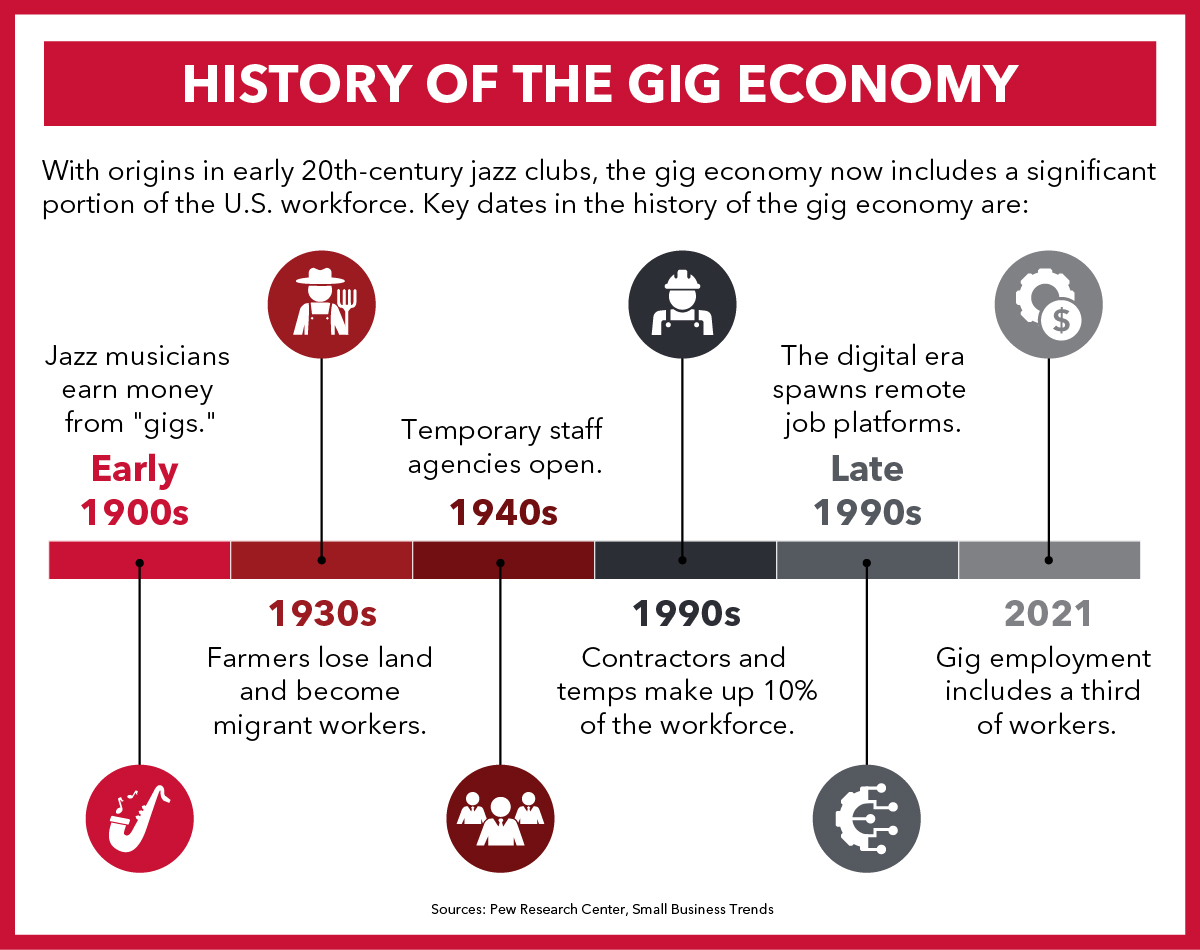
At its core, the gig economy refers to a labor market characterized by the prevalence of short-term contracts or freelance work, as opposed to permanent jobs. This definition, however, only scratches the surface when viewed through a financial lens. From a monetary standpoint, the gig economy represents a disaggregation of labor into discrete tasks or projects, each remunerated on a pay-per-task or project-based model. This stands in stark contrast to the traditional model of regular salaries, fixed hours, and comprehensive benefits packages.
Freelancing vs. Traditional Employment: Income Volatility
One of the most defining financial characteristics separating gig work from traditional employment is income volatility. In a traditional full-time role, employees typically receive a predictable, consistent paycheck, allowing for stable budgeting, savings plans, and long-term financial projections. Gig workers, conversely, often experience fluctuating income streams, which can vary wildly from month to month based on demand for their services, the number of gigs secured, and their rates. This inherent unpredictability introduces a higher degree of financial risk and necessitates more agile and robust personal finance strategies. Budgeting becomes less about fixed allocations and more about variable income management, emphasizing the need for significant emergency funds and diversified income sources to smooth out earnings peaks and troughs. The absence of employer-sponsored retirement plans, health insurance, and paid time off further shifts the burden of financial security entirely onto the individual gig worker, demanding proactive and disciplined financial planning.
The Role of Digital Platforms in Monetization
The rapid expansion and efficiency of the gig economy are inextricably linked to the proliferation of digital platforms. Companies like Uber, Airbnb, Upwork, and DoorDash act as intermediaries, connecting service providers (gig workers) with consumers or clients. From a financial perspective, these platforms serve as highly efficient marketplaces that facilitate transactions and monetize skills and assets that might otherwise remain underutilized. They reduce friction in finding work, standardize payment processing, and often handle invoicing and client relations, streamlining the financial aspect of independent work. However, these platforms also introduce new financial dynamics: they typically take a commission or fee from each transaction, impacting the net earnings of gig workers. Furthermore, the algorithms that govern these platforms often dictate pricing, task allocation, and even worker performance metrics, indirectly influencing a gig worker’s earning potential and control over their financial destiny. Understanding the fee structures, payment cycles, and rating systems of these platforms is crucial for maximizing income and financial planning.
Key Characteristics from a Financial Standpoint
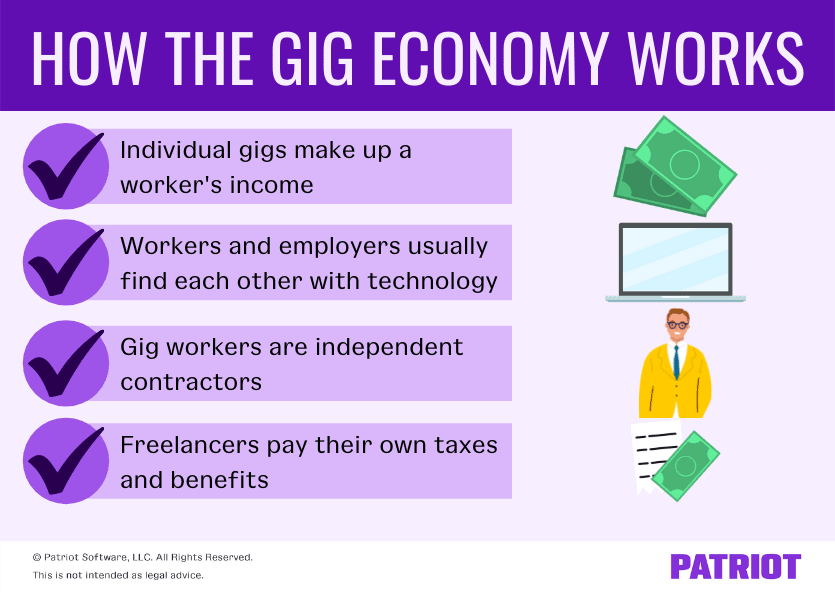
Beyond income volatility and platform intermediation, several other financial characteristics define the gig economy. Firstly, there’s the absence of employer-provided benefits. Gig workers are generally classified as independent contractors, meaning they forgo benefits such as health insurance, retirement contributions, paid vacation, sick leave, and unemployment insurance. This necessitates that individuals budget and pay for these crucial safety nets out of their gross income. Secondly, self-employment taxes are a significant consideration. Unlike traditional employees whose taxes are often withheld, gig workers are responsible for paying both the employer and employee portions of Social Security and Medicare taxes, along with income taxes, often through estimated quarterly payments. Failure to plan for and pay these taxes can lead to substantial financial penalties. Lastly, the gig economy fosters asset utilization and diversification of income streams. Individuals can monetize underutilized assets (e.g., a spare room via Airbnb, a car via ride-sharing) or skills (e.g., graphic design, writing, delivery) across multiple platforms, building a portfolio of income sources designed to mitigate risk and increase overall financial resilience.
Earning in the Gig Economy: Opportunities and Challenges for Income Generation
The appeal of the gig economy largely stems from the perceived freedom and flexibility it offers. For many, it’s a gateway to supplementary income, a stepping stone to entrepreneurship, or a chosen path for greater work-life balance. However, translating these opportunities into sustainable and robust income generation presents its own set of financial challenges.
Diversifying Income Streams: The Portfolio Approach
One of the most powerful strategies for financial stability in the gig economy is the adoption of a “portfolio approach” to income generation. Instead of relying on a single employer, gig workers actively cultivate multiple revenue streams from various clients, platforms, or types of work. This diversification acts as a hedge against the unpredictability of any single gig or client. If one project ends or a platform experiences a downturn, other sources of income can help bridge the gap. For instance, a graphic designer might work on short-term projects via Upwork, sell digital assets on Etsy, and offer local design services, all concurrently. This strategy requires effective time management and self-marketing but significantly enhances financial security and earning potential by tapping into diverse markets and skill sets. From a financial perspective, it’s akin to diversifying investments to minimize risk.
Managing Variable Income and Cash Flow
The cornerstone of financial success for a gig worker is mastering the art of managing variable income and unpredictable cash flow. Traditional budgeting methods, designed for fixed monthly salaries, often fall short. Gig workers must develop adaptive budgeting strategies that account for lean months and bountiful ones. This often involves creating a “buffer account” or a substantial emergency fund that can cover living expenses for several months, acting as a financial shock absorber. Techniques like averaging income over several months, setting aside a fixed percentage of every payment for savings and expenses, and prioritizing essential bills are crucial. Moreover, understanding the typical payment cycles of different platforms and clients—some pay immediately, others net-30 or net-60—is vital for maintaining healthy cash flow and avoiding short-term liquidity crises. Proactive cash flow forecasting and management become as important as securing the gigs themselves.
Understanding Compensation Models (Per-Task, Project-Based, Hourly)
Gig work compensation models are diverse, each with its own financial implications.
-
Per-Task/Per-Delivery: Common in ride-sharing, food delivery, or micro-task platforms. Earnings are directly tied to the completion of individual tasks. While seemingly straightforward, variables like demand, distance, time of day, and platform incentives heavily influence actual hourly earnings. Workers must assess if the per-task rate sufficiently covers their time, vehicle wear-and-tear, fuel, and other operating costs.
-
Project-Based: Prevalent in creative, technical, or consulting fields (e.g., writing an article, designing a website). A fixed fee is agreed upon for the entire project. This model offers clarity on income per project but requires accurate scope definition and efficient execution to ensure the hourly equivalent is fair. Underestimating project scope or time can significantly dilute effective hourly rates.
-
Hourly: Similar to traditional employment but without the benefits. Common for virtual assistants, tutors, or consultants. While offering more predictability than per-task, securing consistent hours can still be a challenge. Gig workers must factor in non-billable hours spent on client acquisition, administration, and professional development.
A deep understanding of these models allows gig workers to strategically choose gigs, negotiate rates, and accurately project their potential earnings, which is fundamental to robust financial planning.
Financial Planning and Security for Gig Workers
The financial landscape for gig workers is largely self-directed, making robust personal financial planning not just advisable but essential for long-term security and stability. Without employer-provided safety nets, individuals must proactively build their own.
Budgeting and Emergency Funds in an Unpredictable Environment
Given the inherent income volatility, a dynamic and disciplined approach to budgeting is non-negotiable. Traditional fixed budgets often fail gig workers; instead, a more flexible, percentage-based budgeting system can be highly effective. For example, allocating a fixed percentage of every incoming payment to essentials, savings, taxes, and discretionary spending. Crucially, building a substantial emergency fund is paramount. Whereas traditional employees might aim for 3-6 months of living expenses, gig workers should target 6-12 months, or even more, to buffer against lean periods, unexpected project cancellations, or health emergencies. This fund serves as the primary financial safety net, providing peace of mind and allowing gig workers to ride out economic fluctuations without falling into debt.
Navigating Taxes: Self-Employment Tax and Deductions
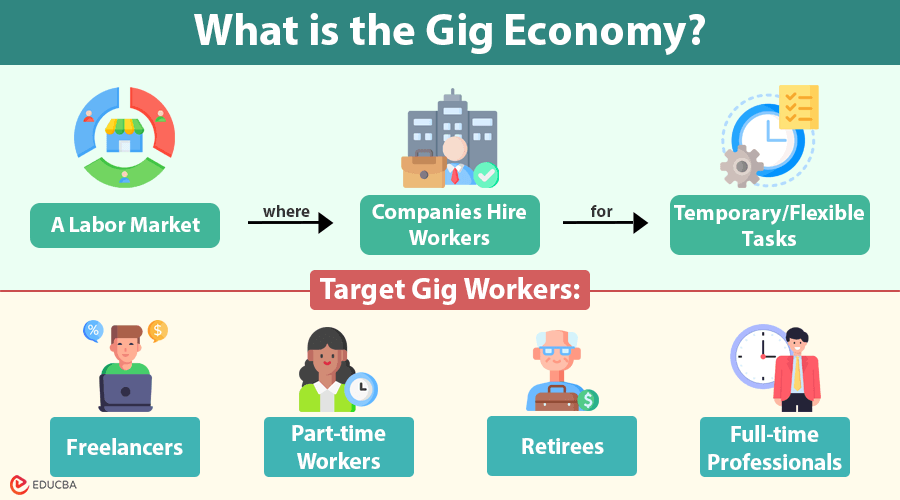
Taxes are perhaps the most daunting financial aspect for many gig workers. As independent contractors, they are responsible for paying self-employment taxes, which include Social Security and Medicare taxes, typically split between employee and employer in traditional roles. Gig workers pay the full 15.3% on their net earnings up to a certain threshold, plus income tax. This often requires making estimated quarterly tax payments to the IRS and state tax authorities to avoid penalties. A critical strategy for managing tax burden is diligently tracking and leveraging tax-deductible expenses. These can include home office expenses, business-related software and equipment, mileage, professional development, and health insurance premiums. Maintaining meticulous records of all income and expenses throughout the year, possibly using dedicated financial tracking software, is indispensable for accurate tax filing and maximizing deductions, thereby reducing taxable income.
Retirement Planning and Benefits: Bridging the Gap
One of the most significant financial gaps for gig workers is the absence of employer-sponsored retirement plans (like 401(k)s) and health insurance. Bridging this gap requires intentional financial planning. For retirement, gig workers have several excellent options:
-
SEP IRA (Simplified Employee Pension Individual Retirement Arrangement): Allows self-employed individuals to contribute a significant portion of their net self-employment earnings.
-
SIMPLE IRA (Savings Incentive Match Plan for Employees of Small Employers): A simpler retirement plan suitable for self-employed individuals and small businesses.
-
Solo 401(k): Ideal for business owners with no employees (other than a spouse), offering high contribution limits.
-
Traditional or Roth IRA: Standard retirement accounts with contribution limits, suitable for supplementing other plans or as a primary option.
Regarding health insurance, gig workers must purchase their own coverage, often through state or federal marketplaces (under the Affordable Care Act), professional organizations, or directly from private insurers. Budgeting for these premiums is a non-negotiable part of their overall financial plan.
Health Insurance and Other Protections
Beyond retirement, other protections like disability insurance (short-term and long-term), life insurance, and even specific business insurance (e.g., professional liability) become critical considerations. Without employer coverage, gig workers face significant financial vulnerability if they become ill or injured and cannot work. Factoring in the cost of these crucial protections into their overall financial model is essential for comprehensive financial security and mitigating unforeseen risks.
The Economic Impact of the Gig Economy: Broader Financial Implications
The rise of the gig economy is not merely a micro-level phenomenon impacting individual workers; it has profound macroeconomic consequences, influencing labor markets, consumption patterns, and financial stability on a larger scale.
Contribution to GDP and Labor Market Dynamics
The gig economy undeniably contributes to a nation’s Gross Domestic Product (GDP) by creating new services, enabling greater efficiency, and unlocking previously untapped productive capacity. It absorbs workers who might otherwise be unemployed or underemployed, providing income opportunities and fostering economic activity. From a labor market perspective, it offers increased flexibility for businesses to scale operations up or down rapidly, responding to demand without incurring the fixed costs associated with permanent employees. This can lead to greater economic agility but also raises questions about labor market stability and the erosion of traditional employment protections. The shift towards gig work can obscure true unemployment figures by presenting underemployed individuals as “working,” potentially masking underlying economic fragility in some sectors.
Impact on Consumer Spending and Savings
The financial instability inherent in gig work can have a dual impact on consumer spending and savings. On one hand, the flexibility and supplemental income opportunities can empower individuals to engage in more discretionary spending or to save for specific goals they might not otherwise afford. On the other hand, the unpredictable nature of income can lead to more cautious spending habits, as gig workers prioritize maintaining substantial emergency funds and meeting essential expenses over discretionary purchases. Furthermore, the absence of employer-sponsored retirement plans and robust benefits may mean that a larger portion of income must be diverted towards self-funded savings and insurance, potentially reducing immediate consumer spending in favor of long-term financial security. This shift could influence the overall velocity of money in the economy and impact sectors reliant on consistent consumer demand.
Regulatory and Policy Challenges for Financial Stability
The rapid growth of the gig economy has outpaced traditional labor laws and social safety nets, posing significant regulatory and policy challenges. Governments grapple with how to classify gig workers (employees vs. independent contractors), which has direct financial implications for tax collection, minimum wage laws, and access to unemployment benefits and workers’ compensation. From a financial stability standpoint, a large segment of the workforce lacking access to traditional benefits or experiencing significant income volatility could create systemic risks, particularly during economic downturns. Policymakers are exploring new models for portable benefits (benefits that follow the worker, not the employer), fairer tax frameworks for gig income, and mechanisms to ensure adequate financial protection for gig workers without stifling innovation or the flexibility that defines the sector. The resolution of these regulatory questions will significantly shape the long-term financial health of gig workers and the broader economy.
Leveraging Financial Tools and Strategies for Gig Success
Successfully navigating the financial complexities of the gig economy requires more than just understanding the challenges; it demands proactive engagement with smart financial tools and adopting resilient strategies.
Essential Apps for Income Tracking and Expense Management
Modern technology, ironically, provides some of the best solutions for managing the financial intricacies of gig work.
-
Income/Expense Tracking Apps: Tools like Mint, YNAB (You Need A Budget), QuickBooks Self-Employed, FreshBooks, or Wave Apps are invaluable. They allow gig workers to categorize income and expenses, track mileage, create invoices, and generate financial reports crucial for tax purposes. Many also offer features for calculating estimated quarterly taxes.
-
Time Tracking Apps: For project-based or hourly work, apps like Toggl, Clockify, or Harvest help accurately record billable hours, ensuring fair compensation and improving productivity insights.
-
Payment Processors: Familiarity with platforms like PayPal, Stripe, Square, or TransferWise is essential for receiving payments from diverse clients, especially international ones, and managing associated fees.
-
Dedicated Bank Accounts: Keeping separate bank accounts for business income/expenses and personal finances simplifies tracking, budgeting, and tax preparation immensely.
These tools streamline administrative tasks, provide real-time financial insights, and dramatically reduce the stress associated with managing variable income.
Strategies for Building Financial Resilience
Building financial resilience as a gig worker involves a multi-pronged approach that goes beyond basic budgeting:
-
Automate Savings: Set up automatic transfers of a fixed percentage of every payment into a separate savings account (emergency fund, tax fund, retirement fund). “Pay yourself first” is critical.
-
Aggressive Debt Reduction: High-interest debt (credit cards, personal loans) can quickly erode variable income. Prioritize paying down these debts to free up cash flow and reduce financial fragility.
-
Continuous Skill Development: Invest in acquiring new skills or refining existing ones. This increases marketability, allows for higher rates, and provides more diverse income opportunities, thereby enhancing earning potential and financial security.
-
Networking and Personal Branding: While not strictly financial tools, a strong professional network and a compelling personal brand are vital for consistently securing well-paying gigs, reducing income gaps between projects, and allowing for greater negotiation power on rates.
Investing for Long-Term Growth as a Gig Worker
While the immediate focus for gig workers is often on income stability and emergency savings, long-term wealth creation through investing is equally crucial. Once an adequate emergency fund is established and high-interest debts are managed, gig workers should proactively engage in investment strategies tailored to their situation. Utilizing the aforementioned self-employed retirement accounts (SEP IRA, Solo 401(k)) is a primary step, leveraging their tax advantages. Beyond retirement, general investment accounts can be used to build wealth in diversified portfolios of stocks, bonds, and exchange-traded funds (ETFs). Regular, consistent contributions, even if small initially, compounded over time, are the bedrock of long-term financial growth. Understanding risk tolerance and consulting with a financial advisor who understands the unique financial landscape of independent contractors can provide invaluable guidance for crafting an effective long-term investment strategy.
In conclusion, the gig economy, viewed through a financial lens, is a dynamic and complex ecosystem presenting both significant opportunities for income generation and unique challenges to financial stability and security. Success within this evolving paradigm hinges not just on talent and hustle, but crucially on a deep understanding of its financial intricacies, diligent planning, smart utilization of financial tools, and an unwavering commitment to building personal financial resilience. As the gig economy continues to expand, financial literacy and strategic foresight will be the most valuable assets for any independent worker navigating its landscape.
aViewFromTheCave is a participant in the Amazon Services LLC Associates Program, an affiliate advertising program designed to provide a means for sites to earn advertising fees by advertising and linking to Amazon.com. Amazon, the Amazon logo, AmazonSupply, and the AmazonSupply logo are trademarks of Amazon.com, Inc. or its affiliates. As an Amazon Associate we earn affiliate commissions from qualifying purchases.