
The culinary world is no stranger to innovation, constantly evolving to meet changing consumer demands and embrace new technological advancements. In recent years, one concept has rapidly ascended from a nascent idea to a significant force in the food industry: the ghost kitchen. Also known as a dark kitchen, cloud kitchen, or virtual kitchen, this model represents a paradigm shift in how food is prepared, marketed, and delivered. It’s a business model that leverages technology and a streamlined operational approach to serve customers exclusively through online ordering and delivery platforms.
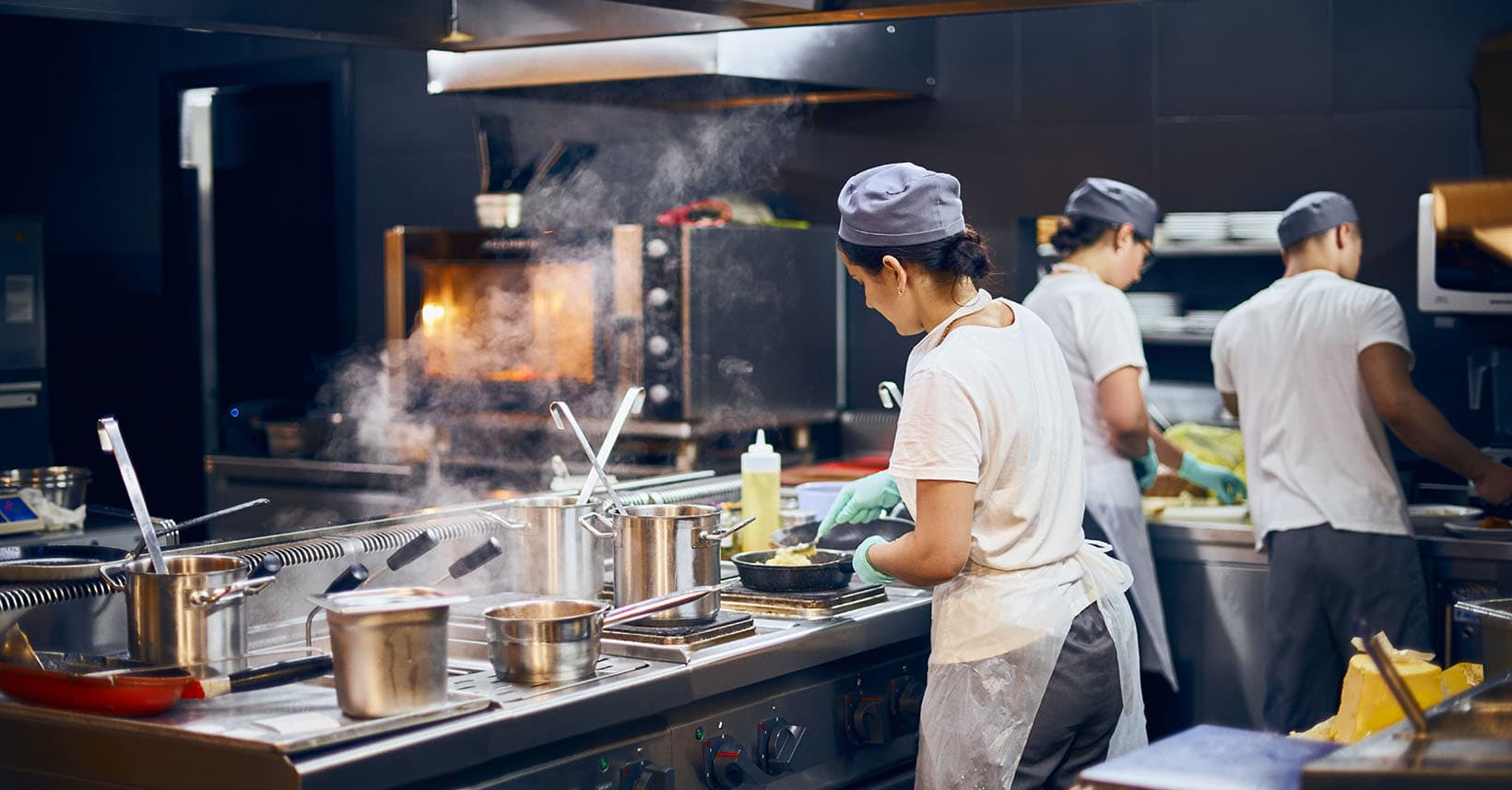
At its core, a ghost kitchen is a food preparation facility that exists solely to fulfill delivery orders. Unlike traditional restaurants, ghost kitchens do not have a physical storefront for dine-in customers. They operate from commercial kitchens, often situated in less prime real estate locations, focusing all their resources and efforts on producing high-quality food for delivery. This fundamental difference allows them to bypass many of the overhead costs associated with brick-and-mortar establishments, such as expensive front-of-house staff, prime location rent, and extensive decor.
The rise of ghost kitchens is inextricably linked to the burgeoning digital economy and the pervasive adoption of food delivery apps. As consumer preferences have shifted towards convenience and on-demand services, the demand for restaurant-quality meals delivered directly to their doorsteps has soared. Ghost kitchens are perfectly positioned to capitalize on this trend, offering a flexible and scalable solution for restaurateurs and entrepreneurs alike.
The Technology-Driven Engine of Ghost Kitchens
The ghost kitchen concept is fundamentally a technology-driven business. Without sophisticated digital infrastructure, its existence would be precarious, if not impossible. The seamless integration of various technological components is what allows these kitchens to operate efficiently and effectively in the digital realm.
Powering Operations with Software and AI
At the heart of every ghost kitchen lies a robust technology stack. This begins with Point of Sale (POS) systems, but these are far from the traditional countertop devices. Modern ghost kitchen POS systems are cloud-based, designed to aggregate orders from multiple delivery platforms simultaneously. This prevents order mismanagement, ensures accuracy, and streamlines the workflow from order placement to preparation.
Furthermore, these systems often integrate with inventory management software. This allows for real-time tracking of ingredients, reducing waste, optimizing purchasing, and ensuring that popular dishes are always available. Predictive analytics, powered by AI, can even forecast demand based on historical data, time of day, weather, and local events, enabling ghost kitchens to optimize staffing and ingredient stock proactively.
Artificial Intelligence (AI) plays an increasingly crucial role. AI-powered tools can analyze customer order patterns to identify trends, personalize marketing efforts, and even suggest menu optimizations. For instance, AI can predict which menu items are likely to be most popular on a given day, allowing the kitchen to prepare ingredients in advance. AI can also assist in optimizing delivery routes, ensuring that food reaches customers quickly and at the optimal temperature. Chatbots, powered by AI, can handle basic customer inquiries, freeing up human staff for more complex tasks.
The Digital Front Door: Apps and Online Platforms
The primary interface between a ghost kitchen and its customers is through food delivery apps like Uber Eats, DoorDash, Deliveroo, and others. These platforms are the virtual storefronts, acting as the discovery engine for potential diners. A strong presence on these platforms, coupled with high-quality menu photography and compelling descriptions, is paramount for success.
Beyond third-party apps, many ghost kitchens also operate their own branded websites and apps. This allows them to build a direct relationship with their customers, bypass commission fees charged by delivery platforms, and collect valuable customer data for targeted marketing and loyalty programs. These proprietary digital platforms are where customers can browse menus, place orders, track their deliveries in real-time, and even leave reviews.
Gadgets and specialized kitchen equipment are also essential. While not strictly “tech” in the software sense, modern ghost kitchens often invest in high-efficiency cooking equipment, specialized packaging solutions that maintain food temperature and integrity during transit, and potentially even automated cooking systems for certain menu items. The focus is on speed, consistency, and quality, all enabled by the right tools.
Ensuring Security in the Digital Realm
With a heavy reliance on online transactions and data, digital security is a non-negotiable aspect of operating a ghost kitchen. Protecting customer payment information, personal data, and proprietary business information is critical. This involves implementing robust cybersecurity measures, including secure payment gateways, regular software updates, data encryption, and adherence to privacy regulations like GDPR. A data breach can have devastating consequences for a new business, eroding trust and leading to significant financial penalties.
Building a Brand in the Absence of a Physical Presence
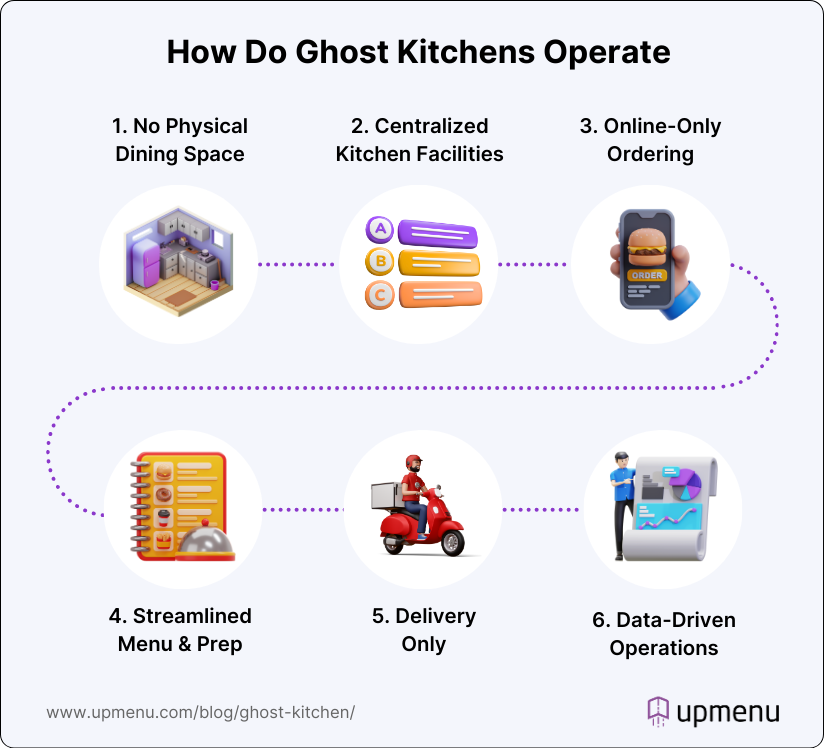
The absence of a physical storefront presents a unique challenge and opportunity for ghost kitchens when it comes to branding. Without a welcoming ambiance or the opportunity for face-to-face interaction, the brand identity must be meticulously crafted and communicated through digital channels.
Crafting a Compelling Corporate Identity Online
A ghost kitchen’s brand is built entirely on its digital footprint. This starts with a strong corporate identity. This includes not only a memorable name and logo but also a consistent visual style that is applied across all online platforms, packaging, and marketing materials. The brand story needs to resonate with the target audience, highlighting what makes the food unique, the ingredients used, or the culinary philosophy behind it.
Marketing and design are therefore incredibly important. High-quality food photography is essential, as this is often the first and primary way customers interact with the brand. Effective digital marketing campaigns, including social media engagement, search engine optimization (SEO) for food delivery platforms, and targeted online advertising, are crucial for driving traffic and orders.
The Power of Reputation and Case Studies
In the digital age, reputation is everything. Customer reviews on delivery apps and social media platforms can make or break a ghost kitchen. A proactive approach to managing online reviews, responding to feedback (both positive and negative), and consistently delivering on promises is vital. Positive reviews act as powerful case studies, showcasing customer satisfaction and encouraging new patrons to try the service.
Personal branding can also play a role, especially if the ghost kitchen is associated with a well-known chef or entrepreneur. Their personal story, culinary expertise, and social media presence can add a human element and build trust with consumers, even without a physical restaurant to visit.
The Financial Framework: Money Matters in the Ghost Kitchen Economy
The financial model of ghost kitchens is one of their most attractive aspects, offering potential for higher profitability and lower startup costs compared to traditional restaurants. This section delves into the financial realities and opportunities within this innovative sector.
Navigating Personal and Business Finance
For individuals looking to enter the ghost kitchen space, understanding personal finance is key. The lower barrier to entry, compared to a full-service restaurant, can make it an accessible entrepreneurial venture. However, careful financial planning is still required. This involves securing initial capital for kitchen equipment, ingredients, marketing, and licensing, as well as understanding ongoing operational costs.
On the business finance side, ghost kitchens benefit from reduced overhead. The absence of dine-in space eliminates significant rent, front-of-house labor, and décor expenses. This allows for potentially higher profit margins on each order. However, it’s crucial to factor in delivery platform commissions, packaging costs, and marketing expenditures.
Unlocking Online Income and Side Hustles
Ghost kitchens are a prime example of a successful online income model. They operate entirely within the digital economy, generating revenue through online orders. For some, it can represent a lucrative side hustle, allowing existing restaurant owners to expand their reach by launching new virtual brands without the need for additional physical locations. It also opens doors for culinary entrepreneurs to test new concepts and menu ideas with lower risk.
The ability to scale operations up or down based on demand is a significant financial advantage. During peak hours or seasons, capacity can be increased, and during slower periods, costs can be reduced by optimizing staffing and inventory. This agility is a hallmark of the modern digital business.

Leveraging Financial Tools for Growth
Effective management of financial tools is essential for ghost kitchen success. This includes employing accounting software to track revenue, expenses, and profitability, as well as utilizing budgeting and forecasting tools. Many cloud-based financial platforms offer features specifically designed for small businesses, providing insights into cash flow, inventory valuation, and cost analysis.
Furthermore, understanding the economics of delivery platform pricing, marketing ROI, and customer acquisition cost (CAC) is critical for optimizing profitability. Data analytics, often integrated into POS and financial software, can provide invaluable insights into which menu items are most profitable, which delivery platforms offer the best returns, and where marketing efforts are most effective. By meticulously managing their finances and leveraging technology, ghost kitchens can carve out a significant and profitable niche in the ever-evolving food landscape.
aViewFromTheCave is a participant in the Amazon Services LLC Associates Program, an affiliate advertising program designed to provide a means for sites to earn advertising fees by advertising and linking to Amazon.com. Amazon, the Amazon logo, AmazonSupply, and the AmazonSupply logo are trademarks of Amazon.com, Inc. or its affiliates. As an Amazon Associate we earn affiliate commissions from qualifying purchases.