
In the traditional landscape of marketing and corporate identity, gender has long served as one of the most fundamental pillars of consumer segmentation. For decades, brands relied on a binary framework to categorize their audiences, design their products, and craft their messaging. However, as societal understanding of identity evolves, the definition and application of gender stereotypes in branding are undergoing a radical transformation. What was once considered a “mental shortcut” for marketers is now frequently viewed as a strategic liability.
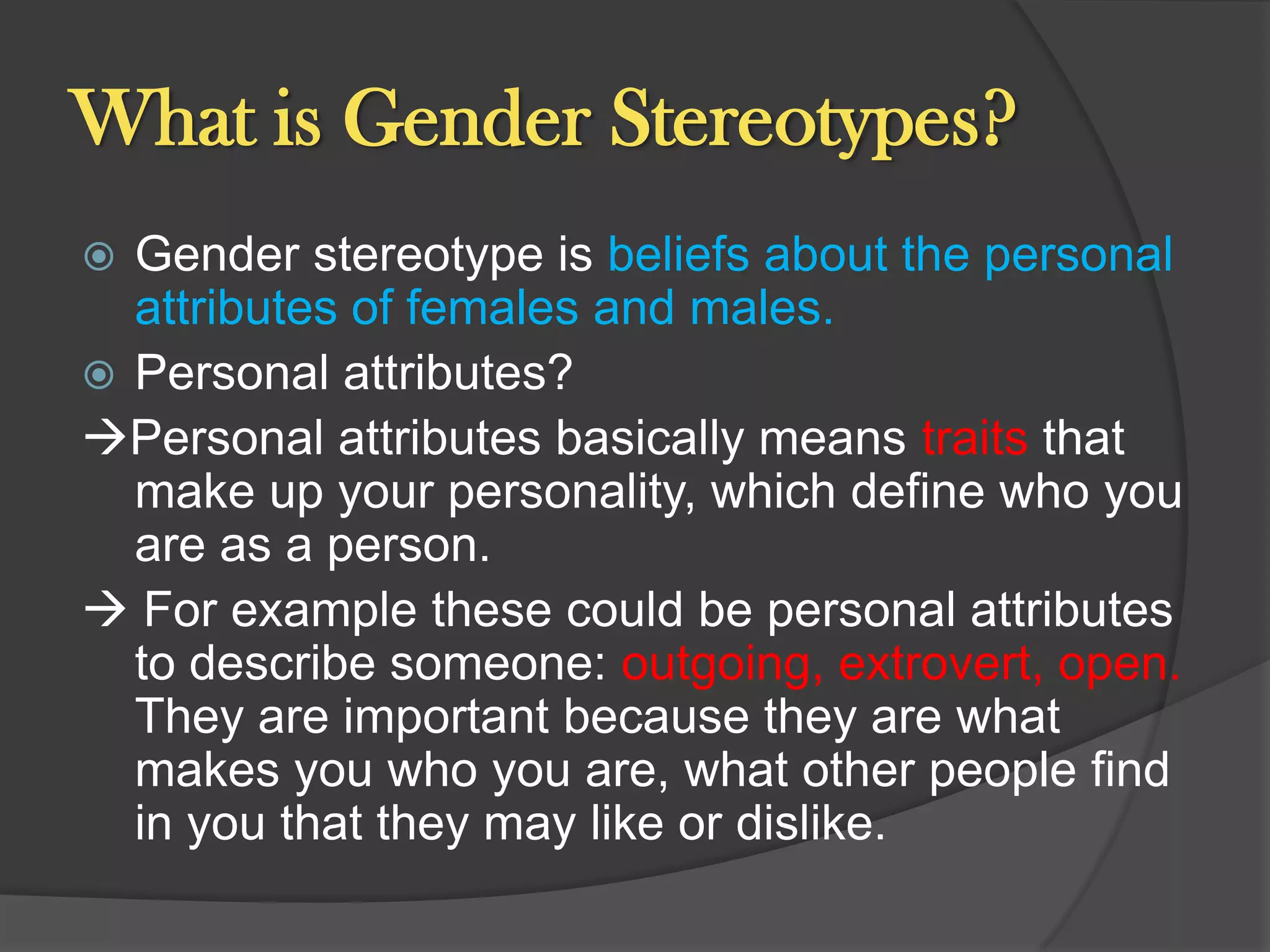
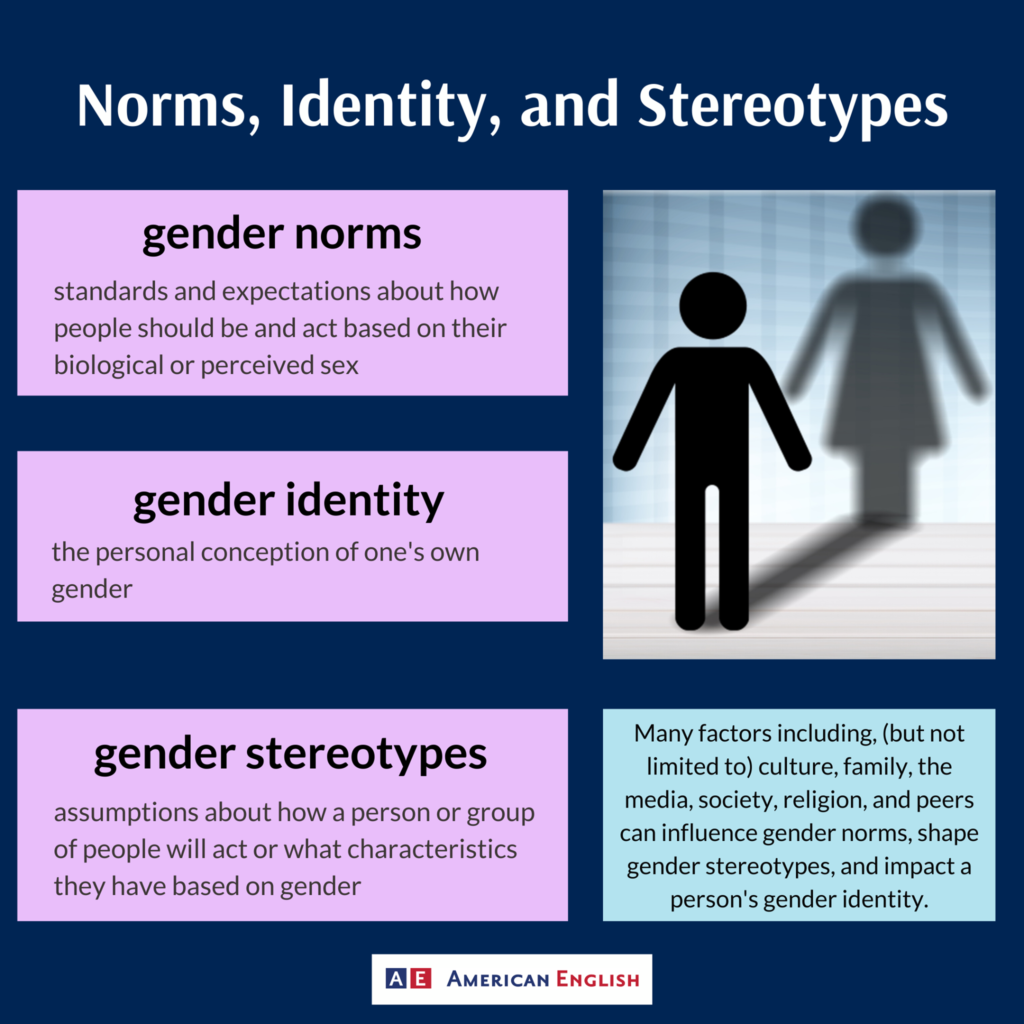
A gender stereotype, in the context of brand strategy, is a generalized belief or preconception about the attributes, characteristics, or roles that should be possessed by or performed by individuals based on their gender. While these stereotypes were once used to streamline communication, modern brand strategy requires a more nuanced approach. To build a brand that resonates in the 21st century, organizations must understand the historical weight of these stereotypes and learn how to move beyond them to foster authentic connections with a diverse global audience.
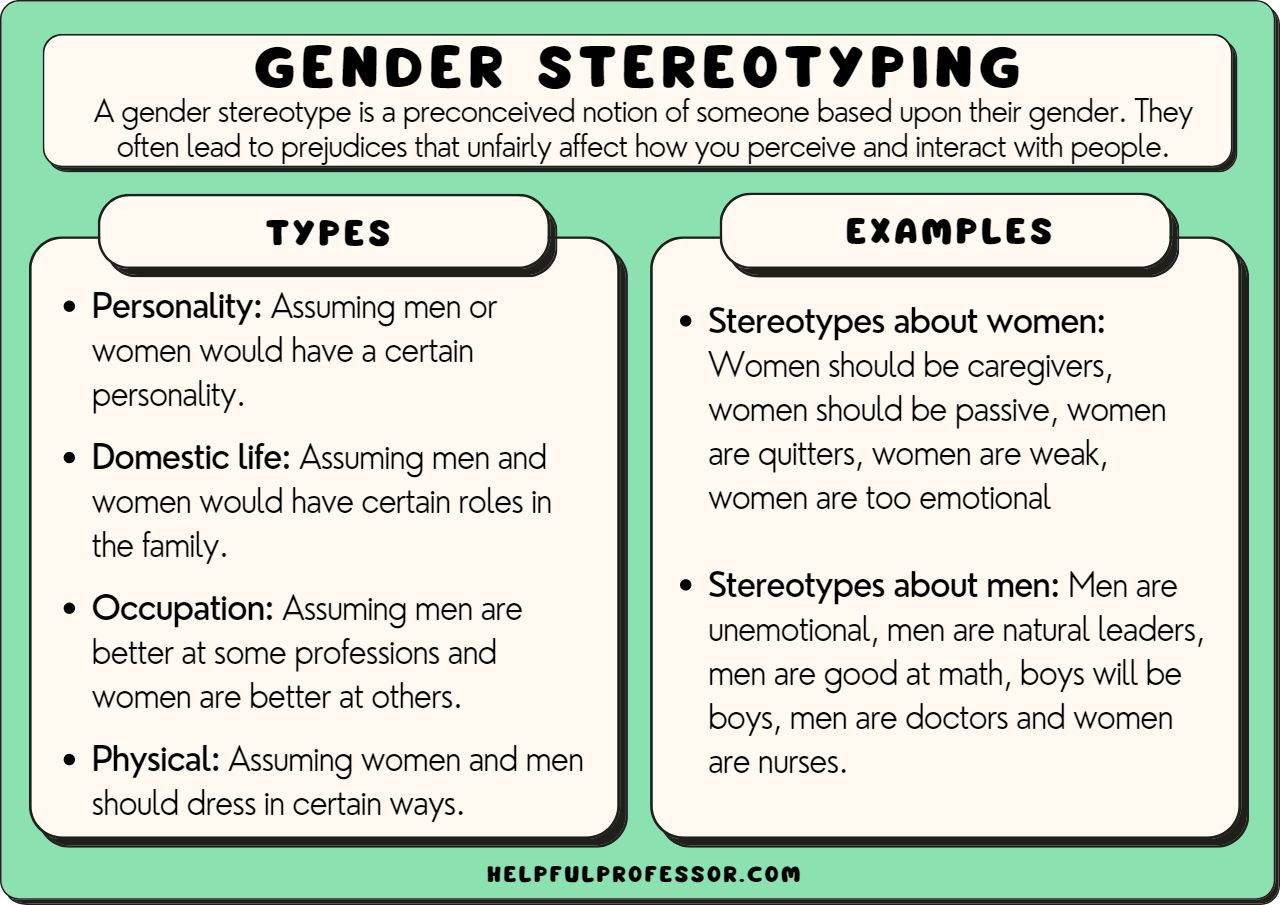
Defining Gender Stereotypes in the Branding Landscape
To dismantle gender stereotypes within a brand, one must first recognize how they manifest. In marketing, stereotypes are often subtle, embedded in the visual and linguistic cues that signal who a product is “for.” These cues create a framework that can either invite a consumer in or inadvertently alienate them.
The Historical Foundation of Gender-Coded Marketing
The history of modern branding is inextricably linked to the reinforcement of gender roles. Following the industrial revolution and the rise of mass consumerism in the mid-20th century, brands capitalized on the “nuclear family” structure. Marketing was strictly divided: women were targeted as the primary household purchasers and caretakers, while men were targeted as providers and decision-makers for high-ticket items like automobiles or financial services.
This era gave birth to the “Pink and Blue” divide. Cleaning products, cosmetics, and domestic appliances were marketed with soft curves, pastel colors, and language emphasizing beauty or nurturance. Conversely, tools, electronics, and professional services utilized bold typography, dark palettes, and themes of power, logic, and ruggedness. These weren’t just design choices; they were the architectural blueprints of gender-coded branding that shaped consumer expectations for generations.
How Stereotypes Shape Consumer Perception
Stereotypes function as cognitive heuristics—mental shortcuts that help the brain process information quickly. When a consumer sees a brand, they subconsciously categorize it based on these established schemas. If a brand aligns too rigidly with an outdated stereotype, it risks appearing “out of touch” or “regressive” to the modern consumer.
Research in consumer psychology suggests that while stereotypes can offer a sense of familiarity, they also impose limitations. When a brand relies on “hyper-masculinity” or “hyper-femininity,” it narrows its market share and creates a barrier for individuals who do not see themselves reflected in those extremes. In a brand strategy context, the goal is no longer to fit a consumer into a box, but to provide a platform for the consumer to express their own identity.
The Shift Toward Gender-Neutral Branding
The most significant trend in contemporary brand strategy is the move toward gender-neutrality or gender-fluidity. This shift is driven by a realization that the modern consumer—particularly Millennials and Gen Z—views gender as a spectrum rather than a binary. Brands that fail to adapt to this cultural shift risk losing relevance.
Deconstructing the “Pink and Blue” Tax
One of the most criticized aspects of gendered branding is the “Pink Tax”—the tendency for products marketed toward women to be more expensive than functionally identical products marketed toward men. From razors to dry cleaning, the price discrepancy highlighted a systemic reliance on gender stereotypes to extract more value from specific demographics.
Forward-thinking brands are actively deconstructing this model. By adopting gender-neutral pricing and packaging, companies are positioning themselves as ethical and transparent. This strategy goes beyond mere aesthetics; it is a fundamental shift in the brand’s value proposition. When a brand removes the gendered “tax,” it communicates a commitment to equity that resonates deeply with value-driven consumers.
Case Studies: Brands Leading the Post-Stereotype Era
Several global brands have successfully pivoted away from gender stereotypes to broaden their appeal and strengthen their corporate identity. For example, in the beauty and skincare industry, brands like Glossier and Ordinary have abandoned the traditional “feminine” tropes of the 1990s. Instead, they utilize minimalist, industrial, or laboratory-inspired packaging that appeals to all genders.
In the fashion industry, the rise of “unisex” or “gender-free” collections from major retailers like Zara and H&M reflects a strategic response to the demand for fluidity. Even in traditional sectors like toys, brands like LEGO and Mattel have made strides in removing gender labels from their product categories, focusing instead on “interests” (e.g., building, storytelling, or adventure) rather than who the child is “supposed” to be based on their gender.
The Risks of Performative Inclusivity
As brands rush to distance themselves from stereotypes, they face a new challenge: performative inclusivity. This occurs when a brand adopts the language of gender equality or neutral branding for marketing purposes without reflecting those values in its internal culture or long-term strategy.
Authenticity vs. Tokenism
Consumers today are highly skeptical of “rainbow washing” or “pinkwashing.” If a brand launches a campaign celebrating gender diversity but lacks representation in its C-suite or maintains a significant gender pay gap, the brand’s credibility is compromised. Authenticity in branding requires an “inside-out” approach. The external message must be a true reflection of the internal corporate identity.
Tokenism—using a diverse range of models in an advertisement while maintaining stereotypical product designs—is easily spotted by savvy consumers. To avoid this, brand strategists must ensure that the rejection of stereotypes is woven into the very fabric of the product development process, not just the final advertising campaign.
Aligning Brand Values with Internal Culture
A brand is more than a logo or a slogan; it is a promise of value and a reflection of a company’s culture. For a brand to successfully navigate gender stereotypes, it must audit its internal biases. This includes reviewing hiring practices, leadership development, and the language used in internal communications. When employees feel that the brand’s commitment to breaking stereotypes is genuine, they become the most effective brand ambassadors, ensuring consistency across every touchpoint of the customer journey.
Strategic Implementation: Building a Gender-Inclusive Brand Identity
Moving away from stereotypes does not mean a brand must become bland or featureless. Instead, it involves expanding the brand’s visual and narrative vocabulary to be more inclusive and representative of the human experience.
Visual Language and Design Cues
Designers are now looking beyond the traditional color palettes of pink and blue. Modern brand identities often lean toward “sophisticated neutrals”—sage greens, muted terracottas, charcoals, and off-whites—which do not carry the historical baggage of gendered colors.
Typography also plays a crucial role. Historically, heavy, angular slab serifs were coded as masculine, while delicate, flowing scripts were coded as feminine. Today’s brand strategy often favors clean, geometric sans-serifs or modern serifs that prioritize legibility and versatility over gendered associations. The goal is to create a visual identity that feels “human-centric” rather than “gender-centric.”
Narrative and Communication Strategies
The language a brand uses can either reinforce or dismantle stereotypes. Brands are increasingly moving away from gendered pronouns and toward inclusive language. More importantly, the stories brands tell are changing. Instead of portraying women solely in domestic roles or men solely in professional or athletic roles, brands are showcasing a diverse array of experiences.
Communication strategies now focus on shared values, aspirations, and lifestyles. A skincare brand might focus on “skin health” rather than “anti-aging for women.” A financial services firm might focus on “empowerment and legacy” rather than “investing for the family man.” By shifting the focus to the benefit provided rather than the gender of the recipient, brands create a more welcoming and expansive narrative.
The Economic Impact of Breaking Gender Stereotypes
Beyond the ethical considerations, there is a clear economic imperative for brands to move past gender stereotypes. Market research consistently shows that inclusive brands perform better financially and enjoy higher levels of customer loyalty.
Tapping into the Values-Driven Consumer Market
The modern consumer uses their purchasing power as a form of activism. They prefer to support brands that align with their personal values, including social justice and gender equality. According to various market studies, a significant majority of Gen Z consumers believe that brands should do more to challenge gender stereotypes. By taking a proactive stance, brands can capture the loyalty of this influential demographic early on.
Furthermore, breaking stereotypes allows brands to enter new market segments. When a tool brand markets to “DIY enthusiasts” rather than “men,” they open the door to a massive demographic of female and non-binary customers who were previously ignored. This expansion of the “addressable market” is a key driver of long-term business growth.
Future-Proofing the Brand for Gen Z and Beyond
As the workforce and consumer base become more diverse, the brands that survive will be those that can speak to a global, fluid audience. Gender stereotypes are increasingly seen as relics of a previous era. Future-proofing a brand means building an identity that is flexible enough to evolve as societal norms continue to change.
In conclusion, a gender stereotype is no longer a useful tool for the sophisticated brand strategist; it is a constraint that limits creativity and market reach. By deconstructing these outdated beliefs and building brand identities based on authenticity, inclusivity, and shared human values, companies can create more meaningful connections with their audiences. The future of branding is not about defining who a person is based on their gender, but about empowering them to be whoever they choose to be.
aViewFromTheCave is a participant in the Amazon Services LLC Associates Program, an affiliate advertising program designed to provide a means for sites to earn advertising fees by advertising and linking to Amazon.com. Amazon, the Amazon logo, AmazonSupply, and the AmazonSupply logo are trademarks of Amazon.com, Inc. or its affiliates. As an Amazon Associate we earn affiliate commissions from qualifying purchases.