
The allure of “French vanilla” is undeniable. It conjures images of rich, creamy indulgence, a comforting aroma, and a flavor profile that’s both sophisticated and universally appealing. But what exactly is French vanilla? While its culinary definition is straightforward, the term itself can be a fascinating lens through which to explore concepts across technology, branding, and even personal finance. This exploration will delve into the essence of French vanilla, not just as a taste, but as a phenomenon that resonates in the modern world.

The Essence of French Vanilla: Beyond the Bean
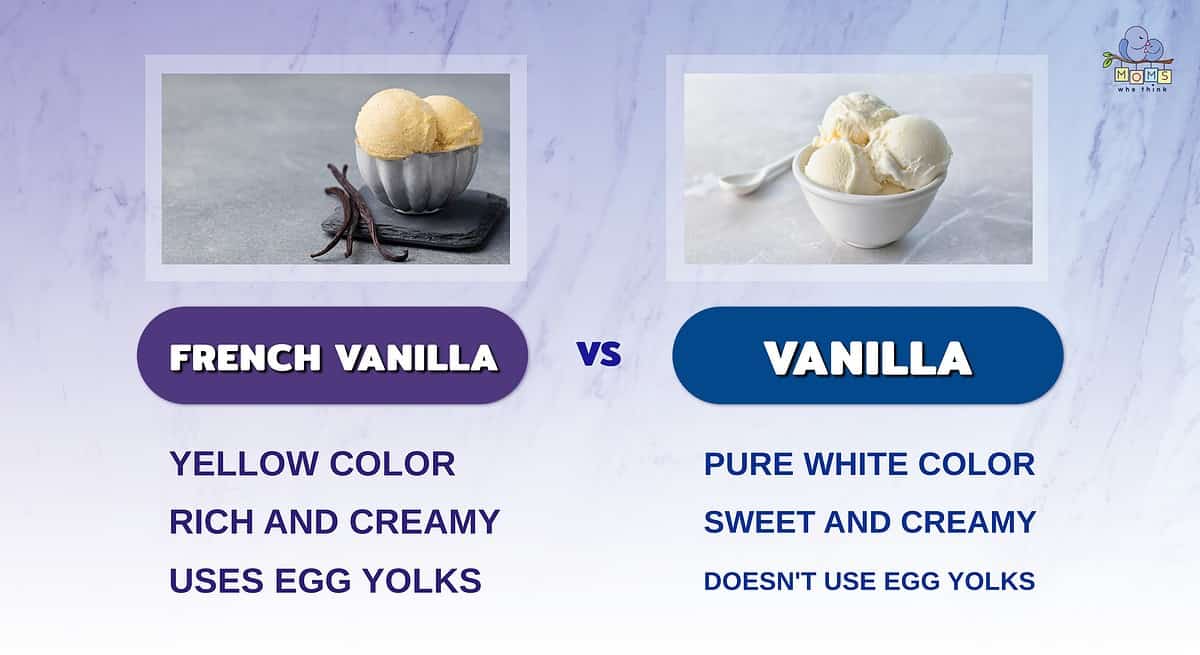
At its heart, French vanilla is a distinct flavor profile, primarily associated with ice cream and other desserts. It differentiates itself from its more common cousin, “regular” vanilla, through a few key characteristics, most notably the use of egg yolks in its preparation.
H3: The Culinary Cornerstone: Eggs and Cream
The defining ingredient that elevates French vanilla is the incorporation of egg yolks. This culinary technique, often referred to as a crème anglaise base, imbues the flavor with a richer, more custardy texture and a deeper, more complex aroma. Regular vanilla, in contrast, typically relies on a simpler base of milk, cream, and sugar, often enhanced with vanilla extract.
The egg yolks contribute several vital elements:
- Richness and Creaminess: The fat content in egg yolks emulsifies with the dairy, creating a smoother, silkier mouthfeel. This inherent richness is a hallmark of French vanilla.
- Deepened Flavor: The yolks themselves possess a subtle, savory undertone that complements the sweetness of the vanilla, adding layers of flavor that go beyond a simple sweet profile.
- Color: The natural color of egg yolks lends a characteristic pale yellow hue to French vanilla, setting it apart visually from the whiter appearance of regular vanilla.
While vanilla beans or high-quality vanilla extract are the source of the vanilla flavor itself, the method of preparation, with the inclusion of egg yolks, is what truly defines “French vanilla.” This distinction, subtle to the uninitiated palate, is a testament to the nuances of culinary tradition and the pursuit of refined flavor.
H3: The “French” Mystique: Perception vs. Reality
The “French” in French vanilla often evokes a sense of artisanal craftsmanship, European elegance, and superior quality. While this perception is largely true in terms of the culinary technique employed, it’s important to distinguish this from a literal geographical origin. French vanilla is not necessarily produced in France, nor does it exclusively utilize ingredients from France. Instead, it signifies a style of preparation that has its roots in French patisserie and culinary arts.
This association with French cuisine has been masterfully leveraged in branding, creating an aura of sophistication and exclusivity around products marketed as “French vanilla.” It’s a prime example of how branding can elevate a product beyond its core ingredients.
French Vanilla as a Brand Blueprint: Marketing the “Better” Experience
The success of the French vanilla flavor profile offers a compelling case study in brand strategy. It demonstrates how a subtle difference in product formulation can be amplified through marketing to create a perception of superior quality and desirability.
H2: Building a Premium Identity: The Power of Naming and Association
The very name “French vanilla” is a powerful branding tool. It instantly communicates a certain set of desirable attributes:
- Sophistication: The association with French culinary heritage lends an air of sophistication.
- Indulgence: The richer texture and deeper flavor suggest a more luxurious experience.
- Authenticity: The term implies a more traditional and authentic approach to flavor creation.
Brands that utilize the “French vanilla” descriptor often position themselves in the premium segment of the market. This isn’t just about the taste; it’s about selling an experience. Consumers are willing to pay a premium for products that promise a more refined, indulgent, and “authentic” experience, and French vanilla effectively delivers on this promise through its name alone.
H3: Case Studies in Flavor Branding: From Ice Cream to Coffee Creamers
The application of the “French vanilla” brand extends far beyond artisanal ice cream shops. It’s a ubiquitous descriptor in a vast array of products:
- Ice Cream: This is where the term is most commonly understood and originates. Brands often differentiate their “French vanilla” offering by highlighting the use of real egg yolks and premium vanilla beans.
- Coffee Creamers and Syrups: “French vanilla” is a staple flavor in these products, promising to transform a regular cup of coffee into a richer, more dessert-like beverage. Here, the branding leans heavily on the idea of an everyday indulgence.
- Baked Goods: From cakes and cookies to pastries, the French vanilla flavor profile is used to impart a richer, more complex sweetness.
- Candles and Fragrances: Surprisingly, the scent of French vanilla has become popular in home goods and personal fragrances, capitalizing on the comforting and luxurious associations of the flavor.
In each of these categories, the “French vanilla” label acts as a shortcut, immediately conveying a certain expectation of quality and sensory pleasure. Brands leverage this by ensuring their product lives up to at least some of these expectations, often through clever marketing copy and packaging design.
The Technology of Taste: From AI to Ingredient Sourcing
While seemingly rooted in tradition, even the creation and popularization of flavors like French vanilla are increasingly influenced by technology. From the development of synthetic flavor compounds to the sophisticated logistics of sourcing high-quality ingredients, technology plays a subtle yet significant role.
H2: The Digital Palate: AI and Flavor Innovation
The realm of flavor development is rapidly evolving, with Artificial Intelligence (AI) emerging as a powerful tool. AI algorithms can analyze vast datasets of flavor compounds, consumer preferences, and chemical interactions to predict and even create new flavor profiles.
- Predictive Flavor Modeling: AI can help food scientists understand the complex interplay of ingredients that create specific taste sensations. This can lead to more consistent and nuanced French vanilla flavors, even when using synthetic or natural flavorings.
- Optimizing Ingredient Blends: For large-scale production, AI can optimize the ratios of vanilla extracts, sweeteners, and other components to achieve the desired French vanilla profile efficiently and cost-effectively.
- Personalized Flavor Experiences: In the future, AI could be used to tailor flavor profiles to individual consumer preferences, potentially creating personalized versions of French vanilla.
While the core of French vanilla remains rooted in the culinary technique of using egg yolks, AI offers a pathway to innovate and refine the flavor experience in ways previously unimaginable.
H3: Sourcing and Sustainability: The Tech Backbone of Quality Ingredients
The “French” association also implicitly suggests a reliance on high-quality, perhaps even exotic, ingredients. The sourcing and procurement of these ingredients, especially vanilla beans, are increasingly reliant on technology and data.
- Supply Chain Transparency: Blockchain technology and sophisticated tracking systems can provide transparency in the vanilla supply chain, ensuring ethical sourcing and traceability. This is crucial for brands that want to emphasize the quality and provenance of their ingredients.
- Agricultural Technology (AgTech): Innovations in agriculture, such as precision farming and data analytics, can help improve vanilla cultivation, leading to higher yields and better quality beans. This can indirectly impact the availability and cost of premium vanilla for French vanilla products.
- Quality Control and Analysis: Advanced analytical tools, including spectroscopy and chromatography, can be used to assess the quality and purity of vanilla extracts, ensuring that the desired flavor compounds are present.
These technological advancements, while not directly creating the “French vanilla” flavor, are instrumental in ensuring the quality, consistency, and ethical production of the ingredients that define it.
French Vanilla and Personal Finance: Investing in Indulgence and Value
The concept of French vanilla can even offer a surprising parallel to personal finance, particularly in how we approach spending, investment, and the pursuit of value.
H2: The “French Vanilla” Investment: Balancing Premium and Practicality
Just as French vanilla represents a premium version of a common flavor, many financial decisions involve a similar trade-off between enhanced experience and cost.
- Discretionary Spending: Choosing French vanilla ice cream over regular vanilla is a discretionary spending choice. It’s about allocating funds towards a perceived upgrade in enjoyment. This mirrors decisions in personal finance where individuals decide to spend more on experiences or products that offer a higher level of satisfaction, such as choosing a slightly more expensive, but higher-quality, piece of clothing or investing in a premium travel experience.
- The Value Proposition: The key is the value proposition. Is the enhanced experience of French vanilla worth the extra cost? Similarly, in investing, the question is whether a higher-risk, potentially higher-return investment is “worth it” compared to a more conservative option. Brands that successfully market French vanilla are demonstrating a strong value proposition that justifies the premium price.
- Side Hustles and Premium Offerings: For entrepreneurs, the “French vanilla” concept can inform how they price their services. Offering a slightly enhanced, more personalized, or higher-quality version of a common service (a “French vanilla” offering) can command a higher price and attract a specific clientele. For instance, a graphic designer might offer a premium branding package that goes beyond basic logo design, incorporating brand strategy and market analysis – their “French vanilla” offering.
H3: The Long-Term Flavor: Investing in Quality Assets
In a broader financial sense, the enduring appeal of French vanilla can be compared to investing in assets that offer consistent, long-term value. While regular vanilla is accessible and satisfying, French vanilla represents a more refined and potentially more rewarding experience. This is akin to investing in quality stocks or assets that, while perhaps requiring more initial capital or research, are likely to provide sustained growth and dividends over time.
The lesson from French vanilla in personal finance is about understanding what constitutes genuine value and when a premium for enhanced quality or experience is justified. It’s about making informed choices that align with one’s financial goals and desired lifestyle, much like choosing the perfect flavor to savor.
In conclusion, the seemingly simple question of “what is a French vanilla” opens a surprisingly rich dialogue. It’s a testament to the power of culinary tradition, the effectiveness of smart branding, the quiet influence of technology, and even the nuanced decisions we make in managing our personal finances. French vanilla, in its essence, is more than just a flavor; it’s a concept that resonates across diverse aspects of our modern world, reminding us that even the most familiar things can offer deeper insights when we choose to explore them.
aViewFromTheCave is a participant in the Amazon Services LLC Associates Program, an affiliate advertising program designed to provide a means for sites to earn advertising fees by advertising and linking to Amazon.com. Amazon, the Amazon logo, AmazonSupply, and the AmazonSupply logo are trademarks of Amazon.com, Inc. or its affiliates. As an Amazon Associate we earn affiliate commissions from qualifying purchases.