
When the average person hears the term “fraternity house,” the mind often drifts toward cinematic tropes of social gatherings and communal living. However, from a professional financial and real estate perspective, a fraternity house is a sophisticated asset class that sits at the intersection of purpose-built student housing (PBSH), commercial real estate, and non-profit corporate management. Far from being merely a residence, these structures represent significant capital investments, complex tax entities, and unique risk management challenges.
In this analysis, we explore the fraternity house through the lens of “Money”—examining the ownership structures, the operational economics, the tax implications, and the long-term investment viability of these specialized properties.

The Fraternity House as a Strategic Real Estate Asset Class
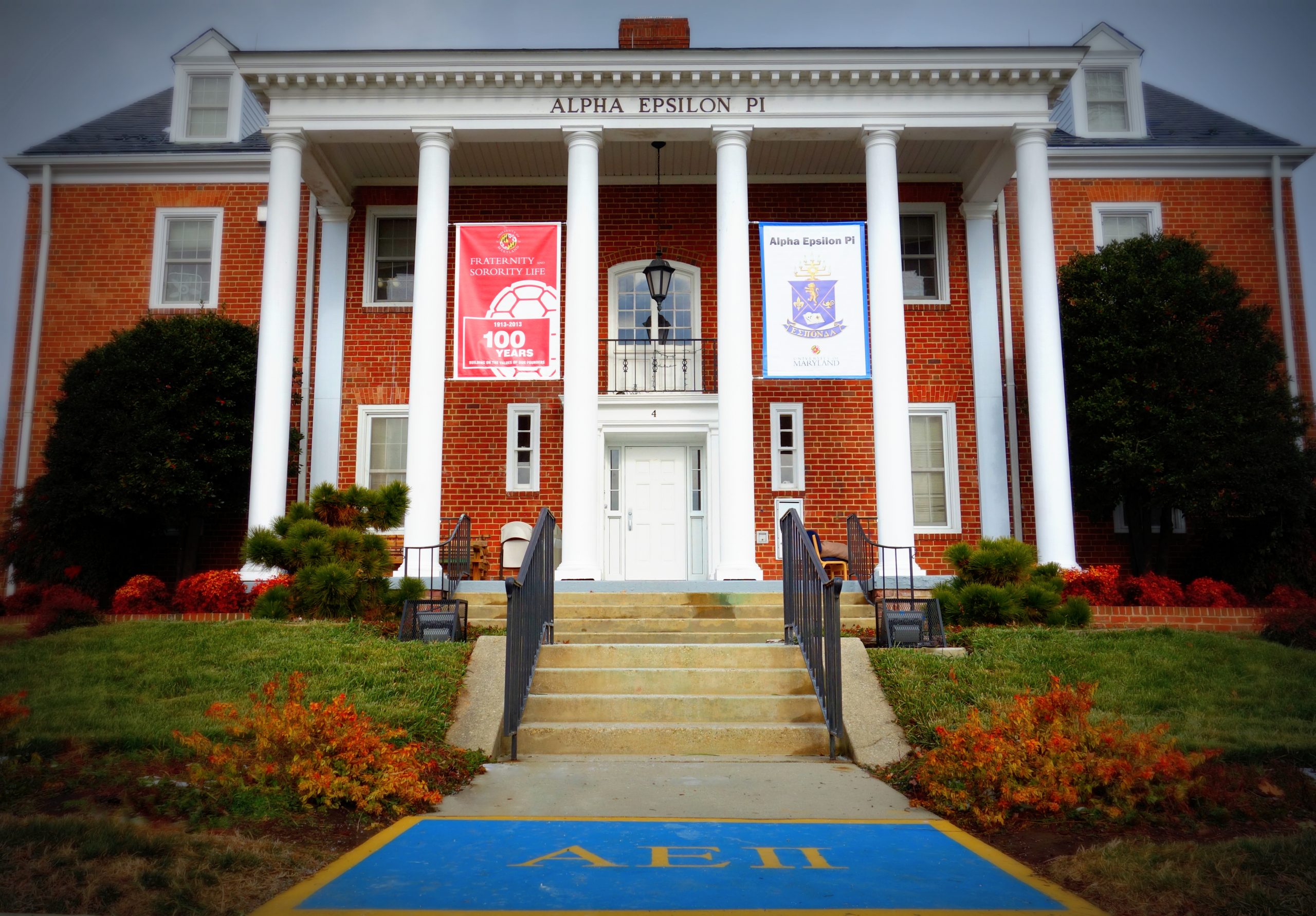
In the broader context of the real estate market, fraternity houses are a niche subset of the student housing sector. Unlike standard multi-family apartments, these properties are designed for high-density occupancy and specific communal functions. Understanding the financial value of a fraternity house requires looking beyond the brick and mortar to the underlying corporate structure that holds the title.
The Ownership Structure: Alumni Housing Corporations
Most fraternity houses are not owned by the undergraduate students who reside within them, nor are they typically owned by the national fraternity organization. Instead, they are usually held by a separate legal entity known as an Alumni Housing Corporation (AHC). These corporations are established as non-profit holding companies, managed by seasoned professionals and alumni volunteers. From a financial standpoint, this structure protects the national organization from liability while providing a vehicle for long-term capital accumulation and property maintenance.
Purpose-Built Student Housing (PBSH) vs. Historical Assets
Fraternity houses generally fall into two categories of real estate: historic mansions or modern purpose-built facilities. Historic assets often carry significant “prestige value” which can bolster a brand’s ability to charge premium room and board rates. However, these assets also come with higher deferred maintenance costs and specialized insurance requirements. Modern purpose-built houses, on the other hand, are engineered for durability and efficiency, maximizing the “rentable square footage” and minimizing utility overheads.
Valuation Metrics in Greek Real Estate
Valuing a fraternity house differs from standard residential appraisals. Appraisers often use the “Income Approach,” looking at the potential gross income (PGI) generated by member dues and rent, minus the high vacancy risks associated with summer months. Because these properties are often located on “Fraternity Row”—prime real estate adjacent to major universities—the land value alone often exceeds the value of the structure, making them highly attractive targets for future high-density redevelopment.
The Economics of Operations: Revenue Streams and Overheads
Operating a fraternity house is akin to running a boutique hotel with a highly specific, recurring clientele. The financial health of the house depends on a delicate balance between membership recruitment and cost containment.
Membership Dues and Rent: The Primary Cash Flow
The primary revenue driver for a fraternity house is the “Live-In” fee, which usually covers room, board (meal plans), and social dues. For an AHC to remain solvent, the house must maintain a high occupancy rate. Financial planners for these organizations often set a “break-even occupancy” at around 80-85%. When occupancy dips below this threshold, the organization must often levy “parlor fees” on members who live off-campus to subsidize the fixed costs of the facility.
Fixed Costs: Property Taxes and Insurance
Insurance is arguably the most significant and volatile line item in a fraternity house’s budget. Because of the perceived and statistical risks associated with communal living and social events, insurance premiums for Greek housing have skyrocketed over the last decade. AHCs must navigate “General Liability,” “Property,” and “Directors and Officers (D&O)” insurance. In many cases, these costs are managed through “risk retention groups” or captive insurance programs at the national level to achieve economies of scale and mitigate the “high-risk” premium surcharges of the open market.
Variable Costs: Maintenance and High-Density Living
The wear and tear on a fraternity house is significantly higher than that of a standard single-family home. From a budgeting perspective, a professional AHC will set aside a “Capital Reserve Fund,” often 10-15% of gross revenue, to handle the inevitable repairs to flooring, plumbing, and HVAC systems. Effective financial management in this niche requires a proactive “Preventative Maintenance” schedule to avoid the massive “Emergency Repair” costs that can cripple a small non-profit’s cash reserves.

Tax Implications and Regulatory Frameworks
The financial management of a fraternity house is governed by specific federal and local regulations that differentiate it from commercial rental property.
Navigating 501(c)(7) Tax-Exempt Status
Most fraternity housing corporations are organized under Section 501(c)(7) of the Internal Revenue Code. This status allows the organization to be exempt from federal income tax on revenue derived from its members. However, this tax-exempt status is “qualified.” Income from non-members (such as renting the house out during the summer to third parties) is considered Unrelated Business Taxable Income (UBTI) and is subject to standard corporate tax rates. Understanding the “85/15 rule”—where at least 85% of income must come from members—is crucial for the treasurer or financial advisor managing the house’s books.
Property Tax Exemptions and Challenges
In some jurisdictions, fraternity houses can argue for property tax exemptions if they can prove an educational mission or if they are owned directly by the university. However, in most “college towns,” the municipality views fraternity houses as significant revenue generators for the local tax base. This leads to frequent legal and financial battles regarding assessment values. A savvy AHC will regularly audit their property tax assessments to ensure they are not being overcharged based on the “highest and best use” of the land rather than its current “Greek life” utility.
The Clery Act and Financial Liability
While the Clery Act is primarily a safety and transparency regulation, it has significant financial implications. Failure to accurately report crimes or maintain safety standards can lead to massive federal fines and increased legal liability. From a “Money” perspective, compliance is a form of risk mitigation. Investing in high-end security systems and fire suppression is not just a safety measure; it is a strategic financial move to protect the asset’s insurability and the corporation’s balance sheet.
Investment Risks and Long-Term Value Appreciation
Like any investment, owning and operating a fraternity house involves a calculation of risk versus reward. For the alumni who oversee the funds, the goal is often “generational sustainability”—ensuring the asset remains viable for decades.
Depreciation and the “Party House” Stigma
One of the unique financial challenges of a fraternity house is “accelerated physical depreciation.” The high-traffic nature of the property can lead to a faster decline in the building’s condition compared to other assets. Furthermore, there is a “stigma discount” that can affect the resale value to the general public. If an AHC decides to sell the property, they must often market it to other Greek organizations or developers who intend to raze the building and start fresh, as the “reputational wear” on the property can make it difficult to convert into luxury condos without significant capital injection.
Strategic Capital Improvements and ROI
To remain competitive in the student housing market, fraternity houses must undergo periodic “Capital Improvement Projects.” This might include upgrading to high-speed fiber-optic internet, installing commercial-grade kitchens, or creating modern “co-working” study spaces. The Return on Investment (ROI) for these projects is measured in “Recruitment Strength.” If a $500,000 renovation allows the house to reach 100% occupancy and charge an extra $200 per month per member, the “payback period” becomes a clear, quantifiable financial metric.
Diversification and Endowment Growth
The most financially successful fraternity houses do not rely solely on rent. They treat the organization like a small university, building endowments and “Heritage Funds.” By soliciting tax-deductible donations through an associated 501(c)(3) educational foundation (where the funds are used specifically for the educational portions of the house, like libraries or scholarship suites), an AHC can build a “war chest.” This capital can be invested in the market, providing a secondary stream of passive income that cushions the organization against lean recruitment years or economic downturns.
Conclusion: The Business of Greek Living
A fraternity house is far more than a backdrop for college memories; it is a complex financial machine that requires diligent oversight, strategic planning, and a deep understanding of real estate economics. For the stakeholders involved—alumni, lenders, and national organizations—the “house” is a long-term play. It requires balancing the high operational costs and insurance risks against the steady demand of the student housing market and the tax advantages of a non-profit structure.
By treating the fraternity house as a professional business entity, housing corporations can ensure that these unique assets continue to provide value—not just as social centers, but as stable, appreciating components of a diversified real estate portfolio. In the world of finance, the fraternity house stands as a testament to the power of communal investment and the enduring value of well-located, purpose-driven real estate.
aViewFromTheCave is a participant in the Amazon Services LLC Associates Program, an affiliate advertising program designed to provide a means for sites to earn advertising fees by advertising and linking to Amazon.com. Amazon, the Amazon logo, AmazonSupply, and the AmazonSupply logo are trademarks of Amazon.com, Inc. or its affiliates. As an Amazon Associate we earn affiliate commissions from qualifying purchases.