
In the intricate world of automotive engineering, few maintenance procedures are as critical to a vehicle’s performance, safety, and longevity as a four-wheel alignment. Far from a simple adjustment, it is a highly technical process, leveraging sophisticated diagnostic tools and precision engineering principles to ensure that all four wheels are optimally oriented relative to each other and to the road. In an era where vehicle design continually advances, understanding the technological underpinnings of a four-wheel alignment transcends basic car care, positioning it as a fundamental application of modern automotive diagnostics and precision tuning. This deep dive explores not just what a four-wheel alignment is, but the advanced technology, methodologies, and critical benefits that make it an indispensable aspect of contemporary vehicle maintenance.

The Precision Engineering Behind Your Wheels
At its core, a four-wheel alignment is about bringing a vehicle’s suspension components back into their original manufacturer-specified parameters. These parameters govern the angles at which a car’s wheels sit and how they interact with the road. Modern vehicles, with their complex suspension systems and advanced handling dynamics, demand exacting precision in these measurements. Any deviation, even a fraction of a degree, can profoundly impact drivability, tire wear, and safety.
Understanding Key Wheel Angles: Camber, Caster, Toe
The technical essence of a wheel alignment revolves around three primary geometric angles, each meticulously calibrated to optimize vehicle performance and handling.
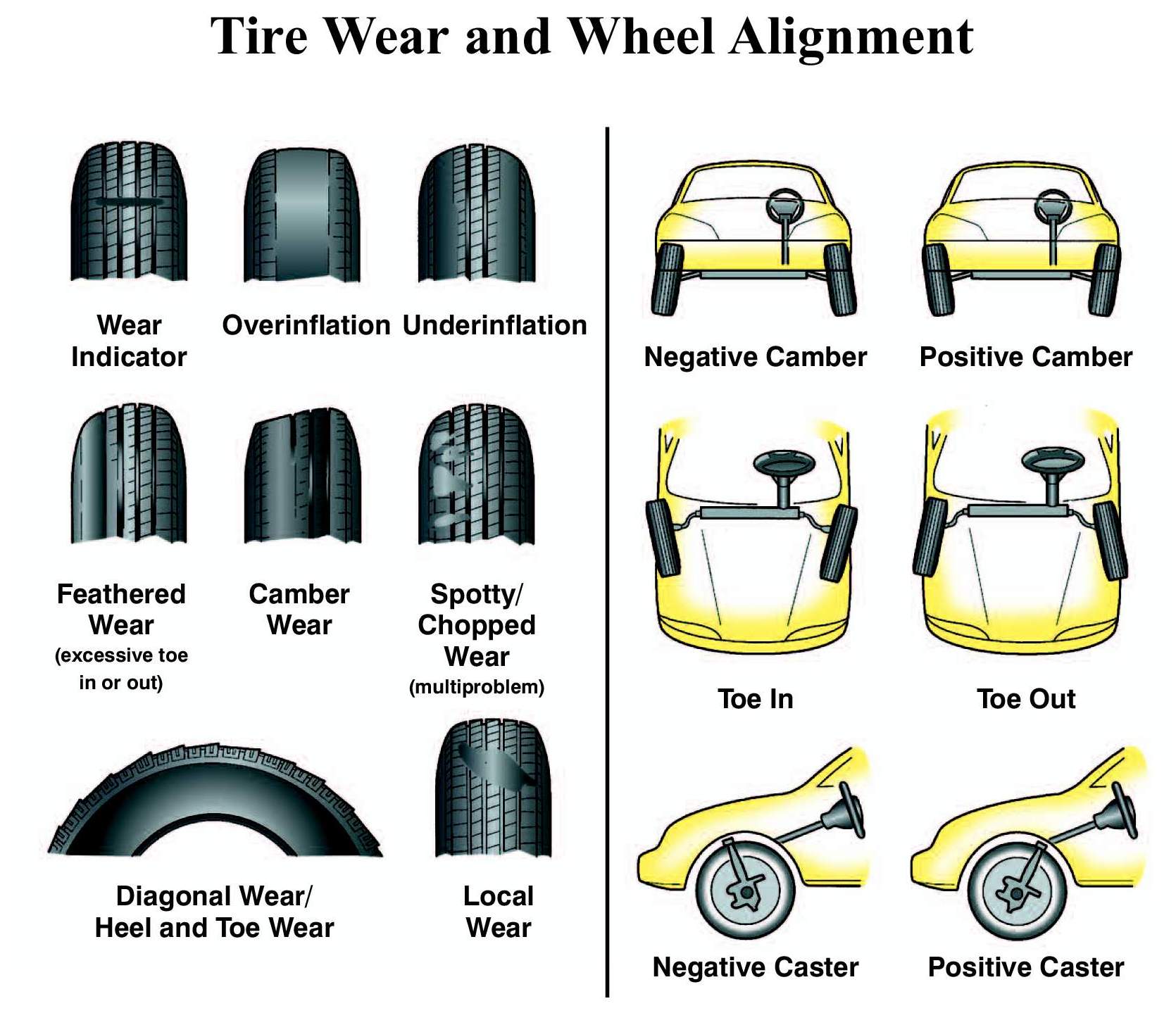
- Camber: This refers to the inward or outward tilt of the wheel when viewed from the front of the vehicle.
- Negative Camber occurs when the top of the wheel tilts inward towards the vehicle. This can improve grip during cornering by distributing forces more evenly across the tire contact patch.
- Positive Camber occurs when the top of the wheel tilts outward. Excessive positive camber can lead to uneven tire wear on the outside edge and reduced stability. Proper camber ensures even tire wear and stable contact with the road under various driving conditions.
- Caster: This is the angle of the steering axis when viewed from the side of the vehicle. It’s the tilt of the steering pivot in relation to a vertical line.
- Positive Caster means the steering axis is tilted towards the rear of the vehicle at the top. This configuration provides directional stability, helping the wheels return to a straight-ahead position after turning, much like the caster wheels on a shopping cart. It also enhances steering feel and high-speed stability.
- Negative Caster (rare in modern vehicles) would mean the steering axis is tilted towards the front. Incorrect caster settings can lead to wandering, difficulty steering, or excessive steering effort.
- Toe: This is the most critical and frequently adjusted angle, referring to how parallel the wheels are to each other when viewed from above.
- Toe-in means the front edges of the wheels are closer together than the rear edges. A slight toe-in can improve straight-line stability.
- Toe-out means the front edges of the wheels are farther apart than the rear edges. A slight toe-out can aid in turn-in response.
Improper toe settings are a primary culprit for rapid and uneven tire wear, as the tires are constantly being dragged sideways while driving straight. Precision in toe adjustment ensures that tires roll freely and efficiently, reducing scrubbing and maximizing lifespan.
Why Alignment Matters: Beyond Just Straight Driving
The cumulative effect of these meticulously calibrated angles determines a vehicle’s handling characteristics, fuel efficiency, and tire longevity. An improperly aligned vehicle doesn’t just pull to one side; it can exhibit a range of issues from decreased steering response and reduced stability to premature wear of suspension components. In essence, alignment is the calibration that harmonizes the dynamic interaction between a vehicle’s tires, suspension, and steering system, ensuring they work in concert as intended by the manufacturer’s precise engineering specifications.
The Evolution of Alignment Technology: From Manual Checks to Digital Diagnostics
The process of wheel alignment has undergone a significant technological transformation, evolving from rudimentary manual methods to highly sophisticated, computer-aided diagnostic systems. This evolution mirrors the broader advancements in automotive technology, moving towards greater precision, efficiency, and data-driven insights.
From Manual Checks to Laser-Guided Systems
Early alignment procedures relied heavily on measuring tapes, strings, plumb bobs, and protractors. While these methods could provide basic adjustments, they were inherently prone to human error, lacked the fine precision required for modern vehicle specifications, and were time-consuming. The advent of optical systems, utilizing light beams and mirrors, marked a significant leap, offering improved accuracy and repeatability. However, it was the integration of laser technology that truly revolutionized the field. Laser alignment systems provided unprecedented levels of precision, projecting exact beams of light to measure minute deviations in wheel angles, translating to more accurate adjustments and better vehicle performance.
The Role of Advanced Sensors and Software
Today’s state-of-the-art alignment systems are complex pieces of diagnostic equipment, integrating a suite of advanced sensors, high-resolution cameras, and powerful software platforms.
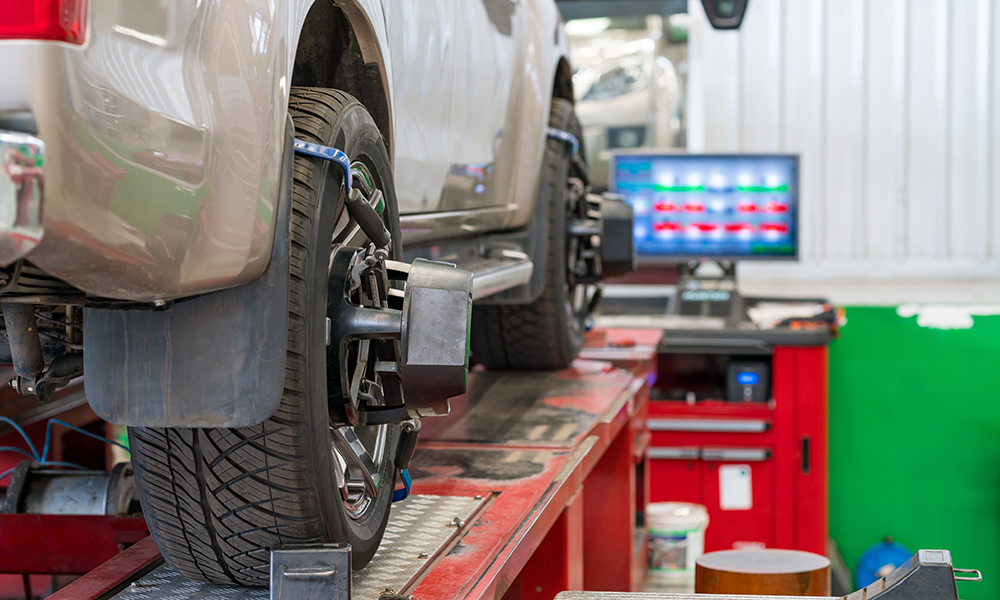
- 3D Imaging Sensors and Cameras: These systems use high-definition cameras mounted on sensor heads that attach to each wheel. They capture multiple images from different angles, creating a precise 3D model of the vehicle’s wheel and suspension geometry. This allows for instantaneous and comprehensive measurement of all critical angles (camber, caster, toe, thrust angle, setback, etc.) relative to the vehicle’s geometric center and not just relative to each other.
- Integrated Software Platforms: The data collected by these sensors is fed into sophisticated software, often running on dedicated computer systems. This software contains extensive databases of manufacturer specifications for virtually every make and model of vehicle. It processes the raw sensor data, compares it against the OEM specifications, and provides technicians with real-time visual diagnostics. The software highlights which angles are out of specification, calculates the exact adjustments needed, and often guides the technician through the adjustment process with animated instructions. This eliminates guesswork and ensures adherence to precise factory parameters.
- Run-out Compensation Technology: A crucial technological advancement is “run-out compensation.” This process electronically compensates for any minor imperfections or eccentricity in the wheels or wheel clamps themselves. By spinning the wheels or gently rocking the vehicle, the system measures and accounts for these anomalies, ensuring that the alignment measurements are based solely on the true suspension geometry, not on wheel imperfections. This level of meticulous calibration is impossible with older, less technologically advanced systems.
The Modern Alignment Process: A Digital Diagnostic
The contemporary four-wheel alignment is less about manual tweaking and more about a precise digital diagnostic and calibration procedure. It’s a testament to how technology has enhanced an essential maintenance task, making it more accurate, efficient, and reliable.
Pre-Alignment Checks and Diagnostics
Before any adjustments are made, a skilled technician performs a thorough pre-alignment inspection. This critical diagnostic phase utilizes experience alongside digital tools.
- Visual Inspection: The technician inspects the tires for abnormal wear patterns, checks tire pressure, and examines the suspension components (ball joints, tie rods, bushings, shocks/struts) for any looseness, damage, or wear. Worn or damaged components must be addressed before an alignment can be performed, as they would render the alignment ineffective or impossible.
- Computerized Diagnostics: The vehicle is then mounted onto a specialized alignment rack, and sensor heads are attached to each wheel. The technician initiates the alignment software, which guides them through the initial data collection. This involves measures like rolling run-out compensation, where the vehicle is often gently rolled or lifted slightly to gather precise initial data on wheel orientation, free from the influence of wheel imperfections.
Step-by-Step: How Digital Alignment Systems Work
Once the initial data is collected and compensated for run-out, the digital alignment system takes over as the primary guide.
- Real-Time Data Display: The computer screen displays a comprehensive, graphical representation of the vehicle’s current alignment angles, highlighting in real-time which measurements are outside the manufacturer’s acceptable range. This immediate visual feedback is invaluable for the technician.
- Guided Adjustment Process: The software then guides the technician through the necessary adjustments. Using wrenches and other tools, the technician modifies the suspension components (e.g., tie rods for toe adjustment, eccentric bolts for camber/caster) while observing the real-time changes on the computer screen. This live feedback allows for extremely precise adjustments, ensuring that each angle is brought precisely into specification.
- Four-Wheel Simultaneous Measurement: A key advantage of modern four-wheel alignment systems is their ability to measure and display all four wheels simultaneously. This allows technicians to understand the interdependencies between the wheels and ensure that adjustments to one wheel do not inadvertently throw another out of specification. This holistic approach ensures a perfectly balanced alignment across the entire vehicle.
Post-Alignment Verification and Reporting
After all adjustments have been made and confirmed to be within manufacturer specifications, the alignment process concludes with a verification stage.
- Final Data Capture: The system captures the final alignment readings, confirming that all parameters are now within the green (acceptable) zone.
- Detailed Printout: Most modern systems generate a comprehensive printout or digital report. This report typically includes “before” and “after” readings for all alignment angles, clearly demonstrating the adjustments made and providing tangible proof of the service performed. This transparency builds customer trust and serves as a valuable record for future maintenance.
Benefits Driven by Technological Precision
The high degree of accuracy offered by modern alignment technology translates into a multitude of tangible benefits for the vehicle owner, impacting everything from daily driving experience to long-term operational costs.
Enhanced Vehicle Performance and Safety
A properly aligned vehicle drives precisely as its engineers intended.
- Improved Handling and Steering Response: With all wheels tracking correctly, the vehicle will steer true, exhibit predictable handling characteristics, and respond crisply to driver input. This means better control, especially during emergency maneuvers or adverse weather conditions.
- Increased Stability: Correct alignment eliminates the tendency for a vehicle to pull or drift, contributing significantly to straight-line stability and reducing driver fatigue on long journeys. This also translates to a safer driving experience, as the vehicle maintains its intended trajectory with less effort.
Maximizing Tire Life and Fuel Efficiency
These are two of the most significant economic benefits derived from a technologically precise alignment.
- Extended Tire Lifespan: Misaligned wheels cause tires to drag, scrub, and wear unevenly and rapidly. By ensuring that tires are making optimal contact with the road and rolling freely, alignment dramatically extends tire life, saving owners hundreds, if not thousands, of dollars over the lifetime of a vehicle. Uneven wear patterns are often the first sign of an alignment issue.
- Optimized Fuel Efficiency: When wheels are misaligned, the engine has to work harder to propel the vehicle, as some of the tire’s energy is lost to scrubbing and friction rather than forward motion. A properly aligned vehicle reduces this rolling resistance, leading to improved fuel economy. While the savings per tank might seem small, they accumulate significantly over time, making alignment a smart investment for both the wallet and the environment.
Long-Term Vehicle Health and Value
Beyond immediate performance, a consistent alignment schedule contributes to the overall health and longevity of the vehicle.
- Reduced Wear on Suspension Components: When wheels are out of alignment, the suspension components are subjected to undue stress and premature wear. Correct alignment mitigates this stress, prolonging the life of expensive parts like ball joints, bushings, and shock absorbers.
- Preservation of Resale Value: A vehicle that has been well-maintained, including regular alignments, will typically command a higher resale value. It demonstrates to potential buyers that the previous owner cared for the vehicle’s fundamental mechanical integrity.
When to Seek a Digital Alignment Diagnosis
Understanding when to have your vehicle’s alignment checked is just as important as understanding the process itself. Modern diagnostics make identifying and correcting issues straightforward.
Warning Signs and Performance Degradation
Several indicators suggest that your vehicle might be suffering from misalignment:
- Uneven or Rapid Tire Wear: This is often the most common and earliest sign. Look for wear on one edge of the tire more than the other, or feathered wear patterns.
- Vehicle Pulling to One Side: If you notice your vehicle consistently drifting or pulling to the left or right when driving on a straight, flat road, it’s a strong indicator of misalignment.
- Crooked Steering Wheel: If your steering wheel isn’t centered when driving straight, but the car is, it suggests an alignment issue.
- Loose or Wandering Steering: If the steering feels vague, or the car seems to wander on the road, an alignment check is warranted.
- Squealing Tires: While often a sign of aggressive driving, tires that squeal excessively even during moderate turns can indicate misalignment.
Preventative Maintenance Schedules and Best Practices
Even without obvious symptoms, regular alignment checks are a cornerstone of preventative maintenance.
- After Major Suspension Work: Any time significant suspension or steering components are replaced or repaired (e.g., tie rods, ball joints, control arms, steering rack), an alignment is absolutely essential.
- After Hitting a Pothole or Curb: Significant impacts can easily throw alignment angles out of specification.
- When Replacing Tires: It’s highly recommended to perform an alignment whenever new tires are installed to ensure they wear evenly from the start and maximize their lifespan. Many tire warranties are contingent upon regular alignment.
- Regular Intervals: Most automotive experts recommend an alignment check every 12,000 to 15,000 miles, or at least once a year, as part of routine vehicle maintenance. This proactive approach ensures minor deviations are corrected before they lead to significant problems.
In conclusion, a four-wheel alignment is a sophisticated technological procedure that leverages advanced sensors, 3D imaging, and powerful software to precisely calibrate a vehicle’s wheel angles. It’s a critical investment in a vehicle’s safety, performance, tire longevity, and overall operational efficiency. By embracing these digital diagnostic capabilities, drivers can ensure their vehicles operate at peak condition, embodying the perfect harmony of engineering and technology.
aViewFromTheCave is a participant in the Amazon Services LLC Associates Program, an affiliate advertising program designed to provide a means for sites to earn advertising fees by advertising and linking to Amazon.com. Amazon, the Amazon logo, AmazonSupply, and the AmazonSupply logo are trademarks of Amazon.com, Inc. or its affiliates. As an Amazon Associate we earn affiliate commissions from qualifying purchases.