
In the landscape of modern beverage marketing, few names evoke as much immediate recognition, nostalgia, and polarizing debate as Four Loko. To the casual observer, it is a high-alcohol malt beverage packaged in vibrant, oversized cans. However, to a brand strategist or marketing professional, Four Loko represents one of the most fascinating case studies in disruptive branding, niche positioning, and crisis management in the 21st century.
Launched in 2005 by Phusion Projects, Four Loko did not just enter the market; it exploded into the cultural zeitgeist. By examining the brand’s trajectory—from its “infamous” origins to its strategic pivots in the face of federal bans—we can uncover profound insights into how a brand can cultivate a cult-like following while navigating the treacherous waters of public scrutiny and regulatory intervention.
The Anatomy of a Disruptive Brand Identity
The success of Four Loko was never an accident of chemistry; it was a triumph of deliberate brand architecture. While legacy beer brands were focused on tradition, heritage, and “refreshment,” Four Loko’s creators, Chris Hunter, Jeff Wright, and Jaren Bertelsen, identified a massive void in the market: a product that mirrored the high-energy, chaotic, and experimental nature of youthful nightlife.
The “Loko” Aesthetic: Visual Design and Packaging
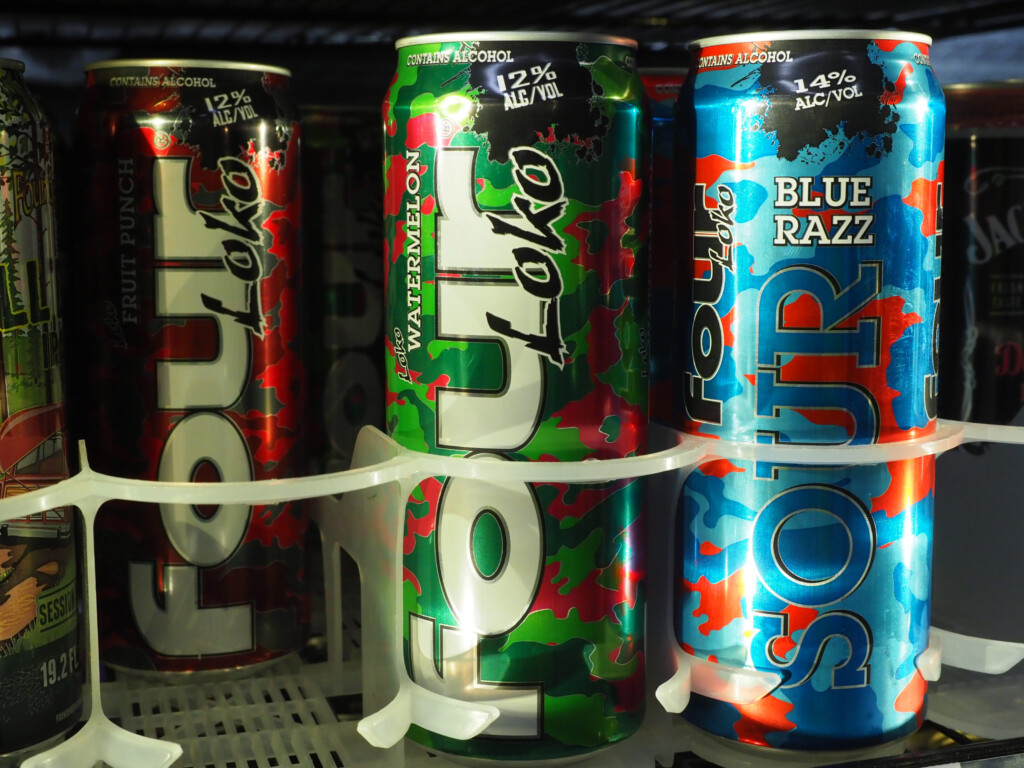
The first touchpoint of the Four Loko brand is its visual identity. In a retail environment dominated by the subdued blues and reds of domestic lagers, Four Loko’s 24-ounce cans utilized neon camouflage patterns, electric oranges, and lime greens. The design was intentional. It utilized a “disruptive shelf presence” strategy, ensuring that even in a crowded cooler, the product was impossible to ignore. The brand identity signaled “intensity” and “adventure,” qualities that resonated deeply with its primary demographic.
Targeting the Gen Z and Millennial Demographic
Four Loko’s marketing strategy was a masterclass in psychographic targeting. Rather than appealing to a broad audience, the brand leaned into a specific subculture of “pre-gamers” and festival-goers. The brand didn’t just sell a drink; it sold an experience—specifically, an affordable, high-impact catalyst for social gatherings. By positioning itself as the “limit-pusher” of the beverage world, Four Loko created a brand personality that felt like a peer rather than a corporate entity.
The Marketing of Controversy: How Scandal Fueled Awareness
One of the most intriguing aspects of the Four Loko brand history is how it leveraged negative publicity to build brand equity. In the world of marketing, there is a fine line between “fame” and “infamy,” and Four Loko lived on that edge for years.
The Viral “Blackout in a Can” Reputation
In its original formulation, Four Loko contained a potent mix of alcohol, caffeine, taurine, and guarana. This combination earned it the colloquial nickname “Liquid Cocaine” or “Blackout in a Can.” While these monikers would have been a PR nightmare for a brand like Coca-Cola or Heineken, they served as organic, high-octane marketing for Four Loko. The controversy created a “forbidden fruit” effect. The more the media decried the dangers of the drink, the more the brand’s target audience felt compelled to seek it out as a rite of passage.
Leveraging Word-of-Mouth over Traditional Advertising
Four Loko famously spent very little on traditional television or print advertising during its meteoric rise. Instead, the brand relied on organic word-of-mouth and the early stages of social media virality. By allowing the consumer to define the brand through urban legends and party stories, Phusion Projects maintained an “underground” credibility that money couldn’t buy. This “earned media” was worth tens of millions of dollars, effectively turning a small startup into a national powerhouse within a few short years.
Crisis Management and the Strategic Pivot

The ultimate test for any brand is how it handles an existential threat. For Four Loko, that threat arrived in 2010 when the FDA and the FTC issued warnings, and several states moved to ban the product, citing health risks associated with mixing high levels of caffeine with alcohol.
Navigating Regulatory Roadblocks and the 2010 Formula Change
Many analysts predicted the death of the brand when Phusion Projects was forced to remove caffeine, taurine, and guarana from the recipe. From a product standpoint, the “Four” in Four Loko was effectively gone. However, from a brand standpoint, the identity was stronger than ever. The company handled the crisis with a blend of compliance and brand preservation. They rebranded the “Four” to represent the four founders or the four original ingredients in spirit, ensuring that the name—which held massive market value—remained intact.
Maintaining Brand Equity in a Post-Caffeine Era
The pivot proved that Four Loko was no longer tied to its ingredients, but to its “Loko” persona. The brand survived the formula change because it had successfully built a “lifestyle brand” rather than just a “product brand.” Consumers stayed loyal not because they missed the caffeine, but because they identified with the brand’s rebellious, unapologetic ethos. This transition is a key lesson for brand managers: when your product must change, your brand story must remain consistent to retain customer loyalty.
Market Expansion and Line Extensions
In the years following the formula change, Four Loko did not settle for mere survival; it entered a phase of aggressive brand extension. This period saw the brand maturing from a one-trick pony into a diversified beverage portfolio.
Diversifying the Product Portfolio: From Seltzers to Spirits
As the “Hard Seltzer” craze took over the market in the late 2010s, Four Loko didn’t sit on the sidelines. However, true to its brand identity, it didn’t release a standard 5% ABV seltzer. It launched the “Four Loko Hard Seltzer” at 12% ABV, marketing it as the “hardest seltzer in the world.” This move was a brilliant application of brand consistency—taking a new trend and “Loko-fying” it to meet the expectations of their existing fan base. Furthermore, the brand expanded into “Four Loko Pregame” shots and high-proof spirits, capturing more “share of throat” across different drinking occasions.
Global Reach and Cultural Localization
Four Loko’s brand strategy also involved successful international expansion. In markets like China, the brand was marketed as an “entry-level” Western party drink, often sold in high-end clubs at a premium. By adjusting its positioning from a “budget-friendly party starter” in the U.S. to an “edgy American import” abroad, the brand demonstrated remarkable flexibility in its corporate identity.
Lessons for Modern Brand Strategists
The story of Four Loko offers several vital takeaways for anyone involved in brand strategy, marketing, or corporate identity. It serves as a reminder that in a crowded marketplace, being “safe” is often riskier than being “bold.”
The Power of Niche Dominance
Four Loko never tried to be everything to everyone. It accepted that a large portion of the population would dislike the brand. By embracing its role as the “villain” or the “disruptor,” it secured 100% of the loyalty of its niche. In branding, it is often better to be loved by 10% and ignored by 90% than to be “liked” by everyone. The brand’s ability to own the “high-ABV, high-intensity” niche has protected it from competitors who are too afraid of public backlash to enter the space.

Resilience in the Face of Public Backlash
The most significant lesson from Four Loko is the importance of brand resilience. Most brands would have folded under the pressure of federal investigations and national bans. Four Loko survived because it had built a culture around the product that was separate from the product itself. They communicated transparently with their distributors, pivoted their manufacturing processes overnight, and doubled down on their core identity when the world told them to change.
In conclusion, “What is a Four Loko?” is a question with two answers. Economically and physically, it is a malt beverage. But from a brand strategy perspective, it is a masterclass in audacity. It is a brand that looked at the rules of the beverage industry, broke them, survived the consequences, and emerged as a permanent, high-revenue fixture in the global market. Whether you admire the brand or not, its ability to maintain a consistent identity through extreme volatility is a feat that every modern marketer should study.
aViewFromTheCave is a participant in the Amazon Services LLC Associates Program, an affiliate advertising program designed to provide a means for sites to earn advertising fees by advertising and linking to Amazon.com. Amazon, the Amazon logo, AmazonSupply, and the AmazonSupply logo are trademarks of Amazon.com, Inc. or its affiliates. As an Amazon Associate we earn affiliate commissions from qualifying purchases.