
In the intricate tapestry of nation-building and geopolitical strategy, the concept of a “forward capital” stands as a monumental declaration of intent, a physical manifestation of a country’s evolving corporate identity. More than a simple change of address for government functions, a forward capital is a strategically relocated administrative center, often moved from a historically entrenched city to a new, sometimes undeveloped, location with specific national objectives in mind. It’s a profound act of national branding, signaling a nation’s aspirations, priorities, and a bold vision for its future.
Unlike organic urban growth or a reactive shift due to disaster, a forward capital is a deliberate, proactive decision. It’s an investment in national unity, regional development, and the assertion of sovereignty, meticulously designed to redefine a nation’s internal cohesion and external projection. From the architectural grandeur to the strategic positioning, every aspect of a forward capital is meticulously planned to reinforce a specific narrative about the nation it serves, making it a powerful tool in a country’s long-term brand strategy.

The Strategic Imperative: Beyond Mere Relocation
The decision to establish a forward capital is never taken lightly. It involves immense financial investment, political will, and a profound understanding of a nation’s internal dynamics and external challenges. The underlying motives are deeply strategic, aiming to resolve deep-seated national issues or project a new image onto the global stage. These motivations directly inform the “brand message” the new capital is intended to convey.
Unifying a Divided Nation
One primary driver for a forward capital is to foster national unity. Historically, a nation’s core population and economic activity might be concentrated in one region, leading to a sense of marginalization in others. By moving the capital to a more central, or even a contested peripheral, location, the government aims to bridge these divides. This acts as a powerful branding exercise, signaling to all citizens that their region is valued, and that the central government is committed to equitable development across the entire national territory. It’s a symbolic act designed to weave disparate cultural or ethnic groups into a cohesive national identity. The new capital becomes a neutral ground, a shared symbol that transcends regional loyalties.
Asserting Sovereignty and Geopolitical Vision
A forward capital can also be a potent geopolitical statement. In regions with disputed territories, contested borders, or strategic vulnerabilities, establishing a new capital in a frontier zone can be a definitive assertion of sovereignty. It plants the flag, so to speak, in a physically significant location, sending an unequivocal message to both internal and external audiences about a nation’s territorial claims and its resolve to develop and integrate these areas. This brand message is one of strength, unwavering territorial integrity, and forward-looking strategic planning. It aims to solidify the nation’s “brand presence” in critical areas.
Catalyzing Regional Development
Often, existing capitals suffer from overpopulation, congestion, and a disproportionate concentration of wealth and power. A forward capital offers an opportunity to alleviate these pressures and, crucially, to stimulate economic growth and infrastructure development in an underdeveloped region. By relocating the seat of government, it creates a new growth pole, attracting investment, businesses, and populations to areas previously overlooked. This “economic branding” strategy promotes regional balance, diversifies economic opportunities, and fosters a more evenly distributed national prosperity, creating a narrative of inclusive progress and opportunity for all citizens.
A Nation’s Identity Forged Anew
The very act of creating a forward capital is a radical reimagining of a nation’s identity. It allows for a break from historical baggage, existing urban planning challenges, and established power structures. The new capital becomes a blank canvas upon which a nation can paint its desired future. This is where brand strategy truly comes into play, as every design choice, every symbolic gesture, contributes to the overarching narrative.
Symbolism as a Branding Tool
The architecture, urban layout, and even the naming of a forward capital are laden with symbolic meaning, carefully chosen to reinforce the nation’s core values and aspirations. Grand monuments, modernist designs, and meticulously planned civic spaces become powerful brand assets. They are designed to inspire awe, foster national pride, and communicate specific messages about a nation’s modernity, stability, and cultural heritage. This visual branding is crucial for both internal cohesion and external perception, projecting an image of confidence and purpose. The capital itself becomes the ultimate brand ambassador.
Crafting a Modern National Narrative
An existing capital carries centuries of history, triumphs, and sometimes, failures. A forward capital offers an unparalleled opportunity to craft a fresh national narrative, one that looks firmly towards the future. It can symbolize a break from an colonial past, an embrace of democratic ideals, or a commitment to technological advancement. This new narrative is disseminated through media, education, and public discourse, shaping how citizens perceive their nation and how the nation wishes to be perceived by the international community. It’s a strategic rebranding exercise, repositioning the nation’s “corporate image” on the global stage.
The Brand Architecture of a New Capital
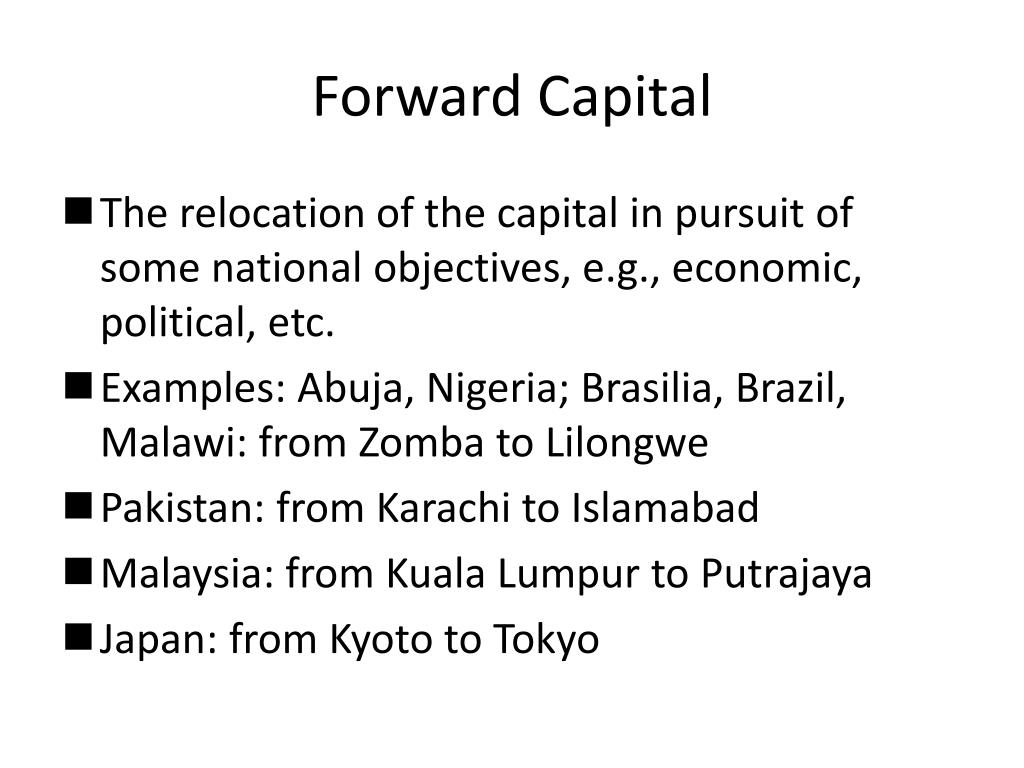
Building a forward capital is akin to developing a comprehensive brand architecture from the ground up. Every element, from the master plan to individual buildings, is part of a cohesive design strategy aimed at communicating a specific identity.
Design as a Statement
The architectural and urban design of a forward capital is perhaps its most tangible branding element. Unlike older cities that evolved organically, new capitals are often conceived by visionary architects and urban planners, embodying specific aesthetic principles and philosophies. Whether it’s the utopian modernism of Brasília or the futuristic aspirations of Nur-Sultan, the design speaks volumes. It reflects national pride, technological ambition, cultural distinctiveness, and often, a desire to impress. These designs are not merely functional; they are statements of intent, integral to the capital’s and, by extension, the nation’s corporate identity. They become iconic representations, instantly recognizable symbols that reinforce the national brand.
Marketing the Vision: Internal and External Messaging
Once conceptualized and constructed, a forward capital needs to be “marketed.” Internally, the government must persuade its citizens of the wisdom and benefits of the move, managing public perception and fostering acceptance. This involves campaigns highlighting national unity, economic opportunity, and the new capital as a symbol of shared future. Externally, the capital becomes a key element in a nation’s public diplomacy, attracting foreign investment, tourism, and projecting an image of stability and progress. International media, diplomatic exchanges, and cultural events held in the new capital all serve to cement its, and the nation’s, updated brand image on the world stage.
Case Studies in National Rebranding
History offers compelling examples of nations that have embarked on the ambitious project of establishing a forward capital, each with its unique strategic branding objectives and outcomes.
Brasília, Brazil: The Concrete Utopia
Perhaps the most famous example, Brasília was inaugurated in 1960. Brazil moved its capital from the coastal, European-influenced Rio de Janeiro to the geographically central, undeveloped cerrado interior. The vision was to open up the interior, integrate the vast country, and present a modern, unified Brazil to the world. Designed by Lúcio Costa and Oscar Niemeyer, its striking modernist architecture and aeroplane-shaped layout were a bold statement of futurism and progress. Brasília became a symbol of national ambition, a concrete embodiment of Brazil’s desire to assert its place among developed nations. While it succeeded in opening the interior and creating a new economic pole, its stark modernity and artificiality have also been subjects of debate regarding its “liveability” and connection to traditional Brazilian culture.
Naypyidaw, Myanmar: A Secluded Center
In 2005, Myanmar abruptly moved its capital from Yangon to Naypyidaw, a vast, purpose-built city in a more central location. The motivations were complex, ranging from security concerns and strategic centrality to a desire to escape the perceived political influence of the former capital. Naypyidaw is characterized by its immense, often empty, boulevards and isolated government buildings. Its brand message is less about public engagement and more about centralized control, security, and a break from the colonial-era legacy of Yangon. It projects an image of self-sufficiency and strategic autonomy, albeit one often criticized for its lack of public vibrancy and immense cost relative to its apparent utility.
Astana (now Nur-Sultan), Kazakhstan: The Oasis in the Steppe
Kazakhstan moved its capital from Almaty to Astana (renamed Nur-Sultan in 2019) in 1997. The move was driven by a desire to consolidate power in a more central location, foster a distinct Kazakh identity post-Soviet rule, and assert sovereignty over the northern steppes which have a significant ethnic Russian population. Nur-Sultan rapidly transformed from a provincial town into a futuristic metropolis, featuring iconic architecture by renowned international designers. It serves as a powerful brand statement of Kazakhstan’s ambition, modernity, and aspiration to be a significant player on the international stage, particularly in energy and regional politics. Its stunning skylines and grand projects aim to project an image of dynamism and forward-thinking leadership.
Challenges and Criticisms: The Brand Risk
Despite their grand visions, forward capitals are not without their challenges, and these challenges can pose significant risks to the intended national brand.
Cost Versus Benefit in Brand Equity
The colossal financial outlay required to build a forward capital can be a significant burden on national resources. Critics often question whether the perceived benefits in national unity, development, or strategic assertion truly justify the expenditure, especially in developing nations with pressing social needs. If the new capital fails to achieve its strategic objectives or becomes a white elephant, it can lead to public resentment and damage the government’s credibility, thereby eroding the very national brand equity it sought to build.

Public Perception and Acceptance
For a forward capital to truly succeed as a national brand symbol, it must be embraced by its citizens. A capital that feels artificial, distant, or disconnected from the lived realities of the populace can struggle to foster a sense of belonging and pride. Public perception, both internal and external, is crucial for the new capital to effectively embody the national identity and fulfill its strategic branding role. Without genuine buy-in, even the most architecturally impressive capital can fail to resonate as the heart of a nation.
aViewFromTheCave is a participant in the Amazon Services LLC Associates Program, an affiliate advertising program designed to provide a means for sites to earn advertising fees by advertising and linking to Amazon.com. Amazon, the Amazon logo, AmazonSupply, and the AmazonSupply logo are trademarks of Amazon.com, Inc. or its affiliates. As an Amazon Associate we earn affiliate commissions from qualifying purchases.