
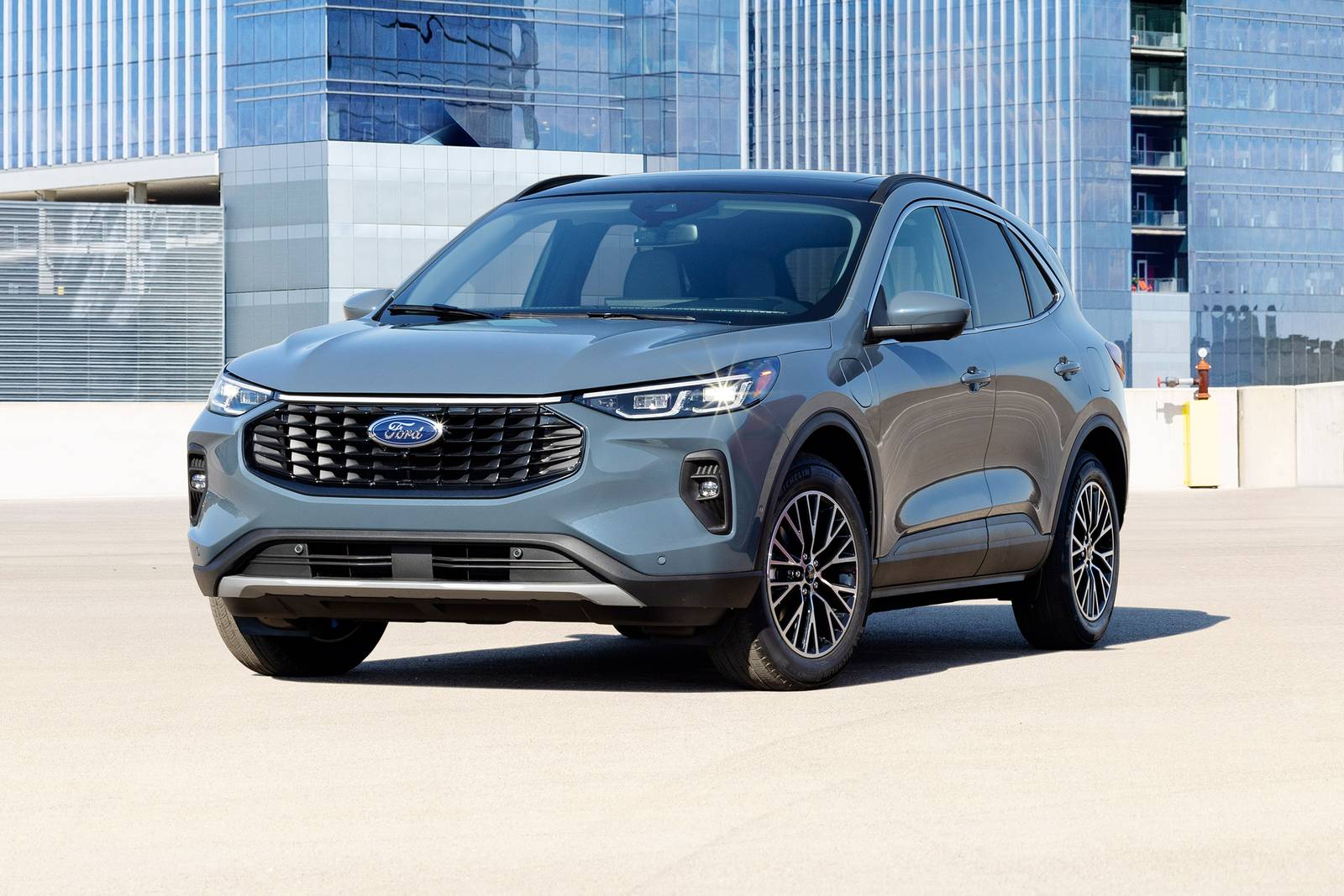
The Ford Escape stands as one of the most significant case studies in automotive brand strategy. Since its inception, the vehicle has functioned not merely as a mode of transportation, but as a pivot point for Ford’s corporate identity, illustrating how a legacy manufacturer successfully pivoted from traditional trucks to the booming consumer-driven SUV market. Understanding the Ford Escape requires looking past the chassis and engine specifications to analyze how a brand manages product life cycles, targets shifting demographics, and maintains equity in a hyper-competitive landscape.
The Genesis of a Brand Pillar: Market Identification and Identity
When Ford introduced the Escape at the turn of the millennium, the automotive industry was undergoing a seismic shift. The traditional American preference for large-bodied, body-on-frame SUVs was beginning to clash with rising fuel costs and urban density. Ford’s brand strategy team identified a gap in the market for a “compact” SUV that maintained the rugged aesthetic and commanding seating position of an off-roader while offering the handling dynamics and fuel efficiency of a passenger sedan.
Aligning Product Design with Consumer Desire
The naming convention itself—”Escape”—was a masterclass in lifestyle branding. Unlike alphanumeric designations or names implying raw labor, “Escape” positioned the vehicle as a portal to personal freedom and weekend leisure. It signaled to the suburban consumer that their vehicle was not just for the commute, but for the life they hoped to lead on the weekends. This branding effort aligned perfectly with a broader corporate shift: moving the Ford identity away from being strictly a truck-maker to becoming a versatile provider of lifestyle-oriented transportation.
Establishing the Crossover Archetype
By leveraging a unibody platform, Ford defined what would eventually become the modern crossover segment. This decision was a fundamental exercise in corporate identity, signaling that the brand was listening to the data. By prioritizing versatility—cargo capacity, ease of parking, and car-like ergonomics—Ford built a bridge between their customer base and a changing world. This era of the Escape established a recurring theme in Ford’s brand history: the ability to standardize excellence across a mass-market platform while maintaining enough design differentiation to appeal to distinct demographic segments.
Lifecycle Management: Sustaining Equity Through Iteration
A significant challenge in brand management is the “middle-age crisis” of a successful product. When a vehicle becomes a staple, it risks becoming invisible. The Ford Escape’s evolution demonstrates the importance of continuous brand refreshment to prevent obsolescence in the eyes of the consumer.
Design Evolution as Brand Narrative
Each redesign of the Ford Escape has served as a visual marker for the company’s technological and aesthetic values. The transition from the boxy, utilitarian aesthetics of the early 2000s to the sleek, aerodynamic silhouettes of later models mirrors Ford’s broader corporate transition toward globalized design languages. This visual shift is crucial for brand strategy; it ensures that the vehicle feels contemporary without alienating the legacy buyers who associate the nameplate with reliability.

Leveraging Tech as a Brand Differentiator
In later iterations, the Escape became the laboratory for Ford’s integration of infotainment and connectivity. By embedding the SYNC system and driver-assist features into the Escape early on, Ford rebranded the vehicle as a “smart” companion. This was a strategic pivot: the company began selling the vehicle not just on horsepower or towing capacity, but on the software experience. In doing so, Ford effectively shifted its market positioning from a hardware manufacturer to a tech-enabled mobility provider. This strategy allowed the brand to command a premium price point while appealing to younger, tech-savvy demographics who prioritize digital integration as much as mechanical performance.
The Strategic Role of Segmentation and Targeting
The Ford Escape is a quintessential example of how a brand maintains market share through targeted sub-branding and tiered offerings. By creating different trim levels—ranging from the stripped-down, cost-effective base models to the feature-laden, near-luxury Titanium or Platinum variants—Ford is essentially managing multiple brands under one nameplate.
Managing Internal Competition
Strategic brand architecture involves ensuring that the Escape does not cannibalize other products in the Ford portfolio, such as the Edge or the Explorer. The brand team meticulously positions the Escape as the “goldilocks” solution: large enough for small families, yet small enough to avoid the parking anxieties associated with larger SUVs. By maintaining this clear tiering, Ford protects the distinct value proposition of each vehicle, ensuring that customers graduate through the brand hierarchy rather than abandoning it for a competitor when their life circumstances change.
The Hybrid Pivot: Responding to Ethical Consumption
Perhaps the most crucial strategic move in the Escape’s history was the early adoption of hybrid powertrains. By branding the Escape Hybrid as an eco-conscious alternative, Ford successfully captured a segment of the market that felt guilty about the environmental impact of traditional SUVs. This was a pivotal moment in corporate brand identity—transitioning from “heavy industry” to “responsible steward.” This decision cemented the Escape’s status as a forward-thinking brand, allowing it to compete with imports that had traditionally dominated the fuel-efficiency narrative. It showcased how Ford could use its manufacturing scale to democratize technology that was, at the time, still considered niche.
Future-Proofing: The Escape in the Era of Electric Transformation
As the automotive industry pivots toward full electrification, the role of established nameplates like the Ford Escape is being redefined. The current strategy for the Escape acts as a buffer during this transition period. It serves as a constant, reliable revenue stream that funds the company’s aggressive R&D in EV technology.
Maintaining Brand Resonance During Disruptive Shifts
The challenge for the brand team now is to keep the Escape relevant while the focus of the company shifts toward models like the Mustang Mach-E and the F-150 Lightning. To maintain the equity of the Escape brand, Ford must balance its role as a “reliable classic” with the pressure to innovate. This involves emphasizing the vehicle’s long-standing reputation for quality and safety, providing a secure “comfort zone” for customers who are not yet ready to make the jump to a pure electric vehicle.

Conclusion: The Lasting Value of an Iconic Nameplate
Ultimately, the Ford Escape is a masterclass in how a brand creates and sustains relevance over two decades. It has successfully navigated changing consumer tastes, evolving regulatory environments, and the rapid digitization of the vehicle interior. By treating the Escape as a dynamic asset—subject to constant strategic assessment, design updates, and market segmentation—Ford has ensured that the nameplate remains synonymous with the needs of the modern driver.
For marketers and business leaders, the Escape serves as a definitive case study in how to extend the life of a brand pillar. Its longevity is not a byproduct of chance, but the result of disciplined, data-driven decisions that prioritize the alignment between corporate capabilities and consumer identity. As long as Ford continues to treat the Escape as a vessel for the company’s latest innovations, the vehicle will retain its position as a central pillar in the brand’s expansive portfolio, proving that a strong product, when managed with long-term strategic intent, can withstand the relentless shifts of the global marketplace.
aViewFromTheCave is a participant in the Amazon Services LLC Associates Program, an affiliate advertising program designed to provide a means for sites to earn advertising fees by advertising and linking to Amazon.com. Amazon, the Amazon logo, AmazonSupply, and the AmazonSupply logo are trademarks of Amazon.com, Inc. or its affiliates. As an Amazon Associate we earn affiliate commissions from qualifying purchases.