
Purchasing a home is often the most significant financial decision an individual or family will make in their lifetime. Central to this decision is understanding how you will finance that home, and for many, a 30-year fixed-rate mortgage stands out as the traditional and often preferred choice. But what exactly does “fixed mortgage rate for 30 years” mean, and why has it become such a cornerstone of the residential real estate market? At its core, this financial instrument offers a borrower the stability of a consistent interest rate over three decades, translating into predictable monthly payments regardless of market fluctuations. It’s a fundamental concept in personal finance, providing both security and a clear path to homeownership, but like all financial products, it comes with its own set of advantages, disadvantages, and considerations that prospective homeowners must thoroughly evaluate.

Understanding the Fundamentals of a Fixed-Rate Mortgage
To truly appreciate the 30-year fixed-rate mortgage, it’s essential to grasp its basic definition, how interest rates function within this structure, and the unparalleled stability it provides. This foundational understanding equips borrowers with the knowledge needed to make informed decisions about their long-term financial commitments.
Definition and Core Mechanism
A fixed-rate mortgage is a loan product where the interest rate on the loan remains constant for the entire term of the mortgage. In the case of a 30-year fixed-rate mortgage, this means the interest rate you agree upon at the time of closing will be the same rate you pay for all 360 months (30 years x 12 months/year) of your loan’s amortization schedule. Your monthly principal and interest payment will not change from the first payment to the last, assuming you don’t refinance, sell the home, or make extra principal payments. This predictability is a defining characteristic and a major draw for homeowners looking for budgeting certainty. The “fixed” aspect applies specifically to the interest rate, not necessarily to the total monthly payment, which can still vary slightly due to changes in property taxes and homeowners’ insurance premiums, typically held in an escrow account. However, the core principal and interest portion, which often makes up the largest segment of the payment, remains steadfast.
How Interest Rates Work Over Time
When you take out a fixed-rate mortgage, the interest rate you secure is determined by several factors prevailing at the time of application and closing. These include the broader economic climate, Federal Reserve policies, bond market performance, the lender’s risk assessment, your creditworthiness, and the loan-to-value (LTV) ratio. Once locked in, this rate does not fluctuate with market changes. If interest rates across the economy rise significantly a few years down the line, your mortgage rate remains untouched. Conversely, if market rates drop, your rate also remains unchanged, potentially making your initial rate less competitive. This dynamic is central to understanding the risk and reward profile of a fixed-rate loan; you insulate yourself from rising rates but also forgo the benefit of falling rates unless you opt to refinance. The amortization schedule of a 30-year fixed loan means that early payments are heavily skewed towards interest, with a smaller portion going towards principal. As the loan matures, this ratio gradually shifts, with more of each payment chipping away at the principal balance.
The Stability Factor
The most significant advantage of a 30-year fixed-rate mortgage is the unparalleled stability it offers to a homeowner’s personal finances. With a predictable monthly payment for principal and interest, homeowners can budget with confidence, knowing precisely what their largest housing expense will be for the next three decades. This stability is invaluable for long-term financial planning, allowing families to plan for other significant life events such as education, retirement, or other investments without the anxiety of potential mortgage payment hikes. This certainty can also act as a buffer against economic downturns or periods of inflation, where other variable expenses might rise. For many, this peace of mind outweighs potential opportunities to save money through more complex or variable financing options, making it a cornerstone of conservative personal finance strategies for homeownership.
Advantages and Disadvantages of a 30-Year Fixed-Rate Mortgage
While the stability of a 30-year fixed-rate mortgage is a compelling feature, it’s crucial to weigh its benefits against its potential drawbacks. A balanced perspective allows prospective homeowners to assess whether this popular mortgage product aligns with their financial goals and risk tolerance.
Benefits of Predictable Payments
The primary and most celebrated advantage of a 30-year fixed-rate mortgage is the unwavering predictability of its monthly payments for principal and interest. From the day you close on your home until the day you make your final payment 30 years later, this core portion of your housing expense remains constant. This consistency is a boon for household budgeting, eliminating the stress and uncertainty associated with fluctuating interest rates. Homeowners can plan their finances years in advance, making it easier to save, invest, or manage other debt obligations without the specter of an unexpected increase in their largest monthly expense. This stability is particularly comforting during periods of economic volatility or rising interest rates, as homeowners are insulated from market shifts that could impact variable-rate loans.
Protection Against Rate Hikes
One of the most significant protective features of a 30-year fixed-rate mortgage is its shield against future interest rate increases. Should the Federal Reserve decide to raise its benchmark rates, or if broader market conditions cause mortgage rates to climb, your fixed rate remains unaffected. This protection can save homeowners substantial amounts of money over the life of the loan, especially if rates trend upwards significantly after they’ve secured their loan. It essentially locks in your borrowing cost for three decades, providing an invaluable hedge against inflation and a rising cost of capital. This long-term insulation can be a powerful financial advantage, particularly for those who anticipate living in their home for many years.
The Trade-off: Higher Overall Cost
Despite its attractive stability, a 30-year fixed-rate mortgage often comes with a significant trade-off: a higher overall cost of borrowing compared to shorter-term options like a 15-year fixed mortgage, or sometimes even an adjustable-rate mortgage (ARM) in its initial fixed period. Lenders typically charge a slightly higher interest rate for a 30-year term because they are taking on more interest rate risk over a longer period. More importantly, extending payments over 30 years means you’ll pay interest for a much longer duration. Even with a seemingly small difference in the interest rate, the cumulative interest paid over three decades can amount to tens or even hundreds of thousands of dollars more than on a 15-year loan for the same principal amount. This extended amortization schedule means a larger proportion of your early payments goes towards interest rather than building equity.
Slower Equity Building
Related to the higher overall cost is the slower pace of equity accumulation with a 30-year fixed-rate mortgage. Because the payment schedule is stretched over 360 months, a smaller portion of each early monthly payment is allocated to paying down the principal balance. This means it takes longer for a homeowner to build substantial equity in their property through mortgage payments alone. While property appreciation can contribute to equity growth, relying solely on mortgage payments for equity building will be a gradual process. This slower equity growth can limit a homeowner’s financial flexibility, potentially delaying access to home equity loans or lines of credit, or reducing the amount of cash they could receive if they sell their home in the early years of the mortgage. For those focused on rapidly building wealth and reducing debt, this slower equity build-up can be a significant drawback.
Who Should Consider a 30-Year Fixed-Rate Mortgage?
Given its unique characteristics, the 30-year fixed-rate mortgage isn’t a one-size-fits-all solution. Certain demographics and financial profiles stand to benefit most from its predictability and long-term stability. Understanding who typically finds this loan appealing can help individuals determine if it’s the right choice for their own circumstances.
First-Time Homebuyers and Budget-Conscious Individuals
The 30-year fixed-rate mortgage is an incredibly attractive option for first-time homebuyers. For those just entering the housing market, often with limited savings and higher existing debt, the lower monthly payments associated with a longer repayment term can make homeownership more accessible and affordable. Stretching the repayment over 30 years results in smaller individual payments compared to a 15-year loan, freeing up cash flow for other essential expenses, home maintenance, or emergency savings. This affordability can be critical in qualifying for a loan and managing a household budget, especially during the initial phase of homeownership which often involves unexpected costs. Budget-conscious individuals, regardless of their homebuying experience, also appreciate the predictable payment structure, which simplifies financial planning and minimizes financial stress.
Long-Term Homeowners
Individuals who plan to stay in their home for an extended period, typically 7-10 years or more, are ideal candidates for a 30-year fixed-rate mortgage. For these homeowners, the stability of a fixed rate over a long duration provides invaluable protection against future interest rate hikes. If you anticipate living in the same home through various economic cycles, locking in a favorable rate for three decades ensures your primary housing expense remains constant, regardless of market volatility. This long-term perspective aligns perfectly with the loan’s design, allowing homeowners to fully realize the benefits of predictable payments and hedge against interest rate risk over a substantial period. Those who view their home as a long-term asset and a foundation for their family’s future often gravitate towards this option.
Those Seeking Simplicity and Peace of Mind
Beyond the financial mechanics, a significant appeal of the 30-year fixed-rate mortgage lies in the simplicity and peace of mind it offers. In a world of increasing complexity, having a predictable major expense can be a significant source of comfort. There’s no need to constantly monitor interest rate trends, worry about refinance opportunities, or stress about the possibility of payment adjustments, as is the case with adjustable-rate mortgages (ARMs). This straightforwardness allows homeowners to focus their energy and attention on other aspects of their financial lives, knowing that their mortgage payment is stable and secure. For individuals or families who prioritize stability, reduced financial anxiety, and straightforward budgeting, the 30-year fixed-rate mortgage is an excellent fit, providing a solid foundation for their long-term financial well-being.
Key Factors to Consider Before Committing
While the 30-year fixed-rate mortgage offers compelling advantages, making an informed decision requires a thorough evaluation of several critical factors. These considerations can significantly impact the long-term financial implications of your mortgage choice.
Current Interest Rate Environment
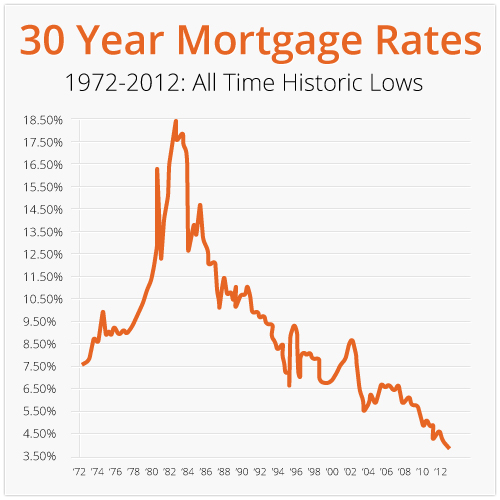
The prevailing interest rate environment is arguably the most crucial factor when considering a 30-year fixed-rate mortgage. When rates are historically low, locking in a fixed rate for three decades is particularly attractive, as it preserves a low borrowing cost for an extended period, insulating you from future rate increases. Conversely, if rates are exceptionally high, a fixed-rate mortgage might lock you into an elevated payment, potentially prompting you to consider an adjustable-rate mortgage with a lower initial rate, or simply waiting for rates to decline before buying. Understanding the current economic landscape, including inflation rates, Federal Reserve policy, and bond market performance, provides context for assessing whether it’s an opportune time to secure a long-term fixed rate. Consulting with a financial advisor or mortgage professional can offer valuable insights into market trends and their potential impact on your decision.
Your Financial Goals and Risk Tolerance
Your personal financial goals and inherent risk tolerance should heavily influence your mortgage choice. If your primary goal is long-term stability, predictable payments, and minimal financial risk, a 30-year fixed-rate mortgage is likely a strong contender. This option suits individuals who prioritize budget certainty over potentially lower payments or faster equity build-up. However, if you are comfortable with more risk, anticipate higher income growth, or plan to sell your home within a few years, other mortgage products like ARMs or 15-year fixed loans might align better with your aggressive financial strategies. Understanding your comfort level with fluctuating payments versus the security of a fixed rate is paramount. A lower monthly payment provided by the 30-year term might also allow you to allocate more funds towards other investments with potentially higher returns, which aligns with certain financial goals.
The Impact of Inflation and Economic Changes
Over 30 years, the economy is bound to experience significant shifts, including periods of inflation and deflation. A fixed-rate mortgage offers protection against rising interest rates, which often accompany inflation. However, the purchasing power of your fixed monthly payment effectively decreases over time due to inflation. This can be viewed as a positive, as you’re paying back the loan with “cheaper” dollars in the future. On the other hand, if a prolonged period of deflation were to occur (a rare but possible scenario), your fixed payment would become relatively more expensive in real terms. Economic changes also impact job security and income, highlighting the importance of having sufficient emergency savings, regardless of your mortgage type. A stable fixed payment allows you to better navigate these broader economic changes without the added stress of an unpredictable housing cost.
Refinancing Opportunities
While a 30-year fixed-rate mortgage is designed for long-term stability, it’s not necessarily a commitment set in stone. Should interest rates fall significantly after you’ve locked in your rate, refinancing becomes a viable option. Refinancing allows you to replace your existing mortgage with a new one, typically at a lower interest rate or with different terms. This can reduce your monthly payments, lower the total interest paid over the life of the loan, or even allow you to switch to a shorter term. However, refinancing involves closing costs, which must be weighed against the potential savings. It’s a strategic decision that depends on how long you plan to stay in the home, the current rate differential, and the costs associated with the new loan. Keeping an eye on market rates and understanding when refinancing makes financial sense is an important aspect of managing a long-term fixed-rate mortgage.
Comparing with Other Mortgage Options (Briefly)
Understanding the 30-year fixed-rate mortgage is further enhanced by briefly comparing it to its primary alternatives. This comparison highlights why the 30-year fixed option remains a popular choice despite other available structures.
Adjustable-Rate Mortgages (ARMs)
Adjustable-Rate Mortgages (ARMs) offer an initial fixed interest rate for a period (e.g., 5, 7, or 10 years), after which the rate adjusts periodically based on a chosen index plus a margin. The immediate appeal of an ARM is often a lower initial interest rate and thus a lower monthly payment compared to a 30-year fixed rate. This can be attractive for borrowers who anticipate selling their home before the fixed period ends, or who expect their income to rise significantly in the future, allowing them to absorb potential payment increases. However, the significant risk with an ARM is that after the initial fixed period, your interest rate and monthly payments can increase, sometimes substantially, if market rates rise. This introduces payment uncertainty, which is precisely what the 30-year fixed-rate mortgage aims to avoid.
15-Year Fixed-Rate Mortgages
A 15-year fixed-rate mortgage functions similarly to its 30-year counterpart in that the interest rate remains constant for the life of the loan. The key difference lies in the repayment term, which is half as long. This shorter term usually comes with a lower interest rate than a 30-year fixed mortgage, as the lender’s risk is reduced over a shorter period. The primary benefit of a 15-year fixed mortgage is significantly less interest paid over the life of the loan and much faster equity accumulation. However, the trade-off is a considerably higher monthly payment due to the compressed repayment schedule. This option is generally suited for borrowers with higher incomes or substantial savings who can comfortably afford the elevated payments and prioritize rapid debt reduction and wealth building.

Hybrid Options
Beyond the standard fixed and adjustable rates, there are also hybrid mortgage options that attempt to blend features of both. Some lenders offer interest-only mortgages for an initial period, or balloon mortgages that require a large lump-sum payment at the end of the term. While these can offer unique advantages for specific financial situations (e.g., real estate investors seeking to maximize cash flow), they often come with higher risks and complexities. For the average homeowner, the 30-year fixed-rate mortgage remains the gold standard for its simplicity, predictability, and long-term financial security, providing a straightforward and reliable path to homeownership compared to these more specialized and often riskier alternatives.
In conclusion, the 30-year fixed-rate mortgage is a powerful and widely utilized financial tool that provides unwavering stability and predictability for homeowners over a significant period. Its ability to lock in an interest rate for three decades offers invaluable protection against market volatility and simplifies personal budgeting. While it may entail a higher overall cost of interest and slower equity build-up compared to shorter-term options, its benefits of consistent payments and insulation from rising rates make it an attractive choice for first-time buyers, long-term residents, and anyone prioritizing peace of mind in their financial planning. A careful consideration of current interest rates, personal financial goals, and alternative mortgage products will ultimately guide whether this enduring fixture of the real estate market is the right fit for your homeownership journey.
aViewFromTheCave is a participant in the Amazon Services LLC Associates Program, an affiliate advertising program designed to provide a means for sites to earn advertising fees by advertising and linking to Amazon.com. Amazon, the Amazon logo, AmazonSupply, and the AmazonSupply logo are trademarks of Amazon.com, Inc. or its affiliates. As an Amazon Associate we earn affiliate commissions from qualifying purchases.