
The “Fire Hydrant” exercise has become a cornerstone of modern functional fitness, frequently appearing in fitness apps, home workout programs, and digital training platforms. While the name may sound eccentric to the uninitiated, its mechanics are rooted in precise anatomical isolation, specifically targeting the gluteus medius. As our digital landscape moves toward app-based coaching and remote personal training, understanding the technical execution and biomechanical utility of such exercises is essential for anyone looking to optimize their physical performance through structured, data-driven fitness routines.
The Biomechanics of the Fire Hydrant
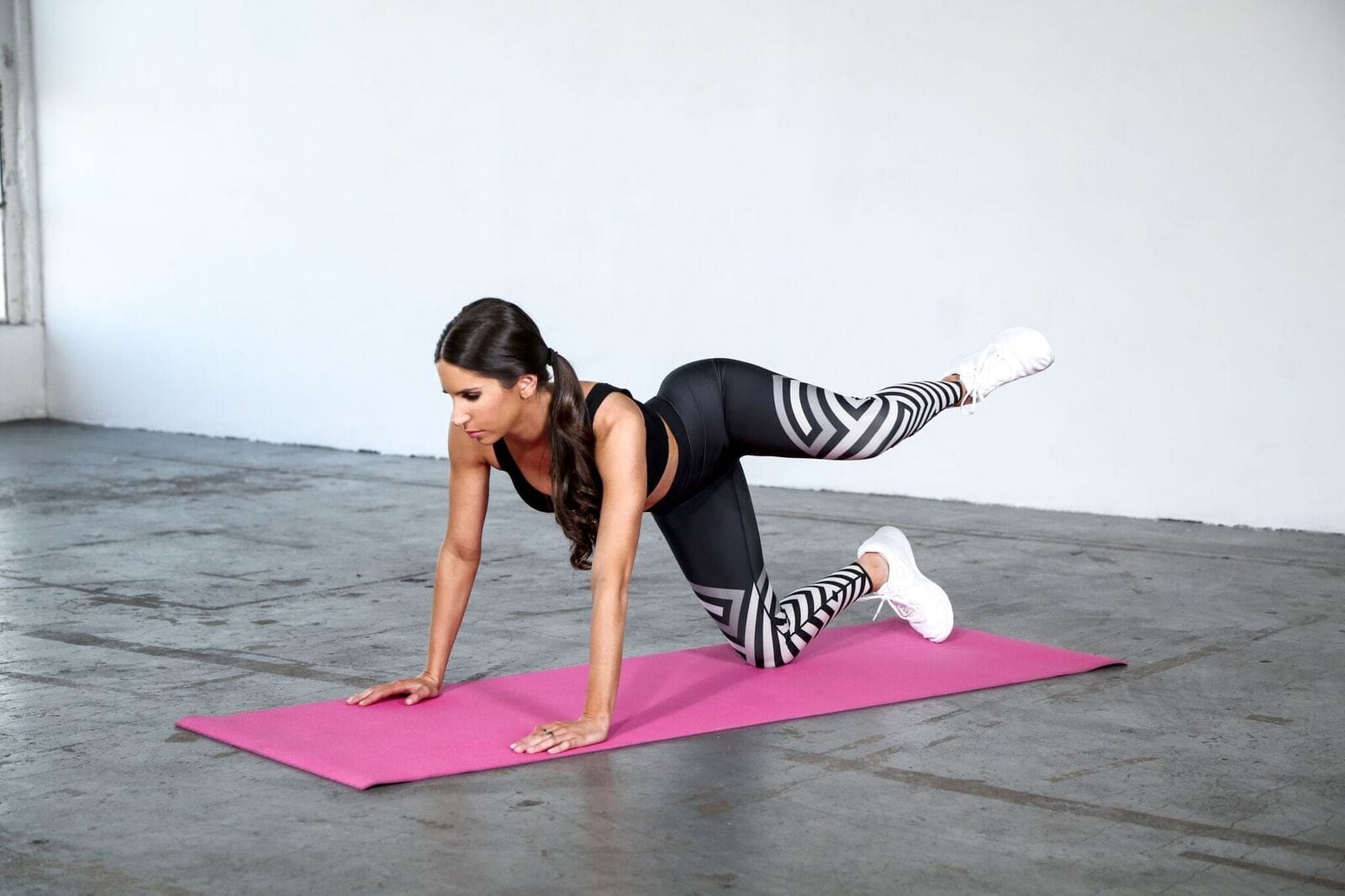
At its core, the fire hydrant is a closed-chain, bodyweight exercise that mimics the action of a dog lifting its leg. While this may seem simple, its effectiveness lies in its ability to isolate the abductors—the muscles on the side of the hip that are often neglected in traditional compound movements like squats and deadlifts.

Anatomy and Muscle Activation
The primary mover in the fire hydrant is the gluteus medius. This muscle is responsible for hip abduction—the movement of the leg away from the midline of the body. Unlike the gluteus maximus, which powers forward propulsion, the medius provides pelvic stability. When you lift your leg to the side, you are actively engaging the stabilizing fibers that prevent the pelvis from tilting.
Furthermore, the fire hydrant engages the core musculature, particularly the obliques and transverse abdominis. Because the body is in a quadruped position (all fours), the core must work harder to maintain a neutral spine. Without conscious core engagement, the lumbar spine tends to sag or rotate, which diminishes the efficacy of the exercise and introduces unnecessary strain on the lower back.
The Kinetic Chain and Stability
In the context of functional fitness, the fire hydrant serves as an excellent diagnostic tool for identifying muscular imbalances. If an individual struggles to keep their hips level during the movement, it often indicates weakness in the contralateral glute or poor stability in the core. Digital coaching platforms often use this movement as a “screening” exercise to determine whether an athlete is ready for more complex, unilateral loaded movements like single-leg lunges or Bulgarian split squats.
Integrating the Fire Hydrant into Digital Fitness Programs
With the explosion of fitness technology—ranging from AI-driven workout planners to smart home gym equipment—exercises like the fire hydrant are being integrated into highly personalized routines. These platforms track volume, intensity, and frequency, transforming a simple bodyweight movement into a measurable metric of progress.
Progressive Overload and Resistance
While the fire hydrant is an effective bodyweight movement, its utility increases exponentially when resistance is introduced. Many modern fitness apps suggest utilizing resistance bands (loop bands) placed just above the knees. By adding lateral tension, the gluteus medius must overcome both the weight of the leg and the mechanical resistance of the band.
When utilizing smart tracking tools, users should document the tension level of the bands used and the time under tension (TUT). A common mistake in digital training is prioritizing speed over form. By utilizing a “3-1-1” tempo—three seconds to lift, one second of peak contraction at the top, and one second to return to the starting position—the practitioner maximizes motor unit recruitment. This is the difference between simply moving through the motions and actually stimulating muscle hypertrophy and endurance.
Frequency and Programming
For those following an algorithm-based training plan, the fire hydrant is frequently categorized as an “accessory” or “finisher” exercise. It is rarely the main event of a workout. Because the gluteus medius is a stabilizer, it benefits from higher volume and moderate intensity. Most software-driven programs suggest 3 sets of 15 to 20 repetitions per side, usually placed at the end of a lower-body session. This ensures that the primary movers are exhausted, and the stabilizer muscles are given the opportunity to provide the “finishing burn” that leads to improved muscle tone and structural balance.
Common Technical Errors and Optimization Strategies
Despite the apparent simplicity of the fire hydrant, execution errors are rampant. In the digital age, where users often learn exercises via short-form video clips, nuances of form are frequently overlooked. To maximize the results of this exercise, one must focus on the following technical refinements.
Maintaining Pelvic Neutrality
The most common mistake during a fire hydrant is “hip rolling.” As the knee lifts to the side, many people compensate by rotating their torso, allowing their pelvis to tilt toward the ceiling. This rotation shifts the tension away from the gluteus medius and into the lower back.
To correct this, imagine placing a glass of water on your lower back. Your goal is to lift the knee without spilling a drop. This requires the torso to remain perfectly parallel to the floor. Utilizing a mirror or a smartphone camera—a standard feature in many fitness apps—can provide the real-time visual feedback necessary to correct this rotational deviation.
Maximizing the Range of Motion
Range of motion (ROM) is another critical factor. Many individuals shorten the movement, barely lifting the knee off the floor. While the gluteus medius does not have a massive range of motion, the movement should reach a point where the thigh is nearly parallel to the ground. If you cannot reach this point without your spine shifting, it is better to perform a smaller, controlled movement than to force a high lift through improper compensation.
The Future of Targeted Exercise in Digital Wellness
As we look toward the future of digital wellness, the fire hydrant represents the growing trend of “micro-movements”—targeted exercises that can be performed in small spaces with minimal equipment. This shift is vital for the modern professional, who often spends long hours in sedentary postures.
Counteracting the “Sitting Syndrome”
Prolonged sitting leads to “gluteal amnesia,” where the gluteal muscles become deactivated and weak. The fire hydrant is a direct antidote to this digital-age ailment. By incorporating this movement into daily routines, users can essentially “wake up” the posterior chain. Many wearable devices and health apps now include “desk-break” alerts, specifically prompting users to perform movement snacks like the fire hydrant to stimulate blood flow and postural support.

Data-Driven Results
The integration of wearable sensors that measure hip alignment and muscular activation is the next frontier for movements like the fire hydrant. As we integrate these sensors with mobile applications, we will soon have the ability to see real-time data on how many muscle fibers we are recruiting in each repetition. This transition from “blind” exercise to data-backed movement is what elevates the fire hydrant from a simple “dog-like” leg lift to a sophisticated, tech-enabled tool for physical health.
In conclusion, the fire hydrant is far more than a trend in fitness culture. It is an essential, biomechanically sound exercise that addresses the structural stability of the human body. Whether utilized as a component of a high-intensity interval training (HIIT) session or as a corrective movement to counter the effects of a desk-bound lifestyle, its inclusion in your training regimen is supported by both traditional physiological principles and modern digital performance analytics. By prioritizing form, implementing progressive resistance, and tracking your metrics through your preferred digital tools, you can ensure that this targeted movement contributes significantly to your overall strength, stability, and athletic longevity.
aViewFromTheCave is a participant in the Amazon Services LLC Associates Program, an affiliate advertising program designed to provide a means for sites to earn advertising fees by advertising and linking to Amazon.com. Amazon, the Amazon logo, AmazonSupply, and the AmazonSupply logo are trademarks of Amazon.com, Inc. or its affiliates. As an Amazon Associate we earn affiliate commissions from qualifying purchases.