
In the ever-evolving landscape of home entertainment technology, acronyms and specifications often proliferate at a pace that can leave even tech enthusiasts scratching their heads. Among these, “FHD TV” stands as a foundational term, representing a significant benchmark in display resolution that revolutionized how we consume visual media. FHD, or Full High Definition, refers to a television display with a native resolution of 1920 pixels horizontally by 1080 pixels vertically. This resolution is commonly known as 1080p, with the ‘p’ denoting progressive scan, a method of displaying all the lines of an image in sequence, rather than interlacing them, which results in a smoother and more stable picture.
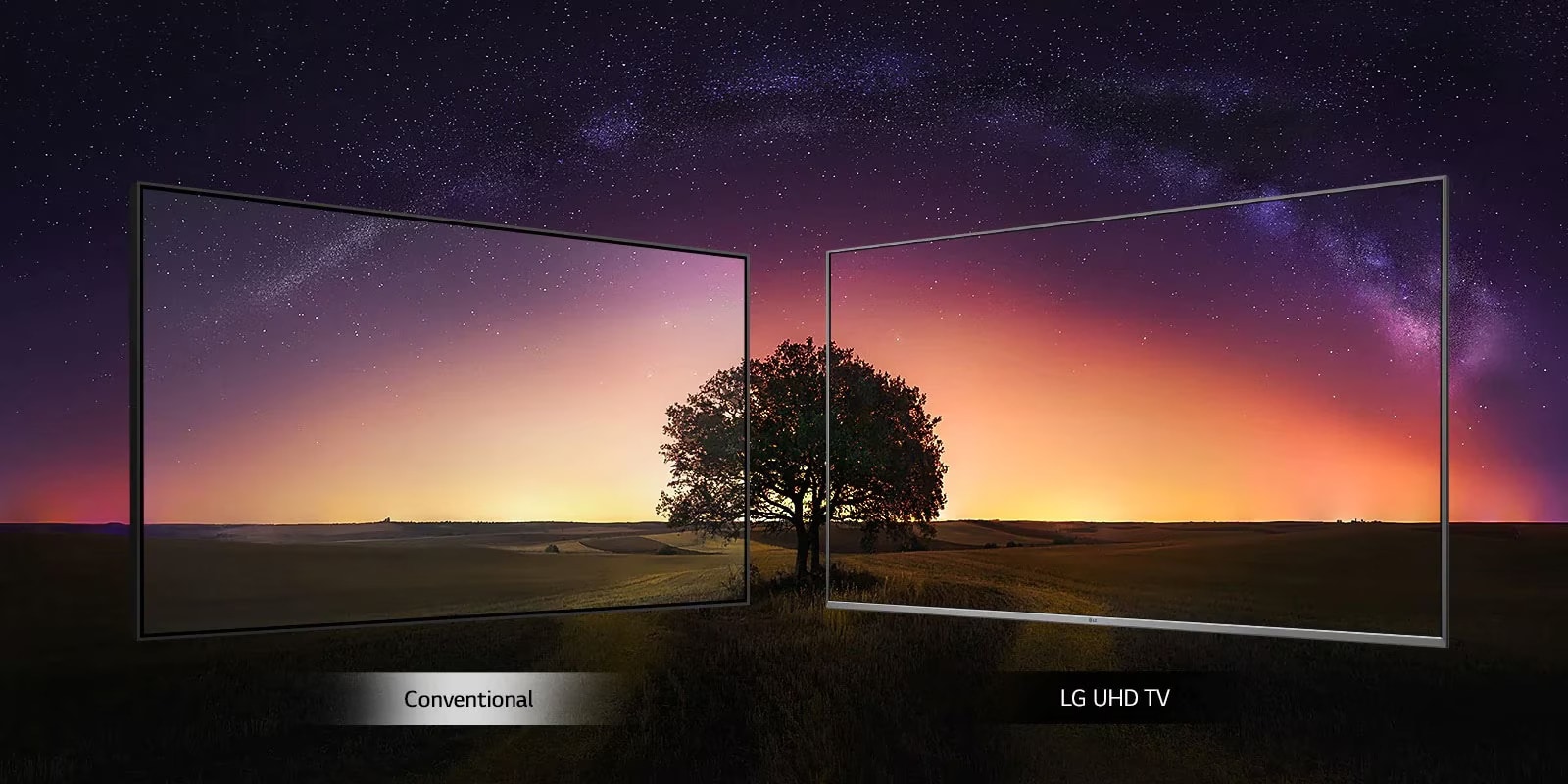
For many years, FHD was the gold standard for high-quality viewing, offering a stark improvement over its predecessors like Standard Definition (SD) and even the earlier High Definition Ready (HD Ready or 720p) displays. It brought unprecedented clarity, detail, and vibrant color reproduction to living rooms, becoming the cornerstone for Blu-ray discs, advanced gaming consoles, and the nascent stages of high-definition streaming. While newer technologies like 4K Ultra HD and 8K have since emerged, FHD TVs continue to hold a relevant, often budget-friendly, position in the market, particularly for specific viewing scenarios and consumer needs. Understanding what an FHD TV entails goes beyond just its pixel count; it requires a dive into display technology, content ecosystems, and its place in the historical progression of visual fidelity.
Understanding the Core Technology: Resolution Explained
At the heart of any display technology lies its resolution, a critical specification that dictates the sharpness and detail of the image you see. For FHD TVs, this resolution is precisely defined, offering a consistent benchmark for visual quality.
Pixels and Picture Clarity
Every digital image, whether on a TV, a computer monitor, or a smartphone, is composed of millions of tiny squares called pixels (short for “picture elements”). Each pixel can display a single color at a time. The more pixels packed into a given screen area, the finer the detail and the sharper the image. When we talk about resolution, we’re referring to the total number of these pixels arranged in a grid across the screen. A higher pixel density generally translates to a more lifelike and immersive viewing experience, provided the content being displayed matches or exceeds that resolution. An FHD TV’s strength lies in its ability to render images with a density sufficient to make individual pixels indiscernible from a typical viewing distance, delivering a smooth and detailed picture.
The 1080p Standard: 1920×1080
The “1080p” designation is synonymous with Full High Definition. It precisely defines the display’s native resolution as 1920 pixels horizontally and 1080 pixels vertically. This means that across the width of the screen, there are 1,920 individual dots of light, and down the height, there are 1,080. Multiplying these figures gives a total of 2,073,600 pixels. This substantial number of pixels allows for a remarkable level of detail and clarity compared to earlier formats. The “p” stands for “progressive scan,” which is a crucial distinction. In a progressive scan display, every line of the image is drawn sequentially from top to bottom during each refresh cycle. This contrasts with “interlaced” scanning (denoted by an ‘i’, as in 1080i), where only half the lines are drawn in one pass and the other half in the next, which can sometimes lead to visible flickering or motion artifacts. Progressive scan offers a smoother, more stable image, especially for fast-moving content like sports or action movies.
Aspect Ratio and Display Formats
Beyond raw pixel count, the aspect ratio is another fundamental characteristic of any display. It describes the proportional relationship between the width and height of the screen. For FHD TVs, the standard aspect ratio is 16:9 (read as “sixteen by nine”). This widescreen format became prevalent with the advent of high-definition content, replacing the older, squarer 4:3 aspect ratio common in Standard Definition televisions. The 16:9 ratio is ideally suited for cinematic content and modern television broadcasts, minimizing black bars on the top and bottom (letterboxing) or sides (pillarboxing) when displaying most contemporary videos. This standardized aspect ratio ensures that content produced for FHD displays fills the screen efficiently, providing an immersive, edge-to-edge viewing experience.
The Evolution of Display Technology: Where FHD Sits
To truly appreciate the significance of FHD, it’s essential to place it within the historical context of display technology. Its emergence marked a pivotal moment, bridging the gap between rudimentary displays and today’s ultra-high-resolution screens.
From Standard Definition to High Definition
For decades, Standard Definition (SD) ruled the airwaves and living rooms. SD resolutions typically ranged from 480i (NTSC) to 576i (PAL), characterized by fuzzy images, visible scan lines, and the squarer 4:3 aspect ratio. The transition to High Definition (HD) was a monumental leap, driven by advances in digital broadcasting, storage media like DVDs (and later Blu-ray), and computing power. HD brought a clarity previously unimaginable in consumer electronics, paving the way for more detailed visuals, richer colors, and the widescreen cinematic experience at home. This shift wasn’t just about more pixels; it was about an entire ecosystem transformation, from cameras and production workflows to broadcast standards and home display devices.
HD Ready (720p) vs. Full HD (1080p)
As high definition began to gain traction, two primary standards emerged: HD Ready and Full HD. HD Ready, often associated with a resolution of 1280×720 pixels (720p), was the initial entry point into the HD world. While a significant improvement over SD, 720p offered approximately half the pixels of 1080p (921,600 vs. 2,073,600). Full HD (1080p) quickly became the preferred standard for consumers seeking the ultimate in visual fidelity at the time. The difference in pixel count between 720p and 1080p is noticeable, especially on larger screens or at closer viewing distances, with 1080p delivering crisper text, finer details in textures, and a generally more refined picture. While 720p still found a niche in smaller screens and some budget offerings, 1080p solidified its position as the benchmark for a truly “high definition” experience.
The Rise of 4K (UHD) and Beyond
The quest for even greater visual fidelity didn’t stop at FHD. As technological capabilities advanced, particularly in display manufacturing and data processing, the industry moved towards resolutions beyond 1080p. The next major leap was 4K Ultra HD (UHD), boasting a resolution of 3840×2160 pixels. This represents four times the pixel count of FHD, offering an astounding level of detail and immersion, especially on large screens. Following 4K, 8K UHD (7680×4320 pixels) has emerged, though it is still in its nascent stages of adoption due to limited content and higher costs. These higher resolutions deliver a more “pixel-less” image, where individual dots are virtually impossible to discern, even at very close range. While 4K and 8K push the boundaries of visual realism, FHD remains a viable option, particularly where the benefits of ultra-high resolution may not be fully realized or are outweighed by other factors.

Key Advantages and Considerations of FHD TVs
Despite the dominance of 4K and the emergence of 8K, FHD TVs continue to hold a significant place in the market due to several practical advantages and specific use case considerations.
Cost-Effectiveness
Perhaps the most compelling advantage of an FHD TV in today’s market is its price point. As newer, higher-resolution technologies mature, the cost of manufacturing and acquiring FHD panels has significantly decreased. This makes FHD TVs an extremely attractive option for budget-conscious consumers, allowing them to purchase larger screen sizes or models with advanced smart features at a fraction of the cost of their 4K counterparts. For many, the cost savings outweigh the perceived benefits of 4K, especially when considering the viewing environment and content sources. This accessibility ensures that high-quality visual entertainment remains available to a broad spectrum of consumers.
Content Availability
While 4K content is becoming more widespread, the vast majority of available video content, including broadcast television, streaming services, and physical media like Blu-ray discs, is still produced and optimized for Full HD (1080p) resolution. When you watch 1080p content on an FHD TV, you are viewing it at its native resolution, which means no complex upscaling is required. This often results in a pure, unadulterated image that is exactly as the creators intended. While 4K TVs can upscale 1080p content, the quality of this upscaling can vary, and it doesn’t always match the native clarity. For consumers whose primary media consumption consists of Blu-rays, 1080p streaming, or traditional broadcast channels, an FHD TV ensures optimal playback for the most common content formats.
Performance for Specific Use Cases (Gaming, Streaming)
FHD TVs are still excellent choices for specific applications. For gamers, especially those using consoles like the PlayStation 4 or Xbox One S (which often target 1080p output, though some PS4 Pro/Xbox One X games offer 4K), an FHD TV provides a fantastic gaming experience without the need for an expensive 4K setup. Many casual gamers or those with mid-range gaming PCs find 1080p resolution to be the sweet spot for performance and visual quality. Similarly, for streaming services, while many now offer 4K content, 1080p remains the default for standard subscriptions, and reliable 4K streaming often requires a robust internet connection. An FHD TV delivers crisp streaming quality without demanding excessive bandwidth.
Viewing Distance and Screen Size
The human eye’s ability to discern individual pixels is limited by viewing distance and screen size. On smaller screens (e.g., 32-inch or less) or from typical viewing distances (e.g., 8-10 feet away from a 55-inch screen), the perceived difference between FHD and 4K can be negligible for many viewers. The benefits of higher resolution become truly apparent on very large screens (65 inches and above) or when sitting very close to the display. For a standard living room setup or a bedroom TV, an FHD resolution often provides more than enough clarity to deliver an immersive and enjoyable viewing experience without any noticeable pixelation. Understanding this relationship helps consumers make an informed decision based on their actual living space and viewing habits.
Is an FHD TV Still a Good Choice in Today’s Market?
With the continuous advancement of display technology, consumers often wonder if investing in an FHD TV is still a smart decision. The answer isn’t a simple yes or no; it depends heavily on individual needs, budget, and viewing preferences.
When FHD Excels
An FHD TV remains an excellent choice in several scenarios. For secondary televisions in bedrooms, kitchens, or offices where critical viewing isn’t the primary goal, an FHD model offers superb value. It’s also ideal for those on a strict budget who prioritize screen size over bleeding-edge resolution. If your primary content sources are limited to standard cable TV, Blu-ray discs, or gaming consoles that output primarily in 1080p, an FHD TV will capably display this content at its native resolution, often looking just as good as it would on a 4K TV upscaling the same content. Furthermore, for users with limited internet bandwidth, 1080p streaming is less demanding than 4K, ensuring a smoother, buffer-free experience.
Factors Pushing Towards 4K
However, there are compelling reasons why many consumers are now opting for 4K TVs. The increasing availability of native 4K content from streaming services (Netflix, Amazon Prime Video, Disney+, etc.), Ultra HD Blu-ray discs, and next-generation gaming consoles (PS5, Xbox Series X) makes a strong case for upgrading. If you have a large screen (65 inches or more) and sit relatively close, the increased pixel density of 4K offers a visibly sharper, more detailed picture. Additionally, many 4K TVs come bundled with advanced display technologies like HDR (High Dynamic Range), which significantly enhances contrast and color vibrancy, often providing a more impactful visual upgrade than resolution alone. For future-proofing your home entertainment setup, especially if you plan to upgrade your media sources, a 4K TV is generally the better long-term investment.

The Role of Upscaling and Picture Processing
Modern televisions, whether FHD or 4K, incorporate sophisticated picture processing engines. A 4K TV will “upscale” lower-resolution content (like 1080p) to fit its native 4K screen. This involves intelligently adding pixels and enhancing details to make the image appear sharper. The quality of upscaling varies greatly between brands and models, with premium 4K TVs often doing an exceptional job. Conversely, an FHD TV will downscale 4K content, though this is less common as most 4K sources can be set to output at 1080p for compatibility. The effectiveness of a TV’s picture processing, including noise reduction, color enhancement, and motion handling, can often have a more noticeable impact on overall picture quality than resolution alone, particularly when comparing an excellent FHD TV to a mediocre 4K one.
In conclusion, the FHD TV, with its venerable 1080p resolution, represents a significant milestone in display technology and continues to be a relevant player in the competitive television market. While it has been surpassed in raw pixel count by 4K and 8K, its enduring value lies in its cost-effectiveness, widespread content compatibility, and excellent performance for many common viewing scenarios. For consumers prioritizing budget, current content sources, or specific use cases like bedroom viewing or casual gaming, an FHD TV offers a robust, high-quality solution that continues to deliver an engaging and immersive visual experience. Understanding its technical foundations and its place in the broader evolution of display tech empowers consumers to make informed choices that best suit their needs in a world overflowing with technological options.
aViewFromTheCave is a participant in the Amazon Services LLC Associates Program, an affiliate advertising program designed to provide a means for sites to earn advertising fees by advertising and linking to Amazon.com. Amazon, the Amazon logo, AmazonSupply, and the AmazonSupply logo are trademarks of Amazon.com, Inc. or its affiliates. As an Amazon Associate we earn affiliate commissions from qualifying purchases.