
An exit interview is a crucial, yet often overlooked, part of the employee lifecycle. It’s a structured conversation conducted by an employer with an employee who is leaving the company, whether voluntarily or involuntarily. Far from being a mere formality, this interview serves as a valuable opportunity for both the departing employee and the organization to gain insights, address concerns, and ultimately foster improvements. In today’s dynamic business landscape, understanding the purpose and best practices of exit interviews is essential for professionals across all sectors, from the cutting edge of technology to the strategic realm of branding and the vital world of finance.

While the core concept of an exit interview remains consistent, its application and significance can be amplified when considered through the lens of the broader business ecosystem. For instance, technology companies, driven by rapid innovation and talent acquisition challenges, leverage exit interviews to understand why skilled professionals might be seeking opportunities elsewhere, informing their retention strategies. Brands, deeply concerned with their reputation and employee experience, use this feedback to refine their culture and employer value proposition. And in the financial sector, where stability and long-term growth are paramount, exit interviews can highlight systemic issues that might impact profitability or employee morale.
This article will delve into the multifaceted nature of exit interviews, exploring their purpose, the benefits they offer to both employers and employees, and how they can be strategically utilized across various business disciplines. We will also provide guidance on how to approach an exit interview as a departing employee, ensuring your feedback is constructive and professionally delivered, while also touching upon how organizations can maximize the insights gained from this valuable process.
The Multifaceted Purpose of the Exit Interview
At its heart, an exit interview is a feedback mechanism. It’s a designated time for an organization to solicit honest and candid opinions from an employee who is no longer bound by the immediate pressures of their role or the desire to maintain a perfect professional record for future internal advancement. This freedom from immediate consequence is what makes the exit interview such a powerful tool for uncovering truths that might otherwise remain hidden.
Uncovering the “Why” Behind Departures
The primary objective of an exit interview is to understand the reasons an employee is leaving. This goes beyond a simple resignation letter. It aims to delve into the root causes, which can be myriad: dissatisfaction with management, lack of career growth opportunities, compensation issues, poor work-life balance, cultural clashes, or even better prospects elsewhere. By understanding these drivers, companies can identify trends and proactively address problems before they lead to further attrition.
For Tech companies, understanding why developers might be leaving for a competitor, or why project managers are seeking roles with greater autonomy, is crucial. Is the company’s tech stack becoming outdated? Are the work processes hindering innovation? Are there issues with management style that alienate engineers? The feedback can directly inform decisions about technology adoption, project methodologies, and leadership development.
In the Brand sphere, exit interviews can reveal significant insights into company culture and employee satisfaction. If multiple employees are leaving due to a lack of recognition or a feeling of being undervalued, it directly impacts the employer brand. This feedback is vital for refining marketing strategies aimed at attracting top talent and for reinforcing the company’s internal values and identity. A strong employer brand is built not just on external messaging but on the genuine experiences of its people.
For Money-focused businesses, whether it’s a financial institution, an investment firm, or a fintech startup, exit interviews can highlight issues related to compensation, benefits, or the overall financial security and perceived stability of the organization. Employees in these sectors might be particularly sensitive to market trends and competitive offers, so understanding their motivations can inform strategic adjustments to remuneration packages and long-term incentive plans.
Identifying Areas for Improvement
Beyond understanding individual reasons for leaving, exit interviews serve as a diagnostic tool for the organization as a whole. The aggregated feedback can pinpoint systemic issues that affect employee morale, productivity, and retention across the board. This could include problems with onboarding processes, communication breakdowns, ineffective leadership, or inadequate training programs.
Consider a scenario where several employees from the software development team consistently mention the lack of opportunities for learning new programming languages. This feedback, gathered through exit interviews, would signal to the CTO that investment in professional development and training initiatives is urgently needed to retain top tech talent.
Similarly, if marketing executives are consistently expressing frustration with the brand’s messaging being inconsistent across different platforms, this points to a significant branding challenge. The exit interview feedback can guide a strategic review of brand guidelines and internal communication protocols.
In the realm of personal finance and investment advisory, if numerous financial advisors are leaving citing burnout due to unrealistic sales targets or a lack of administrative support, it highlights a critical operational issue that needs immediate attention. This could impact client satisfaction and the firm’s overall profitability.
Fostering a Positive Departure
While it might seem counterintuitive, a well-conducted exit interview can actually contribute to a positive and professional departure for the employee. It demonstrates that the company values their contributions, even as they move on. This can leave a lasting positive impression, which is beneficial for the company’s reputation and can even lead to future collaborations or referrals. A former employee who leaves on good terms, feeling heard and respected, is more likely to speak positively about their experience, acting as an informal brand ambassador.
The Benefits of a Well-Executed Exit Interview
The impact of exit interviews extends far beyond simply recording a resignation. When conducted thoughtfully and acted upon effectively, they offer a wealth of benefits for all parties involved.

For the Organization: Actionable Insights and Strategic Advantage
- Reduced Attrition: By identifying the root causes of employee turnover, organizations can implement targeted strategies to improve retention, such as enhancing benefits, offering better career development paths, or addressing leadership issues. This is particularly critical in the Tech sector, where the demand for skilled professionals is high, and poaching is common. Understanding why developers and engineers are leaving can prevent a cascade of departures.
- Improved Employee Experience and Culture: Feedback from departing employees can highlight pain points in the company culture, management practices, and day-to-day work environment. Addressing these issues leads to a more positive and productive workplace for remaining employees. For Brands, a positive employee experience is intrinsically linked to a strong employer brand.
- Enhanced Product and Service Development: In Tech and other innovation-driven industries, departing employees may have valuable insights into product flaws, unmet customer needs, or areas where the company is falling behind competitors. This feedback can inform future development cycles and strategic pivots.
- Strengthened Employer Brand: A company that actively seeks and acts on feedback, even from departing employees, demonstrates a commitment to its people. This commitment can enhance its reputation as an employer of choice, attracting higher quality candidates in the future.
- Cost Savings: High employee turnover is expensive. Reducing it through insights gained from exit interviews can lead to significant cost savings in recruitment, onboarding, and lost productivity. In the Money sector, where efficiency and profitability are key, reducing turnover can directly impact the bottom line.
- Legal and Compliance Awareness: Exit interviews can sometimes reveal issues related to workplace harassment, discrimination, or unsafe working conditions, allowing the company to address these matters proactively and mitigate legal risks.
For the Departing Employee: A Voice and a Professional Farewell
- Opportunity to Provide Constructive Feedback: The exit interview offers a formal platform for employees to share their honest opinions and suggestions without fear of reprisal. This can be cathartic and empowering, allowing them to contribute to positive change even as they leave.
- Professional Closure: A well-conducted interview provides a sense of closure and respect for the employee’s contributions. It allows them to depart on professional terms, leaving the door open for potential future relationships.
- Contribution to Future Improvement: By sharing their experiences, departing employees can play a vital role in making their former company a better place to work for those who remain. This can be particularly rewarding for individuals who genuinely cared about their colleagues and the organization’s mission.
- Clarification of Terms: The exit interview can also be an opportunity to clarify details regarding final pay, benefits continuation, severance packages, and other administrative matters, ensuring a smooth transition.
Navigating the Exit Interview: A Strategic Approach for Employees
As a departing employee, the exit interview is your opportunity to offer valuable insights that can benefit both the organization and future employees. Approaching this conversation with professionalism and a clear, constructive mindset will maximize its impact.
Preparing for Your Exit Interview
Before you even sit down for the interview, take some time to reflect on your experience. Consider the following:
- Identify Key Reasons for Leaving: Be specific about your motivations. Was it a lack of challenging work, limited growth opportunities, a difficult work environment, or a better offer? Avoid vague statements and focus on concrete examples.
- Recall Positive and Negative Experiences: While the focus is often on reasons for departure, acknowledging positive aspects of your time at the company can provide a balanced perspective. Equally, pinpoint specific challenges or frustrations you encountered.
- Consider the Impact on Your Work and Career: Think about how your role, the company culture, or specific policies affected your ability to perform your job effectively and advance your career goals. This is especially relevant in the Tech industry, where staying current with skills and technologies is paramount.
- Think About Solutions and Suggestions: Instead of just identifying problems, consider potential solutions or improvements. For example, if you felt there was a lack of mentorship, suggest a formal mentorship program.
- Review Company Policies and Your Contract: Be aware of any agreements you have with the company regarding confidentiality, non-disclosure, or intellectual property.
During the Interview: Honesty, Professionalism, and Constructiveness
The interview itself is a delicate balance. You want to be honest and candid, but also professional and constructive.
- Be Honest and Factual: Stick to the facts and your genuine experiences. Avoid emotional outbursts or personal attacks. Focus on observable behaviors and systemic issues rather than personal grievances.
- Provide Specific Examples: Instead of saying “management was bad,” explain why. For example, “I found it challenging to meet project deadlines due to a lack of clear direction from my direct supervisor on Project X.” This is crucial for Brand management; vague complaints offer little actionable insight.
- Focus on the “What” and “Why,” Not Just the “Who”: While you might mention specific individuals if their actions were a significant factor, try to frame the feedback in terms of processes, policies, or team dynamics. This makes the feedback more actionable for the company.
- Maintain a Professional Tone: Even if you had a negative experience, strive for a calm and respectful demeanor. Remember that your interviewer is likely a representative of the company, and maintaining professionalism reflects well on you.
- Ask Questions: This is also an opportunity for you to ask clarifying questions about your departure, such as benefits, final pay, or reference policies.
- Listen Actively: Pay attention to the questions being asked and engage thoughtfully in the conversation.
What to Avoid
- Gossiping or Complaining: The exit interview is not the time for office gossip or a free-for-all complaint session.
- Making Threats or Demands: This is a feedback session, not a negotiation.
- Being Overly Emotional or Aggressive: Keep your emotions in check and focus on the facts.
- Lying or Exaggerating: Your credibility is important, even as you leave.
- Burning Bridges: You never know when paths might cross again in the future.
By approaching your exit interview with preparation and a professional mindset, you can ensure your departure is dignified, and your feedback contributes meaningfully to the ongoing improvement of your former organization. This is particularly important in fields like Tech, where industry connections are vital, or in Money and Brand sectors, where reputation and trust are paramount.
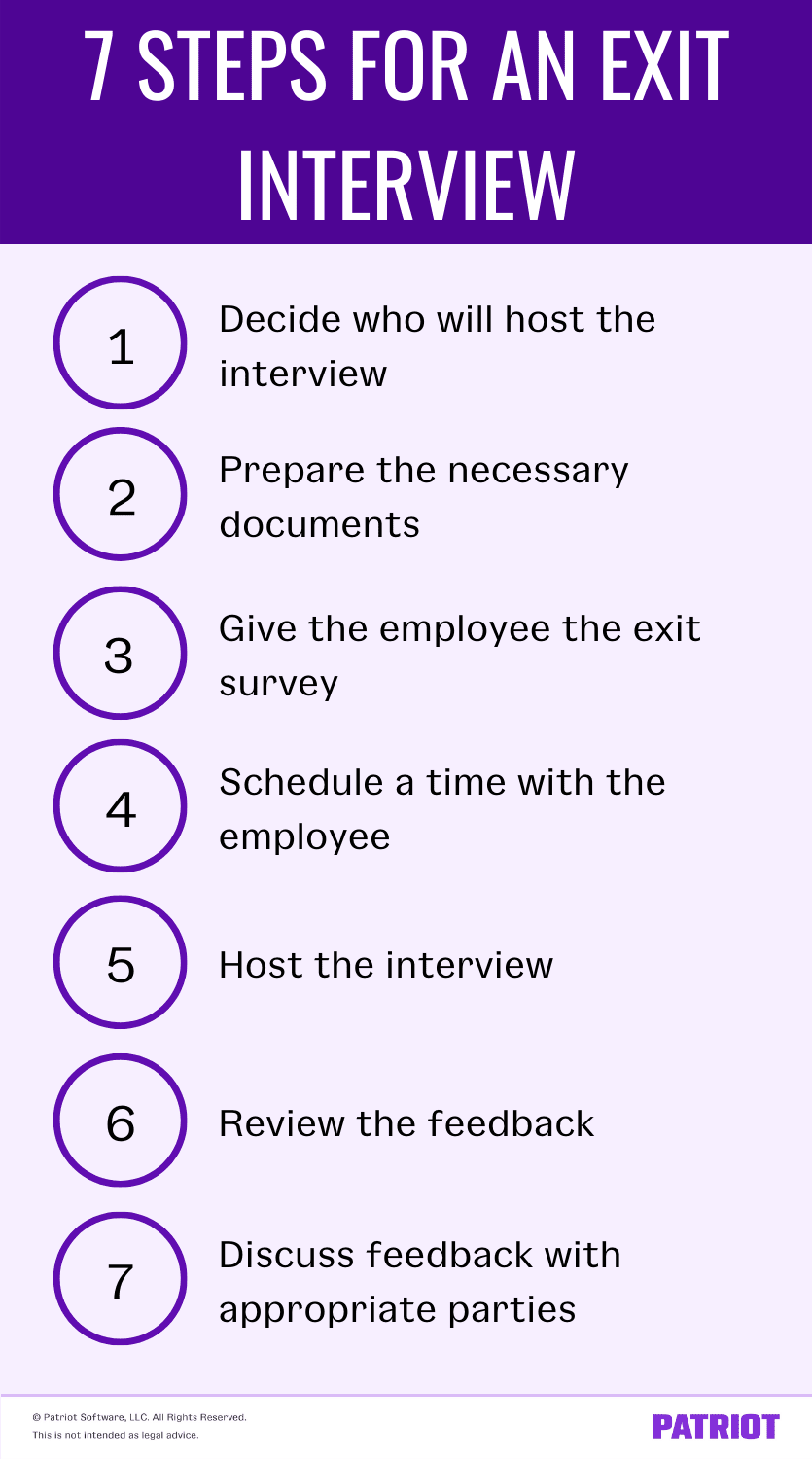
Conclusion: The Exit Interview as a Catalyst for Change
The exit interview, when approached with intention and integrity by both the employer and the departing employee, transcends its basic definition. It becomes a powerful catalyst for positive change within an organization. In the fast-paced world of Tech, where innovation and talent retention are paramount, understanding why skilled professionals depart can inform crucial decisions about technology adoption, development methodologies, and employee development programs. For Brands, the insights gleaned from exit interviews are invaluable for refining company culture, strengthening the employer brand, and ensuring that the internal employee experience aligns with external messaging. And in the critical domain of Money, where trust, stability, and long-term growth are essential, feedback on compensation, work-life balance, and organizational strategy can lead to more robust and sustainable business practices.
For employers, the exit interview is not an endpoint but a starting point. It’s an opportunity to listen, learn, and adapt. By actively soliciting feedback, analyzing trends, and implementing meaningful changes, organizations can foster a more engaged, productive, and loyal workforce. This proactive approach to employee retention not only saves costs associated with turnover but also builds a stronger, more resilient, and more attractive employer brand.
For departing employees, the exit interview is a chance to leave with their heads held high, having contributed to the betterment of the company and their former colleagues. By offering honest, constructive, and fact-based feedback, they can ensure their tenure, even in its conclusion, has a lasting positive impact.
In essence, the exit interview is a testament to the belief that every individual’s experience matters. It’s a recognition that the journey of an employee, from onboarding to departure, is an integral part of the organization’s story. By embracing this process, companies across all sectors can unlock invaluable insights, cultivate a healthier work environment, and ultimately, build stronger, more successful futures.
aViewFromTheCave is a participant in the Amazon Services LLC Associates Program, an affiliate advertising program designed to provide a means for sites to earn advertising fees by advertising and linking to Amazon.com. Amazon, the Amazon logo, AmazonSupply, and the AmazonSupply logo are trademarks of Amazon.com, Inc. or its affiliates. As an Amazon Associate we earn affiliate commissions from qualifying purchases.