
In today’s rapidly evolving financial landscape, understanding investment vehicles that offer both diversification and accessibility is paramount. While traditional stocks and bonds have long been cornerstones of portfolios, a powerful and increasingly popular option has emerged: the Exchange-Traded Fund, or ETF. But what exactly constitutes an “ETF trade,” and how does it fit into the broader spectrum of investing, particularly within the realms of tech, branding, and personal finance? This article aims to demystify the ETF trade, exploring its mechanics, benefits, and strategic implications for investors navigating the digital age.
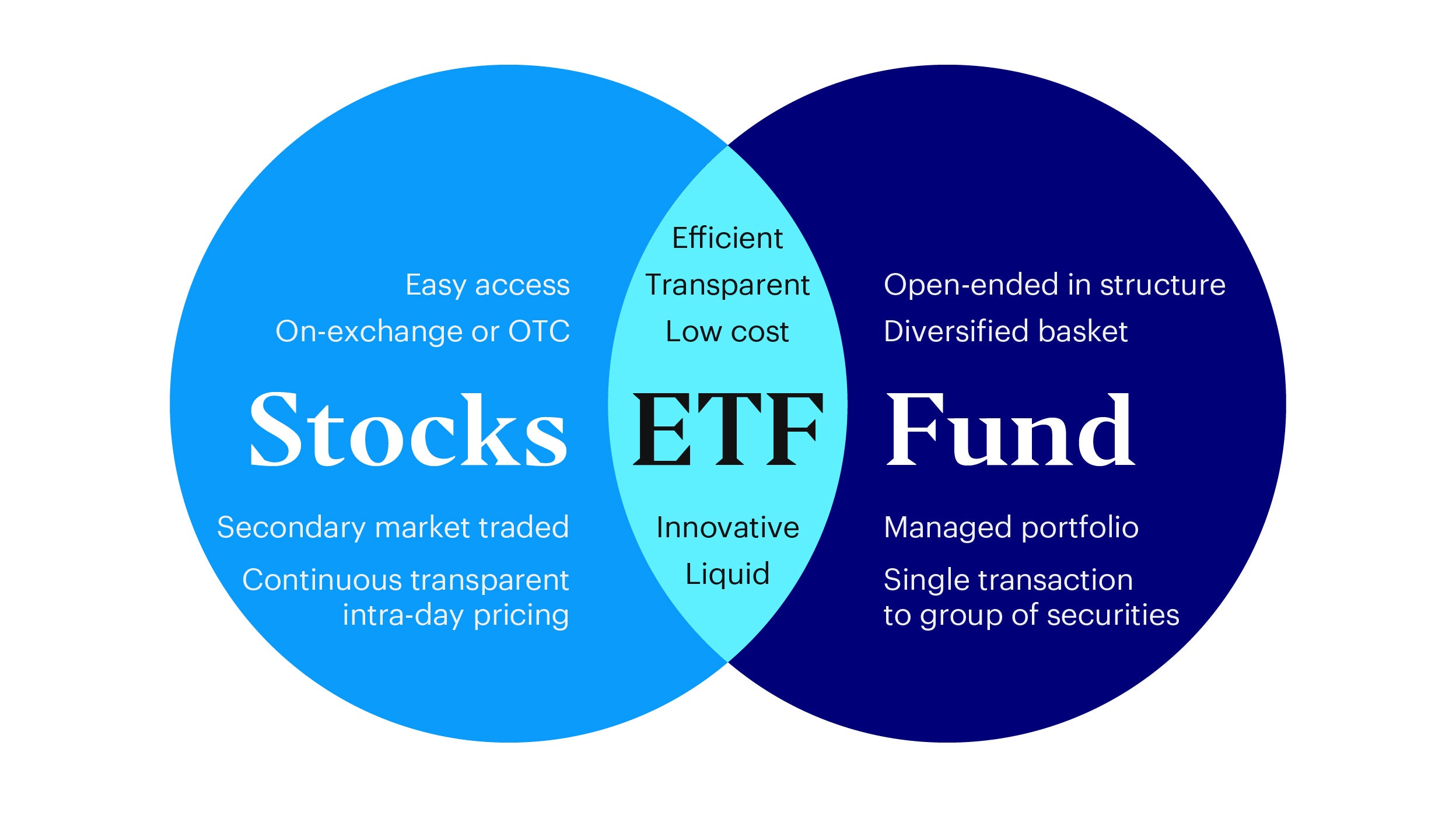
The allure of ETFs lies in their ability to provide instant diversification, mimicking the performance of a specific index, sector, or asset class, all traded like a single stock. When we talk about an “ETF trade,” we are essentially referring to the act of buying or selling shares of an ETF on a stock exchange. This seemingly simple transaction, however, is underpinned by a sophisticated infrastructure and offers a wealth of opportunities for investors across various disciplines.
Understanding the Mechanics of an ETF Trade
At its core, an ETF trade is no different from trading an individual stock. You place an order through a brokerage account, specifying the ETF ticker symbol, the number of shares you wish to buy or sell, and the type of order (e.g., market order, limit order). The price at which your trade executes is determined by supply and demand in the market throughout the trading day. However, understanding the underlying mechanisms of how ETFs are created and redeemed, and how their prices are kept in line with their net asset value (NAV), is crucial for appreciating the nuances of ETF trading.
The Creation and Redemption Process: Keeping ETFs in Sync
Unlike mutual funds, which are typically priced only once a day after the market closes, ETFs are priced continuously throughout the trading session. This constant pricing is facilitated by an innovative mechanism involving “authorized participants” (APs). APs are large financial institutions that can create and redeem ETF shares directly with the ETF issuer.
When demand for an ETF increases, APs can create new ETF shares by delivering a basket of the underlying securities (stocks, bonds, etc.) that the ETF holds to the issuer. In return, they receive a block of ETF shares, which they can then sell on the open market, increasing the ETF’s supply and helping to keep its price aligned with its NAV.
Conversely, when demand for an ETF wanes, APs can redeem ETF shares by returning them to the issuer. In exchange, they receive the underlying basket of securities, which they can then sell. This redemption process reduces the ETF’s supply, again helping to prevent its market price from deviating significantly from its NAV. This arbitrage mechanism is a cornerstone of the ETF structure, ensuring that ETF prices generally reflect the value of their underlying assets.
Types of ETF Orders and Their Implications
When you engage in an ETF trade, you have several order types at your disposal, each with its own implications for execution price and certainty.
- Market Orders: These orders are executed immediately at the best available prevailing price. They offer certainty of execution but no certainty of price. If you place a market order during a volatile period, you might end up buying or selling at a price significantly different from what you anticipated. For liquid ETFs with tight bid-ask spreads, market orders are often suitable for quick entry or exit.
- Limit Orders: These orders allow you to specify the maximum price you are willing to pay for a buy order or the minimum price you are willing to accept for a sell order. Limit orders offer price certainty but no guarantee of execution. If the market price doesn’t reach your specified limit, your order will not be filled. This can be advantageous for less liquid ETFs or when you have a specific price target in mind.
- Stop Orders (Stop-Loss and Stop-Limit): Stop-loss orders are designed to limit potential losses. A stop-loss order becomes a market order to sell once the security reaches a predetermined “stop” price. A stop-limit order, on the other hand, becomes a limit order to sell once the stop price is reached, offering price control but also the risk of non-execution if the price moves rapidly. These are crucial tools for risk management in any ETF trade.
Strategic Applications of ETF Trades
The versatility of ETF trades extends far beyond simple stock market speculation. Their structure and accessibility make them powerful tools for investors across the technology, brand, and personal finance sectors, allowing for strategic plays that align with broader professional and personal goals.
Leveraging ETFs for Technology Investment and Diversification
The technology sector is characterized by rapid innovation, disruptive potential, and inherent volatility. For individuals and businesses focused on technology trends, software, AI tools, apps, gadgets, and digital security, ETFs offer an intelligent way to gain exposure to this dynamic space.
Instead of painstakingly researching and buying individual tech stocks, investors can opt for technology-sector ETFs. These funds track indices of major tech companies (like the Nasdaq-100) or focus on specific sub-sectors such as cloud computing, cybersecurity, semiconductors, or artificial intelligence. An ETF trade in such a fund allows an investor to instantly diversify their tech holdings, reducing the idiosyncratic risk associated with any single company.
For example, an AI researcher might use an ETF trade to invest in companies at the forefront of AI development, including hardware manufacturers, software providers, and AI service firms. This provides broad exposure without needing to be an expert in every facet of the AI industry. Similarly, a cybersecurity firm might use ETF trades to allocate capital towards a diversified portfolio of cybersecurity companies, hedging against the risk of a single competitor’s underperformance. The accessibility of ETF trades means that even smaller investors can participate in these growth sectors.
Incorporating ETFs into Brand Strategy and Personal Branding
The concept of brand, whether it’s a corporate identity, a personal brand, or a marketing campaign, is increasingly intertwined with financial success. For those focused on brand strategy, reputation management, and marketing, ETFs can play a surprising role in both funding brand initiatives and reflecting brand value.
A company looking to invest its surplus capital might consider ETFs that track companies with strong brand recognition or those in sectors poised for brand-driven growth. For instance, an ETF focused on “consumer staples” might include companies with enduring brand loyalty, offering a relatively stable investment. Conversely, an ETF tracking innovative consumer tech brands could offer higher growth potential. An ETF trade in such a fund can be a way for a brand consultancy to diversify its own investments or even as a strategic allocation of capital to support future marketing endeavors.
On a personal level, individuals cultivating their personal brand might see ETF investing as a means to build wealth that can then be reinvested into their brand-building activities – whether that’s funding a professional development course, attending industry conferences, or creating high-quality content. The ability to make smaller, more frequent ETF trades, perhaps through dollar-cost averaging, can be an accessible way for individuals to grow their capital over time, creating a financial foundation for their personal brand aspirations. The performance of their ETF portfolio can, in a way, become a tangible representation of their financial discipline and foresight, reinforcing their personal brand as one of responsibility and strategic thinking.
Optimizing Personal Finance and Online Income Streams with ETF Trades
For individuals focused on personal finance, online income, and side hustles, ETFs represent a cornerstone of effective wealth management and capital growth. The simplicity and diversification offered by ETFs make them ideal for beginners and experienced investors alike, particularly when aiming to grow income streams generated online.
Building wealth through investing is a critical component of achieving financial independence. ETFs, with their low costs and broad market exposure, are an excellent tool for this. An investor might choose to regularly invest a portion of their online income – perhaps from freelancing, e-commerce, or a successful blog – into a broad-market index ETF, such as one tracking the S&P 500. This strategy, known as dollar-cost averaging, involves making regular ETF trades of a fixed amount, regardless of market fluctuations. This method helps to reduce the risk of buying at a market peak and benefits from the power of compounding returns over time.
Furthermore, ETFs can be used to diversify income streams beyond traditional employment. For example, an individual might use their earnings from a successful side hustle to invest in real estate ETFs or dividend-paying ETFs. This creates passive income that can supplement their active income, contributing to a more robust and resilient financial picture. The accessibility of online brokerage platforms and the fractional share trading offered by some brokers make ETF trades achievable even with modest capital, empowering individuals to take control of their financial futures and build wealth strategically.
The Future of ETF Trades: Technology, Accessibility, and Innovation
The ETF market continues to innovate, driven by technological advancements and a growing demand for accessible investment solutions. The integration of AI, blockchain, and other emerging technologies is poised to further refine the ETF trading experience and expand the universe of available ETF products.
AI-Powered Trading and Investment Strategies
Artificial intelligence is beginning to play a significant role in how investors approach ETF trades. AI algorithms can analyze vast amounts of market data, identify trends, and even execute trades based on pre-defined parameters. For sophisticated investors, AI tools can help in selecting the most appropriate ETFs, optimizing entry and exit points, and managing risk more effectively. Chatbots powered by AI are also making investment information more accessible, helping individuals understand complex financial concepts and guiding them through the process of making an ETF trade. This democratization of sophisticated analytical tools ensures that more people can participate in the ETF market with greater confidence.
Blockchain and Decentralized Finance (DeFi)
The underlying technology of blockchain holds potential for transforming the ETF landscape. While still in its nascent stages for ETFs, decentralized finance (DeFi) platforms are exploring the creation of tokenized ETFs, which could enable more efficient and transparent trading, potentially reducing fees and settlement times. Blockchain technology could also enhance the creation and redemption process, making it more automated and accessible to a wider range of participants. As the financial industry continues to embrace digital transformation, we can expect to see further integration of these technologies into ETF trading.
Expanding ETF Offerings and Niche Markets
The ETF market is constantly expanding its reach, with new ETFs being launched to cater to increasingly specific investment themes. Beyond broad market indices and established sectors, investors can now find ETFs focused on everything from renewable energy and emerging market economies to specific ESG (Environmental, Social, and Governance) factors and even the metaverse. This proliferation of specialized ETFs means that investors can tailor their portfolios with unprecedented precision, aligning their investment trades with their evolving professional interests and personal values. Whether you’re deeply involved in tech, building a powerful brand, or meticulously managing your finances, there’s likely an ETF designed to help you achieve your goals.
In conclusion, an ETF trade is a fundamental building block of modern investing, offering a gateway to diversified portfolios, strategic wealth accumulation, and participation in dynamic market sectors. As technology continues to shape the financial world, the ETF trade will undoubtedly remain a cornerstone for individuals and institutions seeking accessible, efficient, and adaptable investment opportunities. By understanding the mechanics, strategic applications, and ongoing innovations surrounding ETF trades, investors can confidently navigate the complexities of the market and harness their power to achieve their financial aspirations.
aViewFromTheCave is a participant in the Amazon Services LLC Associates Program, an affiliate advertising program designed to provide a means for sites to earn advertising fees by advertising and linking to Amazon.com. Amazon, the Amazon logo, AmazonSupply, and the AmazonSupply logo are trademarks of Amazon.com, Inc. or its affiliates. As an Amazon Associate we earn affiliate commissions from qualifying purchases.