
Navigating the complexities of high-stakes financial transactions requires a mechanism that mitigates risk for all involved parties. Whether you are purchasing your first home or brokering a complex international business deal, trust is the primary currency. However, trust alone is rarely sufficient when large sums of money are on the line. This is where the escrow account becomes an essential tool in modern finance. By acting as a neutral third-party repository, an escrow account ensures that assets—be they cash, securities, or property titles—are held securely until specific contractual obligations are met.
The Mechanics of Escrow: How It Functions
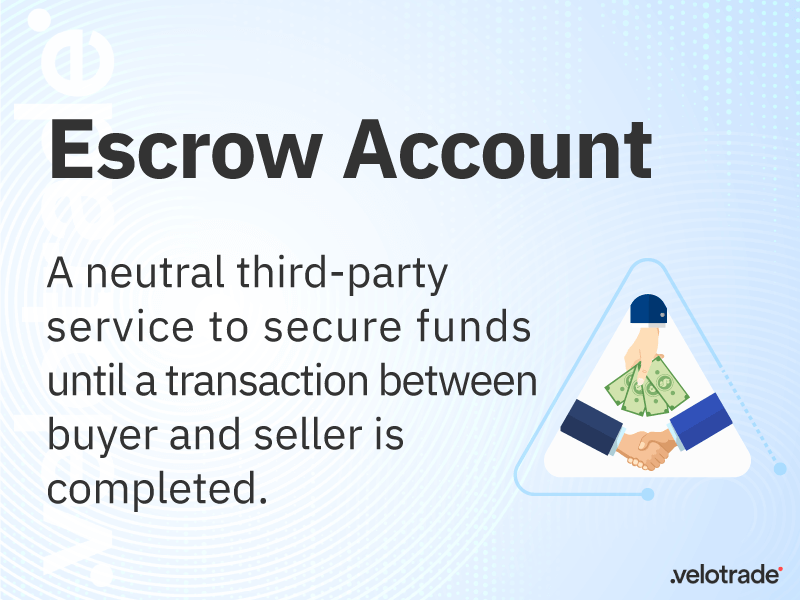
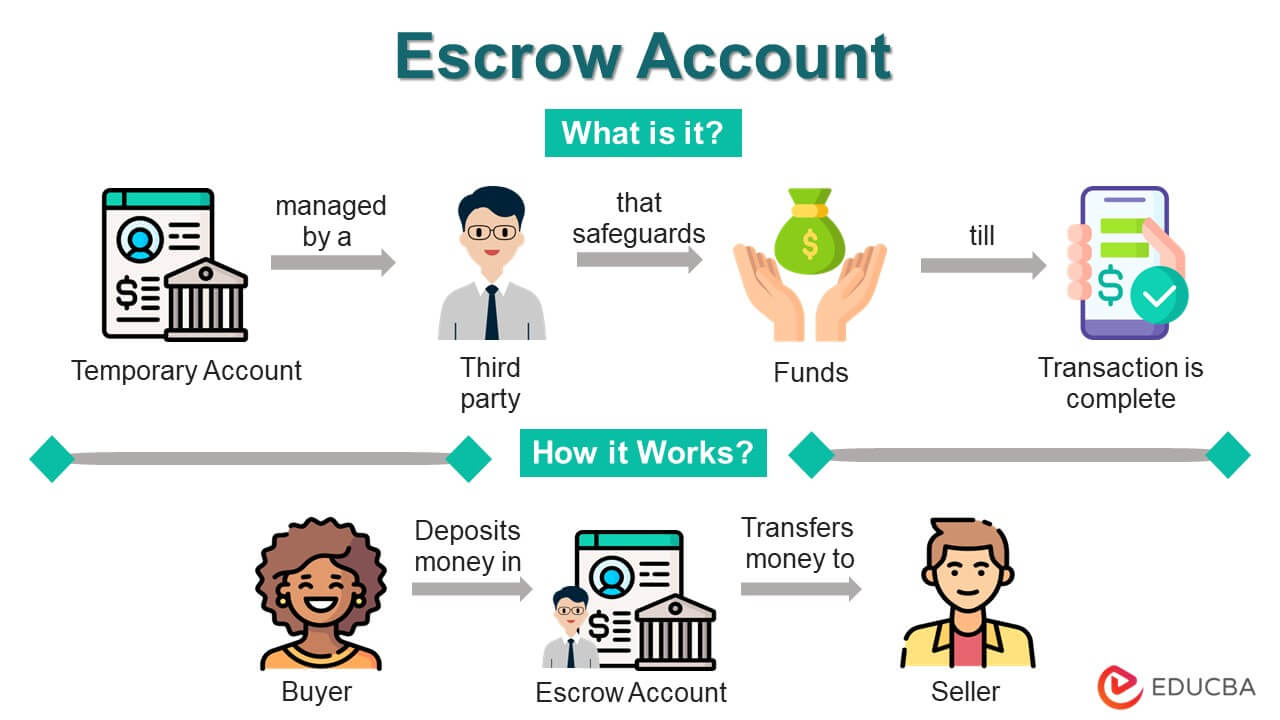
At its core, an escrow account is a legal arrangement in which a neutral third party (the escrow agent) temporarily holds funds or assets on behalf of two other parties who are in the process of completing a transaction. The agent acts as the gatekeeper, ensuring that neither the buyer nor the seller can gain an unfair advantage or walk away with the other’s assets before the agreed-upon conditions are satisfied.
The Role of the Neutral Third Party
The efficacy of an escrow account hinges on the impartiality of the escrow agent. This entity, which could be a title company, an attorney, or a specialized financial institution, has a fiduciary duty to follow the precise instructions outlined in the escrow agreement. They do not represent the interests of the buyer or the seller exclusively; rather, they serve the interests of the transaction itself. This neutrality provides a psychological and financial safety net, reducing the anxiety often associated with significant capital transfers.
The Lifecycle of an Escrow Transaction
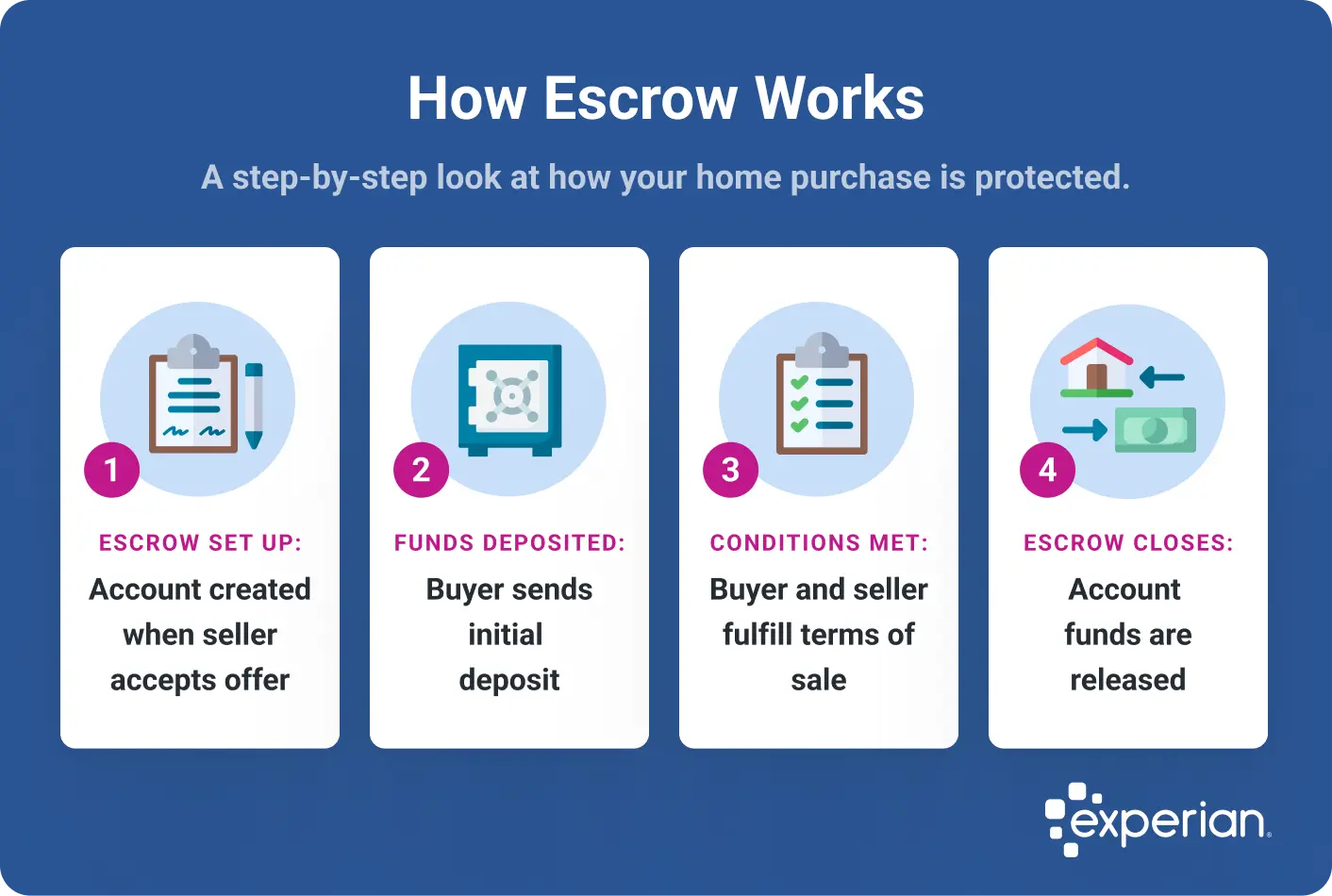
A typical escrow lifecycle follows a predictable sequence:
- The Agreement: Both parties sign a contract detailing the purchase price, the timeline, and the specific contingencies (e.g., home inspections, financing approval, or delivery of goods).
- The Deposit: The buyer places funds into the escrow account. This signals “good faith” and proves that the buyer has the liquidity to complete the deal.
- The Fulfillment: The seller fulfills their obligations, such as transferring a clear property title or providing the contracted software code or physical goods.
- The Closing: Once the escrow agent verifies that all contractual conditions are met, they release the funds to the seller and the property or assets to the buyer.
Escrow in Real Estate: Protecting the Homeowner
The most common application of escrow occurs within the real estate sector. When buying a home, escrow serves two distinct but equally important purposes: during the closing process and throughout the duration of the mortgage.
Closing Escrow
When an offer is accepted, the “earnest money” deposit is held in escrow. This protects the seller from a buyer who might simply walk away without cause, and it protects the buyer by ensuring the seller cannot sell the property to someone else while the buyer is performing due diligence. If the inspection reveals major structural damage, the buyer can use the protections afforded by the escrow agreement to withdraw from the deal and receive their deposit back, provided the contract allows for such contingencies.
Mortgage Escrow Accounts
Once the purchase is complete, many homeowners continue to use an escrow account managed by their mortgage lender. This is often referred to as a “tax and insurance escrow.” Instead of paying your property taxes and homeowners insurance in one large, daunting lump sum once or twice a year, the lender collects a portion of these costs as part of your monthly mortgage payment. These funds are held in an escrow account, and the lender pays the bills on your behalf when they become due. This arrangement protects the lender, as it ensures that the property—which serves as collateral for the loan—remains protected by insurance and is not subject to tax liens.
Escrow in Business and Digital Commerce
Beyond real estate, escrow accounts are the backbone of modern global commerce. As business transactions move increasingly online, the need for secure, verifiable payment mechanisms has grown exponentially.
Protecting Intellectual Property and Software
In the tech industry, “software escrow” is a critical risk management strategy. When a company licenses expensive, proprietary software from a developer, they are often concerned about the developer going out of business or failing to maintain the software. In a software escrow arrangement, the developer deposits the source code into an escrow account. If the developer goes bankrupt or stops supporting the product, the escrow agent releases the source code to the licensee, allowing them to continue operating their business and maintaining the software.
Online Marketplaces and International Trade
For e-commerce platforms, escrow acts as the ultimate dispute resolution mechanism. When a buyer pays for a high-value item—such as rare collectibles, high-end electronics, or wholesale inventory—the funds are held in escrow. The seller ships the goods, and the buyer has a window of time to inspect them. Once the buyer confirms the goods match the description, the funds are released to the seller. This eliminates the risk of fraud or “non-delivery,” which is the primary barrier to trust in anonymous online transactions.
Why Escrow is Essential for Risk Mitigation
The primary value proposition of an escrow account is the mitigation of counterparty risk—the risk that the other party involved in a transaction will not live up to their end of the bargain.
Financial Security and Liquidity
Escrow accounts protect buyers from the “runaway seller” scenario. Without escrow, a buyer would have to send payment directly to a seller, hoping that the goods or services would eventually arrive. Conversely, sellers would have to ship items without knowing if the buyer’s payment would clear. Escrow provides a staging ground where assets are verified before the transaction is finalized.
Dispute Resolution
Even with the best intentions, disagreements arise. Perhaps a service provider delivered 90% of the project, or a property inspection revealed a minor issue that requires a price adjustment. Because the funds are held by a neutral agent, the escrow process provides a structured environment to resolve these disputes. The escrow agent will not release funds until both parties agree or a legal resolution is reached, effectively preventing one party from holding the other’s assets hostage while a disagreement is settled.
Compliance and Auditing
Escrow accounts are heavily regulated, ensuring that the funds are held in protected, interest-bearing accounts that are separate from the escrow agent’s own operating capital. This separation ensures that even if the escrow firm were to face financial distress, the funds held in escrow are protected from creditors. For business owners, this level of financial transparency and compliance is vital for tax reporting and audit readiness.
Conclusion
Escrow accounts are far more than just a procedural step in a contract; they are the bedrock of confidence in financial, real estate, and digital exchanges. By isolating funds from the immediate control of either party, they create a buffer that allows business to move forward even when total trust is absent. Whether you are navigating the intricate path to homeownership or facilitating a complex international trade agreement, understanding how escrow works empowers you to protect your assets and execute transactions with certainty. As global markets continue to digitize and diversify, the role of the neutral escrow agent will remain a cornerstone of economic stability, ensuring that when the dust settles, every party receives exactly what was promised.
aViewFromTheCave is a participant in the Amazon Services LLC Associates Program, an affiliate advertising program designed to provide a means for sites to earn advertising fees by advertising and linking to Amazon.com. Amazon, the Amazon logo, AmazonSupply, and the AmazonSupply logo are trademarks of Amazon.com, Inc. or its affiliates. As an Amazon Associate we earn affiliate commissions from qualifying purchases.