
In the complex tapestry of modern business, efficiency, integration, and data-driven decision-making are paramount. Enterprise Resource Planning (ERP) systems stand as the central nervous system for countless organizations, orchestrating a myriad of functions from finance and human resources to supply chain and customer relations. Far from being a mere software application, an ERP is a comprehensive, integrated suite designed to streamline operations, enhance collaboration, and provide a holistic view of an enterprise’s health. For businesses navigating an increasingly digital landscape, understanding what an ERP is, how it functions, and its profound impact is no longer optional—it’s essential for sustained growth and competitive advantage.
The Core Concept: Unpacking ERP
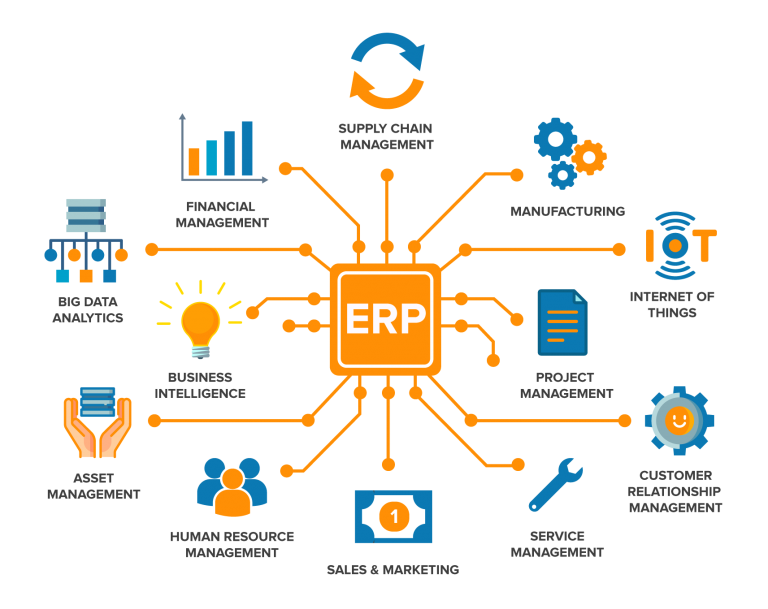
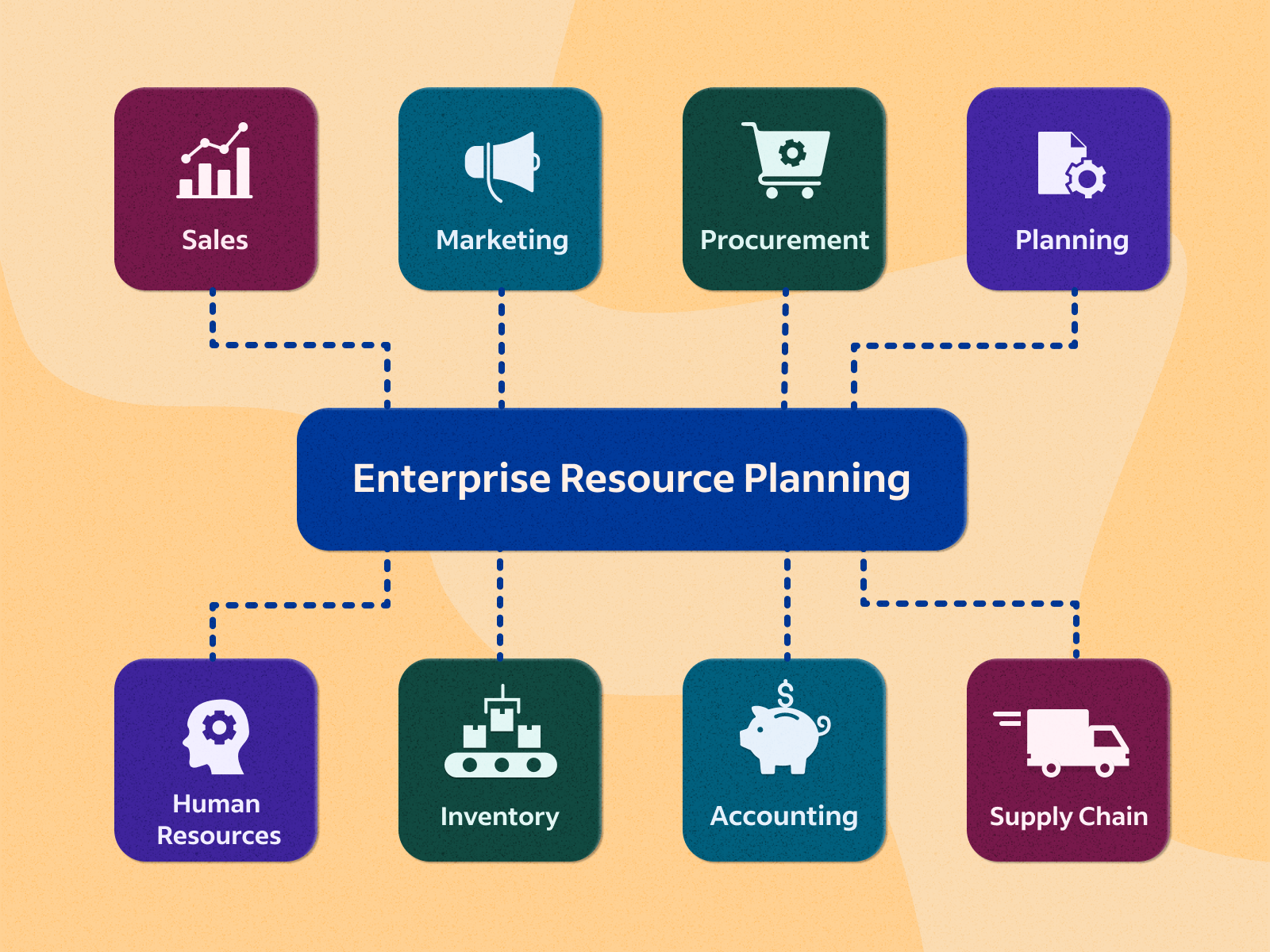
At its heart, an ERP system is a modular software solution that helps organizations manage their day-to-day business activities. Its primary goal is to integrate all facets of an operation—including product planning, development, manufacturing, sales, marketing, and human resources—into a single, comprehensive system. This integration eliminates data silos, improves communication, and provides a unified source of truth for all business information.
Beyond Simple Software: A Unified Business Platform
To truly grasp the essence of an ERP, one must look past the idea of individual software programs. Instead, envision a central database and a suite of interconnected applications that share data seamlessly across different departments. Historically, businesses often relied on disparate, standalone systems for accounting, inventory, HR, and sales. These systems, while functional individually, created significant inefficiencies when information needed to be shared or consolidated. Data had to be manually transferred, leading to errors, delays, and a fragmented view of the business.
An ERP system dismantles these silos by providing a unified platform. When a sales order is placed, for example, the information is instantly accessible to inventory management, production planning, financial accounting, and shipping departments. This real-time visibility fosters unprecedented levels of collaboration and ensures that everyone in the organization is working with the most current and accurate data. It’s not just about automating tasks; it’s about creating an intelligent, responsive ecosystem where every action reverberates across the entire enterprise, allowing for agile responses to market changes and internal demands.
The “Resource Planning” Imperative: Optimizing Operations
The “Resource Planning” component of ERP is crucial. It signifies the system’s ability to help organizations effectively plan and manage all their resources—financial, human, material, and intellectual. This planning goes beyond simple tracking; it involves forecasting, scheduling, allocating, and optimizing these resources to meet business objectives.
For instance, an ERP system can analyze historical sales data to forecast future demand, which then informs purchasing decisions for raw materials, production schedules, and staffing levels. It can track the utilization of machinery, the productivity of employees, and the movement of inventory, identifying bottlenecks and areas for improvement. By providing granular insights into resource consumption and performance, ERP empowers managers to make data-driven decisions that reduce waste, improve efficiency, and ultimately boost profitability. In essence, it transforms raw data into actionable intelligence, enabling a proactive and strategic approach to managing an organization’s most valuable assets.
Key Modules and Functionalities
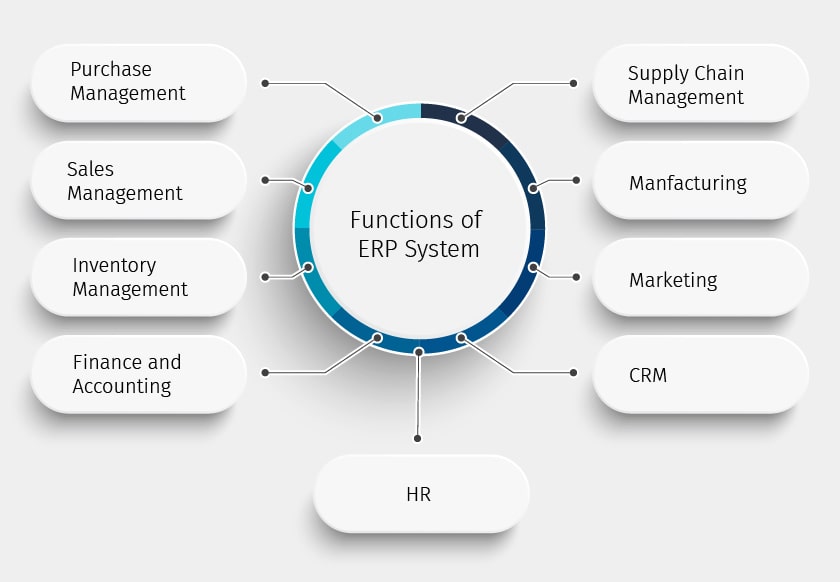
While the specific modules within an ERP system can vary based on the vendor and the industry, most comprehensive solutions offer a core set of functionalities designed to address the critical operational areas of a business. These modules work in concert, sharing data to provide a unified view of enterprise activities.
Financial Management: The Heartbeat of Business Operations
The financial management module is arguably the cornerstone of any ERP system. It handles all accounting and financial operations, providing a robust framework for managing an organization’s monetary health. This typically includes general ledger, accounts payable, accounts receivable, budgeting, fixed asset management, and financial reporting. Beyond basic bookkeeping, modern ERP financial modules offer advanced analytics, multi-currency and multi-company support, tax management, and compliance features, ensuring financial integrity and regulatory adherence. By automating many financial processes, it significantly reduces manual effort, minimizes errors, and provides real-time insights into cash flow, profitability, and overall financial performance.
Supply Chain Management: From Raw Material to Customer
The supply chain management (SCM) module within an ERP system encompasses all processes involved in moving a product or service from supplier to customer. This includes procurement (purchasing), inventory management, warehouse management, logistics, and transportation. An integrated SCM module optimizes inventory levels, streamlines order processing, tracks shipments, and manages supplier relationships. By providing end-to-end visibility across the supply chain, businesses can reduce carrying costs, prevent stockouts, improve delivery times, and enhance overall operational efficiency, leading to greater customer satisfaction and reduced operational expenses.
Human Capital Management (HCM): People Power
Human Capital Management (HCM), often referred to as Human Resources (HR) in ERP contexts, manages all aspects related to an organization’s workforce. This module typically includes payroll processing, benefits administration, talent acquisition (recruiting and onboarding), performance management, time and attendance tracking, and employee self-service portals. An HCM module not only automates routine HR tasks but also provides tools for strategic workforce planning, talent development, and compliance with labor laws. By centralizing employee data and HR processes, businesses can improve employee engagement, streamline HR operations, and make informed decisions about their most valuable asset: their people.
Customer Relationship Management (CRM): Building Lasting Relationships
While often available as a standalone system, CRM functionalities are frequently integrated into or offered as a module within larger ERP suites. The CRM module focuses on managing and analyzing customer interactions and data throughout the customer lifecycle. This includes sales automation, marketing automation, customer service and support, and contact management. By consolidating customer information and interactions, businesses can gain deeper insights into customer behavior, personalize marketing efforts, improve sales effectiveness, and deliver superior customer service, ultimately fostering stronger customer relationships and driving revenue growth.
Manufacturing & Production: Streamlining the Shop Floor
For manufacturing companies, the manufacturing and production module is indispensable. It handles all aspects of the production process, from planning and scheduling to quality control and shop floor management. Key features include material requirements planning (MRP), production order management, bill of materials (BOM) management, capacity planning, and product lifecycle management (PLM). This module helps optimize production schedules, manage work-in-progress, track material consumption, and ensure product quality, leading to increased output, reduced production costs, and improved delivery reliability.
Why Businesses Adopt ERP Systems
The decision to implement an ERP system is a significant investment, but the benefits it delivers typically far outweigh the costs over the long term. Organizations adopt ERP for a multitude of strategic and operational advantages that drive efficiency, agility, and competitive differentiation.
Enhanced Operational Efficiency and Cost Savings
One of the most compelling reasons for ERP adoption is the dramatic improvement in operational efficiency. By automating manual processes across various departments—such as order entry, invoice generation, payroll, and inventory tracking—ERP systems significantly reduce the time and effort required for routine tasks. This automation not only frees up employees to focus on more strategic activities but also minimizes human error, leading to fewer rework cycles and improved data accuracy. The resulting operational streamlining translates directly into substantial cost savings by reducing administrative overhead, optimizing resource utilization, and decreasing waste.
Improved Data Visibility and Decision-Making
Before ERP, businesses often struggled with fragmented data residing in disparate systems. This made it difficult to get a complete, real-time view of operations. An ERP system centralizes all business data into a single, integrated database, providing unparalleled data visibility. Managers can access real-time information on sales, inventory, production, and finances from a single dashboard. This comprehensive and consistent data empowers better, faster, and more informed decision-making, allowing businesses to identify trends, pinpoint issues, and seize opportunities with greater precision.
Standardized Processes and Compliance
ERP systems often embed industry best practices into their workflows, helping organizations standardize their business processes across departments and locations. This standardization reduces variations, improves consistency, and makes it easier to onboard new employees. Furthermore, ERP solutions are designed to assist with regulatory compliance by providing robust audit trails, data security features, and capabilities to generate reports that meet specific legal and industry requirements. This helps businesses mitigate risks, avoid penalties, and maintain their reputation.
Scalability and Future-Proofing
As businesses grow, their operational complexities multiply. An ERP system is inherently scalable, designed to adapt and expand alongside an organization’s evolving needs. Whether a company opens new branches, acquires other businesses, or diversifies its product lines, an ERP can accommodate these changes without requiring a complete overhaul of the core system. This scalability makes ERP a future-proof investment, ensuring that the technology infrastructure can support long-term growth and strategic initiatives.
Better Customer and Employee Experience
An integrated ERP system indirectly but significantly improves both customer and employee experiences. For customers, faster order processing, accurate inventory information, and streamlined customer service lead to higher satisfaction. Sales and service teams, armed with comprehensive customer histories and real-time product availability, can offer more personalized and efficient support. For employees, automation reduces repetitive tasks, making their jobs more engaging and less prone to frustration. Access to necessary information and collaborative tools fosters a more productive and satisfying work environment, contributing to higher employee morale and retention.
The Evolution of ERP: From On-Premise to Cloud
The journey of ERP systems reflects the broader evolution of enterprise technology, shifting from resource-intensive, localized deployments to flexible, internet-delivered solutions. This evolution has profoundly impacted how businesses access, manage, and benefit from their ERP investments.
Traditional On-Premise ERP: Control and Investment
For decades, the standard deployment model for ERP systems was on-premise. In this model, the software and its associated hardware (servers, networking equipment) are installed, run, and maintained directly within the company’s own data center or premises. Businesses purchase software licenses and are responsible for the entire infrastructure, including maintenance, security, and upgrades.
The primary advantage of on-premise ERP is the high degree of control it offers. Companies have full ownership of their data and infrastructure, which can be critical for highly regulated industries or those with unique security requirements. Customization possibilities are also typically extensive, allowing businesses to tailor the system precisely to their niche processes. However, this control comes with significant upfront capital expenditure (for licenses, hardware, and implementation), ongoing operational costs (for IT staff, power, cooling, and maintenance), and the burden of managing complex IT infrastructure. Upgrades can also be cumbersome and costly, often requiring substantial downtime.
Cloud-Based ERP (SaaS): Agility and Accessibility
The advent of cloud computing revolutionized the ERP landscape, giving rise to Cloud-based ERP, often delivered as Software as a Service (SaaS). With Cloud ERP, the software and its associated data are hosted and managed by a third-party vendor on their servers and accessed by customers over the internet, typically through a web browser. Instead of purchasing licenses, businesses pay a recurring subscription fee, which usually includes maintenance, upgrades, and support.
Cloud ERP offers numerous advantages, chief among them being agility and accessibility. It eliminates the need for significant upfront hardware investment and reduces ongoing IT infrastructure management. Deployment is faster, and the systems are accessible from anywhere with an internet connection, facilitating remote work and global operations. Scalability is inherent, as resources can be easily scaled up or down based on demand. Vendors handle security, backups, and upgrades, ensuring the system is always up-to-date with the latest features and security patches. While customization options might be more standardized than with on-premise solutions, modern cloud ERPs offer robust configuration tools and integration capabilities to meet specific business needs.
Hybrid ERP: The Best of Both Worlds?
Recognizing that a one-size-fits-all approach doesn’t suit every enterprise, a hybrid ERP model has emerged. This approach combines elements of both on-premise and cloud deployments. Typically, a hybrid ERP might involve keeping certain mission-critical applications or sensitive data on-premise, while leveraging cloud solutions for other functionalities like CRM, HR, or non-core operations.
The appeal of hybrid ERP lies in its flexibility. It allows organizations to maintain control over specific data or processes where an on-premise solution is preferred due to security, compliance, or legacy system integration challenges, while simultaneously benefiting from the agility, scalability, and cost-effectiveness of the cloud for other parts of their business. This model can be particularly attractive for larger enterprises undergoing a gradual digital transformation or those with complex regulatory environments that make a full cloud migration challenging. However, managing a hybrid environment can introduce its own complexities in terms of integration and data synchronization between the on-premise and cloud components.
Implementing an ERP System: Challenges and Best Practices
Implementing an ERP system is a significant undertaking that, while promising substantial rewards, is not without its complexities. A successful rollout requires careful planning, dedicated resources, and a clear understanding of potential pitfalls.
Common Implementation Hurdles
Organizations embarking on an ERP implementation often face several common challenges. The cost is frequently underestimated, encompassing not just software licenses or subscriptions but also hardware (for on-premise), customization, data migration, training, and ongoing support. The complexity of integrating diverse business processes and migrating large volumes of historical data from legacy systems can be daunting. Resistance to change from employees accustomed to old ways of working is a major hurdle; without adequate communication and training, user adoption can suffer. Furthermore, scope creep, where new features and requirements are added during the project, can lead to delays and budget overruns. Poor data quality in existing systems can also create significant issues during migration, impacting the accuracy and reliability of the new ERP.
Keys to a Successful ERP Rollout
To navigate these challenges and ensure a successful ERP implementation, businesses should adhere to several best practices:
-
Clear Strategy and Objectives: Define clear, measurable goals for the ERP project from the outset. Understand what problems the ERP is intended to solve and what business value it should deliver.
-
Strong Leadership and Executive Buy-in: A dedicated project sponsor from senior management is crucial for advocating the project, allocating resources, and resolving conflicts.
-
Thorough Planning and Project Management: Develop a detailed project plan with realistic timelines, budgets, and milestones. Employ experienced project managers to oversee the process.
-
Effective Change Management and User Training: Proactively address employee concerns, communicate the benefits of the new system, and provide comprehensive, hands-on training to ensure high user adoption.
-
Data Cleansing and Migration Strategy: Prioritize data quality. Develop a robust strategy for cleansing, transforming, and migrating historical data to the new system, ensuring accuracy and integrity.
-
Vendor Selection Based on Fit: Choose an ERP vendor whose solution aligns with your industry, business size, and specific functional requirements. Look for vendors with a proven track record, good support, and a clear roadmap for their product.
-
Phased Implementation (if applicable): For large organizations, a phased rollout (implementing modules department by department or location by location) can reduce risk and allow for lessons learned from early stages.
-
Post-Implementation Support and Optimization: Acknowledge that implementation is not the end. Plan for ongoing support, regular system reviews, and continuous optimization to maximize the ERP’s value over time.
In conclusion, an ERP system is far more than just a piece of software; it is a strategic technological asset that serves as the backbone of modern enterprise operations. By integrating disparate functions, providing real-time data visibility, and driving operational efficiencies, ERP empowers businesses to optimize their resources, enhance decision-making, and navigate the complexities of the global marketplace with confidence. As technology continues to evolve, so too will ERP, offering increasingly sophisticated tools for organizations to achieve their strategic ambitions and maintain a competitive edge.
aViewFromTheCave is a participant in the Amazon Services LLC Associates Program, an affiliate advertising program designed to provide a means for sites to earn advertising fees by advertising and linking to Amazon.com. Amazon, the Amazon logo, AmazonSupply, and the AmazonSupply logo are trademarks of Amazon.com, Inc. or its affiliates. As an Amazon Associate we earn affiliate commissions from qualifying purchases.