
In an era defined by rapid technological advancement and increasing environmental consciousness, understanding our impact on the planet has become paramount. The term “eco-footprint” serves as a critical metric, providing a tangible way to quantify this impact. Far from being a mere abstract concept, an eco-footprint is a powerful analytical tool that, when paired with modern technology, offers unprecedented insights into human demand on Earth’s ecosystems and pathways toward a more sustainable future. This article delves into what an eco-footprint truly represents, exploring how technology—from software and AI to smart infrastructure and emerging innovations—is indispensable in its measurement, reduction, and the broader global push for ecological balance.
Understanding the Digital Definition of an Eco-Footprint
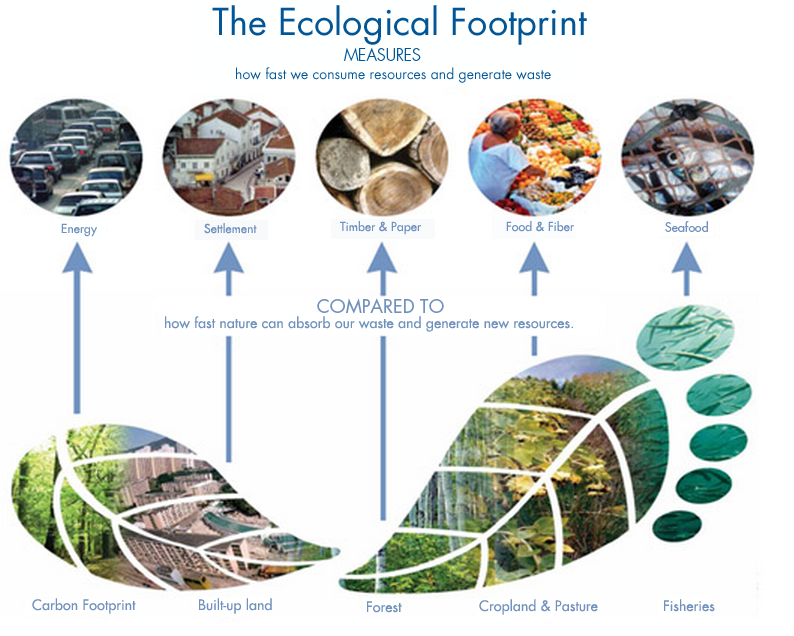
At its core, an eco-footprint is a measure of human demand on the planet’s regenerative capacity. It quantifies the area of biologically productive land and water required to produce the resources consumed by humanity and absorb the waste generated, particularly carbon emissions. In a world increasingly driven by data and digital platforms, the concept of an eco-footprint has found a robust framework for calculation, analysis, and communication, transforming it from a niche scientific idea into an accessible, actionable metric for individuals, corporations, and governments alike.
The Core Concept: Human Demand vs. Planetary Capacity
The fundamental principle behind an eco-footprint is the comparison between humanity’s demand for natural resources and the Earth’s biocapacity—the ability of ecosystems to regenerate resources and assimilate waste. When our collective eco-footprint exceeds the planet’s biocapacity, we are effectively in “overshoot,” depleting natural capital faster than it can be replenished. Technology plays a crucial role in making this complex comparison understandable. Digital models and simulations can visually represent these imbalances, translating abstract ecological principles into concrete, interpretable data points. This digital representation empowers stakeholders to grasp the urgency and scale of environmental challenges, moving beyond anecdotal evidence to data-backed realities. Moreover, the internet and various online platforms have democratized access to information about ecological limits, enabling a broader public discourse on sustainability that was previously confined to scientific circles.
Data-Driven Insights: Quantifying Impact with Digital Precision
Traditional ecological studies often relied on laborious manual data collection. Today, the eco-footprint framework is massively enhanced by digital precision. Satellite imagery provides detailed land-use data, remote sensors monitor deforestation and agricultural output, and vast datasets on energy consumption, manufacturing processes, and waste generation are aggregated and analyzed. Algorithms process this diverse information to calculate comprehensive footprints, whether for a nation, a city, a company, or even a single product. This digital aggregation and analysis capabilities allow for granularity previously unimaginable. For instance, specific industries can identify their biggest resource bottlenecks, and consumers can trace the environmental impact of individual purchases. The accuracy and accessibility of these data-driven insights are critical for crafting effective environmental policies and sustainable business strategies.
Beyond Carbon: A Holistic View of Resource Consumption
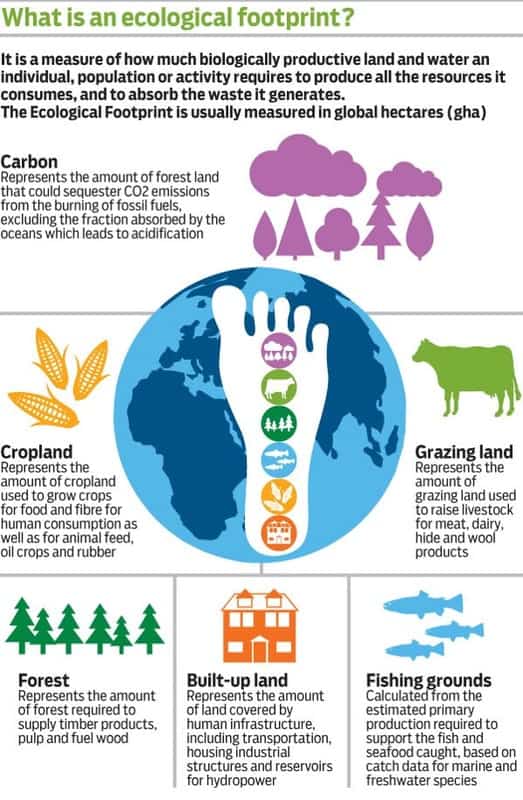
While carbon emissions often dominate environmental discussions, an eco-footprint offers a more holistic view, encompassing various forms of resource consumption and waste absorption. It accounts for areas needed for cropland, grazing land, fishing grounds, forest products, built-up land, and carbon uptake. This multifaceted approach prevents a narrow focus on a single environmental issue. Technological advancements, such as advanced Geographic Information Systems (GIS) and sophisticated ecological modeling software, are instrumental in integrating these diverse components. These tools can map out the spatial distribution of resource demand and supply, revealing interdependencies and pressure points across different ecosystems. Understanding this broader spectrum of impact, facilitated by integrated digital tools, is essential for developing truly comprehensive and sustainable solutions that address the full scope of human interaction with the biosphere.
Technological Tools for Eco-Footprint Measurement and Monitoring
The journey to reducing our collective eco-footprint begins with accurate measurement and continuous monitoring. In this regard, technology stands as the indispensable backbone, offering an array of tools that bring precision, accessibility, and real-time insights to the forefront of sustainability efforts. From personal apps to enterprise-level AI platforms, these digital solutions empower individuals and organizations to understand and manage their environmental impact more effectively.
Software and Online Calculators: Personal and Corporate Assessments
The most accessible entry point into eco-footprint analysis for many is through dedicated software and online calculators. Numerous websites and mobile applications now allow individuals to input details about their lifestyle—such as diet, travel habits, energy consumption, and waste generation—to receive an estimate of their personal ecological footprint. These tools often present the results in easy-to-understand metrics, like the number of Earths required if everyone lived like them, or the equivalent hectares of land. On the corporate front, specialized enterprise software suites provide more sophisticated analysis, integrating supply chain data, energy bills, production metrics, and material usage to calculate an organization’s comprehensive eco-footprint. These platforms often include scenario modeling features, allowing companies to simulate the impact of changes in operations or resource sourcing before implementation, thereby guiding strategic decisions towards more sustainable practices.
IoT and Smart Sensors: Real-time Data for Resource Management
The Internet of Things (IoT) has revolutionized the ability to monitor resource consumption in real-time, providing granular data that was previously unattainable. Smart sensors deployed in homes, offices, factories, and agricultural fields can continuously track energy usage, water flow, air quality, waste levels, and even soil moisture. For instance, smart thermostats learn occupancy patterns to optimize heating and cooling, significantly reducing energy waste. Smart irrigation systems use soil moisture sensors and weather data to deliver precise amounts of water, conserving this vital resource. In industrial settings, IoT sensors on machinery can detect inefficiencies, predict maintenance needs, and optimize operational parameters to minimize energy and material consumption. This real-time data flow, when fed into analytics platforms, enables immediate adjustments and long-term strategic planning to actively shrink an organization’s operational footprint.
AI and Machine Learning: Predictive Analytics for Sustainability
Artificial Intelligence (AI) and Machine Learning (ML) elevate eco-footprint management beyond mere monitoring to predictive and prescriptive action. AI algorithms can analyze vast datasets from IoT devices, historical consumption patterns, market trends, and environmental conditions to identify complex relationships and predict future resource demands or waste generation. For example, AI can optimize energy grids by forecasting demand and supply from renewable sources, minimizing reliance on fossil fuels. In logistics, ML algorithms can design the most fuel-efficient routes for delivery fleets, reducing emissions. For manufacturing, AI can optimize production processes, minimize material waste, and even design more sustainable products. Predictive maintenance, powered by AI, extends the lifespan of equipment, further reducing the need for new resources. By leveraging AI, organizations can move from reactive responses to proactive strategies, making more informed decisions that lead to significant reductions in their ecological footprint and foster greater resource efficiency.
How Technology Actively Reduces Our Ecological Footprint
Beyond measurement, technology is a powerful agent in actively reducing our environmental impact across various sectors. From optimizing energy use to revolutionizing supply chains, digital innovations offer practical solutions that mitigate resource consumption and waste generation, moving us closer to a regenerative economy.
Smart Infrastructure and Energy Efficiency

Smart infrastructure, heavily reliant on IoT, AI, and robust digital networks, is pivotal in curbing energy waste. Smart grids, for instance, use sensors and AI to monitor electricity flow in real-time, anticipate demand fluctuations, and integrate diverse energy sources, including renewables, more efficiently. This reduces reliance on peak power plants, which are often carbon-intensive. In buildings, smart building management systems (BMS) employ sensors to control lighting, HVAC, and ventilation based on occupancy, daylight, and external weather conditions, leading to substantial energy savings. From smart cities optimizing traffic flow to reduce vehicular emissions, to smart homes that learn user preferences for optimal energy use, these interconnected digital ecosystems are transforming how we consume energy, ensuring every watt and joule serves a purpose rather than being wasted. The digital backbone of these systems allows for continuous improvement and adaptation, pushing the boundaries of energy efficiency.
Renewable Energy Innovations and Storage
The rapid advancement in renewable energy technologies is fundamentally changing our energy landscape, and digital innovations are at the heart of this transformation. Solar panels and wind turbines are becoming more efficient and cost-effective, but it’s the underlying digital control systems, predictive analytics for weather patterns, and smart grid integration that maximize their output and reliability. Beyond generation, energy storage solutions—like advanced batteries and hydrogen fuel cells—are crucial for balancing the intermittency of renewables. AI-driven battery management systems optimize charging and discharging cycles, extending battery life and ensuring stable energy supply. Furthermore, digital platforms facilitate peer-to-peer energy trading within local grids, allowing homeowners with solar panels to sell surplus energy, thereby decentralizing and democratizing clean energy access. These integrated technological solutions are accelerating the transition from fossil fuels to a cleaner, more sustainable energy future.
Sustainable Supply Chains Powered by Digital Solutions
The global supply chain is a major contributor to an eco-footprint, encompassing resource extraction, manufacturing, transportation, and waste. Technology offers transformative solutions for making these complex networks more sustainable. Digital twin technology allows companies to create virtual models of their entire supply chain, simulating different scenarios to identify inefficiencies, optimize logistics, and predict environmental impacts before any physical changes are made. AI-driven inventory management systems reduce overproduction and waste by accurately forecasting demand. Blockchain technology offers unprecedented transparency, allowing consumers and regulators to trace products from source to shelf, verifying ethical sourcing, fair labor practices, and reduced environmental impact. Furthermore, advanced telematics and route optimization software reduce fuel consumption and emissions in transportation logistics. By leveraging these digital tools, businesses can design and manage supply chains that are not only efficient but also environmentally responsible.
Circular Economy Facilitated by Digital Platforms
Transitioning from a linear “take-make-dispose” economy to a circular economy—where resources are kept in use for as long as possible—is critical for reducing our eco-footprint. Digital platforms are instrumental in enabling this shift. Product-as-a-Service (PaaS) models, for instance, utilize digital connectivity to monitor product usage, facilitate maintenance, and track end-of-life returns for repair, refurbishment, or recycling. Online marketplaces and sharing economy platforms (e.g., for tools, clothing, or vehicles) promote reuse and extend product lifespans, reducing the need for new production. AI and robotic sorting systems in recycling facilities enhance efficiency and material recovery rates. Furthermore, digital product passports, leveraging technologies like blockchain, can store information about a product’s materials, manufacturing process, and repair history, making it easier to recycle or repurpose components. These digital enablers are transforming waste into resources, minimizing landfill contributions, and significantly shrinking the material footprint of consumption.
The Role of Emerging Tech in Future Eco-Footprint Management
As we look towards the future, a new wave of technological advancements promises to revolutionize our approach to eco-footprint management. These emerging technologies offer unprecedented potential to enhance transparency, optimize resource utilization, and fundamentally change our relationship with the environment.
Blockchain for Transparency and Accountability
Blockchain technology, best known for cryptocurrencies, offers a decentralized, immutable ledger that can significantly boost transparency and accountability in environmental efforts. For eco-footprint management, blockchain can create “digital environmental passports” for products, tracking every step of their lifecycle from raw material sourcing to disposal. This provides verifiable data on origin, manufacturing processes, carbon emissions, and recycling efforts, enabling consumers to make truly informed choices and companies to prove their sustainability claims. Furthermore, blockchain can underpin carbon credit markets, ensuring the integrity and prevention of double-counting for emission reduction efforts. By providing an unalterable record, it builds trust and fosters greater accountability among all stakeholders, from producers to consumers and regulators, making it harder for organizations to “greenwash” their activities.
Digital Twins for Eco-Optimization
Digital twin technology, which creates a virtual replica of a physical object, system, or process, is poised to become a game-changer for eco-optimization. Companies can create digital twins of their factories, supply chains, cities, or even natural ecosystems. These twins, fed with real-time data from sensors, can simulate the environmental impact of various operational changes, resource allocations, or design modifications before they are implemented in the physical world. For example, a digital twin of a manufacturing plant can simulate the energy consumption and waste generation under different production schedules, identifying the most eco-efficient operating parameters. For urban planning, a city’s digital twin can model the impact of new infrastructure on air quality, traffic, and resource consumption. This predictive capability allows for proactive environmental management, enabling organizations to optimize their footprint with a level of precision and foresight previously impossible.
Advanced Materials and Green Computing
Innovation in advanced materials, often driven by computational design and simulation, is key to developing products with lower eco-footprints. This includes the creation of self-healing materials, biodegradable plastics, low-energy manufacturing processes, and highly efficient components for renewable energy systems. Green computing, on the other hand, focuses on designing, manufacturing, using, and disposing of computers and associated subsystems more efficiently and effectively with minimal impact on the environment. This involves energy-efficient hardware, optimized data center cooling, virtualization technologies to reduce physical server count, and responsible e-waste management. As technology itself contributes to the global eco-footprint (e.g., energy consumption of data centers), these advancements are crucial for ensuring that the tools we use to manage our impact are themselves sustainable. Furthermore, quantum computing, while nascent, holds the promise of solving complex optimization problems (e.g., in climate modeling or material science) with unprecedented speed, potentially unlocking even more profound pathways to sustainability.
Navigating the Digital Divide: Challenges and Opportunities
While technology offers transformative solutions for understanding and reducing our eco-footprint, its implementation is not without challenges. Addressing these hurdles, particularly the inherent footprint of technology itself and ensuring equitable access, is crucial for realizing a truly sustainable and inclusive future.
The Footprint of Technology Itself
It’s a critical paradox that the very tools we use to combat environmental degradation also carry their own ecological footprint. The manufacturing of electronic devices—from smartphones and laptops to IoT sensors and data center infrastructure—requires significant amounts of energy, water, and rare earth minerals, often extracted in environmentally and socially challenging conditions. Data centers, which power our digital world, consume vast amounts of electricity, contributing to carbon emissions if powered by non-renewable sources. Furthermore, the rapid obsolescence of consumer electronics leads to a growing mountain of electronic waste (e-waste), which contains hazardous materials and is challenging to recycle responsibly. Addressing this inherent footprint requires a conscious effort in “green computing” practices, including designing for longevity, modularity, and repairability; powering data centers with renewable energy; developing more efficient algorithms; and establishing robust circular economy models for e-waste management. Only by mitigating technology’s own environmental impact can its full potential for sustainability be realized.
Democratizing Access to Sustainability Tools
The benefits of advanced eco-footprint management technologies—from sophisticated AI analytics to real-time IoT monitoring—are not uniformly distributed across the globe. There exists a significant digital divide, where less developed regions or marginalized communities may lack the infrastructure, resources, or technical expertise to access and leverage these tools. This disparity risks exacerbating existing inequalities, as those with access to technology can optimize their environmental performance and gain economic advantages, while others lag behind. Democratizing access to sustainability tools means not only making technology affordable and available but also developing user-friendly interfaces, providing essential training, and fostering local innovation. Open-source sustainability software, low-cost sensor technologies, and community-led initiatives for digital literacy can help bridge this gap. Ensuring that everyone, regardless of socio-economic status or geographic location, has the opportunity to understand and reduce their eco-footprint is fundamental to achieving truly global and equitable sustainability goals. By addressing these challenges head-on, technology can become a more powerful and inclusive force for environmental stewardship.
aViewFromTheCave is a participant in the Amazon Services LLC Associates Program, an affiliate advertising program designed to provide a means for sites to earn advertising fees by advertising and linking to Amazon.com. Amazon, the Amazon logo, AmazonSupply, and the AmazonSupply logo are trademarks of Amazon.com, Inc. or its affiliates. As an Amazon Associate we earn affiliate commissions from qualifying purchases.