
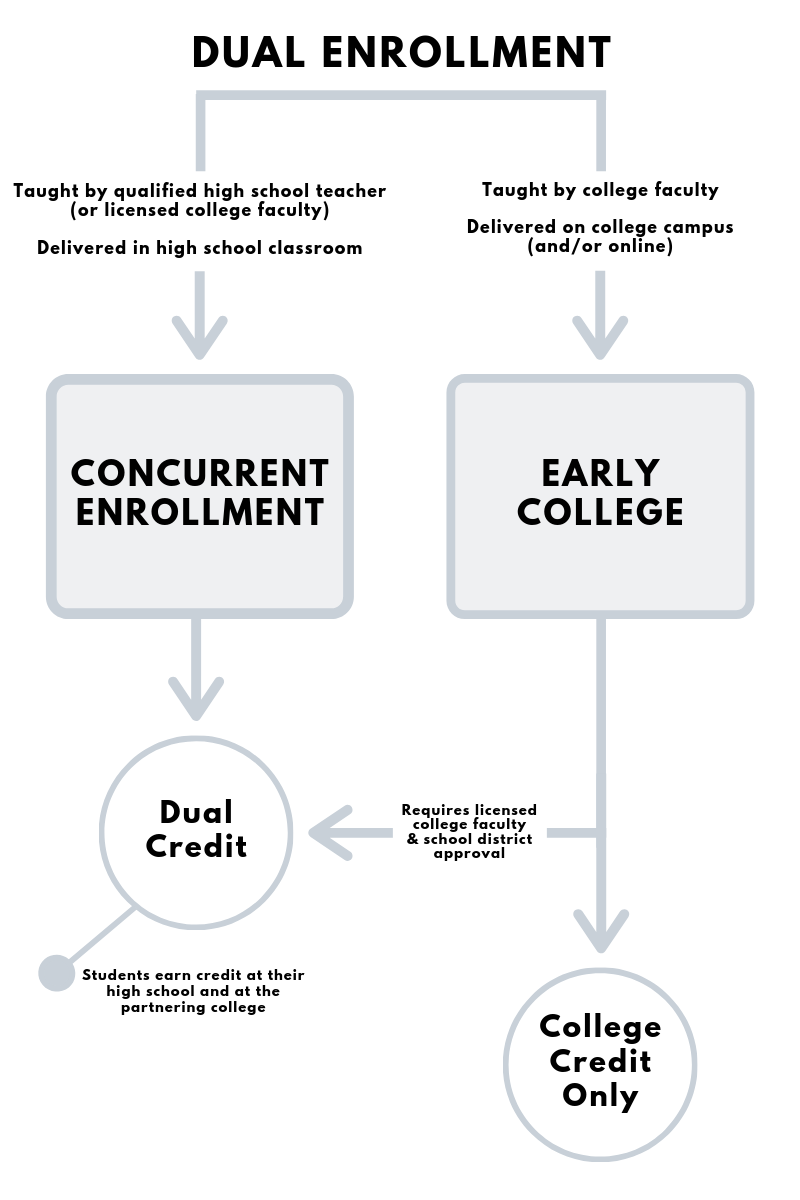
For students and families navigating the often-expensive landscape of higher education, the concept of dual credit is one of the most effective, yet underutilized, financial strategies available. At its core, a dual credit course is an academic program that allows high school students to enroll in college-level coursework, earning credit that counts simultaneously toward their high school diploma and their future college degree. By leveraging these courses, families can significantly alter the long-term return on investment for their education, effectively “hacking” the high cost of university tuition while still in secondary school.
The Financial Mechanics of Dual Credit
Dual credit courses serve as a bridge between the heavily subsidized K-12 system and the high-cost environment of higher education. From a personal finance perspective, they represent an arbitrage opportunity: acquiring high-value university credits at a fraction of the market rate.
Tuition Savings and Cost Avoidance
The primary financial benefit of dual credit is the direct reduction of total tuition costs. Most dual credit programs are either free, funded by state grants, or offered at a steeply discounted rate through partnerships between school districts and local community colleges. When a student earns 12 to 24 credits before graduating high school, they are essentially bypassing one or two semesters of college. At a public university, where the average cost per credit hour can range from $300 to $800, completing a semester’s worth of coursework early can save a family between $5,000 and $10,000 in tuition, fees, and textbook costs.
Opportunity Costs and Time-to-Degree
Beyond the sticker price of a credit hour, time is a significant financial asset. By reducing the number of credits required upon matriculation, students can graduate college in three or three-and-a-half years instead of four. This early exit strategy provides two major financial advantages: it cuts down on total room and board expenses—often the most overlooked cost in higher education—and it allows the student to enter the workforce as a full-time professional sooner. In terms of lifetime earnings, an early start to one’s career can result in an additional year of salary and benefits, which, when compounded over a career, creates a substantial wealth-building advantage.
Strategic Planning for Long-Term Value
Treating education like an investment requires foresight. Dual credit is not merely about accumulating credits; it is about strategic planning to ensure those credits yield the highest possible ROI. Not all credits are created equal, and understanding how they transfer is essential to protecting your financial investment.
Credit Transferability and Institutional Requirements
The greatest risk in the dual credit model is “credit leakage”—earning credits that fail to transfer to your chosen university. To maximize value, students must research the transfer policies of their target colleges. Most state universities have “articulation agreements” that guarantee the transfer of dual credit courses taken through specific community colleges. However, private or out-of-state institutions may be more selective.
Before enrolling, students should utilize tools like the Transferology database or contact university admissions offices directly. The goal is to ensure every dual credit course satisfies a general education requirement or a prerequisite, effectively checking off boxes on a degree audit before the student ever sets foot on a university campus.
Enhancing Employability through Early Specialization
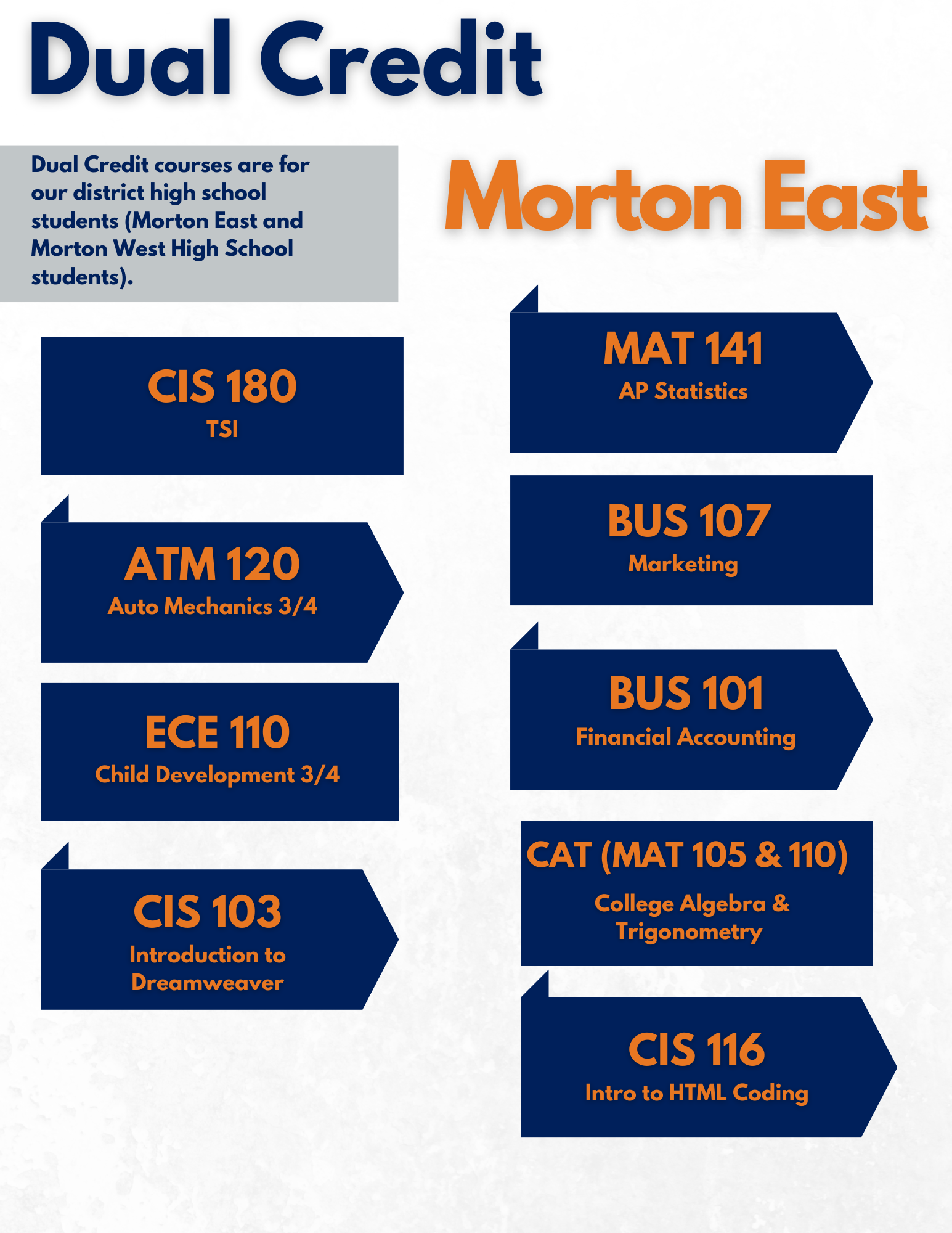
Dual credit programs aren’t just for general education requirements like English Composition or Introduction to Psychology. Many modern partnerships now include career and technical education (CTE) tracks. These courses allow students to gain certifications in fields like cybersecurity, nursing, or welding while still in high school. This approach provides a dual financial benefit: it builds a resume that differentiates the student during the competitive college application process and provides a “safety net” credential that allows the student to work a high-paying side hustle while in college.
The Hidden Impact on Student Debt
The escalating crisis of student loan debt is a central concern for the modern household. Dual credit acts as a front-line defense against the necessity of borrowing, changing the underlying math of the entire degree.
Reducing Loan Principal
Every credit hour earned through a dual credit program is one less credit hour that needs to be financed through student loans. By reducing the total number of hours required for graduation, students are not just saving on the cost of tuition; they are reducing the total interest accrued over the life of a loan. If a student avoids $10,000 in loans through dual credit, they aren’t just saving $10,000—they are saving the thousands of dollars in interest that would have accumulated over a 10-year repayment term.
Maximizing Financial Aid Eligibility
Some families worry that taking dual credit courses will impact their eligibility for merit-based scholarships. In reality, the opposite is often true. A transcript demonstrating successful completion of college-level work makes a student a more competitive candidate for selective scholarships. Furthermore, many merit-based financial aid packages are capped at a certain number of semesters. If a student enters college as a “sophomore” due to dual credit, they can potentially utilize those scholarship funds to complete a double major or begin a master’s degree, effectively increasing the total value of their financial aid package.
Assessing the Risks and Responsibilities
While the financial upside of dual credit is significant, it is an investment that requires personal discipline. If a student performs poorly in a dual credit course, that grade becomes a permanent part of their college transcript.
The Impact on Academic Reputation
In the world of higher education, your GPA is a form of currency. A low grade in a dual credit course can lower a student’s starting college GPA, which might impact their eligibility for certain honors programs or graduate school admissions. From a financial standpoint, this is a risk to future earnings. Students should only enroll in dual credit courses if they possess the time-management skills and academic maturity to succeed. It is better to opt for a lighter course load that ensures an “A” than to overload on credits that compromise the student’s cumulative record.
Budgeting for Hidden Costs
While dual credit is generally a cost-saver, it is not always entirely free. Families must account for ancillary costs such as textbooks, lab fees, or transportation to a local college campus. Before committing, conduct a simple cost-benefit analysis. Calculate the cost of the dual credit course against the cost of the equivalent credit at the intended four-year university. As long as the dual credit option remains substantially cheaper and fulfills a graduation requirement, the math remains in the family’s favor.
Conclusion: The Professional Path Forward
The dual credit model is a cornerstone of modern educational financial planning. It allows students to transform their final years of high school from a period of passive learning into a high-octane phase of intellectual and financial accumulation. By viewing education through the lens of asset management, families can use dual credit to minimize debt, accelerate graduation timelines, and improve long-term financial outcomes. When executed with a focus on credit transferability and academic excellence, these programs represent one of the most effective strategies for navigating the rising costs of higher education.
aViewFromTheCave is a participant in the Amazon Services LLC Associates Program, an affiliate advertising program designed to provide a means for sites to earn advertising fees by advertising and linking to Amazon.com. Amazon, the Amazon logo, AmazonSupply, and the AmazonSupply logo are trademarks of Amazon.com, Inc. or its affiliates. As an Amazon Associate we earn affiliate commissions from qualifying purchases.