
In the vast and ever-evolving landscape of digital communication, punctuation marks play a crucial, often subtle, role in shaping meaning, conveying nuance, and ensuring clarity. While the period, comma, and question mark are universally recognized, a less common yet increasingly significant symbol is the double dash. Often mistaken for a hyphen or an em dash, the double dash, particularly in its common typographical representation as two hyphens (--), serves a distinct purpose, especially within technical contexts and digital content creation.
Understanding the double dash is not merely an academic exercise in grammar. In the realms of technology, branding, and finance – the core pillars of this platform – the double dash can signify a range of important concepts, from coding conventions to marketing terminology. This article will delve into the essence of the double dash, exploring its origins, its varied applications, and its implications across different professional domains. We’ll uncover how this seemingly simple typographical mark can wield considerable influence in how we interact with information, build our brands, and manage our finances in the digital age.
The Humble Origins and Technical Significance of the Double Dash
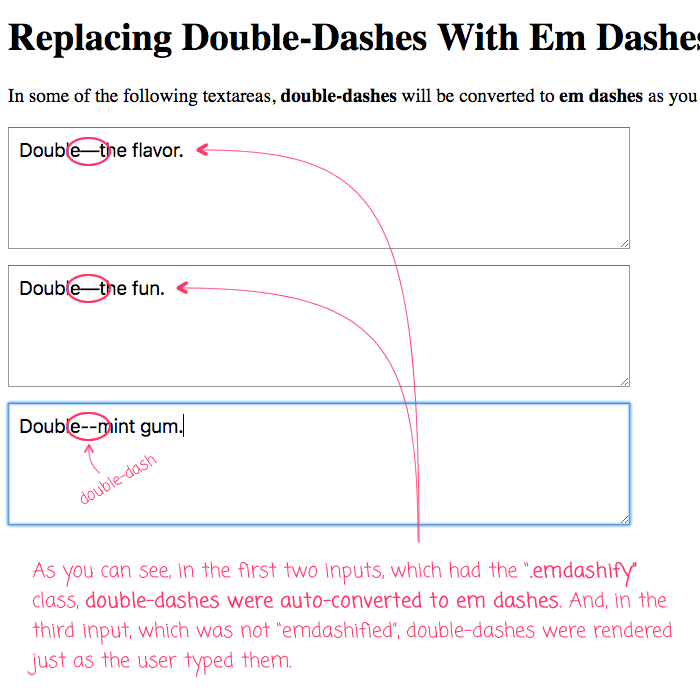
The double dash, often rendered as two consecutive hyphens (--), has its roots in the early days of computing and plain text communication. Before the advent of sophisticated word processors and rich text formatting, users relied on the limited character sets available on keyboards. The hyphen (-) was the most accessible symbol for creating a dash-like effect. To differentiate from a simple hyphen, and to create a longer visual break, the double hyphen emerged as a practical, albeit sometimes visually imperfect, substitute for a true em dash (—).
Code Conventions and Markup Languages
Within the tech world, the double dash holds a special place, particularly in programming, markup languages, and configuration files. Its consistent use as a delimiter or comment indicator has made it a de facto standard in numerous contexts.
-
Command-Line Arguments: In many command-line interfaces (CLIs) used by developers and system administrators, options or flags are often preceded by a single dash for short options (e.g.,
-vfor verbose) and a double dash for longer, more descriptive options (e.g.,--verbose,--output-file). This convention provides a clear visual distinction between single-letter and multi-character arguments, enhancing readability and preventing ambiguity. For instance, in a hypothetical command likegit commit --message "Initial commit", the--messageclearly indicates the parameter it’s defining, separating it from any potential single-character flags. This adheres to established standards like POSIX, promoting interoperability and ease of use across different Unix-like systems. -
Configuration Files: Many software applications utilize configuration files to store settings and parameters. Within these files, the double dash can be employed to denote comment lines. Anything appearing after a double dash on a line is typically ignored by the software, allowing users to add explanatory notes, disable certain settings temporarily, or document their configurations. This practice is common in various scripting languages and system configuration tools. For example, in a
.gitconfigfile, you might find:[user] name = Jane Doe email = jane.doe@example.com -- This section is for experimental features [experimental] feature_enabled = falseHere, the double dash clearly delineates a comment explaining the purpose of the subsequent
[experimental]section. -
Markup and Documentation: In some simpler markup languages or documentation generators, the double dash can be used to signal specific formatting or structural elements. While not as prevalent as in command-line interfaces, its presence in certain niche tools underscores its adaptability. For example, some lightweight markup syntaxes might use
--to denote a horizontal rule or a thematic break in content.
The consistent use of the double dash in these technical scenarios is crucial for maintaining consistency, reducing errors, and enabling efficient communication between humans and machines. It’s a testament to how a simple typographical convention can become an integral part of a complex technological ecosystem.
The Distinction from Hyphens and Em Dashes
It’s essential to clarify the double dash’s position relative to its typographical cousins: the hyphen (-) and the em dash (—).
-
Hyphen (
-): This is the shortest dash, primarily used to join words (e.g., “well-being”), to separate syllables in word division, or to create compound modifiers. It has a visual weight that is typically less than a pause in speech. -
Em Dash (
—): This is a longer dash, often used to set off parenthetical phrases, indicate a sudden break in thought, or signify a range. Typographically, it’s the width of the letter ‘M’ in the font being used. In many digital contexts, especially where rich text formatting is available, the em dash is the preferred character for these purposes. -
Double Dash (
--): When rendered as two hyphens, the double dash attempts to mimic the appearance and function of an em dash, particularly in environments where the true em dash character is not easily accessible or supported. While it can serve a similar purpose of creating a visual separation, it can sometimes appear less elegant or refined than a true em dash, depending on the font and spacing. However, its ubiquity in plain text and its established use in technical contexts give it its own unique validity. The key takeaway is that while it can function like an em dash, its origin and primary technical applications are distinct.
Double Dashes in the Realm of Branding and Communication
Beyond its technical applications, the double dash has found its way into various aspects of branding, marketing, and personal expression. While its use here is often more about stylistic choice and strategic communication, it carries symbolic weight that can influence perception.
Enhancing Clarity and Emphasis in Marketing Copy
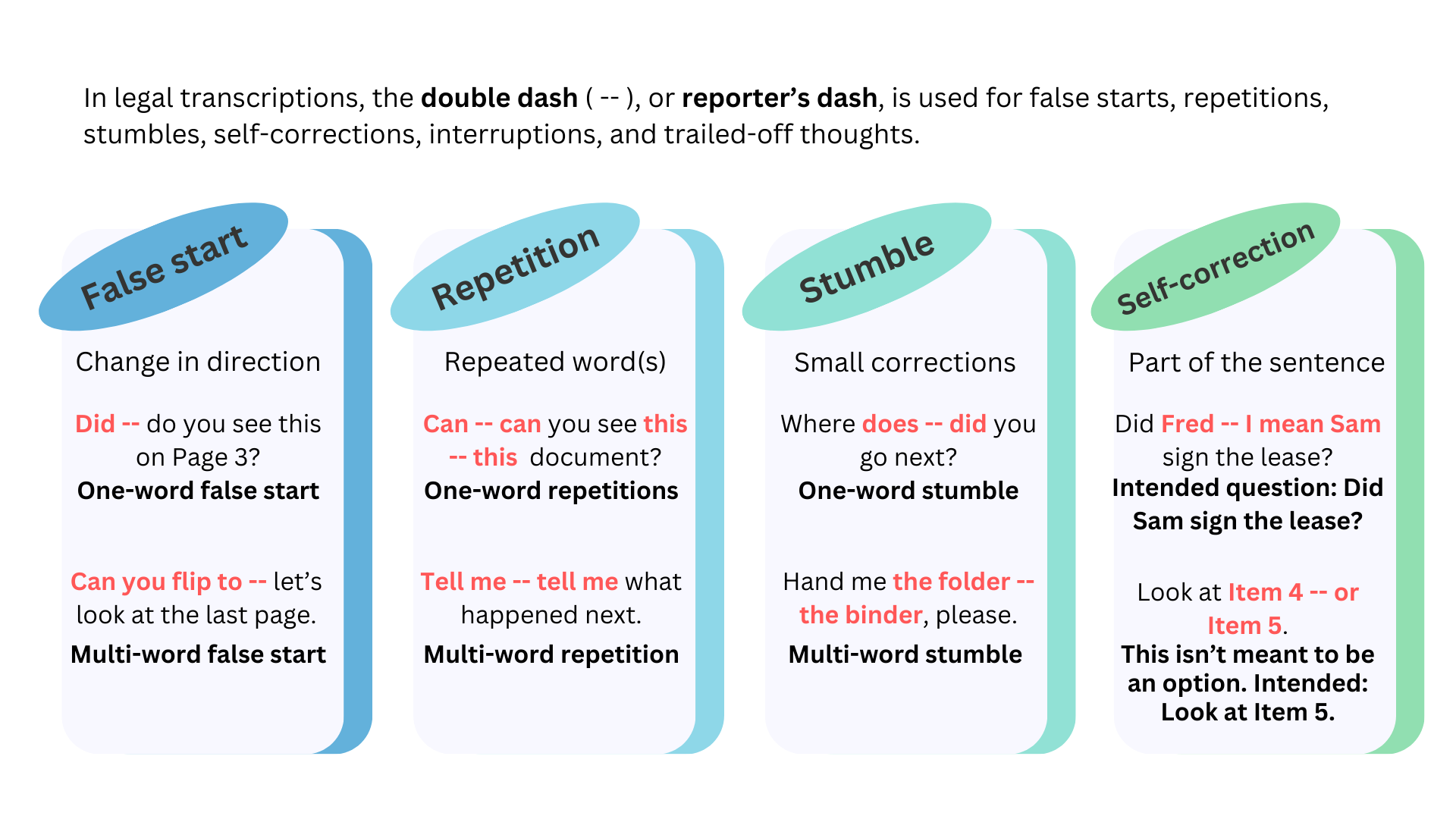
In marketing and branding, clarity and impact are paramount. The double dash can be strategically employed to draw attention to specific words or phrases, guiding the reader’s eye and emphasizing key messages.
-
Setting Apart Key Benefits or Features: A brand might use double dashes to highlight particularly compelling benefits or unique selling propositions within their marketing materials. For example, a product description could read: “Experience unparalleled speed — and effortless usability. This device is built for performance.” The double dash here creates a subtle pause and emphasizes the dual advantage of speed and ease of use.
-
Creating a Distinctive Voice: For some brands, especially those aiming for a modern, tech-savvy, or direct tone, the double dash can contribute to a unique stylistic voice. It can convey a sense of directness and conciseness, differentiating them from brands that rely solely on traditional punctuation. This can be particularly effective in social media posts, ad copy, or website headlines where brevity and impact are crucial.
-
Visual Punctuation for Impact: In graphic design and visual branding, the double dash can be integrated as a design element. It can be used as a visual separator in layouts, a graphical motif, or even as a stylized representation of their brand name or slogan. This transcends simple punctuation and becomes part of the brand’s visual identity. For instance, a company named “Connect–Now” might stylize the double dash to be a core part of their logo.
Personal Branding and Digital Identity
Individuals building their personal brands online can also leverage the double dash, though with a slightly different focus.
-
Professional Titles and Subtitles: In online profiles, résumés, or website bylines, a double dash can effectively separate a main title from a subtitle or a descriptor. For example: “Marketing Strategist — Specializing in Digital Transformation” or “Author — Award-Winning Science Fiction.” This provides a clear and concise way to convey different facets of one’s professional identity.
-
Distinguishing Online Personas: In certain online communities or platforms where users might have multiple roles or identities, the double dash can help delineate these. For example, someone might use it to separate their professional online persona from their more casual or creative one on different platforms.
The strategic use of the double dash in branding and personal identity is about intentionality. It’s about understanding how punctuation can influence perception and using it as a tool to communicate specific messages and establish a distinct presence in the digital sphere.
The Financial Implications of Double Dashes
While not as directly tied to financial terminology as, say, percentage signs or currency symbols, the double dash can indirectly influence financial outcomes through its role in technology and business operations.
Efficiency and Cost Savings in Technical Operations
The consistent use of clear and unambiguous notation, including the double dash in technical contexts, contributes to operational efficiency.
-
Reduced Errors in Software Development and Deployment: In software development, clear command-line arguments and well-commented configuration files (often utilizing double dashes) minimize the chances of misinterpretation, leading to fewer bugs and faster deployment cycles. This direct impact on development time translates into cost savings for businesses.
-
Streamlined Automation and Scripting: Automated processes and scripts often rely on precise syntax. The double dash, as a recognized delimiter, makes it easier to write and maintain these scripts, which can automate repetitive tasks, further reducing labor costs and increasing productivity.
-
Improved Data Management: In data analysis and database management, consistent notation aids in querying and processing information. While not a direct financial term, the ability to accurately and efficiently manage data underpins sound financial decision-making and reporting.

Clarity in Business Communication and Reporting
For businesses, clear and concise communication is vital for financial transparency and investor relations.
-
Internal Reporting: When internal reports or memos use consistent formatting, including the strategic use of double dashes for emphasis or separation, it can improve the readability and comprehension of financial data and strategic plans. This clarity can lead to better-informed decisions.
-
External Communications: In client-facing communications or investor presentations, the effective use of punctuation, including the subtle impact of double dashes for emphasis, contributes to a professional and trustworthy image. A well-presented document instills confidence, which can indirectly influence investment decisions or client partnerships.
While the double dash itself doesn’t represent a monetary value, its role in fostering clarity, efficiency, and professionalism across technology, branding, and business operations contributes to a more robust and profitable financial environment. It’s a reminder that even the smallest elements of communication can have far-reaching consequences.
In conclusion, the double dash, often seen as a simple typographical mark, is far more than meets the eye. From its foundational role in technical commands and coding conventions to its strategic deployment in branding and its indirect impact on financial efficiency, the -- is a versatile symbol that continues to shape our digital interactions. Understanding its nuances allows us to communicate more effectively, build stronger brands, and operate more efficiently in today’s interconnected world.