
In the hyper-competitive landscape of global commerce, the “Donut Peach”—scientifically known as Prunus persica var. platycarpa—serves as one of the most compelling case studies in product differentiation and strategic rebranding. To the casual observer, it is a flattened, sweet heirloom fruit. To a brand strategist, it represents a masterclass in how to take a generic commodity and transform it into a premium, high-demand lifestyle product through clever naming, visual identity, and targeted market positioning.
When we ask “what is a donut peach,” we are not merely asking about its botanical properties. We are exploring how a product’s physical form-factor can be leveraged to disrupt an established category, create a new sub-market, and command a price premium that traditional competitors simply cannot reach.

The Anatomy of a Brand: Why the Donut Peach Transcends the Commodity Trap
In marketing, the “Commodity Trap” occurs when products are so similar that consumers make purchasing decisions based solely on price. For decades, the peach industry suffered from this. A peach was a peach; whether it was from Georgia or California, it was a round, fuzzy fruit sold by weight. The Donut Peach broke this cycle by introducing a radical shift in product design.
Visual Identity as a Competitive Advantage
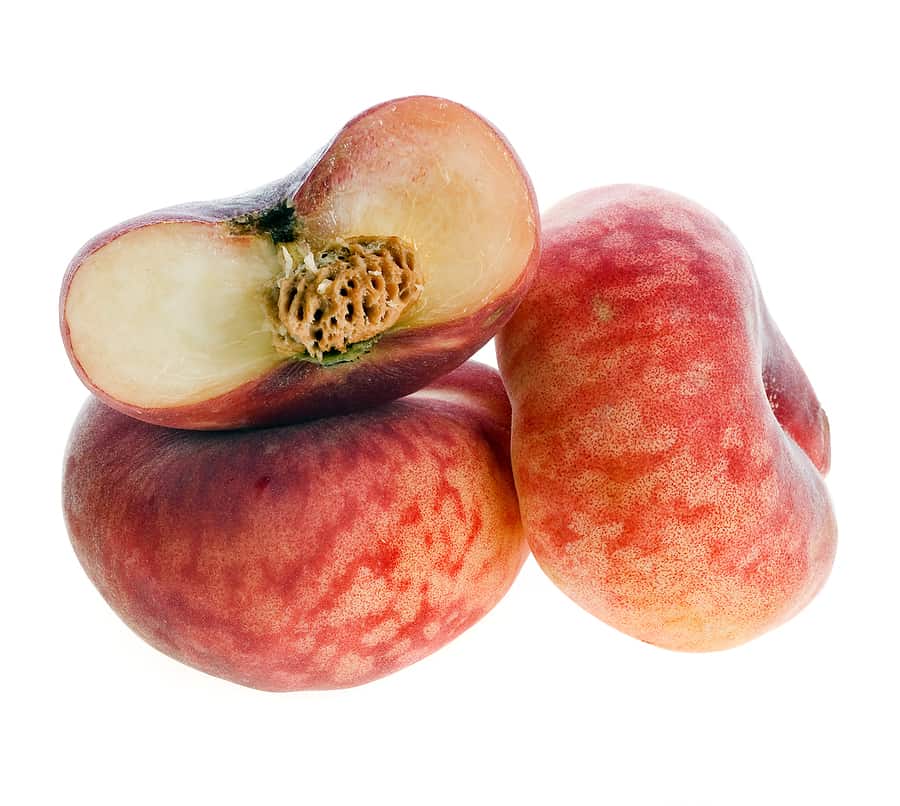
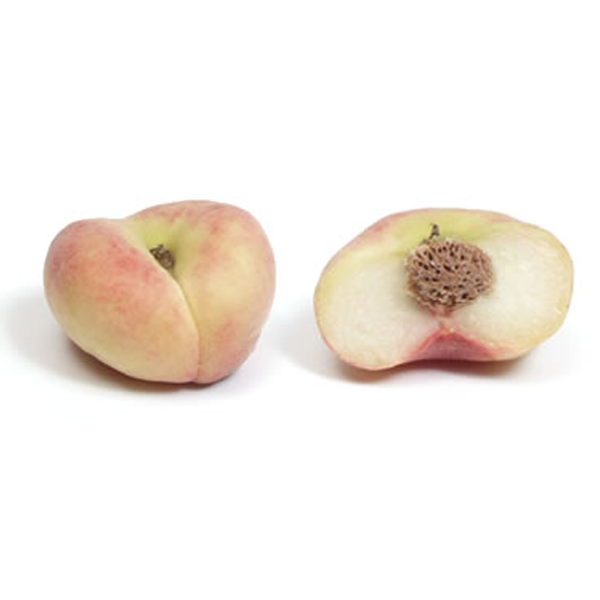
The most striking feature of the Donut Peach is its shape. Unlike the traditional globose peach, the Donut Peach is oblate—squat and flat with a sunken center. In the world of brand strategy, this is referred to as “disruptive aesthetics.” When a consumer walks down a grocery aisle, their brain is wired to recognize patterns. The spherical nature of most stone fruits creates a “visual blur.” The Donut Peach breaks that pattern. Its unique silhouette acts as a natural “stop sign,” forcing the consumer to pause. This visual interruption is the first step in successful brand engagement.
User Experience (UX) in Agricultural Design
Modern brand strategy often borrows from the world of software development, particularly the concept of User Experience (UX). The Donut Peach is a “UX-optimized” fruit. Traditional peaches can be messy to eat; their size and shape often lead to juice running down the consumer’s chin, and the large pit can be difficult to navigate.
The Donut Peach, however, features a smaller pit that often “pops out” easily, and its flatter profile makes it easier to bite into without making a mess. By identifying and solving a specific pain point—the “messiness” of the fruit-eating experience—the Donut Peach rebranded itself as a convenient, “snackable” alternative to the standard peach.
Market Positioning and the Power of Rebranding: From Pan-Tao to Saturn
One of the most vital lessons in brand strategy is the importance of a name. A product’s name dictates its cultural context, its perceived value, and its target demographic. The journey of the Donut Peach is a prime example of how linguistic rebranding can unlock new markets.
The Evolution of a Name
Historically, this fruit was known in Asia as the Pan-Tao (Flat Peach). While culturally significant in Chinese mythology as the “Peach of Immortality,” the name lacked resonance in Western markets. When it was first introduced to broader audiences, it was often relegated to specialty ethnic markets.
The turning point came when marketers began utilizing more evocative, Western-centric descriptors. The “Saturn Peach” brand was born out of its resemblance to the ringed planet, appealing to a sense of wonder and novelty. Later, the “Donut Peach” moniker was adopted to lean into the “comfort food” trend. By associating a healthy fruit with a popular (though unhealthy) treat like a donut, brands successfully hijacked the consumer’s dopamine response associated with sweets.
Creating a Premium Category
By rebranding the flat peach, producers were able to move it from the “Standard Fruit” category to the “Specialty/Premium” category. This transition is crucial for brand longevity. In the premium category, price sensitivity decreases. Consumers are no longer looking for the cheapest fruit; they are looking for the best experience. This allowed retailers to price Donut Peaches at a significant markup—often 50% to 100% higher than traditional peaches—despite the production costs being relatively similar.
Scarcity and Seasonal Exclusivity: Driving Brand Value Through Limitation
A core pillar of brand strategy is the management of supply and demand to create perceived value. The Donut Peach utilizes the “Limited Time Offer” (LTO) psychological framework naturally due to its shorter growing season and delicate nature.
The “Drop” Culture of Produce
In the same way that fashion brands like Supreme or tech companies like Apple utilize “product drops” to create frenzy, the arrival of Donut Peaches in stores creates a sense of seasonal urgency. Because they have a thinner skin and a shorter shelf life than traditional peaches, they are not available year-round in most regions.
Strategic brands lean into this scarcity. Marketing campaigns often emphasize that these peaches are “here for a limited time,” which triggers the Fear Of Missing Out (FOMO) among affluent consumers. This scarcity transforms a simple purchase into an “event,” strengthening the emotional connection between the consumer and the product.
Fragility as a Quality Signal
In brand strategy, a weakness can often be rebranded as a strength. The Donut Peach is notoriously fragile; it bruises easily and requires careful handling. While this presents a logistical challenge for the supply chain, it serves as a “quality signal” to the consumer. In the luxury market, fragility often equates to authenticity and freshness. By positioning the Donut Peach as a delicate, hand-handled artisanal product, brands distance themselves from the mass-produced, “bulletproof” fruits found in discount bins.
Lessons for Modern Marketers: Applying the Donut Peach Framework
The success of the Donut Peach is not an accident of nature; it is the result of a deliberate alignment of product features with consumer psychology. Brands across all sectors—from SaaS startups to boutique hotels—can learn from this agricultural phenomenon.
Identifying the “Flatness” in Your Industry
To replicate the success of the Donut Peach, a brand must identify the “flatness” in its own industry—the unique, perhaps overlooked feature that contradicts the industry standard.
- H3: Authenticity Over Perfection. Just as the Donut Peach’s “odd” shape became its selling point, brands should look for “authentic imperfections” that differentiate them from polished, corporate competitors.
- H3: Solving for “Small Wins.” The Donut Peach succeeded by making the pit easier to remove. In branding, solving a small, recurring frustration for your user can create more loyalty than a massive, complex feature.
- H3: Strategic Re-Naming. If a product is struggling to gain traction, it may not be a product failure, but a naming failure. Evaluate whether your current branding resonates with the aspirational identity of your target audience.
The Role of Storytelling in Brand Longevity
Finally, the Donut Peach thrives because it has a story. Whether it is the myth of the immortality-giving Pan-Tao or the whimsical imagery of a “Saturn” ring, the fruit is wrapped in narrative. Modern brands must realize that they are not selling features; they are selling stories.
When a consumer buys a Donut Peach, they aren’t just buying 100 calories of fruit; they are buying a conversation starter, a seasonal ritual, and a premium experience. They are participating in a brand narrative that values flavor, novelty, and ease of use over the mundane routine of the everyday.
In conclusion, a Donut Peach is more than just a sweet, flat stone fruit. It is a testament to the power of strategic brand positioning. By focusing on unique visual identity, optimizing the user experience, rebranding for cultural relevance, and leveraging the psychology of scarcity, the Donut Peach has carved out a permanent—and highly profitable—niche in the global market. For any brand strategist or business leader, the lesson is clear: even in a field as old as agriculture, there is always room to innovate, differentiate, and dominate through the power of a well-executed brand.
aViewFromTheCave is a participant in the Amazon Services LLC Associates Program, an affiliate advertising program designed to provide a means for sites to earn advertising fees by advertising and linking to Amazon.com. Amazon, the Amazon logo, AmazonSupply, and the AmazonSupply logo are trademarks of Amazon.com, Inc. or its affiliates. As an Amazon Associate we earn affiliate commissions from qualifying purchases.