
The seemingly simple question, “what is a dollar worth?”, belies a complex interplay of economic forces, global dynamics, and psychological perceptions that constantly reshape its purchasing power. Far from a fixed entity, the value of a dollar is a fluid metric, essential for every individual, investor, and business to understand in the realm of personal and business finance. Its worth is not merely its face value, but what it can acquire—a concept that fluctuates with time and economic conditions.
The Shifting Sands of Purchasing Power
At its core, the worth of a dollar is defined by its purchasing power: how many goods and services it can buy. This power is under constant assault or enhancement by fundamental economic forces.
Inflation: The Silent Eroder of Value
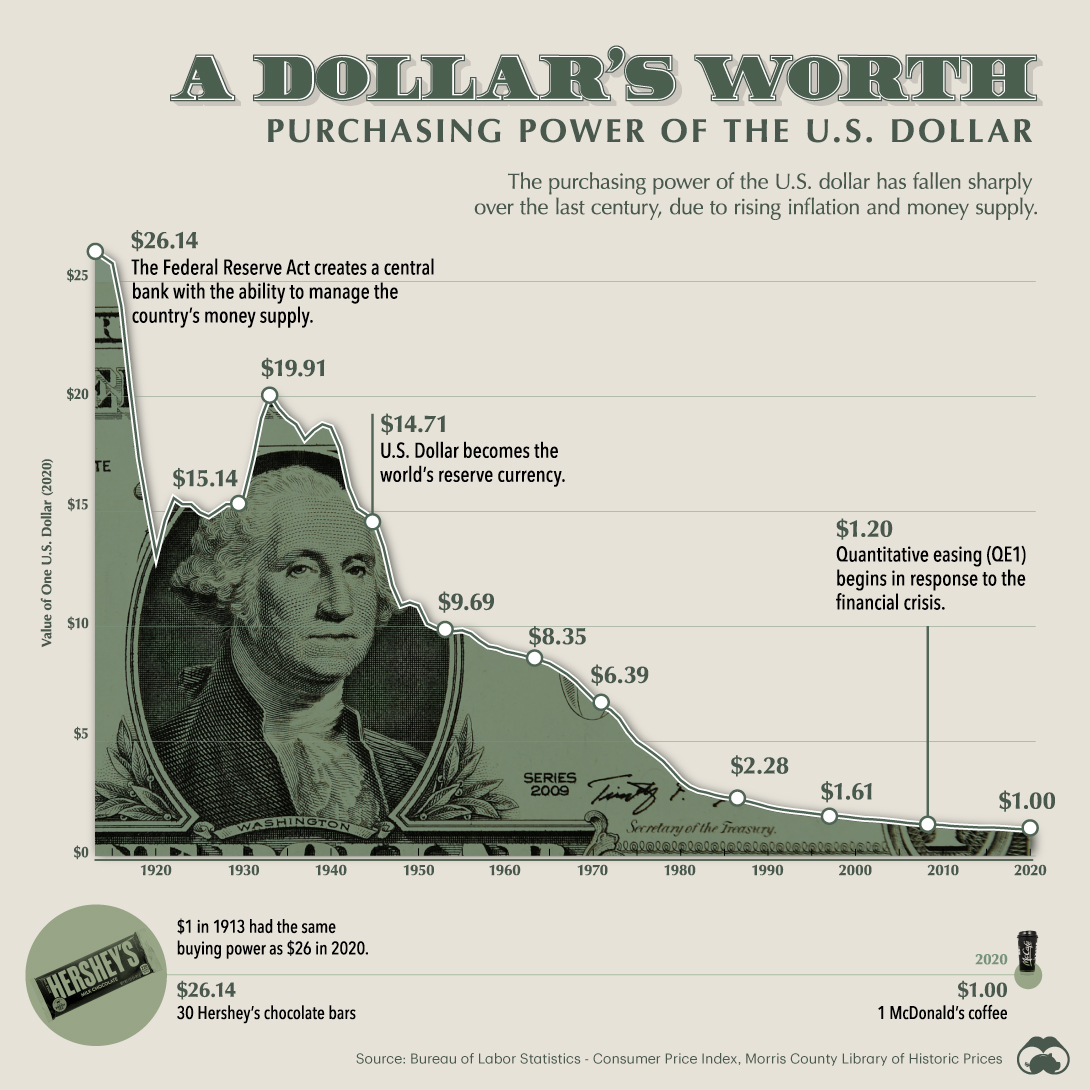
Inflation is perhaps the most critical factor determining a dollar’s worth over time. It represents the rate at which the general level of prices for goods and services is rising, and consequently, the purchasing power of currency is falling. When inflation is high, your dollar buys less than it did before. This phenomenon is often described as a “silent tax” because it gradually diminishes the value of savings and income without an overt withdrawal.
Economists commonly measure inflation using indices such as the Consumer Price Index (CPI), which tracks the average change over time in the prices paid by urban consumers for a market basket of consumer goods and services. A CPI increase means that the cost of living has risen, and your dollar’s effective worth has decreased. For instance, an item that cost $100 twenty years ago might cost $180 today, implying that today’s dollar has less purchasing power for that specific item. This continuous erosion makes long-term financial planning challenging, as the future value of a dollar saved today is uncertain. The impact is seen everywhere, from the rising cost of groceries and gasoline to housing and healthcare, demanding that personal finance strategies account for this depreciating reality.
Deflation: A Different Kind of Economic Challenge
While inflation is widely discussed, deflation represents the opposite: a general decline in prices for goods and services, often associated with a contraction in the supply of money and credit in an economy. While lower prices might sound appealing, widespread and sustained deflation is typically a sign of severe economic distress. Consumers may delay purchases in anticipation of even lower prices, leading to reduced demand, decreased production, job losses, and a downward spiral. For businesses, deflation means lower revenues and profits, making debt repayment more difficult. In such an environment, the dollar’s purchasing power would increase, but this often comes at the cost of economic stagnation or recession, which can still negatively impact overall financial well-being through job insecurity and reduced investment opportunities.
Factors Influencing a Dollar’s Value
Beyond inflation and deflation, a multitude of factors, both domestic and international, continuously weigh on the dollar’s worth. Understanding these influences is crucial for anyone managing personal finances or making business decisions.
Economic Indicators and Central Bank Policy
The health of the domestic economy, signaled by various economic indicators, profoundly affects the dollar’s value. Gross Domestic Product (GDP) growth indicates economic expansion or contraction. Strong job reports and low unemployment rates suggest a robust economy, which typically bolsters confidence in the currency. Consumer confidence and retail sales figures reflect spending habits and economic optimism.
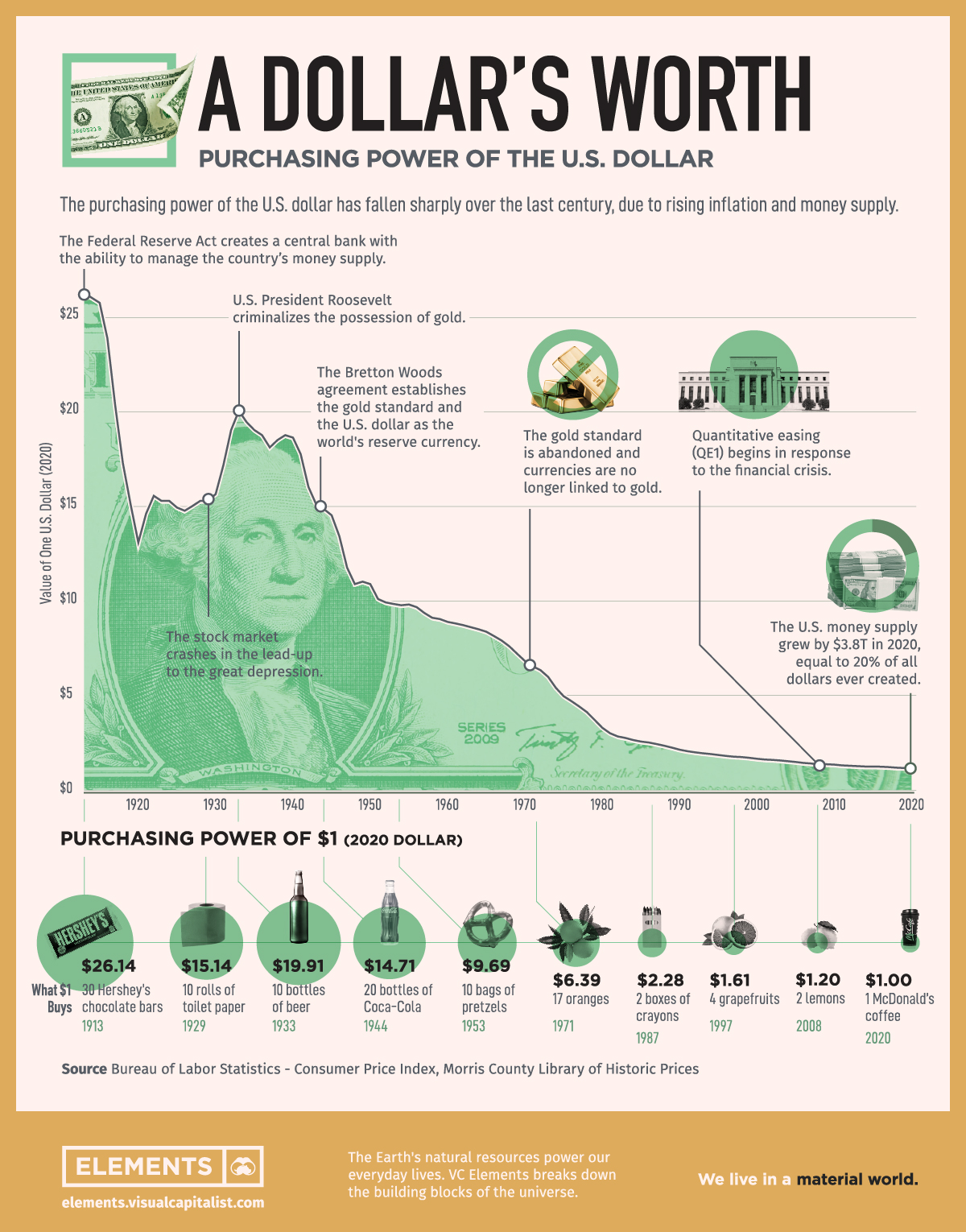
Crucially, the Federal Reserve (the U.S. central bank) plays a pivotal role through its monetary policy. By adjusting interest rates, the Fed influences borrowing costs and investment returns. Higher interest rates typically attract foreign capital, increasing demand for the dollar and strengthening its value. Conversely, lower rates can weaken the dollar. Tools like quantitative easing (injecting money into the economy) or quantitative tightening (removing money) also directly impact the money supply and, consequently, the dollar’s worth. These decisions are closely watched by global markets, as they dictate the cost of capital and investment attractiveness.
Global Dynamics and Exchange Rates
The U.S. dollar holds a unique position as the world’s primary reserve currency and is widely used in international trade and finance. This global demand adds a layer of complexity to its valuation. Exchange rates—the value of one currency in relation to another—are a direct measure of the dollar’s international worth. When the dollar strengthens against other major currencies like the Euro, Yen, or Pound, it means U.S. goods become more expensive for foreign buyers, potentially impacting exports, while imports become cheaper for U.S. consumers.
Geopolitical stability, international trade balances, and the economic performance of other major global economies all contribute to exchange rate fluctuations. For instance, a flight to safety during global crises often sees investors flocking to the dollar, temporarily increasing its worth due to its perceived stability. Conversely, large trade deficits (where a country imports more than it exports) can put downward pressure on the dollar’s value, as more dollars are sent abroad than are returning.
Debt and Fiscal Policy
Government fiscal policy, encompassing spending and taxation, also impacts the dollar’s value. High levels of national debt, if perceived as unsustainable, can erode confidence in a currency. When a government consistently spends more than it collects in taxes, it often finances the deficit by issuing more government bonds, which can increase the money supply or compete with other investments for capital. While some level of national debt is common, excessive or rapidly expanding debt can signal future inflation (if the central bank monetizes the debt) or a risk of default, both of which would significantly diminish the dollar’s worth. Investor sentiment regarding a nation’s fiscal responsibility is a critical, albeit often overlooked, determinant of its currency’s long-term stability and value.
Beyond Monetary Value: The Dollar as a Symbol
While its economic utility is paramount, the dollar’s worth extends beyond mere purchasing power; it holds significant symbolic value that underpins its global influence.
Reserve Currency Status and Global Influence
The dollar’s role as the world’s leading reserve currency grants it immense power and stability. Central banks around the globe hold vast reserves of U.S. dollars, and a substantial portion of international trade, particularly in commodities like oil, is invoiced in dollars. This pervasive use means there’s constant global demand for the dollar, which helps support its value even during times of domestic economic uncertainty. This status allows the U.S. government to borrow at lower rates and exert significant financial leverage on the world stage. However, it also means the dollar’s value is influenced by global economic health and geopolitical events far beyond U.S. borders. Any challenges to this reserve status, such as the emergence of a viable alternative or a shift towards multi-currency trade agreements, could profoundly impact the dollar’s long-term worth and geopolitical standing.
The Psychology of Money and Perceived Value
The worth of a dollar isn’t purely objective; it’s also shaped by collective human psychology. Consumer confidence, investor sentiment, and overall economic outlook all play a role in how the dollar’s value is perceived and acted upon. If consumers believe their money will be worth less in the future, they may spend it more quickly, potentially fueling inflation. Conversely, if they anticipate deflation, they might hoard cash. For investors, confidence in the stability and future growth of the U.S. economy directly translates into demand for dollar-denominated assets. This psychological dimension means that market narratives, media coverage, and public trust in financial institutions can sometimes move markets and influence currency values as much as hard economic data. The perception of the dollar’s stability and strength can become a self-fulfilling prophecy, making it a critical aspect of its overall “worth.”
Protecting and Growing Your Dollar’s Worth
Given the dollar’s dynamic nature, a proactive approach to personal and business finance is essential to preserve and enhance its purchasing power over time.
Strategic Personal Finance Approaches
The first line of defense against the erosion of the dollar’s worth is sound personal financial management. Budgeting and diligent expense management are fundamental. By tracking where money goes, individuals can optimize spending and ensure resources are allocated effectively. Reducing high-interest debt, such as credit card balances, is crucial because the interest paid represents a direct loss of future purchasing power. Building an emergency fund—typically 3-6 months’ worth of living expenses—in an accessible, interest-bearing account (even if the interest rate barely keeps pace with inflation) provides a safety net, preventing forced asset sales during financial shocks. These foundational steps ensure that the dollars earned are managed efficiently and are available for future growth.
Investing for Inflation Protection and Growth
Simply holding cash is often a losing proposition against inflation. To truly grow or even maintain the real worth of your dollar, investing is imperative. Equities (stocks) have historically offered returns that outpace inflation over the long term, albeit with inherent risks. Investing in companies that can pass on rising costs to consumers or those with strong competitive advantages can be particularly resilient. Real estate, too, can act as an inflation hedge, as property values and rental income tend to rise with general price levels.
While traditional bonds may lose real value during high inflation periods, certain types, like Treasury Inflation-Protected Securities (TIPS), are designed to adjust their principal value with inflation. Diversification across various asset classes—stocks, bonds, real estate, and potentially commodities like gold (often seen as a hedge against currency devaluation)—is critical. A well-diversified portfolio mitigates risk and positions your capital to weather different economic climates, aiming for returns that not only preserve but also grow the real worth of your initial dollar.

Understanding Economic Cycles
A deeper understanding of economic cycles—periods of expansion and contraction—empowers individuals and businesses to make more informed financial decisions. Recognizing the signs of an impending recession (e.g., inverted yield curves, declining manufacturing indices) allows for proactive measures, such as shoring up cash reserves or reducing leverage. Conversely, identifying periods of economic growth presents opportunities for investment in cyclical industries or expansion for businesses. A long-term perspective, rather than reacting to short-term market fluctuations, is vital. By anticipating how economic forces might impact the dollar’s worth, and adjusting financial strategies accordingly, one can better protect and optimize their wealth, ensuring their dollars work harder for them over the evolving economic landscape.
aViewFromTheCave is a participant in the Amazon Services LLC Associates Program, an affiliate advertising program designed to provide a means for sites to earn advertising fees by advertising and linking to Amazon.com. Amazon, the Amazon logo, AmazonSupply, and the AmazonSupply logo are trademarks of Amazon.com, Inc. or its affiliates. As an Amazon Associate we earn affiliate commissions from qualifying purchases.