
In the realm of personal finance, we often discuss diversified portfolios, real estate equity, and high-yield savings accounts. However, one of the most significant “lifestyle assets” a household can acquire is a pet. While the emotional value of a canine companion is immeasurable, the financial implications are stark and multifaceted. At the intersection of municipal law and household budgeting lies a critical, yet often overlooked, financial instrument: the dog licence.
To the uninitiated, a dog licence might seem like a mere bureaucratic triviality—a small metal tag that clinks against a collar. But from a financial and risk management perspective, a dog licence is a foundational regulatory requirement that serves as a contract between the owner, the local government, and the broader economy. It is an annual or multi-year fee that grants legal permission to keep a dog within a specific jurisdiction. Understanding the nuances of this “licence to own” is essential for any pet owner looking to safeguard their finances against unforeseen liabilities and state-mandated penalties.

The Fiscal Reality of Pet Regulation: Beyond the Plastic Tag
When we view a dog licence through the lens of money management, it is essentially a recurring administrative fee. Like a vehicle registration or a professional certification, it represents the cost of maintaining a legal status for a valuable—and potentially high-liability—asset.
Direct Costs and Variable Pricing Models
The price of a dog licence is rarely a flat rate. Municipalities often employ “incentive-based pricing” to encourage behaviors that reduce public expenditure. For instance, the cost of licensing a spayed or neutered dog is significantly lower than licensing an “intact” animal. From a personal finance standpoint, this represents an immediate return on investment (ROI) for the one-time cost of sterilization.
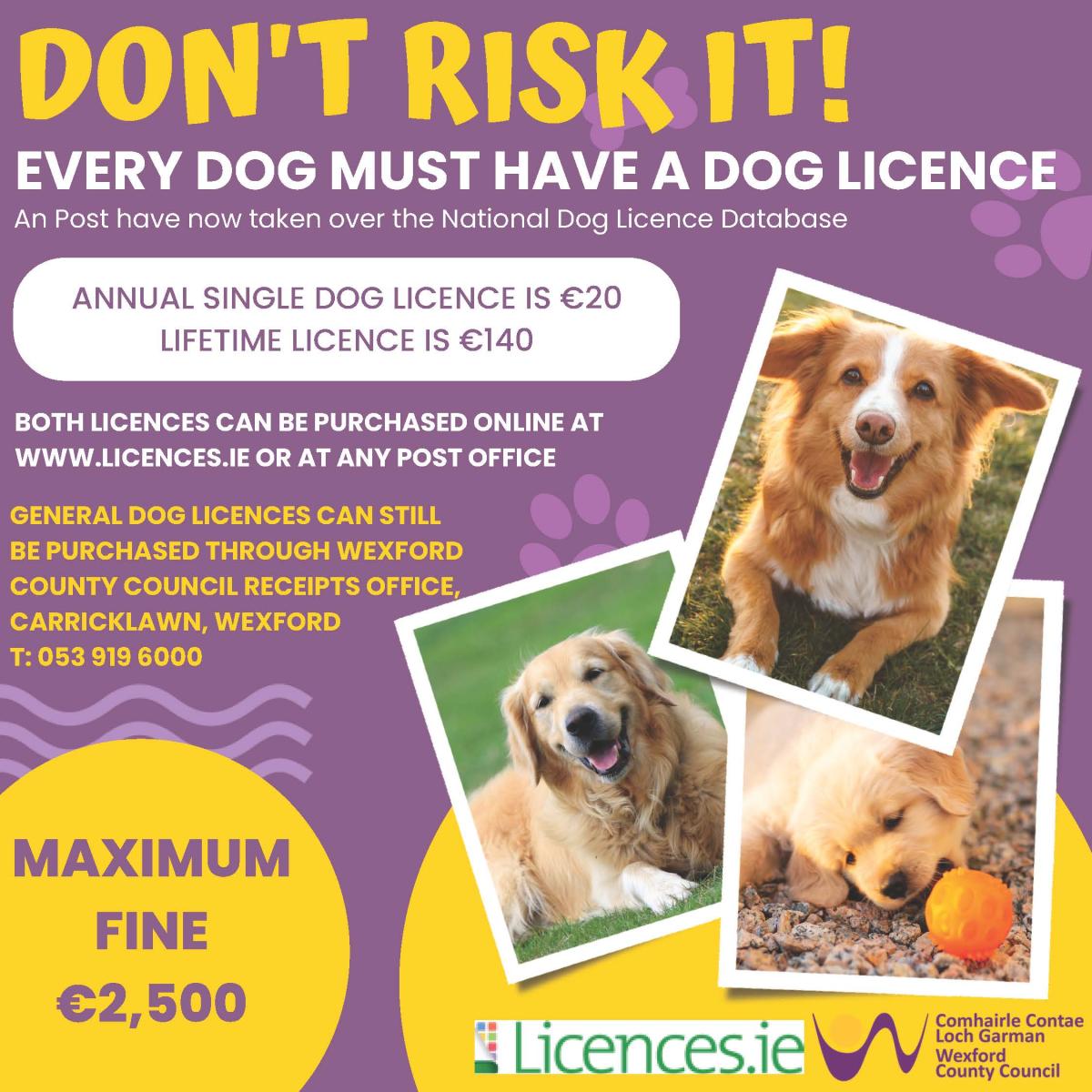
In many urban jurisdictions, a standard annual licence for a sterilized dog might range from $15 to $50, whereas an unsterilized dog could command a fee upwards of $100 to $500. For a long-term budgeter, the delta between these two costs over the 15-year lifespan of a dog can amount to thousands of dollars. Furthermore, many regions offer “senior citizen discounts” or multi-year packages (3-year or lifetime licences) which, much like a long-term bond, allow the owner to lock in current rates and avoid the inflationary pressure of annual fee hikes.
The Hidden Penalties of Non-Compliance
The most significant financial risk associated with dog licensing isn’t the fee itself, but the cost of not paying it. Local governments view unlicensed dogs as a revenue leakage point and a public safety risk. Consequently, the fines for failing to register a pet are designed to be punitive.
A single citation for an unlicensed dog can range from $100 to $1,000, depending on the severity and frequency of the violation. If an unlicensed dog is picked up by animal control, the owner is hit with a “compounded financial blow.” This includes the base fine, impoundment fees (often charged per day), “look-up” fees, and the mandatory purchase of a licence before the animal is released. In a worst-case scenario, the total cost to “bail out” a pet can exceed the monthly mortgage payment of an average household. By treating the licence as a non-negotiable line item in a monthly budget, owners engage in proactive loss prevention.
Risk Mitigation and Asset Protection: The Financial “Why”
In the world of investing and personal finance, risk mitigation is the practice of reducing the impact of potential losses. A dog licence is one of the cheapest forms of risk mitigation available to a household. It acts as a legal safeguard that connects the owner to the animal in the eyes of the law, which is crucial for protecting both the pet and the owner’s net worth.
Impact on Homeowners and Renters Insurance
One of the most profound financial intersections of dog licensing involves the insurance industry. Most homeowners’ or renters’ insurance policies include liability coverage for dog bites or property damage caused by pets. However, insurance companies are in the business of assessing risk.
If a dog causes injury to a third party and the owner is found to be in violation of local licensing laws, the insurance carrier may have grounds to deny the claim. They might argue that the owner was engaging in illegal activity by harboring an unlicensed animal. Without insurance coverage, the owner is personally liable for medical bills, legal fees, and settlement costs, which can easily reach six figures. In this context, a $20 annual licence is not just a fee; it is a prerequisite for maintaining the integrity of a multi-million dollar liability umbrella.
Protecting Your Investment: Identification and Recovery
From a cold, financial perspective, a purebred or highly trained dog is a high-value asset. Some breeds can cost upwards of $5,000 to purchase, with thousands more invested in training and healthcare. If that asset goes missing, the financial loss is total.
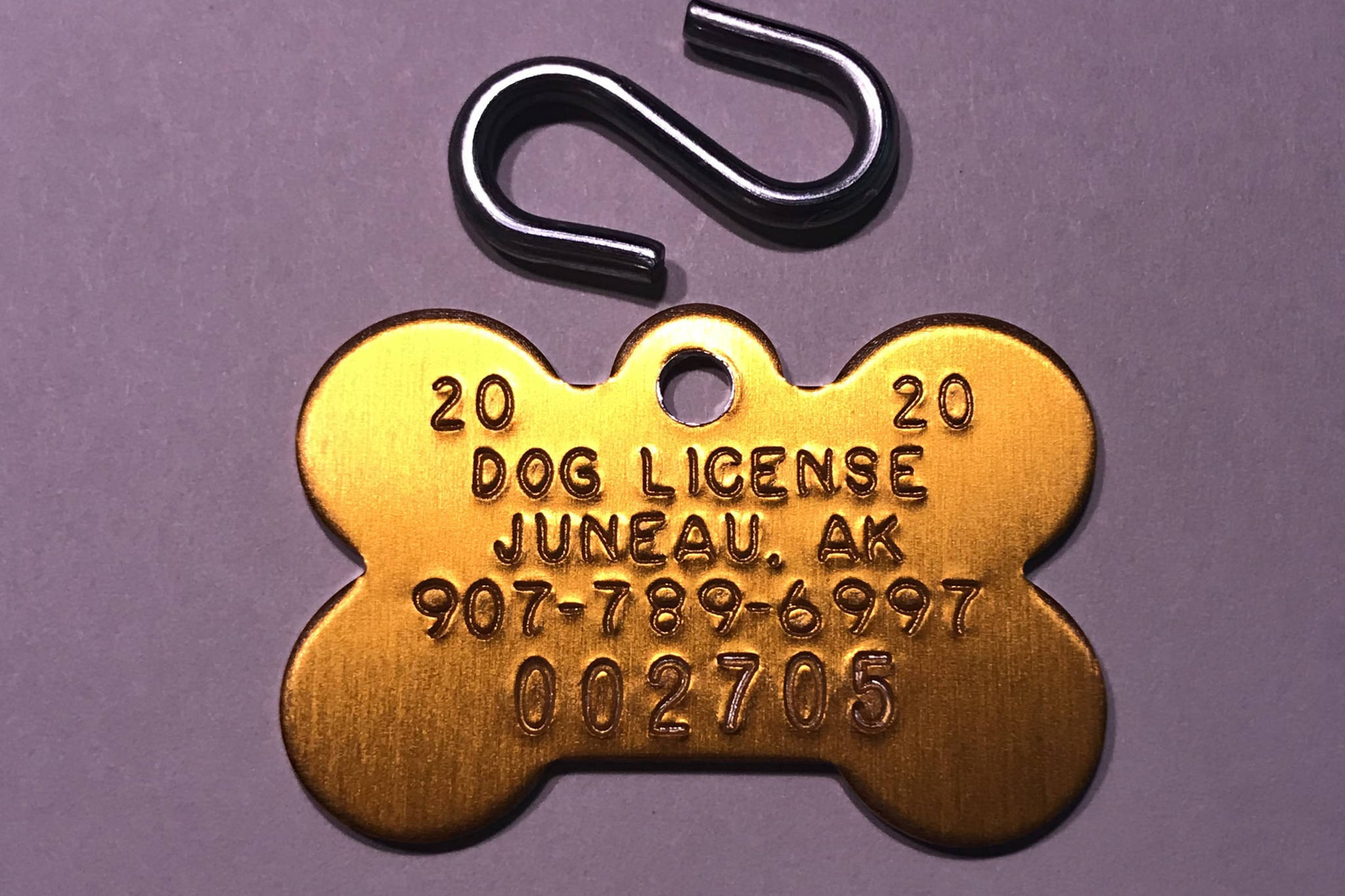
A dog licence serves as a critical recovery tool. While microchips are vital, a visible licence tag is the quickest way for a neighbor or a law enforcement officer to identify the owner. Fast recovery prevents the accumulation of “shelter fees” and reduces the likelihood of the asset being “liquidated” (adopted out to another family or, in tragic cases, euthanized). By maintaining a current licence, an owner is essentially paying a small premium for an asset-recovery service that is integrated into the local government’s infrastructure.
The Business of Dogs: Licensing as a Commercial Prerequisite
For those who view dogs not just as companions but as part of a business strategy—such as professional breeders, show dog handlers, or pet-sitting entrepreneurs—licensing moves from the realm of personal finance into corporate compliance and business finance.
Professional Breeding and the Cost of Compliance
For a commercial breeding operation, dog licences are a standard operating expense. However, the regulatory landscape here is more complex. Professional “kennel licences” are often required once a person owns more than a specific number of dogs (usually 3 to 5).
These commercial licences are significantly more expensive than individual ones, but they also grant the business the legal right to operate within a residential or commercial zone. Failing to secure these licences can lead to “cease and desist” orders, which can effectively bankrupt a small business overnight. In the context of business finance, ensuring that every “unit of inventory” (every dog) is properly licensed is essential for maintaining the business’s “License to Operate” and avoiding catastrophic legal intervention.
Tax Implications and Deductible Business Expenses
For individuals who use dogs for income-generating activities—such as security, livestock herding, or professional breeding—the costs associated with dog licensing may be tax-deductible. In many tax jurisdictions, if a dog is classified as a “working animal” or “business asset,” the fees paid to the city for licensing are considered necessary business expenses.
This allows the owner to reduce their taxable income, effectively lowering the “net cost” of the licence. However, this requires meticulous record-keeping. A professional business owner must track every licence renewal, tag fee, and municipal surcharge to ensure they are maximizing their deductions during tax season. Here, the dog licence is no longer just a fee; it is a line item in a Profit and Loss (P&L) statement.
Macro-Economic Impacts: How Licensing Fees Stabilize Local Markets
While we often focus on the individual’s wallet, it is worth examining the macro-financial impact of dog licences. These fees are not absorbed into a general “slush fund”; rather, they are typically reinvested into the community’s “animal economy,” which supports public health and local businesses.
Public Health as a Financial Safeguard
A primary requirement for obtaining a dog licence in almost every jurisdiction is proof of rabies vaccination. This creates a powerful economic link between licensing and public health. By mandating vaccination as a barrier to entry for licensing, the government reduces the financial burden of managing a rabies outbreak.
The cost of treating a single human for rabies exposure can exceed $10,000. On a city-wide scale, an outbreak could cost millions in emergency response and lost productivity. Therefore, the licensing system acts as a collective “insurance pool” where small individual contributions (the licence fee) fund the regulatory oversight that prevents massive public health expenditures.
Funding the Infrastructure of the Pet Industry
Finally, the revenue generated from dog licences often funds the infrastructure that allows the pet industry to thrive. This includes the maintenance of dog parks, the operation of municipal shelters, and the employment of animal control officers who keep streets safe for consumers.
A well-regulated pet environment increases property values. Neighborhoods that are known for being “pet-friendly” and having well-managed animal populations often see higher demand for real estate. For a homeowner, the $30 annual dog licence contributes to a local ecosystem that preserves their home’s equity. In the grand scheme of money management, the dog licence is a micro-investment in the community’s desirability and safety, ensuring that the local “pet economy” remains a stable and contributing part of the broader financial landscape.
aViewFromTheCave is a participant in the Amazon Services LLC Associates Program, an affiliate advertising program designed to provide a means for sites to earn advertising fees by advertising and linking to Amazon.com. Amazon, the Amazon logo, AmazonSupply, and the AmazonSupply logo are trademarks of Amazon.com, Inc. or its affiliates. As an Amazon Associate we earn affiliate commissions from qualifying purchases.