
In the rapidly evolving landscape of personal vaporization devices, the “DMT vape” represents a specialized application of existing technology tailored for a unique substance. Far from a simple off-the-shelf product, understanding what constitutes a DMT vape requires delving into the specific technological adaptations and design considerations that enable the efficient and controlled vaporization of N,N-Dimethyltryptamine (DMT). This discussion will dissect the technical anatomy of such devices, exploring the fundamental principles of vaporization, the specialized components involved, and the engineering challenges overcome to deliver a consistent and user-friendly experience, all while adhering strictly to the lens of technological innovation and device mechanics.
Understanding the Core Technology: Vaping Devices
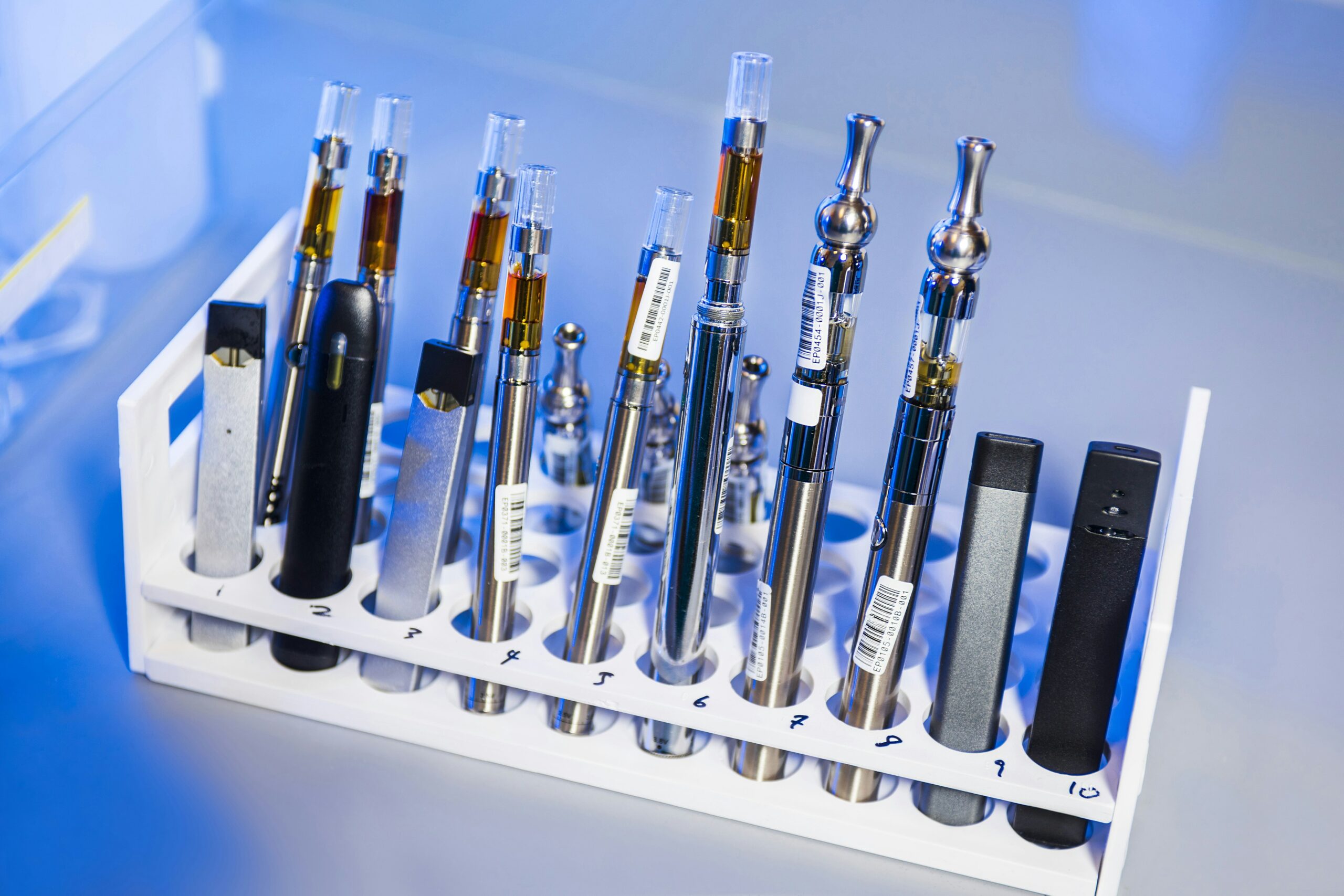
At its heart, a DMT vape is fundamentally a specialized vaporizer. To grasp its specificities, one must first comprehend the broader technological framework of vaping devices. These gadgets are engineered to heat a substance to a temperature where it transforms into a vapor without combustion, allowing for inhalation. This process is distinct from smoking, which involves burning material.
The Fundamental Mechanics of Vaporization
Vaporization relies on the principle of heat transfer. An electrical current from a battery powers a heating element, typically a coil, which then raises the temperature of the material in contact with it. For liquids, this creates an aerosol, while for solids or crystalline substances, it directly turns the material into a gas phase, or vapor. The key is precise temperature control; too low, and insufficient vaporization occurs; too high, and pyrolysis (combustion) or degradation of the active compound can happen, leading to undesirable byproducts. Modern vaporizers employ sophisticated circuitry and sensors to maintain an optimal temperature range, ensuring efficiency and purity of the inhaled product.
Key Components of a Modern Vape Device
Regardless of the substance being vaporized, most electronic vaping devices share a common architecture:
-
Battery: The power source, typically a rechargeable lithium-ion cell, dictates device longevity and heating power.
-
Atomizer/Heating Chamber: This is where the magic happens. It contains the heating element (often a coil or ceramic plate) and the material to be vaporized. The design varies significantly based on whether it’s for e-liquids, dry herbs, or concentrates.
-
Coil/Heating Element: Made from resistant wires (e.g., Kanthal, stainless steel, nickel, titanium) or ceramic, it rapidly heats up when current passes through it. The resistance of the coil determines how quickly it heats and how much power it draws.
-
Wicking Material (for liquids): Cotton or other absorbent materials draw liquid to the coil for vaporization. This is less relevant for solid concentrates like DMT.
-
Mouthpiece: The ergonomic component through which the vapor is inhaled.
-
Control Circuitry: Microprocessors and sensors manage power output, temperature, safety features, and user interface elements like screens or buttons.
Evolution of Vaping Technology
The journey of vaping technology has seen rapid advancements, from rudimentary “cigalikes” to powerful box mods and sophisticated portable dry herb vaporizers. Early devices were often simple constant-voltage systems. Modern iterations feature variable wattage/voltage, temperature control (TC) modes, customizable heating curves, and even smart features like app connectivity. This evolution has been driven by demands for greater efficiency, safety, customization, and the ability to vaporize a wider array of substances with precision. The development of TC technology, in particular, was a game-changer, allowing users to set a specific maximum temperature, thereby preventing overheating and ensuring consistent vapor quality.
DMT Vaping Specifics: Adapting Technology for a Unique Substance
The generic principles of vaporization become highly specific when applied to DMT. N,N-Dimethyltryptamine, in its freebase form, is a crystalline solid at room temperature with distinct physical and chemical properties that necessitate particular technological considerations for effective vaporization.
The Chemical Properties of DMT and Vaporization Requirements
DMT freebase typically melts at a relatively low temperature (around 44-49°C or 111-120°F) and then vaporizes at a slightly higher, yet still moderate, temperature (above 150°C or 302°F). The critical challenge is to efficiently transition the solid to vapor without degrading the compound through excessive heat. Overheating can lead to the “burning” of DMT, producing harsh, acrid smoke rather than smooth vapor, and potentially forming inactive or even toxic pyrolysis products. This narrow window for optimal vaporization demands highly precise temperature control and efficient heat transfer mechanisms.
Design Considerations for DMT Vapes
Given the unique properties of DMT, specialized design elements are crucial:
-
Direct-to-Coil or Concentrate Pad Heating: Unlike e-liquids that use wicks, DMT freebase is usually placed directly onto a heating element or a dedicated concentrate pad. This requires materials that can withstand direct contact with the substance and efficiently transfer heat. Ceramic or quartz concentrate pads are often favored for their inertness and ability to heat evenly.
-
Optimized Heating Chambers: The chamber design must facilitate even distribution of heat and efficient vapor collection. A compact chamber minimizes dead air space and maximizes the concentration of vapor for inhalation.
-
Material Compatibility: All materials in contact with the DMT or its vapor must be chemically inert and heat-resistant to prevent leaching of harmful substances or degradation of the DMT itself. Medical-grade stainless steel, quartz, ceramic, and specific types of high-temperature-resistant glass are common choices.
-
Efficiency: Due to the often limited quantities of DMT used, maximizing the conversion of solid to vapor is paramount. This involves minimizing waste through precise heating and effective vapor path design.
Specialized Atomizers and Heating Elements
Many general-purpose concentrate vaporizers can be adapted for DMT, but specialized designs offer superior performance. These often feature:
-
Dab-style Coils/Atomizers: These are common in devices designed for cannabis concentrates. They typically involve an exposed coil (quartz or ceramic rod wrapped with resistance wire) or a ceramic/quartz “cup” style atomizer. These provide direct and intense heat.
-
Specific Temperature Profiles: While generic vaporizers offer temperature control, a “DMT vape” might come pre-programmed or be specifically calibrated to deliver temperatures optimal for DMT, potentially with rapid heat-up times and sustained temperature curves tailored for vaporization rather than combustion.
-
Insulation and Airflow: Effective insulation around the heating chamber helps maintain temperature stability, while carefully engineered airflow paths ensure the vapor is cooled slightly before inhalation and effectively delivered to the user.
User Interface and Device Management
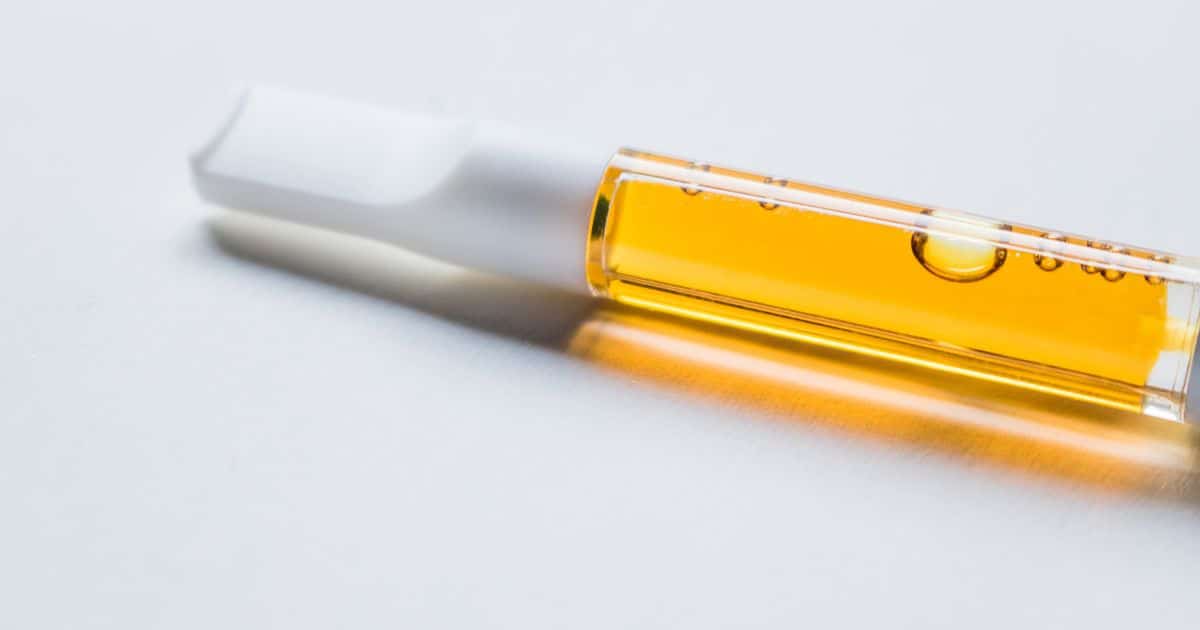
The technological sophistication of a DMT vape extends beyond its heating mechanism to how users interact with the device. A well-designed user interface (UI) and robust device management features are critical for safety, consistency, and overall user experience.
Temperature Control Systems and Their Importance
As highlighted, precise temperature control is non-negotiable for DMT vaporization. Modern DMT-capable vapes utilize advanced temperature control (TC) systems. These systems typically work by monitoring the change in resistance of the heating coil as it heats up (Temperature Coefficient of Resistance, TCR). The device’s microprocessor uses this data to infer the coil’s temperature and dynamically adjust power output to maintain the user-set temperature. This prevents the coil from exceeding a certain temperature, thereby mitigating the risk of combustion and ensuring a consistent vapor. Some devices offer adjustable TCR values, allowing users to fine-tune the temperature sensing for different coil materials. For DMT, this level of precision ensures that the compound vaporizes effectively without degradation.
Power Management and Battery Life Optimization
The power requirements for heating concentrates can be substantial, demanding efficient battery management. DMT vapes, especially portable ones, need to balance rapid heat-up times with reasonable battery life. This often involves:
-
High-Capacity Batteries: Typically lithium-ion cells with capacities ranging from 1000mAh to 3000mAh or more, depending on device size and power output.
-
Efficient Power Delivery: Advanced chipsets optimize power draw, ensuring that only the necessary power is supplied to the heating element, reducing waste and extending battery life per charge.
-
Fast Charging Technology: Many modern devices incorporate USB-C ports and fast-charging capabilities, minimizing downtime.
-
Battery Safety Features: Overcharge protection, over-discharge protection, short-circuit protection, and automatic cut-off timers are standard features to ensure user safety and extend battery longevity.
Smart Features and Digital Integration
The trend of digital integration has also found its way into sophisticated vaping devices. While not universal, some high-end DMT-capable vaporizers may offer:
-
Smartphone App Connectivity: Via Bluetooth, users can access enhanced controls, customize temperature profiles, monitor battery life, track usage statistics, and even update firmware. This level of customization allows users to create bespoke vaporization experiences tailored to their specific needs and the substance properties.
-
Pre-programmed Profiles: Devices might include pre-set temperature profiles optimized for various concentrates, making it easier for users to select the ideal setting for DMT without extensive experimentation.
-
Haptic Feedback: Vibrations can signal when the device has reached the desired temperature or when a session is complete, providing discreet and intuitive feedback.
-
Display Screens: OLED or LED screens provide real-time information on temperature, battery life, wattage, and other relevant settings, enhancing user control and transparency.
Safety Protocols and Technological Safeguards
Beyond performance, the technological design of a DMT vape critically incorporates safety features to protect the user and the device itself. These safeguards are integral to professional-grade electronic gadgets.
Overheating Protection and Circuitry Design
One of the most crucial safety features in any vaping device is protection against overheating. Prolonged high temperatures can damage the device, deplete the battery rapidly, and potentially lead to thermal runaway in lithium-ion batteries.
-
Automatic Cut-off: Most devices have a timer (e.g., 10-15 seconds) that automatically cuts off power to the heating element after a continuous draw, preventing the device from getting too hot and conserving battery.
-
Temperature Limiters: In TC modes, the circuitry actively prevents the coil from exceeding the set temperature, directly addressing the risk of material combustion.
-
Thermal Sensors: Integrated thermal sensors monitor the device’s internal temperature and will shut down operations if temperatures rise to unsafe levels.
-
Ventilation: Proper chassis design includes ventilation ports to dissipate heat generated by the battery and heating element, preventing internal components from overheating.
Material Safety and Purity Standards
The materials used in the construction of a DMT vape are critical for user safety, particularly those in the vapor path or in contact with the substance.
-
Food-Grade/Medical-Grade Materials: Components that interact with the substance or vapor are typically made from inert, high-temperature-resistant materials like medical-grade stainless steel, ceramic, quartz, or borosilicate glass. These materials are chosen because they do not off-gas harmful chemicals when heated and do not react with the substance being vaporized.
-
Lead-Free Soldering: Circuit boards often use lead-free solder to prevent exposure to heavy metals.
-
Non-Toxic Components: Plastics used for outer casings or buttons are selected to be heat-resistant and free from harmful chemicals like BPA.
-
Quality Control: Reputable manufacturers adhere to strict quality control processes to ensure material integrity and consistency, minimizing the risk of defects that could compromise safety.
User Error Mitigation through Design
Technological design also aims to minimize the impact of user error.
-
Intuitive Controls: Simple, clear button layouts and easy-to-read displays reduce confusion and incorrect operation.
-
Error Messages: Devices can display specific error codes (e.g., “Atomizer Short,” “Low Battery”) to guide users in troubleshooting.
-
Child Lock/Security Features: Some devices include a passcode or multi-click button sequence to activate/deactivate, preventing accidental use, especially by minors.
-
Robust Construction: Durable casings and well-secured internal components protect against damage from drops or impacts, which could otherwise compromise electronic safety.
These integrated safety features collectively create a more reliable and secure user experience, reflecting the sophisticated engineering behind modern vaporization technology.
The Future of DMT Vaping Technology
The technological trajectory of personal vaporizers, including those adapted for DMT, continues to evolve at a rapid pace. Future innovations will likely focus on enhanced efficiency, user experience, and integration, pushing the boundaries of what these compact devices can achieve.
Advancements in Material Science and Efficiency
Future advancements will undoubtedly leverage breakthroughs in material science to create even more efficient and safer heating elements and vapor paths.
-
Next-Generation Heating Elements: Expect to see further development in heating technologies beyond traditional coils, such as advanced ceramic matrices, induction heating systems, or even micro-electromechanical systems (MEMS) heaters. These could offer faster heat-up times, more precise temperature control at a microscopic level, and greater durability.
-
Smart Materials: Self-cleaning or anti-fouling materials for heating chambers could reduce maintenance, while new insulating materials could further improve thermal efficiency, ensuring more of the applied energy goes directly into vaporization.
-
Biocompatible Components: The push for increasingly inert and biocompatible materials will continue, minimizing any potential interactions between the device and the substance or the user. This includes developments in advanced glass ceramics and novel polymers designed for high-temperature applications.
Miniaturization and Portability
The trend towards smaller, more discreet, and highly portable electronic devices will persist. As battery technology improves (e.g., higher energy density solid-state batteries) and electronic components shrink, DMT vapes are likely to become even more compact without sacrificing power or functionality.
-
Integrated Designs: Expect further integration of components, leading to sleeker, unibody designs that are easier to carry and less prone to breakage.
-
Optimized Power Consumption: Microprocessors and heating algorithms will become even more power-efficient, extending battery life in smaller form factors.
-
Modular Systems: While compact, future devices might also feature modular components that allow for easy replacement or upgrades of specific parts (e.g., atomizers, batteries) without replacing the entire unit, promoting sustainability and user customization.

Enhanced User Experience and Customization
The user experience will continue to be a primary focus, with technology enabling unprecedented levels of personalization and ease of use.
-
AI-Powered Customization: Future devices could incorporate AI to learn user preferences, automatically suggest optimal temperature settings based on the specific substance and desired effects, or even adapt heating profiles in real-time based on inhalation patterns.
-
Advanced Sensory Feedback: Beyond haptic feedback, devices might integrate subtle light cues or even auditory prompts to guide the user through the vaporization process.
-
Ecosystem Integration: Vapes could become part of a broader “smart ecosystem,” potentially integrating with health monitoring apps (though this is more relevant for regulated substances), or offering cloud-based profile storage and sharing.
-
Modular Software/Firmware: Over-the-air firmware updates will become more sophisticated, allowing devices to gain new features, improve performance, or adapt to new substance profiles long after purchase, ensuring longevity and adaptability.
In conclusion, a DMT vape is a sophisticated piece of technology, an electronic gadget engineered with precision to address the unique chemical properties of N,N-Dimethyltryptamine. Its development showcases the ongoing advancements in vaporization science, material engineering, and intelligent device management. From its core heating mechanics and specialized components to its integrated safety protocols and future trajectory, the DMT vape stands as a testament to how technology adapts and evolves to meet highly specific user requirements within the vast landscape of personal electronic devices.
aViewFromTheCave is a participant in the Amazon Services LLC Associates Program, an affiliate advertising program designed to provide a means for sites to earn advertising fees by advertising and linking to Amazon.com. Amazon, the Amazon logo, AmazonSupply, and the AmazonSupply logo are trademarks of Amazon.com, Inc. or its affiliates. As an Amazon Associate we earn affiliate commissions from qualifying purchases.