
The concept of money has evolved dramatically throughout human history, from bartering and commodity currencies to metallic coins, paper notes, and now, increasingly, purely digital forms. A digital currency, at its core, is any form of money or monetary value that exists exclusively in electronic form. Unlike physical cash, which can be held and exchanged tangibly, digital currencies are stored, transacted, and verified through computer systems, often across vast networks. This fundamental shift has profound implications for personal finance, global commerce, investment strategies, and the very structure of financial systems worldwide. Understanding digital currency is no longer just for tech enthusiasts; it’s essential for anyone navigating the modern financial landscape.
The Foundational Concept of Digital Currencies
To truly grasp what a digital currency entails, it’s crucial to delineate its characteristics and distinguish it from traditional forms of money, particularly physical cash. While credit card payments and online banking transactions might seem like digital money, digital currencies represent a more fundamental evolution in the nature of money itself.
Defining Digital Money
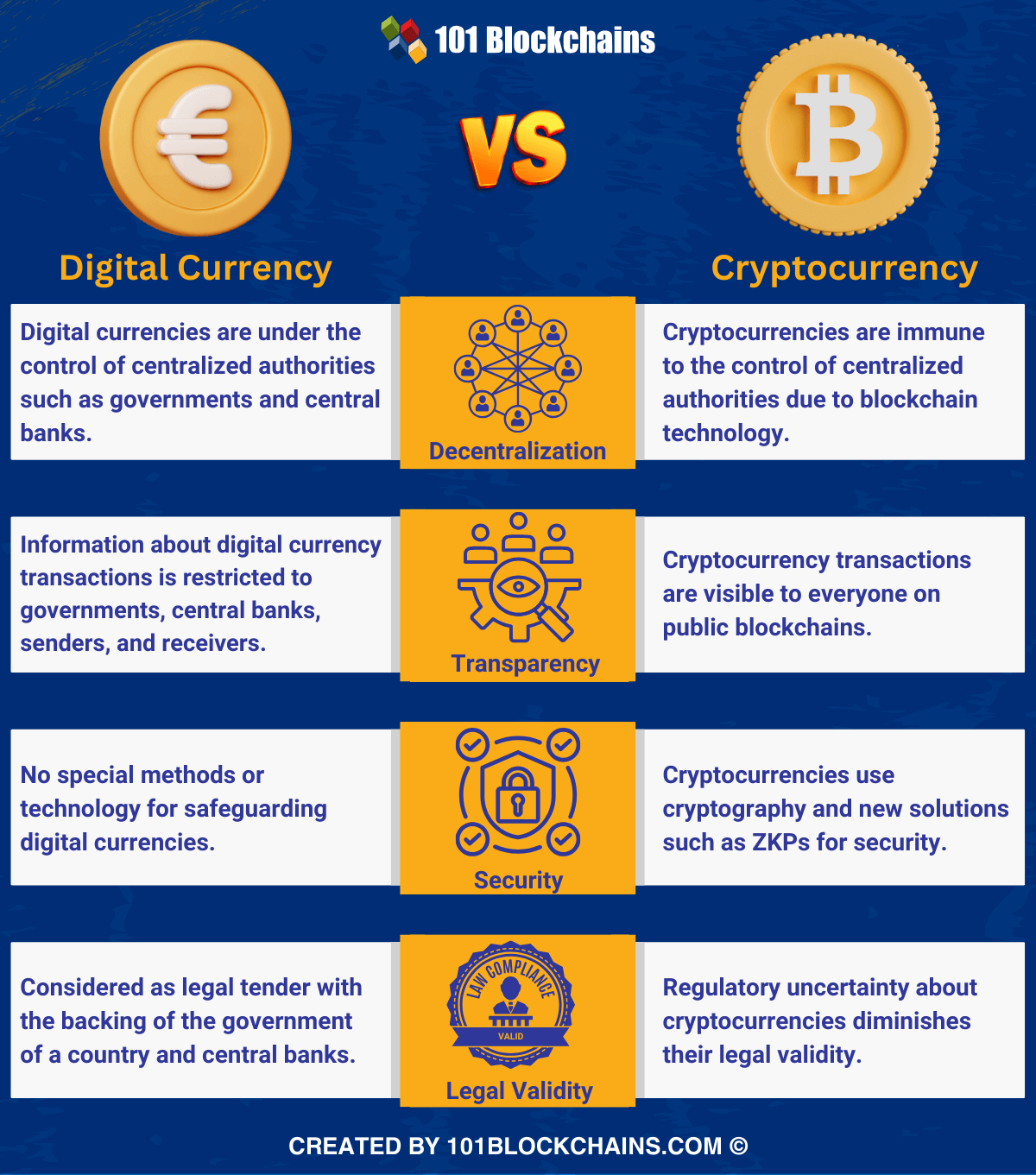
Digital currency, also known as digital money, electronic money, or cybercash, refers to any currency available in digital or electronic form. It operates solely through digital means, facilitating instantaneous transactions without the need for physical intermediaries or paper documentation. These currencies can be centralized, like the funds in your bank account accessible via debit cards and online transfers, or decentralized, as exemplified by many cryptocurrencies. The defining characteristic is its non-physical existence; its value is represented by data and secured by cryptographic protocols or centralized ledgers. This digital nature allows for unprecedented speed, lower transaction costs in many cases, and global reach, reshaping how individuals and businesses manage their financial affairs.
Digital vs. Physical Fiat: A Key Distinction
The primary difference between digital currency and traditional physical fiat currency lies in their tangible nature. Physical fiat currency, such as banknotes and coins issued by a central government, can be physically held, touched, and exchanged directly. Its value is derived from government decree and public trust. Digital currencies, conversely, exist only as entries in a distributed ledger or a centralized database. When you use a debit card, you’re accessing a digital representation of your fiat currency. However, “digital currency” often refers to more advanced forms like cryptocurrencies or Central Bank Digital Currencies (CBDCs), which are native digital assets designed specifically for digital environments.
While your online bank balance is indeed a digital representation of fiat money, true digital currencies are designed from the ground up to be digital assets. This distinction is vital for understanding their unique properties, such as programmable money, immutability, and the potential for direct peer-to-peer transactions without traditional banking intermediaries. For investors and financial planners, this means evaluating a new class of assets with distinct risk profiles and opportunities for portfolio diversification and wealth accumulation.
The Diverse Landscape of Digital Currencies
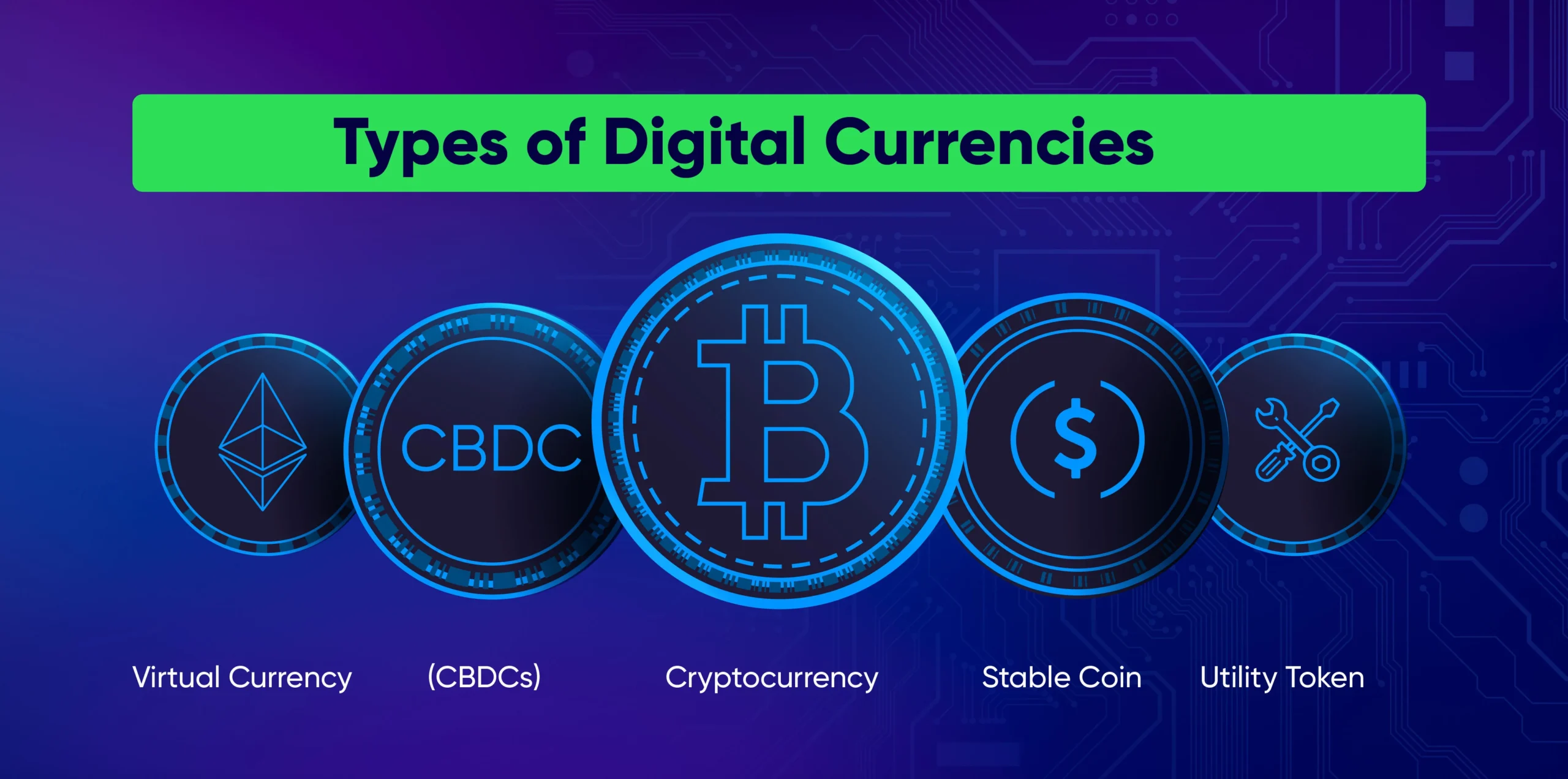
The term “digital currency” is an umbrella concept encompassing various types, each with unique characteristics, purposes, and implications for financial markets and individual wealth management. Navigating this landscape requires understanding the nuances between these categories.
Cryptocurrencies: The Decentralized Revolution
Perhaps the most well-known form of digital currency, cryptocurrencies, emerged with Bitcoin in 2009. They are characterized by their decentralized nature, meaning they are not subject to government or financial institution control. Cryptocurrencies utilize cryptography for security and operate on a technology known as a blockchain – a distributed, immutable ledger that records all transactions across a network of computers. This decentralization and cryptographic security aim to offer transparency, censorship resistance, and often, pseudonymity.
From a financial perspective, cryptocurrencies represent a new asset class. Bitcoin and Ethereum, for instance, are traded on exchanges, influencing investment portfolios, market volatility, and wealth management strategies. Their finite supply (like Bitcoin’s 21 million limit) can drive scarcity and potential value appreciation, attracting investors looking for alternatives to traditional assets. However, their high volatility, regulatory uncertainty, and technical complexity pose significant risks that financial advisors must consider when guiding clients.
Central Bank Digital Currencies (CBDCs): State-Backed Digital Cash
CBDCs represent the digital equivalent of a country’s fiat currency, issued and backed by its central bank. Unlike cryptocurrencies, CBDCs are centralized and designed to complement or replace physical cash and traditional bank reserves. Countries worldwide, including China (digital yuan) and many others exploring or piloting CBDCs, see them as a way to modernize financial systems, improve payment efficiency, enhance financial inclusion, and maintain monetary policy control in a digital age.
For personal finance and business finance, CBDCs could revolutionize payments by offering instant settlement, lower transaction costs, and potentially more efficient cross-border transfers. They could also impact commercial banks by altering their role in the financial ecosystem and influence interest rates and inflation management directly. Investors would need to understand how CBDCs might affect traditional assets, sovereign bonds, and overall market stability, as they could provide a new, highly stable digital asset with direct government backing.
Stablecoins: Bridging Volatility
Stablecoins are a specific type of cryptocurrency designed to minimize price volatility. They achieve this by pegging their value to a stable asset, such as a fiat currency (e.g., USD), a commodity (e.g., gold), or even a basket of other cryptocurrencies. This stability makes them a crucial bridge between the volatile world of cryptocurrencies and traditional finance. Examples include Tether (USDT), USD Coin (USDC), and Binance USD (BUSD), all predominantly pegged to the US dollar.
Financially, stablecoins serve multiple purposes. They facilitate efficient trading on cryptocurrency exchanges, allowing investors to move in and out of volatile assets quickly without converting back to fiat currency. They are also used for remittances, international trade, and as a store of value that avoids the wild price swings of unpegged cryptocurrencies. For businesses, stablecoins offer a stable digital medium for transactions, potentially reducing foreign exchange risks and speeding up payment processes. Their role in online income streams and business finance is growing, providing a more reliable digital medium for value transfer.
Virtual Currencies: In-Game and Platform-Specific Assets
Virtual currencies are typically unregulated, non-fiat digital currencies that operate within specific online communities, games, or platforms. Unlike cryptocurrencies, they are often centralized and controlled by the issuer of the platform. Examples include V-bucks in Fortnite, Roblox’s Robux, or loyalty points in various online ecosystems. While they can be earned or purchased with real money, their utility is generally confined to the specific virtual environment.
From a money perspective, virtual currencies highlight the blurring lines between digital assets and real-world value. While primarily used for in-game purchases or specific platform services, some virtual currencies can be traded on secondary markets, giving them a real monetary equivalent. This trend showcases how digital value creation is expanding beyond traditional financial instruments, affecting concepts of digital ownership, micro-transactions, and even new forms of digital commerce within specific online communities.
How Digital Currencies Function (and Their Underlying Tech)

The operational mechanics of digital currencies, particularly decentralized ones, are fascinating and critical to understanding their financial implications. While the user experience might be simplified, the underlying technology ensures security, transparency, and functionality.
Blockchain: The Backbone of Many Digital Assets
Many prominent digital currencies, especially cryptocurrencies, owe their existence and operational integrity to blockchain technology. A blockchain is a distributed, immutable ledger that records all transactions in a secure and transparent manner. Each “block” contains a timestamped list of transactions, and once a block is completed, it is added to the chain, creating a permanent and unchangeable record. This distributed nature means that no single entity controls the network; instead, power is shared among all participants.
Financially, blockchain offers several advantages: enhanced security through cryptographic hashing, transparency because all transactions are public (though often pseudonymously), and immutability, meaning past transactions cannot be altered. For investing, this foundational technology underpins the trust and security model of many digital assets. For business finance, it enables new possibilities for supply chain management, smart contracts, and more efficient cross-border payments, potentially reducing fraud and audit costs.
Transaction Mechanisms and Security
Digital currency transactions involve the transfer of value from one digital wallet to another. This process varies slightly depending on the type of digital currency:
- For cryptocurrencies (like Bitcoin): When a transaction is initiated, it is broadcast to the network. “Miners” (or validators in proof-of-stake systems) verify the transaction’s legitimacy, ensuring the sender has sufficient funds and has not attempted to double-spend. Once verified, the transaction is added to a new block on the blockchain. This process is secured by complex cryptographic algorithms and public/private key pairs, which ensure that only the owner of the private key can authorize spending.
- For CBDCs: Transactions would likely occur on a centralized, permissioned ledger managed by the central bank. While still digital, the verification process would be governed by the central authority, potentially offering greater control and oversight but differing in its decentralization from cryptocurrencies.
- For stablecoins and virtual currencies: Their transaction mechanisms typically rely on the underlying blockchain (if they are tokenized) or the centralized database of their issuing platform, with security measures implemented by the issuer.
The security of digital currencies is paramount for their adoption and financial viability. Cryptography ensures the integrity of transactions, preventing unauthorized access and tampering. While no system is entirely immune to all threats, the robust security measures employed by well-designed digital currencies contribute significantly to their potential as reliable financial instruments and a secure store of value. For individuals and businesses, understanding these mechanisms helps in assessing the risks and rewards associated with holding and transacting in digital assets.
The Financial Implications and Benefits
Digital currencies are not merely a technological novelty; they carry significant financial implications that are reshaping global economies, investment landscapes, and individual financial strategies.
Enhanced Efficiency and Lower Costs
One of the most compelling financial benefits of digital currencies, especially those built on distributed ledger technologies, is their potential to dramatically increase efficiency and reduce transaction costs. Traditional banking systems often involve multiple intermediaries, leading to delays and fees, particularly for cross-border payments. Digital currencies can facilitate peer-to-peer (P2P) transactions directly, cutting out middlemen. This means faster settlement times (minutes or seconds compared to days), lower remittance fees, and reduced operational costs for businesses engaging in frequent transactions. For individuals, this translates to more affordable ways to send money globally or make instant payments. For businesses, streamlined payment processes can improve cash flow management and reduce overheads, directly impacting profitability.
Financial Inclusion and Accessibility
Digital currencies hold immense promise for fostering financial inclusion for the unbanked and underbanked populations worldwide. Billions of people lack access to traditional banking services due to geographic remoteness, prohibitive fees, or lack of identification. A smartphone and internet connection can be sufficient to access digital currency platforms, allowing individuals to send, receive, and store value. CBDCs, in particular, are often cited as a tool for governments to provide universal access to digital payment infrastructure, ensuring everyone can participate in the digital economy. For personal finance, this means expanding access to credit, savings, and investment opportunities for underserved communities, potentially lifting millions out of poverty and fostering economic development.
New Investment Avenues and Market Dynamics
The emergence of digital currencies has opened entirely new investment avenues, creating a distinct asset class that behaves differently from traditional stocks, bonds, or commodities. Cryptocurrencies, in particular, offer opportunities for capital appreciation, driven by technological innovation, adoption rates, and speculative interest. Investors can engage in trading, staking, yield farming, and participate in decentralized finance (DeFi) protocols, which offer innovative financial services outside of conventional banks. This has also led to the development of new financial tools and derivatives markets specifically for digital assets. For sophisticated investors and financial institutions, digital currencies present opportunities for portfolio diversification, inflation hedging (for some cryptocurrencies), and participation in a rapidly evolving market. However, with these opportunities come unique market dynamics, including high volatility and the need for specialized knowledge in risk management.
Navigating the Challenges and Future Outlook
While the promise of digital currencies is vast, their widespread adoption and integration into mainstream finance are accompanied by significant challenges that must be addressed by regulators, innovators, and users alike.
Regulatory Hurdles and Consumer Protection
The rapidly evolving nature of digital currencies often outpaces existing regulatory frameworks, creating a complex environment for financial institutions, businesses, and consumers. Governments worldwide grapple with how to classify, tax, and oversee these assets. Key challenges include preventing money laundering and terrorist financing, ensuring consumer protection against scams and hacks, and establishing clear guidelines for exchanges and digital asset providers. The lack of consistent global regulation creates fragmentation and uncertainty, hindering broader institutional adoption. Addressing these hurdles will require international cooperation and the development of adaptable regulatory frameworks that foster innovation while safeguarding financial stability and protecting investors’ capital. For individuals, this means staying informed about local regulations and choosing reputable platforms for their digital currency dealings.
Volatility and Risk Management
Many digital currencies, particularly cryptocurrencies, are notorious for their extreme price volatility. Rapid and unpredictable price swings can lead to substantial gains but also significant losses, making them high-risk investments. Factors influencing volatility include market sentiment, regulatory news, technological developments, and macroeconomic events. For personal finance and investing, managing this volatility is paramount. It necessitates robust risk management strategies, including diversification, setting clear investment goals, and only investing what one can afford to lose. Businesses accepting digital currencies must also develop strategies to mitigate currency fluctuation risks, perhaps through immediate conversion to stablecoins or fiat. Understanding the underlying technology and market dynamics is crucial for making informed financial decisions in this volatile space.
The Future of Money: Integration and Evolution
The trajectory of digital currencies suggests an ongoing integration into the global financial ecosystem, though the exact form this will take remains to be seen. CBDCs are likely to become a fundamental part of national monetary systems, offering a more efficient and controlled form of digital cash. Cryptocurrencies and stablecoins will continue to innovate, potentially challenging traditional banking models and offering alternative financial services through DeFi. We can expect to see further convergence between traditional finance and digital assets, with more institutional participation, clearer regulatory frameworks, and greater consumer accessibility.
The future of money will likely be a hybrid system where physical cash coexists with various forms of digital currency, each serving specific purposes. For individuals, this means a growing array of choices for payments, savings, and investments. For businesses, it implies new operational efficiencies and market opportunities. The continuous evolution of digital currency will demand ongoing education, adaptability, and a strategic approach to navigating a financial world that is increasingly digital, interconnected, and innovative.
aViewFromTheCave is a participant in the Amazon Services LLC Associates Program, an affiliate advertising program designed to provide a means for sites to earn advertising fees by advertising and linking to Amazon.com. Amazon, the Amazon logo, AmazonSupply, and the AmazonSupply logo are trademarks of Amazon.com, Inc. or its affiliates. As an Amazon Associate we earn affiliate commissions from qualifying purchases.