
In an era defined by rapid technological advancements, fierce brand competition, and an ever-present focus on financial literacy, the foundational skill of reading remains paramount. It’s the gateway to absorbing new information, understanding complex concepts, and navigating the digital landscape. But how do we ensure that every child acquires this essential skill? Enter the DIBELS assessment. Far from being just another educational acronym, DIBELS—Dynamic Indicators of Basic Early Literacy Skills—is a cornerstone tool designed to illuminate a child’s early reading journey, providing crucial insights that ripple through their academic future, their potential in the tech world, their personal brand, and even their long-term financial well-being.
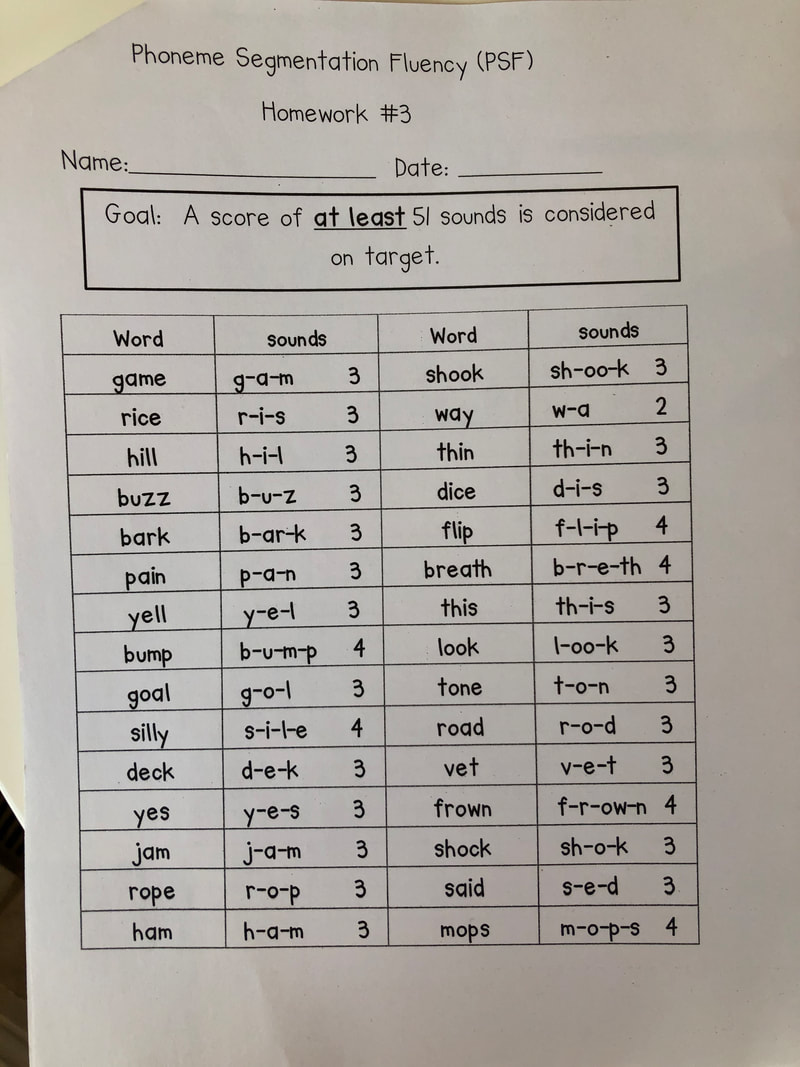
At its heart, DIBELS is a series of short, standardized measures designed to assess the acquisition of early literacy skills from kindergarten through sixth grade. Its purpose is simple yet profound: to identify children at risk for reading difficulties, monitor their progress, and inform instruction, ensuring that no child falls through the cracks. In a world increasingly reliant on data-driven decisions, DIBELS stands out as a practical, efficient, and scientifically validated system that bridges the gap between educational theory and real-world impact.
Unpacking DIBELS: The Core Mechanism of Early Literacy Measurement
Understanding what DIBELS is requires delving into its structure and methodology. It’s not a one-off, high-stakes test, but rather a system of frequent, brief assessments that provide educators with actionable data. The “dynamic” in DIBELS refers to its ability to capture change over time, allowing for continuous monitoring and responsive intervention.
A Foundation in Formative Assessment
DIBELS focuses on key “big ideas” in early literacy development, drawing directly from decades of research into how children learn to read. These include:
- Phonemic Awareness: The ability to hear, identify, and manipulate individual sounds (phonemes) in spoken words. This is critical for decoding and spelling.
- Alphabetic Principle: Understanding that letters and letter patterns represent the sounds of spoken language. This includes letter naming fluency and segmenting spoken words into phonemes and mapping them to letters.
- Phonics and Decoding: The ability to use letter-sound correspondences to read words. This is often measured through nonsense word fluency, assessing a child’s ability to sound out unfamiliar phonetic patterns.
- Accurate and Fluent Reading: The capacity to read text with speed, accuracy, and proper expression. Oral Reading Fluency (ORF) is a primary measure, reflecting how smoothly a child reads connected text.
- Vocabulary and Comprehension: While not directly measured by all DIBELS components, these are the ultimate goals. DIBELS provides foundational data that indicates a child’s readiness for deeper comprehension.
By breaking down reading into these measurable components, DIBELS allows educators to pinpoint specific areas where a student might be struggling, moving beyond a general “they can’t read” diagnosis to “they struggle with decoding multisyllabic words” or “they lack phonemic segmentation skills.”
How DIBELS Works in Practice
DIBELS assessments are administered individually, typically taking only 1-5 minutes per student per measure. This brevity makes them practical for frequent use, often three times a year (fall, winter, spring) for universal screening, and more frequently for students identified as needing intervention. The measures are standardized, meaning they are administered and scored in the same way for every student, ensuring reliability and comparability of results.
For instance, a kindergarten student might be asked to say the first sound of a series of words (First Sound Fluency) or to name as many letters as possible in one minute (Letter Naming Fluency). A first-grader might read a list of nonsense words (Nonsense Word Fluency) to assess their decoding skills. Older students often complete Oral Reading Fluency passages, reading a grade-level text aloud for one minute, with accuracy and speed recorded. The results are compared against national norms and benchmarks, helping educators identify students who are “at benchmark,” “below benchmark,” or “well below benchmark” and require targeted support.
The Importance of Early Intervention
The “dynamic” nature of DIBELS is crucial for implementing timely interventions. When a child is identified as struggling early on, educators can provide targeted support before gaps widen significantly. This proactive approach is far more effective and less resource-intensive than attempting to remediate severe reading difficulties in later grades. Early literacy is not just about academic success; it’s about giving every child the tools they need to access information, learn independently, and participate fully in an increasingly complex world. Failing to intervene early can have long-lasting consequences, impacting a child’s self-esteem, their educational trajectory, and ultimately, their future opportunities.
DIBELS in the Digital Age: Leveraging Technology for Enhanced Literacy Outcomes
The world of education, like every other sector, has been profoundly transformed by technology. DIBELS, while rooted in fundamental literacy principles, has adeptly evolved to embrace digital tools, demonstrating how modern Tech can enhance traditional assessment and instruction.
Digital Administration and Data Platforms
Gone are the days when DIBELS assessments were solely administered with paper stopwatches and score sheets. Today, many schools utilize digital platforms and software for DIBELS administration and data management. Teachers can administer assessments using tablets or computers, with built-in timers and easy-to-use interfaces that streamline the scoring process. This digital shift significantly reduces administrative burden, minimizes errors, and enhances productivity.
More importantly, these platforms serve as centralized data repositories. Instead of manually tallying scores and generating reports, educators can instantly access student performance data, visualize progress over time through intuitive apps, and compare results against district, school, or national benchmarks. This real-time access to robust data empowers educators to make timely instructional decisions, track the effectiveness of interventions, and communicate progress effectively to parents and administrators. Furthermore, these platforms often incorporate digital security measures to protect sensitive student data, ensuring compliance with privacy regulations.
AI and Future Trends in Literacy Assessment
The integration of AI tools in education is still nascent but holds immense promise, especially in areas like literacy assessment. While DIBELS currently relies on human administration, future technology trends could see AI playing a supportive role. Imagine an AI-powered module that can analyze a child’s oral reading fluency, not just for accuracy and speed, but also for prosody (expression and rhythm), providing more nuanced feedback. AI could potentially automate scoring for certain measures, freeing up teacher time for direct instruction.
Beyond simple automation, AI could contribute to predictive analytics. By analyzing DIBELS scores in conjunction with other academic and demographic data, AI algorithms might be able to identify students at risk for future reading difficulties even earlier, allowing for hyper-targeted, preventative interventions. This predictive capability could revolutionize how schools allocate resources and personalize learning pathways, offering tutorials and practice tailored to individual student needs based on their unique DIBELS profile.
Educational Technology Integration
DIBELS data doesn’t exist in a vacuum; it’s a powerful diagnostic tool that informs the strategic use of other educational apps and gadgets. If DIBELS reveals a student struggles with phonemic segmentation, an educator might prescribe specific phonics apps or interactive software programs designed to build that particular skill. If oral reading fluency is low, students might be directed to utilize guided reading apps or digital libraries with text-to-speech functionality for practice.
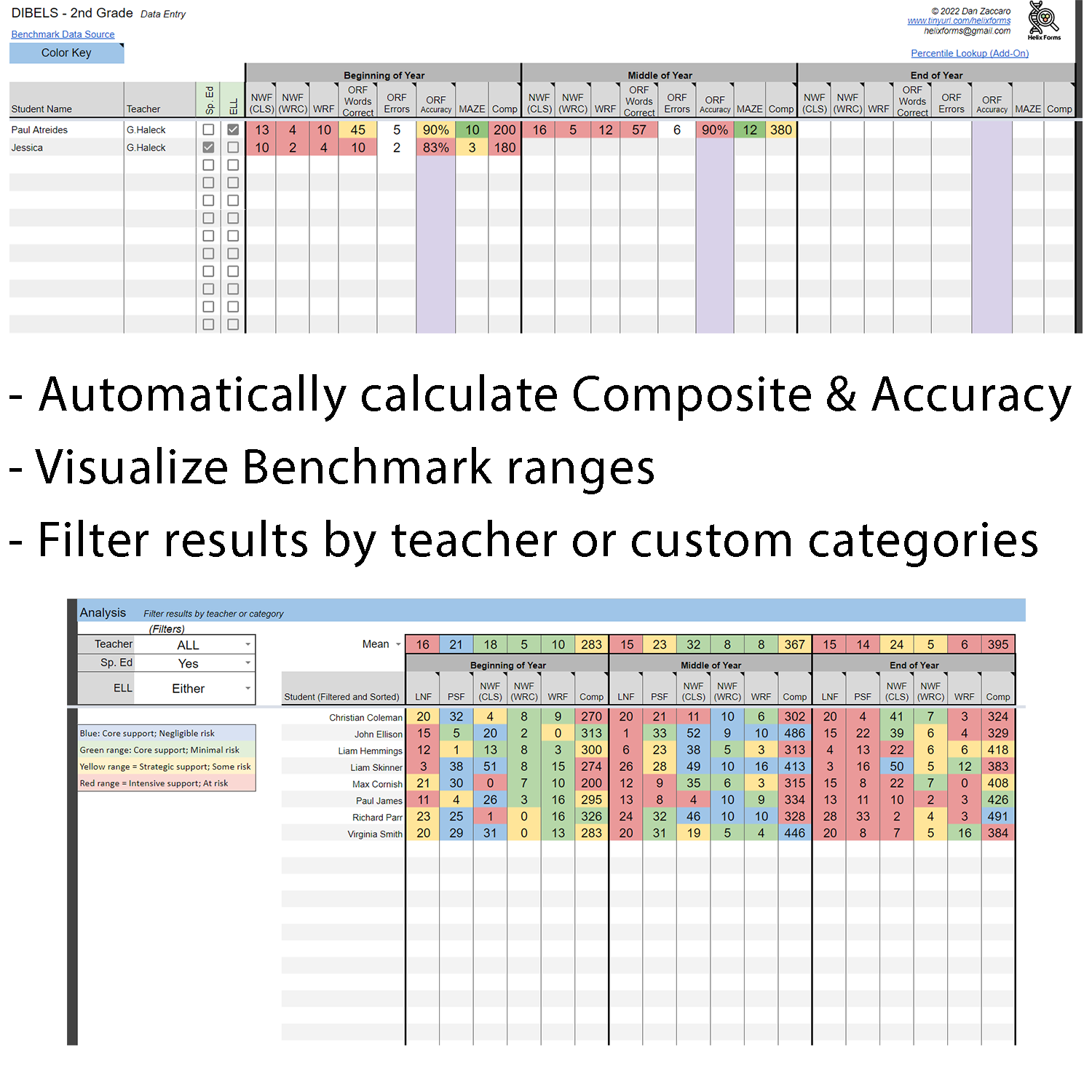
The data generated by DIBELS becomes a roadmap for implementing a broader array of educational tech. It helps teachers move beyond generic assignments to highly personalized learning experiences, leveraging the vast ecosystem of digital learning tools available today. This integration ensures that reviews of educational software and tutorials for various apps are informed by concrete, evidence-based assessment results, maximizing their impact.
The Brand and Reputation of Literacy: Why DIBELS Matters Beyond the Classroom
In today’s interconnected world, an institution’s brand and reputation are paramount, extending even to schools and educational systems. Robust literacy initiatives, supported by reliable assessment tools like DIBELS, are not just about academic outcomes; they are critical components of an educational institution’s identity and its public perception.
Building a Strong Educational Brand
School districts, like businesses, strive to build a strong corporate identity and a positive public reputation. A key element of this is demonstrating academic excellence, particularly in foundational skills like reading. When a school or district can consistently show that its students are meeting or exceeding literacy benchmarks, informed by transparent DIBELS data, it bolsters its standing within the community. Parents looking for quality education for their children often consider a school’s literacy success as a top priority.
DIBELS provides the measurable data that allows schools to showcase their effectiveness. Aggregate data can be used in case studies to illustrate the success of specific reading programs, to attract and retain high-quality educators, and to garner community support. This data-driven approach builds trust and confidence, contributing directly to the school’s brand strategy as a leader in educational outcomes. Effective literacy programs, underpinned by DIBELS, become a differentiator, a key part of the school’s promise to its stakeholders.
Empowering the Individual’s “Personal Brand”
While DIBELS is an institutional tool, its ultimate impact is deeply personal. A child’s ability to read fluently and comprehend complex texts is foundational to developing their own personal branding. Strong literacy skills unlock access to information, enable critical thinking, and foster effective communication—all attributes essential for success in higher education and the modern workforce.
A child who struggles with reading may experience diminished self-esteem, limited academic choices, and fewer career opportunities. Conversely, a child who masters reading early on is empowered to explore diverse subjects, develop specialized knowledge, and articulate their ideas effectively. These capabilities contribute directly to their developing “brand” as a competent, knowledgeable, and capable individual—a brand that will serve them well in a competitive world, whether they’re launching a startup, excelling in a tech career, or navigating complex financial decisions. DIBELS, by identifying and addressing early literacy gaps, directly contributes to equipping individuals with the fundamental tools necessary to craft a strong and successful personal narrative.
Strategic Marketing of Educational Success
Schools and districts often need to market their successes to various audiences: prospective families, funding bodies, and the wider community. DIBELS data, when aggregated and presented ethically and effectively, can be a powerful marketing tool. By showcasing improvements in literacy rates, the positive impact of specific interventions, or how their students compare favorably to regional or national averages, schools can communicate their value proposition.
This isn’t about promoting a commercial product, but rather about demonstrating accountability and effectiveness in a competitive educational landscape. Such data can be integrated into annual reports, school websites, and community presentations, forming part of a comprehensive marketing strategy that highlights educational excellence. It allows schools to tell a compelling story of student success and programmatic impact, attracting resources and reinforcing their commitment to student achievement.
The Financial Footprint of Early Literacy: Investing in Future Success
Beyond academics and brand, the implications of early literacy extend deeply into the realm of money and long-term financial stability. Investing in robust literacy programs, guided by assessments like DIBELS, represents a shrewd financial investment with significant returns for individuals, families, and society at large.
The Cost-Effectiveness of Early Intervention
From a purely economic standpoint, addressing reading difficulties early is far more cost-effective than attempting remediation in later grades. Studies consistently show that the cost of intensive, late-stage literacy intervention can be many times higher than the cost of early, preventative measures. A student who requires specialized reading instruction in high school, or who drops out due to literacy challenges, incurs significant direct and indirect costs—for the educational system, for social services, and in terms of lost economic productivity.
DIBELS helps optimize resource allocation by pinpointing precisely which students need support and in what specific areas. This allows schools to deploy their business finance and educational budgets more efficiently, investing in targeted interventions that yield the greatest impact. It’s a classic example of how a relatively small investment upfront (in assessment and early intervention) can prevent much larger financial burdens down the line, yielding a significant “return on investment” in educational outcomes.
Funding and Resource Allocation
Decisions about funding for educational programs are often driven by data and accountability. DIBELS provides empirical evidence that can be instrumental in securing grants, justifying budget requests, and demonstrating the effective use of public funds. When schools can show, through DIBELS data, that their literacy programs are improving student outcomes, they are better positioned to advocate for continued or increased investing in these critical areas.
This data informs decisions about everything from purchasing new curriculum materials and financial tools for resource management, to hiring additional reading specialists and providing professional development for teachers. It ensures that business finance decisions within the educational sector are based on evidence of need and potential impact, rather than intuition or anecdote. For community stakeholders and government agencies, DIBELS provides a transparent mechanism to track how their investments in education are translating into tangible student progress.

Literacy as an Economic Driver
The link between widespread literacy and economic prosperity is undeniable. A populace with strong reading skills is better equipped for higher education, more likely to enter skilled professions, and more adaptable to changing job markets and online income opportunities. Conversely, low literacy rates are correlated with higher unemployment, lower earning potential, and greater reliance on social welfare programs.
By ensuring that more children achieve literacy proficiency, DIBELS contributes to building a stronger future workforce capable of contributing to economic growth, innovation, and competitiveness. From the perspective of personal finance, a strong foundation in literacy is a prerequisite for financial literacy itself—the ability to understand banking statements, investment documents, and contracts. It empowers individuals to manage their money effectively, pursue side hustles, and build wealth. Thus, DIBELS isn’t just an educational tool; it’s an investment in human capital, directly impacting the collective money and economic health of communities and nations.
In conclusion, the DIBELS assessment system is far more than a simple educational evaluation. It is a vital instrument that informs, empowers, and shapes the future of literacy. Through its dynamic measurement, DIBELS provides critical data that, when coupled with technological advancements, supports educational tech integration, strengthens institutional brand and reputation, and underpins sound financial investments in our most precious resource: our children. As we navigate an increasingly complex world, the insights gleaned from DIBELS assessments remain an indispensable guide to ensuring that every individual has the foundational literacy skills needed to thrive.
aViewFromTheCave is a participant in the Amazon Services LLC Associates Program, an affiliate advertising program designed to provide a means for sites to earn advertising fees by advertising and linking to Amazon.com. Amazon, the Amazon logo, AmazonSupply, and the AmazonSupply logo are trademarks of Amazon.com, Inc. or its affiliates. As an Amazon Associate we earn affiliate commissions from qualifying purchases.