
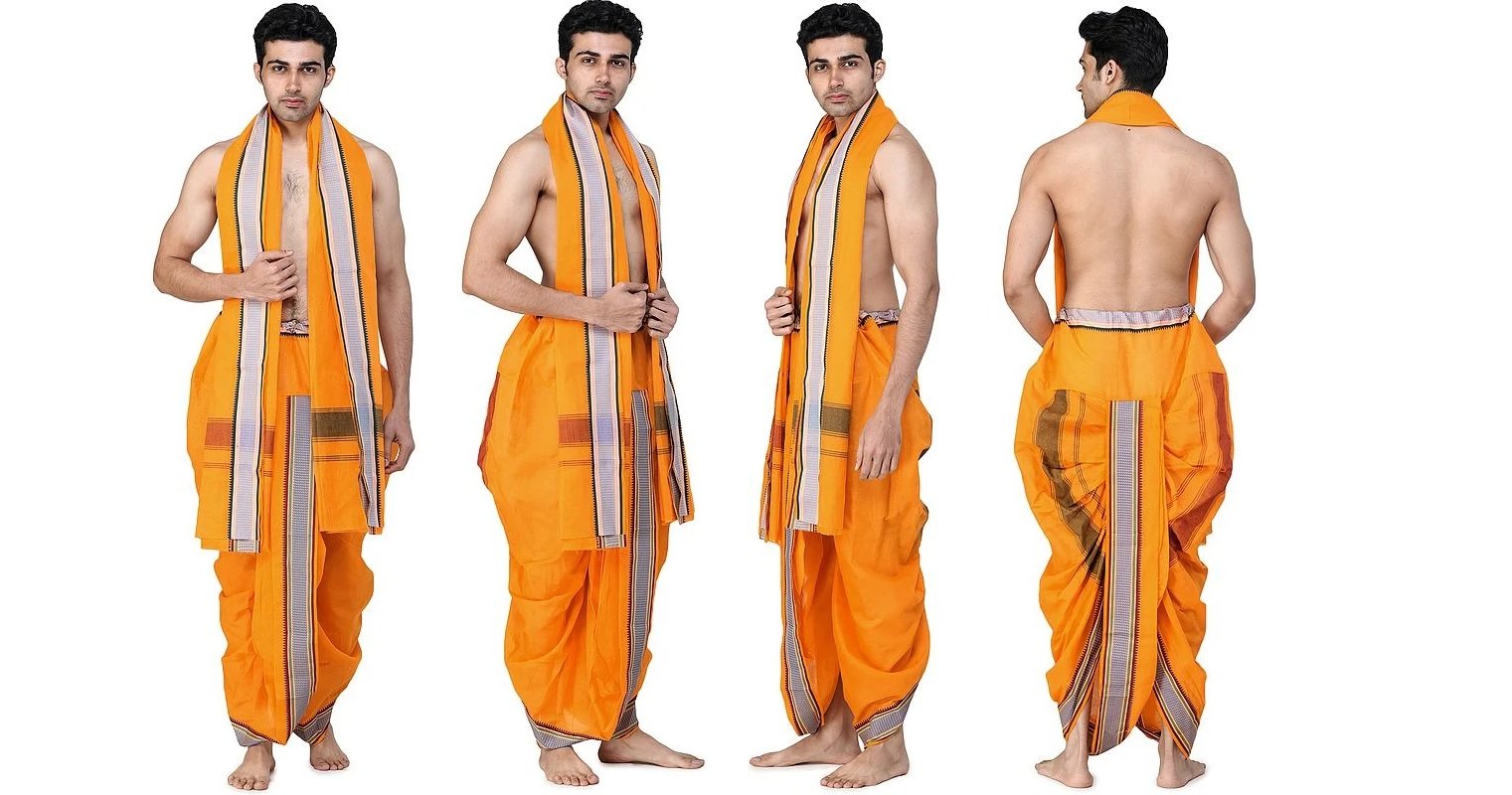
The dhoti is a traditional garment deeply embedded in the cultural tapestry of South Asia. Known by various names such as pancha, veshti, or mundu, it is a rectangular piece of unstitched fabric, usually cotton or silk, wrapped around the waist and legs. While historically associated with religious rites and traditional daily wear, the dhoti has transcended its origins to become a significant symbol in the landscape of brand strategy and corporate identity. In an era where global fashion trends are increasingly homogenized, the dhoti offers a compelling case study on how traditional aesthetics can be repurposed to build unique, sustainable, and culturally resonant brands.
The Evolution of the Dhoti in Contemporary Branding
To understand the dhoti as a branding tool, one must look past its utilitarian function and view it as a visual asset. Brands today are constantly searching for “visual thumbprints”—elements that are instantly recognizable and culturally significant. The dhoti provides a distinct silhouette that has been effectively leveraged by luxury fashion houses and boutique labels alike to communicate values of authenticity, minimalism, and artisanal craftsmanship.
Rebranding Tradition for the Modern Consumer
The modernization of the dhoti is not merely about changing the fabric; it is about rebranding the silhouette for a generation that prioritizes versatility. Designers have introduced pre-stitched dhotis—garments that mimic the look of the traditional wrap but offer the convenience of modern trousers. This strategic pivot allows brands to position themselves at the intersection of heritage and innovation. By simplifying the wearing process, brands remove the “friction” that prevented global adoption, effectively widening their market share while maintaining the garment’s cultural prestige.
The Dhoti as a Symbol of Sustainable Luxury
Sustainability has become the cornerstone of modern brand strategy. The dhoti, by its very nature, is a masterclass in zero-waste design. Unlike western tailored garments that require complex patterns and significant fabric wastage, the dhoti is a singular rectangle of cloth. Modern ethical brands are now using this narrative to build a compelling corporate identity. By marketing the dhoti as a garment that requires no cutting or sewing, brands position themselves as pioneers in circular fashion. This is not just a clothing choice; it is a brand statement that aligns with the growing consumer demand for ecological responsibility.
Integrating Cultural Heritage into Corporate Identity
For businesses operating in diverse markets, cultural symbols like the dhoti serve as powerful tools for differentiation. When a brand incorporates elements of the dhoti—whether through its minimalist aesthetic, its emphasis on natural fibers, or its association with “slow fashion”—it builds a narrative of rootedness.
Visual Identity and Minimalism
In the world of corporate design, minimalism is often equated with high-end, premium quality. The fluid lines of the dhoti offer a masterclass in minimalist design. Fashion brands have adopted the “dhoti-drape” aesthetic in everything from luxury evening wear to corporate casuals. By abstracting the traditional drape into modern silhouettes, these brands create a visual language that is sophisticated yet globally accessible. This strategy helps businesses move away from the noise of over-designed products and toward a brand identity defined by elegance and simplicity.

Narrative Branding and Emotional Connection
Consumers are increasingly buying into the “why” behind a brand. The dhoti carries centuries of history, resilience, and identity. Brands that integrate this history into their corporate storytelling create a deeper emotional connection with their audience. Whether through marketing campaigns that honor traditional weaving techniques or social media content that documents the artisanal process, brands that “wear” their culture with pride often see higher levels of customer loyalty. The dhoti represents a bridge between the past and the future, making it an ideal anchor for brands looking to establish a timeless identity.
Strategic Marketing of Traditional Apparel
Marketing traditional garments like the dhoti in a digital-first world requires a nuanced approach. The goal is to move the product away from the “costume” category and into the “luxury staple” category. This transition is achieved through precision in digital marketing and strategic positioning.
Positioning in the Global Market
The strategy for selling the dhoti globally is to strip away the regional limitations and emphasize its functional benefits: breathability, comfort, and sustainable construction. Digital marketing campaigns that focus on the “freedom of movement” provided by the garment tap into the lifestyle-marketing trend that dominates contemporary retail. When a brand stops selling a “religious garment” and starts selling “high-comfort, low-impact loungewear,” the total addressable market expands exponentially.
Leveraging Influencers and Digital Storytelling
In the realm of personal branding, the dhoti has seen a resurgence through high-profile style icons who merge it with modern blazers or sneakers. This “fusion style” acts as a powerful marketing lever. Brands that collaborate with influencers to showcase the dhoti as a gender-fluid, versatile piece of clothing break down the historical barriers that once confined the garment. This visual content strategy—showing the dhoti in modern settings like co-working spaces or art galleries—normalizes the garment and drives organic interest from a demographic that may have previously viewed it as inaccessible.
The Future of Heritage Textiles in the Commercial Sphere
The dhoti stands as a testament to the fact that traditional design is not obsolete; it is merely waiting for a modern strategic framework. As brands move toward more inclusive and sustainable practices, the principles of the dhoti—minimalism, utility, and cultural integrity—will play an increasingly vital role in product development and brand positioning.
Intellectual Property and Cultural Authenticity
As the dhoti gains popularity in global fashion markets, a critical part of brand strategy involves navigating the complexities of cultural appropriation versus appreciation. Companies that successfully navigate this space are those that collaborate directly with the weaving communities that have historically produced these textiles. This adds an authentic layer to the brand’s corporate social responsibility (CSR) narrative, effectively turning the supply chain into a marketing advantage. Transparency regarding the origin of the fabric and the labor practices used becomes a competitive edge in a market where consumers are hyper-aware of ethical issues.

The Long-Term Viability of the Dhoti Aesthetic
The longevity of the dhoti as a modern design motif rests on its adaptability. We are likely to see more integration of the “dhoti-cut” in corporate attire and high-street fashion. The garment is essentially a blank canvas for designers to play with texture, color, and drape. As businesses continue to refine their branding strategies, the dhoti will remain a symbol of how to honor legacy while embracing modernity.
Ultimately, the dhoti is a masterclass in branding. It proves that the most powerful brand assets are not necessarily created in a boardroom, but are inherited and evolved. By focusing on the intrinsic values of sustainability and simplicity, modern brands can transform this ancient garment into a cornerstone of a contemporary, forward-thinking identity. Whether viewed through the lens of fashion, luxury, or ethical commerce, the dhoti serves as an enduring reminder that heritage and innovation are not mutually exclusive—they are, in fact, the most potent combination for any brand striving to make a lasting impact in the global marketplace.
aViewFromTheCave is a participant in the Amazon Services LLC Associates Program, an affiliate advertising program designed to provide a means for sites to earn advertising fees by advertising and linking to Amazon.com. Amazon, the Amazon logo, AmazonSupply, and the AmazonSupply logo are trademarks of Amazon.com, Inc. or its affiliates. As an Amazon Associate we earn affiliate commissions from qualifying purchases.