
In an era defined by smart homes and interconnected gadgets, the efficiency and longevity of our electronic appliances are paramount. From the precision engineering of a high-end espresso machine to the complex cycles of a smart washing machine, modern technology demands meticulous care. Yet, a silent saboteur often undermines their performance: limescale. Understanding “what is a descaler” is not merely about a cleaning product; it’s about safeguarding your technological investments, optimizing their functionality, and extending their operational lifespan. A descaler is a chemical agent or device specifically formulated to remove limescale, a hard, chalky deposit primarily composed of calcium carbonate, which accumulates in appliances that heat or process hard water. This build-up directly impacts the energy efficiency, performance, and durability of numerous household and even industrial gadgets, making descaling an essential part of contemporary appliance maintenance.

The Silent Saboteur: Understanding Limescale in Your Tech
Limescale is more than just an unsightly residue; it’s a significant impediment to the optimal functioning of many tech-driven appliances. Its formation is a natural consequence of using hard water, which contains a high concentration of dissolved minerals, predominantly calcium and magnesium ions. As water is heated or evaporates, these minerals precipitate out of the solution and adhere to surfaces, forming the tenacious layer we recognize as limescale.
How Limescale Forms
The process begins innocuously within any appliance that interacts with water, especially those involving heating elements. When hard water is heated, the calcium bicarbonate dissolved within it decomposes, releasing carbon dioxide and forming insoluble calcium carbonate. This calcium carbonate then crystallizes and attaches itself to internal surfaces, pipes, heating coils, and spray nozzles. Over time, these layers accumulate, becoming thicker and harder, much like plaque building up in arteries. Appliances such as electric kettles, coffee makers, espresso machines, steam irons, humidifiers, dishwashers, and washing machines are particularly susceptible due to their constant interaction with heated water. Even devices like water dispensers or showerheads, while not typically “tech gadgets,” illustrate the principle of scale formation on surfaces exposed to hard water.
Performance Degradation and Energy Inefficiency
The presence of limescale directly correlates with a noticeable decline in appliance performance and a significant increase in energy consumption. When a heating element, for example, becomes encrusted with scale, it loses its ability to transfer heat efficiently to the water. The scale acts as an insulating layer, forcing the appliance to work harder and longer to reach the desired temperature. This translates into longer heating times for kettles, less consistent brewing temperatures for coffee machines, and reduced effectiveness in washing cycles for dishwashers and washing machines. For tech-savvy users focused on energy optimization, this inefficiency is a critical concern. Studies have shown that even a thin layer of limescale can increase energy consumption by 10-20%, with thicker layers leading to even greater waste. This not only impacts utility bills but also contributes to a larger carbon footprint, making descaling an act of both economic and environmental responsibility.
The Threat to Appliance Longevity
Beyond immediate performance issues and energy waste, limescale poses a serious threat to the longevity of your valuable gadgets. The constant strain on heating elements and pumps, forced to overcome the insulating barrier of scale, leads to premature wear and tear. Internal components, such as valves, seals, and tiny water jets in espresso machines, can become clogged or damaged by mineral deposits. Persistent blockages can lead to increased pressure within the system, potentially causing leaks or catastrophic component failure. In washing machines and dishwashers, limescale can accumulate on spray arms and drainage pipes, reducing cleaning effectiveness and eventually leading to costly repairs or the need for premature replacement. For the tech enthusiast who invests in high-quality, durable appliances, proactive descaling is not merely maintenance; it is an investment in protecting their equipment and ensuring it performs reliably for years to come.
Decoding Descalers: Types and Mechanisms
Descalers come in various forms, each leveraging different chemical principles to break down and dissolve limescale. Choosing the right descaler depends on the appliance, the type of material it’s made from, and personal preferences regarding chemical composition.
Chemical Descalers
The most common type of descaler relies on acidic compounds to react with and dissolve calcium carbonate. The acids transform the insoluble limescale into soluble salts or gases, which can then be easily rinsed away.
- Citric Acid: A natural, weak organic acid found in citrus fruits. It’s highly effective for light to moderate scale build-up and is considered food-safe, making it ideal for coffee makers, kettles, and other food-contact appliances. Its gentle nature means it’s less corrosive to internal components.
- Lactic Acid: Another organic acid, often derived from fermentation. It’s also food-safe and very effective, offering a good balance between efficacy and gentleness. Many commercial descalers for espresso machines utilize lactic acid.
- Sulfamic Acid: A stronger inorganic acid that provides rapid and effective descaling, particularly for heavier build-up. It’s often found in descalers for washing machines, dishwashers, and toilet bowls, but its stronger nature requires careful handling and ensuring compatibility with appliance materials.
- Hydrochloric Acid (Muriatic Acid): While extremely potent and effective, hydrochloric acid is generally not recommended for household appliance descaling due to its highly corrosive nature and potential to damage plastics, rubber seals, and metal components, especially if not used precisely as directed by a manufacturer for specific applications. Its use is primarily industrial or for very robust, specific cleaning tasks.
When using chemical descalers, it’s crucial to follow the manufacturer’s instructions precisely, ensuring proper dilution, contact time, and rinsing to prevent damage to the appliance and ensure safety.
Natural and Eco-Friendly Alternatives
For those seeking gentler, more environmentally conscious options, several natural alternatives can be effective, especially for regular maintenance and lighter scale.
- White Vinegar: Acetic acid, the primary component of white vinegar, is a mild acid that can effectively dissolve limescale. It’s a popular choice for kettles, coffee makers, and even light descaling of washing machines. While effective, it has a distinct odor that may linger, and some manufacturers advise against it for certain appliances, particularly those with rubber seals, as it can cause degradation over time if used excessively or undiluted.
- Lemon Juice: Similar to citric acid, lemon juice can be used as a mild descaler. Its natural acidity helps break down scale, and it leaves a fresh scent. However, its efficacy is generally lower than concentrated citric acid.
- Baking Soda: While not an acid, baking soda (sodium bicarbonate) can be used in conjunction with vinegar or for light scrubbing. It helps neutralize odors and provides a mild abrasive action for accessible surfaces.
These natural options are generally safer for food-contact appliances but might require repeated applications or longer soaking times for significant scale build-up.
Specialized Descaling Solutions
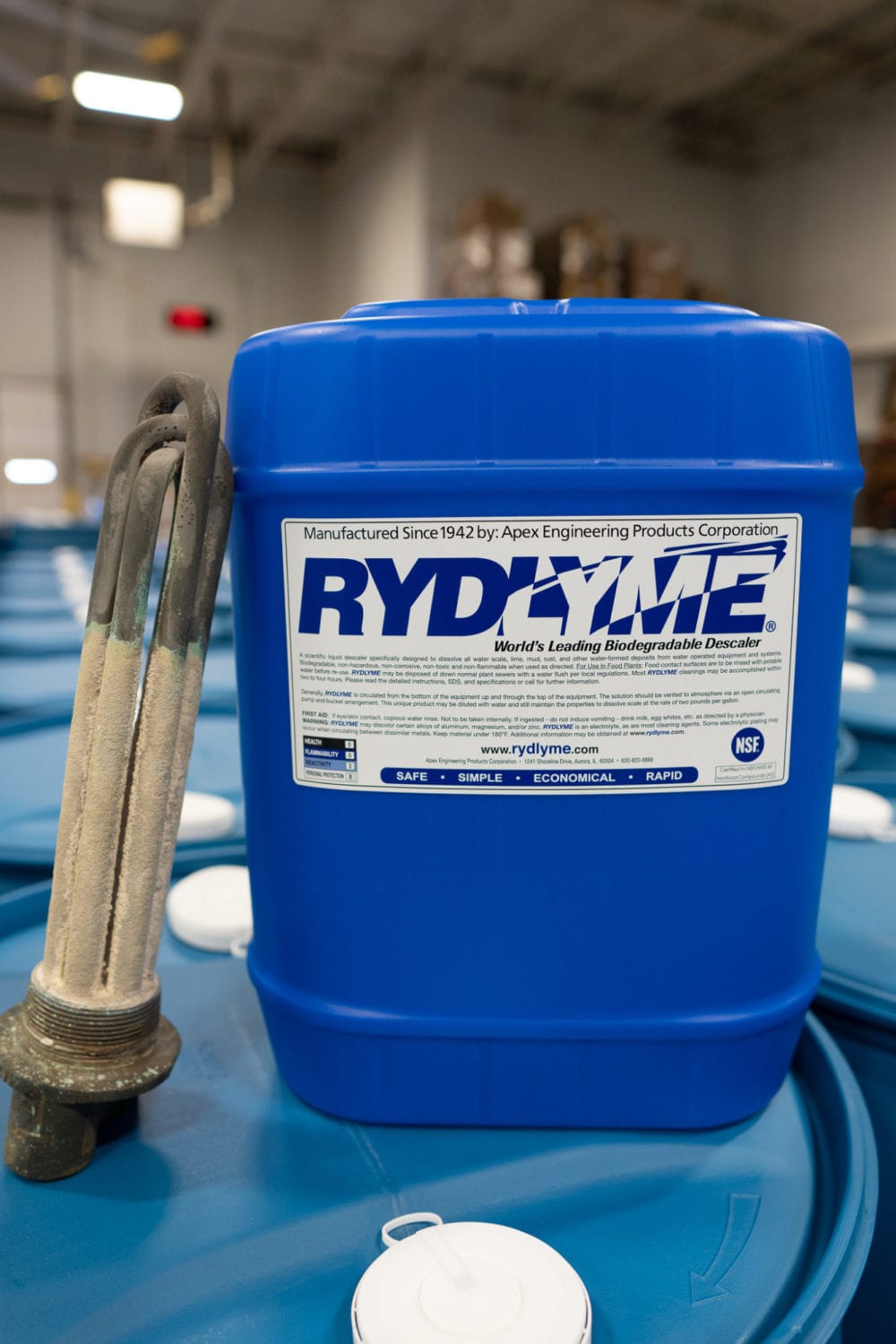
Many appliance manufacturers produce their own branded descalers, specifically formulated to be safe and effective for their particular products. These often contain a blend of acids and sometimes chelating agents that bind to mineral ions, preventing them from forming scale. For high-value or warranty-sensitive appliances, using the manufacturer-recommended descaler is often the safest and most reliable approach, as it ensures compatibility with all internal materials and optimal results. There are also descaling solutions available in various forms: liquids, powders, and tablets, designed for convenience and precise dosing for specific appliance types.
Integrating Descaling into Your Gadget Maintenance Routine
Regular descaling is a cornerstone of smart appliance care, ensuring optimal performance and extending the operational life of your tech investments. The frequency of descaling depends largely on the hardness of your local water supply and the frequency of appliance use. A general rule of thumb is every 1-3 months for high-use appliances in hard water areas, and every 3-6 months in soft water areas or for less frequently used items.
Descaling Coffee Makers and Espresso Machines
These are perhaps the most critical appliances for regular descaling, as limescale severely impacts taste, brewing temperature, and machine pressure.
- Procedure: Empty the water reservoir. Fill with the descaling solution (following manufacturer instructions for dilution). Run a full brew cycle without coffee. Discard the solution. Rinse the reservoir thoroughly, then run several cycles with fresh, clean water until no descaler residue or odor remains. Pay attention to steam wands and milk frothers, which may require separate cleaning.
- Impact: Ensures consistent heating, optimal pressure for extraction, and prevents blockages in delicate internal tubing and nozzles, preserving the nuanced flavor of your coffee.
Extending the Life of Kettles and Water Boilers
Kettles are visual indicators of scale build-up. A quick glance inside usually reveals the extent of the problem.
- Procedure: Fill the kettle with descaling solution (or diluted vinegar/citric acid) to cover the element and any visible scale. Bring to a boil (or let sit as per instructions). Let it soak for 15-30 minutes, then discard the solution. Rinse thoroughly multiple times with fresh water to remove any residue.
- Impact: Restores rapid boiling, reduces energy consumption, and prevents damage to the heating element, prolonging the kettle’s lifespan.
Maintaining Washing Machines and Dishwashers
While less visible, limescale build-up in these large appliances affects cleaning efficacy and can damage internal components.
- Procedure: Ensure the machine is empty. Add the descaling product directly to the detergent dispenser or drum (for washing machines) or the main detergent compartment (for dishwashers). Run a hot cycle (or specific cleaning cycle if available) without any laundry or dishes. For washing machines, an extra rinse cycle can be beneficial.
- Impact: Prevents residue on clothes and dishes, improves water heating efficiency, protects heating elements and pumps, and prevents blockages in spray arms and drainage systems, leading to cleaner results and fewer breakdowns.
Care for Humidifiers and Steam Irons
These appliances rely on consistent steam production, which is easily hampered by limescale.
- Humidifiers: Disassemble the water tank and any removable components. Use a descaling solution (often vinegar or citric acid) to clean the tank and the base where water is heated or vibrated. Soak components if heavily scaled. Rinse thoroughly.
- Steam Irons: Follow manufacturer guidelines, which often involve filling the water tank with a diluted descaling solution, heating the iron, and releasing steam over a sink. Always ensure to fully flush with clean water afterward to prevent staining clothes.
- Impact: Ensures efficient steam production, prevents mineral dust (from humidifiers), avoids clogged steam vents (in irons), and extends the life of internal components.
Beyond the Bottle: Preventive Measures and Best Practices
While descalers are essential for removing existing build-up, proactive measures can significantly reduce the frequency and severity of scale formation, further protecting your tech.
Water Quality and Filtration
Understanding your local water hardness is the first step. Many utility companies provide this information. For persistent hard water issues, consider installing a water filter or a whole-house water softener.
- Point-of-Use Filters: For specific appliances like coffee makers, inline filters or filters within the water reservoir can significantly reduce mineral content.
- Whole-House Softeners: These systems remove hardness minerals from all water entering your home, offering comprehensive protection for all appliances and plumbing. While a larger investment, they can offer substantial long-term savings in appliance maintenance and longevity.
Regular Cleaning Habits
Simple, consistent habits can make a difference. Wiping down surfaces and emptying water reservoirs after use can prevent standing water from evaporating and leaving behind mineral deposits. For kettles, a quick rinse after each use can help. For coffee machines, emptying and drying the water tank daily prevents scale from setting.

Monitoring Appliance Performance
Paying attention to subtle changes in your appliances can signal the early stages of limescale build-up.
- Slower Heating Times: If your kettle or coffee maker takes longer to heat water, scale is likely accumulating.
- Reduced Water Flow: Weak coffee streams, sluggish dishwasher spray arms, or reduced steam from an iron indicate blockages.
- Unusual Noises: Clogged pumps or heating elements working harder can produce new, alarming sounds.
- Visible Residue: White, chalky deposits are a clear sign.
By combining the powerful action of descalers with diligent preventative strategies, you can ensure your technological investments continue to perform at their peak, delivering efficiency, reliability, and satisfaction for years to come. Descaling is not just a chore; it’s a vital component of modern tech care, contributing to sustainability and cost savings in the connected home.
aViewFromTheCave is a participant in the Amazon Services LLC Associates Program, an affiliate advertising program designed to provide a means for sites to earn advertising fees by advertising and linking to Amazon.com. Amazon, the Amazon logo, AmazonSupply, and the AmazonSupply logo are trademarks of Amazon.com, Inc. or its affiliates. As an Amazon Associate we earn affiliate commissions from qualifying purchases.