
The way we understand words shapes our perception of the world. When we encounter a term, our minds immediately grasp its core meaning. This fundamental, literal, and objective interpretation is known as denotative meaning. It’s the dictionary definition, the straightforward, universally agreed-upon sense of a word, stripped of any emotional baggage, cultural context, or subjective association. Understanding denotative meaning is crucial, especially in fields like technology, branding, and finance, where precision and clarity are paramount for effective communication, successful strategies, and sound decision-making.
In a world saturated with information, where nuance can be easily lost, grasping the denotative meaning acts as an essential grounding force. It allows us to establish a common understanding, a shared baseline upon which more complex interpretations can be built. Without this foundational clarity, conversations can quickly devolve into confusion, leading to misinterpretations, flawed strategies, and ultimately, suboptimal outcomes. This article will delve into the concept of denotative meaning, exploring its significance and application across the vital domains of technology, brand, and money.

The Denotative Foundation: Beyond the Dictionary
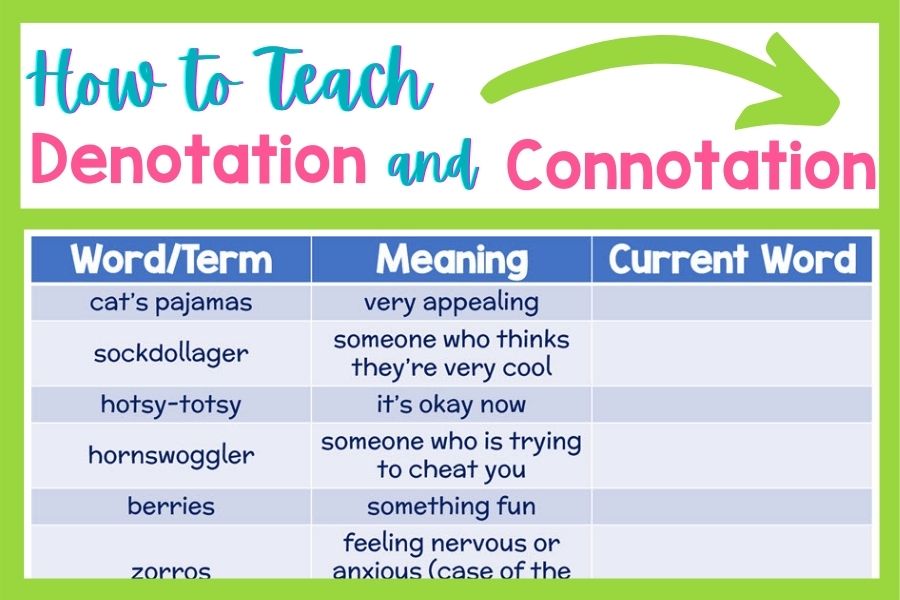
The denotative meaning of a word is its primary, literal, and dictionary-defined sense. It’s the objective meaning that is independent of any personal feelings, opinions, or cultural connotations. For instance, the denotative meaning of “apple” is a round fruit with firm, white flesh and a green, red, or yellow skin. This definition is consistent across different languages and cultures, forming the bedrock of our understanding.
Contrast this with connotative meaning, which refers to the emotional associations or secondary meanings that a word evokes. The word “apple” might connote health, temptation (as in the biblical story), or even a specific technology brand. Denotative meaning, however, remains steadfastly objective. It’s the agreed-upon, factual interpretation that allows us to communicate efficiently and unambiguously.
Why Denotative Meaning Matters in a Nuanced World
In our increasingly complex and interconnected world, the ability to discern and utilize denotative meaning is more important than ever. It serves as the universal translator, bridging gaps in understanding and ensuring that messages are received as intended.
- Establishing Clarity: In any field, but particularly in technical and financial realms, ambiguity can lead to costly errors. Denotative meaning provides the necessary clarity to avoid misunderstandings. When we talk about “software,” the denotative meaning refers to the programs and other operating information used by a computer. This is a factual definition that sets the stage for discussions about specific software types, their functionalities, and their applications.
- Building Trust: For brands, clear and honest communication, rooted in denotative accuracy, builds trust with their audience. If a brand claims a product has a certain feature, its denotative meaning should align with reality. Overpromising or misrepresenting capabilities erodes credibility.
- Facilitating Learning: When learning new concepts, especially in technical fields, understanding the denotative meanings of key terms is the first and most crucial step. Tutorials and reviews that are clear about the factual specifications and functions of gadgets or AI tools are more valuable because they rely on denotative meaning.
- Avoiding Misinformation: In finance, where precise language is critical for investment decisions and financial planning, understanding denotative meanings can help individuals avoid falling prey to misleading information or jargon.
Denotative Meaning in the Realm of Tech
The technology landscape is characterized by rapid innovation, the introduction of new jargon, and complex systems. In this environment, a firm grasp of denotative meaning is not just helpful; it’s essential for effective communication, development, and adoption.
H3: Decoding the Digital Landscape: Clarity in Technology Terms
When we discuss “Artificial Intelligence,” its denotative meaning refers to the simulation of human intelligence processes by computer systems, including learning, problem-solving, and perception. This is the objective definition that allows us to differentiate AI from simpler forms of automation. Similarly, “software” denotes the set of instructions, data or programs used to operate computers and execute specific tasks. This straightforward definition is crucial for anyone involved in software development, procurement, or usage.
H4: Navigating the Nuances of Tech Trends and AI Tools
As new tech trends emerge, their names often require careful denotative explanation. Is “cloud computing” about weather, or is it about data storage and processing? Denotatively, it refers to the delivery of computing services—including servers, storage, databases, networking, software, analytics, and intelligence—over the Internet (“the cloud”). Understanding this denotative meaning helps individuals and businesses make informed decisions about adopting these technologies.
When exploring AI tools, their denotative meanings are vital. If an AI tool claims to offer “natural language processing,” its denotative meaning is the ability of a computer program to understand, interpret, and manipulate human language. Without this clear understanding, users might be misled about the tool’s actual capabilities. Similarly, reviews of gadgets should focus on their denotative specifications: screen size, processor speed, battery life, and camera resolution. These are objective facts that directly impact a user’s experience.
H4: Ensuring Digital Security Through Precise Language
In digital security, denotative meaning is paramount. Terms like “malware,” “phishing,” and “encryption” have precise denotative definitions that are critical for understanding threats and implementing protective measures. Malware, denotatively, is a broad term for any software designed to disrupt, damage, or gain unauthorized access to a computer system. Phishing, denotatively, is the fraudulent attempt to obtain sensitive information such as usernames, passwords, and credit card details by disguising oneself as a trustworthy entity in an electronic communication. Understanding these denotative meanings empowers individuals and organizations to protect themselves effectively.
H3: Productivity and Apps: Functionality Over Hype
The productivity sector and the app market are often driven by marketing and perceived benefits. However, the denotative meaning of an app or a productivity tool lies in its core functionality. A “task management app,” denotatively, is an application designed to help users organize, track, and manage their tasks and projects. This objective definition helps users identify tools that genuinely meet their needs, rather than being swayed by buzzwords or aspirational marketing. Tutorials that clearly explain the denotative functions of an app, such as how to create a new project, assign tasks, or set deadlines, are invaluable for user adoption and effective utilization.
Denotative Meaning in Building and Maintaining Brands

In the world of branding, words are the building blocks of identity, perception, and reputation. While connotative meanings often play a significant role in evoking emotions and associations, the denotative meaning of brand promises and messaging is the bedrock of authenticity and trust.
H3: Crafting a Clear Corporate Identity and Brand Strategy
A brand strategy is a long-term plan for developing a successful brand to achieve specific business goals. At its core, this strategy relies on defining what the brand is. The denotative meaning of the brand’s mission statement, its value proposition, and its product or service offerings must be clear and consistent. If a company positions itself as an “innovative technology provider,” its denotative meaning of innovation must be demonstrable and transparent.
Corporate identity is the sum of all elements that a company creates to portray the right image to its consumer. This includes visual elements like logos and color palettes, but also the language used in its communications. The denotative meaning of a company’s name, slogan, and key product descriptors must be unambiguous. For example, if a brand’s slogan is “The Safest Choice,” the denotative meaning of “safest” needs to be grounded in verifiable facts and demonstrable features, not just aspirational claims.
H4: Marketing with Precision: The Denotative Edge
Marketing campaigns often aim to create emotional connections and desired associations (connotative meaning). However, without a strong foundation in denotative accuracy, these campaigns can backfire. If a marketing message promises a product feature, the denotative reality of that feature must match the claim. For instance, a campaign for an “eco-friendly” product must have a denotative basis for that claim, such as verifiable sustainable manufacturing processes or materials.
Case studies, a vital component of marketing, rely heavily on denotative data to showcase success. When a case study details how a brand helped a client achieve a specific outcome, the denotative meaning of the results – measurable improvements in sales, efficiency, or customer satisfaction – must be clearly presented and supported by facts. This factual presentation builds credibility and demonstrates the tangible value the brand provides.
H4: Reputation Management: The Truth in the Denotative
A brand’s reputation is built on consistent delivery and honest communication. When negative reviews or public scrutiny arise, the denotative facts of the situation become critically important. Denying factual shortcomings or misrepresenting events erodes trust far more than acknowledging and addressing them. Effective reputation management involves understanding the denotative truth of any issue and communicating it transparently. This allows for constructive dialogue and the opportunity to rebuild confidence based on factual grounds.
Denotative Meaning in the World of Money
In personal finance, investing, and business finance, precision in language is not just important; it’s often a matter of significant financial consequence. Misinterpreting financial terms can lead to poor investment decisions, mismanaged budgets, and ultimately, financial hardship.
H3: Demystifying Personal Finance and Investment Terms
For individuals navigating personal finance, understanding the denotative meaning of terms like “interest,” “inflation,” and “diversification” is fundamental. Interest, denotatively, is the cost of borrowing money or the reward for lending it. Inflation, denotatively, is the rate at which the general level of prices for goods and services is rising, and subsequently, purchasing power is falling. Diversification, denotatively, is the strategy of spreading investments among various asset classes to reduce risk.
When it comes to investing, the denotative meanings of different investment vehicles are crucial. Understanding what a “stock,” “bond,” or “mutual fund” denotatively represents – its underlying structure, how it generates returns, and its associated risks – is the first step towards making informed investment choices. A stock, denotatively, represents ownership in a company. A bond, denotatively, represents a loan made by an investor to a borrower (typically corporate or governmental). This clear understanding prevents individuals from investing in products they don’t fully comprehend, thus mitigating potential losses.
H4: Online Income and Side Hustles: Separating Fact from Fiction
The online world offers numerous opportunities for generating income, but it’s also rife with unrealistic promises. The denotative meaning of terms like “affiliate marketing,” “dropshipping,” or “freelancing” provides a grounded understanding of these income streams. Affiliate marketing, denotatively, is an advertising practice in which a company rewards one or more affiliates for each visitor or customer brought by the affiliate’s own marketing efforts. Dropshipping, denotatively, is a retail fulfillment method where a store doesn’t keep the products it sells in stock. Understanding these denotative meanings helps individuals discern legitimate opportunities from scams.
H4: Business Finance and Financial Tools: The Language of Profitability
For businesses, the denotative meaning of financial concepts is the bedrock of sound management and growth. Terms like “revenue,” “profit,” “assets,” and “liabilities” have precise denotative meanings that are crucial for financial reporting, strategic planning, and operational efficiency. Revenue, denotatively, is the total income generated from the sale of goods or services related to the company’s primary operations. Profit, denotatively, is the financial gain, especially the difference between the amount earned and the amount spent in buying, operating, or producing something.
The effective use of financial tools, from accounting software to budgeting applications, relies on understanding the denotative purpose and functionality of each tool. A “balance sheet,” denotatively, is a financial statement that reports a company’s liabilities, assets, and shareholders’ equity at a specific point in time. Financial planning software will utilize these denotative definitions to present data and forecasts. Clarity in these denotative meanings ensures that financial decisions are based on accurate representations of a company’s financial health.
Conclusion: The Enduring Power of Denotative Meaning
In the fast-paced and often complex worlds of technology, branding, and finance, the denotative meaning of words serves as a vital anchor of clarity and accuracy. It is the objective, literal interpretation that allows for effective communication, informed decision-making, and the building of trust. Whether we are deciphering a new software’s capabilities, crafting a brand’s core identity, or making crucial investment choices, a firm understanding of denotative meaning empowers us to navigate these landscapes with confidence and precision. By prioritizing clarity and grounding our understanding in factual definitions, we can unlock greater potential, mitigate risks, and achieve more meaningful outcomes in all aspects of our digital, commercial, and financial lives.
aViewFromTheCave is a participant in the Amazon Services LLC Associates Program, an affiliate advertising program designed to provide a means for sites to earn advertising fees by advertising and linking to Amazon.com. Amazon, the Amazon logo, AmazonSupply, and the AmazonSupply logo are trademarks of Amazon.com, Inc. or its affiliates. As an Amazon Associate we earn affiliate commissions from qualifying purchases.