
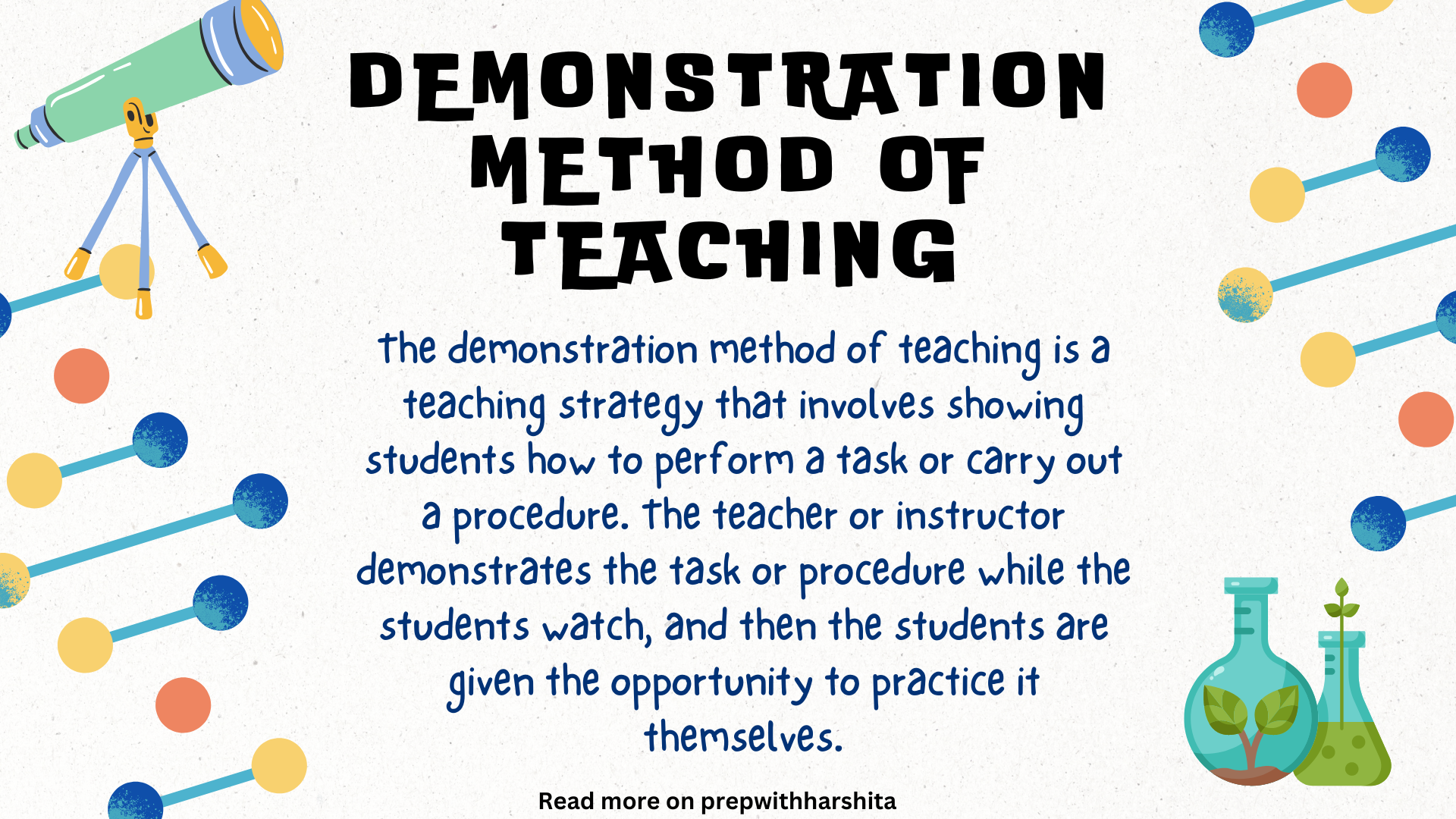
In the rapidly evolving landscape of technology, the term “demonstration” holds a pivotal, multifaceted meaning. Far more than a mere showcase, a technology demonstration is a strategic communication tool designed to unveil, explain, and validate the functionality, utility, and potential of a tech product, software, or solution. It acts as a crucial bridge between abstract concepts or coded functionalities and tangible, understandable benefits for an audience. From a nascent startup pitching its innovative app to a multinational corporation launching a groundbreaking AI tool, the demonstration is an indispensable ritual in the lifecycle of any technological advancement. It’s the moment where theory meets practice, where potential transforms into perceptible reality, and where a product’s value is brought to life. Understanding what constitutes an effective demonstration, its various forms, and its strategic importance is fundamental for anyone operating within the tech sphere, from developers and product managers to sales professionals and investors.

The Core Purpose of Technology Demonstrations
At its heart, a technology demonstration serves several critical objectives, all geared towards facilitating understanding, encouraging adoption, and accelerating the journey of a tech product from development to market success. It’s about more than just showing off; it’s about making a connection and illustrating impact.
Bridging the Information Gap
Technology, by its very nature, can be complex and abstract. Software algorithms, hardware specifications, and intricate system architectures are not always intuitively grasped by all stakeholders, especially those without a deep technical background. A demonstration distills this complexity into an observable, digestible experience. It transforms a list of features or a technical whitepaper into a dynamic, interactive presentation of capabilities. By visually and interactively illustrating how a system works, what problems it solves, and how users interact with it, demonstrations effectively close the knowledge gap, making sophisticated technology accessible and understandable to a wider audience, including potential users, customers, and investors.
Driving Adoption and Sales
For most tech companies, the ultimate goal of a product is adoption and commercial success. Demonstrations are arguably one of the most powerful tools in the sales and marketing arsenal. They move beyond marketing jargon and provide concrete evidence of a product’s value proposition. Seeing is believing, and a well-executed demonstration allows prospective customers to envision how a particular software, AI tool, or gadget can integrate into their workflow, solve their specific pain points, or enhance their productivity and efficiency. This direct engagement fosters trust, builds confidence in the product’s capabilities, and significantly shortens the sales cycle by addressing objections and showcasing direct benefits, ultimately converting interest into tangible sales and widespread adoption.
Fostering Innovation and Feedback
Beyond sales, demonstrations play a crucial role in the iterative process of product development and innovation. Internal demonstrations, often to cross-functional teams or even early-stage user groups, can unearth invaluable feedback. By showcasing prototypes or early versions of a product, developers and product managers can observe user interactions, identify unforeseen challenges, and gather constructive criticism that informs subsequent development cycles. This continuous feedback loop is vital for refining features, improving user experience, and ensuring that the final product truly meets market needs and user expectations. Externally, public demonstrations at tech conferences or launch events can also generate buzz, attract early adopters, and solicit broader market reactions that guide future strategic decisions and product roadmaps.
Types of Technology Demonstrations
The format and scope of a technology demonstration can vary widely depending on the product, the audience, and the objective. Each type is tailored to specific needs and communication goals within the tech ecosystem.
Live Product Demos
Perhaps the most traditional and common form, live product demos involve a presenter actively using the software or hardware in real-time. These are prevalent in sales meetings, webinars, and tech conferences. The authenticity of a live demo, while carrying the inherent risk of technical glitches, allows for dynamic interaction, real-time responses to questions, and the ability to tailor the presentation on the fly to specific audience interests or pain points. They are particularly effective for showcasing complex workflows, responsiveness, and user experience nuances that static presentations cannot convey.
Recorded Walkthroughs and Tutorials
Recorded demonstrations, often found as video tutorials or interactive guides, offer a scalable and accessible alternative to live presentations. They provide a polished, error-free narrative that can be consumed on-demand by a global audience. These are invaluable for onboarding new users, explaining specific features, troubleshooting common issues, and providing an evergreen resource for self-service learning. While lacking the real-time interactivity of live demos, their consistency and availability make them a cornerstone of digital marketing and customer support strategies for tech products.
Interactive Demos and Sandbox Environments
As technology advances, so too do the methods of demonstration. Interactive demos, sometimes referred to as “sandbox environments” or “click-through demos,” allow users to experience a product firsthand, often without needing to download or install anything. These simulated environments enable users to explore features, experiment with functionalities, and perform tasks as if they were using the actual product. This hands-on approach provides a deeper level of engagement and understanding, empowering potential customers to self-qualify and truly grasp the product’s utility at their own pace. They are particularly effective for software-as-a-service (SaaS) products and complex enterprise solutions.
Proof-of-Concept (PoC) and Prototype Demonstrations
Early-stage demonstrations are critical for validating ideas and securing investment or internal buy-in. Proof-of-Concept (PoC) demonstrations aim to show that a certain idea or technology is feasible and can achieve its intended function, often without focusing on full polish or complete feature sets. Prototype demonstrations, on the other hand, showcase an early working model of a product, illustrating its core functionalities and user interface, even if it’s not yet production-ready. These types of demonstrations are essential for iterating quickly, gathering early feedback, and communicating vision to stakeholders before significant resources are committed to full-scale development.
Key Elements of an Effective Tech Demo
A powerful demonstration is not merely about showcasing features; it’s about crafting a compelling narrative that resonates with the audience and clearly articulates value. Several key elements contribute to its effectiveness.
Know Your Audience
The cornerstone of any impactful demonstration is a deep understanding of who you are presenting to. Are they technical experts, potential end-users, C-suite executives, or investors? Each audience has different priorities, levels of technical understanding, and questions. A demo for developers might dive deep into APIs and architectural decisions, while one for business leaders would focus on ROI, strategic advantages, and impact on business metrics. Tailoring the content, language, and pace to the audience ensures relevance and engagement.
Storytelling and Problem-Solving
People don’t buy products; they buy solutions to their problems. An effective tech demo frames the product within a relatable story, beginning with a problem statement and culminating in how the technology elegantly solves that problem. Instead of simply listing features, illustrate specific use cases and scenarios that resonate with the audience’s experiences. Show, don’t just tell, how the product alleviates pain points, streamlines processes, or creates new opportunities, transforming the abstract into a tangible benefit.
Clarity, Conciseness, and Engagement
In a world saturated with information, attention spans are fleeting. A demonstration must be clear, concise, and engaging. Avoid technical jargon where possible, or explain it clearly when necessary. Focus on the most impactful features that address the audience’s needs, rather than trying to show everything. Maintain a dynamic presentation style, using visuals effectively, and encourage interaction through questions and active participation to keep the audience invested and attentive.
Technical Reliability and Preparedness
Nothing undermines a demonstration faster than technical glitches. Ensuring that all hardware, software, internet connections, and presentation tools are fully functional and tested beforehand is non-negotiable. Have backups prepared, such as recorded segments or alternative connectivity options. A smooth, uninterrupted demonstration conveys professionalism and confidence in the product itself, reinforcing trust and credibility.
Best Practices for Delivering Impactful Demos
Beyond the core elements, adhering to specific best practices can elevate a demonstration from informative to truly transformative.
Preparation is Paramount
Thorough preparation involves not just testing the tech but rehearsing the narrative. Practice the flow, timing, and key talking points. Anticipate questions and prepare concise, compelling answers. Develop a compelling demo script, but be ready to deviate if the audience’s interests lead in another direction. The goal is to appear fluid and knowledgeable, not robotic.
Focus on Value, Not Just Features
While features are important, their true significance lies in the value they provide. Constantly link features back to benefits for the user or business. For example, instead of saying, “This software has a cloud-based reporting module,” say, “This cloud-based reporting module allows your team to access real-time analytics from anywhere, enabling faster, data-driven decisions that save X hours per week and improve Y metric.” Quantify value whenever possible.
Engage and Interact
A demonstration should not be a monologue. Actively involve your audience. Ask questions to understand their specific needs and tailor your demo to those needs. Encourage questions throughout the presentation and dedicate specific time for Q&A. This interaction makes the demo more relevant and memorable for the audience, transforming passive viewing into active participation.
Follow-Up and Feedback Loops
The demonstration doesn’t end when the presentation does. A prompt and personalized follow-up is crucial. Provide additional resources, answer any lingering questions, and outline next steps. For internal demos or early prototypes, actively solicit and document feedback, demonstrating that their input is valued and will contribute to the product’s evolution. This reinforces relationships and ensures continuous improvement.
The Future of Demonstrations in the Digital Age
As technology itself advances, so too will the methods and capabilities of demonstrations. The future promises even more personalized, immersive, and accessible ways to showcase innovation.
AI-Powered Personalization
Artificial intelligence is set to revolutionize how demonstrations are tailored. AI algorithms could analyze prospect data to dynamically customize demo paths, highlight the most relevant features, and even generate personalized scenarios on the fly. This hyper-personalization will make each demonstration feel uniquely relevant to the individual or organization, significantly increasing engagement and conversion rates.
Immersive XR Experiences
Extended Reality (XR), encompassing Virtual Reality (VR), Augmented Reality (AR), and Mixed Reality (MR), will unlock new dimensions for product demonstrations. Imagine experiencing a new smart home gadget in your actual living room via AR, or exploring the intricate details of a complex industrial machine in a fully immersive VR environment. XR demos will allow users to interact with products in ways previously unimaginable, creating deep understanding and emotional connection.

On-Demand and Self-Service Demos
The trend towards self-service will continue, with increasingly sophisticated on-demand demo platforms. These platforms will go beyond simple recorded videos, offering intelligent, interactive pathways that guide users through a product’s functionalities based on their declared interests or a simulated interaction. This empowers users to discover and evaluate products at their convenience, further democratizing access to technological understanding and streamlining the early stages of the sales funnel.
In conclusion, a demonstration in the tech world is far more than a show-and-tell; it is a critical strategic imperative. It is the art and science of translating complex technological innovation into understandable, valuable, and actionable insights. By mastering the art of the demonstration, tech companies and professionals can effectively communicate their vision, drive adoption, accelerate sales, and ultimately shape the future of technology itself. As the digital landscape continues to evolve, the methods of demonstration will too, but its core purpose – to illuminate, persuade, and connect – will remain eternally vital.
aViewFromTheCave is a participant in the Amazon Services LLC Associates Program, an affiliate advertising program designed to provide a means for sites to earn advertising fees by advertising and linking to Amazon.com. Amazon, the Amazon logo, AmazonSupply, and the AmazonSupply logo are trademarks of Amazon.com, Inc. or its affiliates. As an Amazon Associate we earn affiliate commissions from qualifying purchases.