
Debenture bonds represent a significant, yet often misunderstood, segment of the corporate debt market. Unlike secured bonds, which are backed by specific assets, debentures are unsecured obligations, relying solely on the issuer’s creditworthiness and general assets for repayment. This fundamental characteristic influences their risk profile, yield, and the types of investors who typically find them attractive. Understanding debenture bonds is crucial for investors looking to diversify their portfolios, companies seeking capital, and anyone aiming for a comprehensive grasp of the financial landscape. This article delves into the intricacies of debenture bonds, exploring their definition, types, advantages, disadvantages, and their role in the broader financial ecosystem.

The Core Nature of Debenture Bonds: Unsecured Debt Instruments
At its heart, a debenture bond is a form of long-term debt issued by a corporation or government entity. The defining feature that sets debentures apart from other types of bonds is their lack of collateral. When a company issues a debenture, it is essentially making a promise to repay the principal amount to the bondholders on a specified maturity date, along with periodic interest payments (coupons). However, this promise is not backed by any specific physical assets like real estate, machinery, or inventory. Instead, the bondholders’ claim is on the general creditworthiness and all the unencumbered assets of the issuing entity.
Unveiling the “Unsecured” Aspect
The term “unsecured” can be a source of apprehension for some investors. It implies that in the event of the issuer’s bankruptcy or default, debenture holders may stand behind secured creditors in line for repayment. Secured creditors, such as banks that have provided loans backed by specific collateral, have the first claim on those pledged assets. If the value of those assets is insufficient to cover their loans, they may then pursue general corporate assets. Debenture holders, therefore, rank below secured bondholders and other secured creditors in the pecking order of claims.
The Role of Creditworthiness
Given the absence of collateral, the creditworthiness of the issuer becomes the paramount factor for debenture bonds. Investors assess the financial health, profitability, and historical repayment record of the issuing company. Credit rating agencies, such as Standard & Poor’s, Moody’s, and Fitch, play a vital role in evaluating and assigning ratings to debenture bonds. These ratings provide a standardized measure of the issuer’s ability to meet its debt obligations. Bonds with higher credit ratings (e.g., AAA, AA) are considered less risky and typically offer lower interest rates, while those with lower ratings (e.g., BB, B, CCC) are deemed riskier and must offer higher yields to compensate investors for the increased chance of default.
Distinguishing Debentures from Other Bond Types
It’s important to differentiate debenture bonds from other forms of debt.
Secured Bonds vs. Debentures
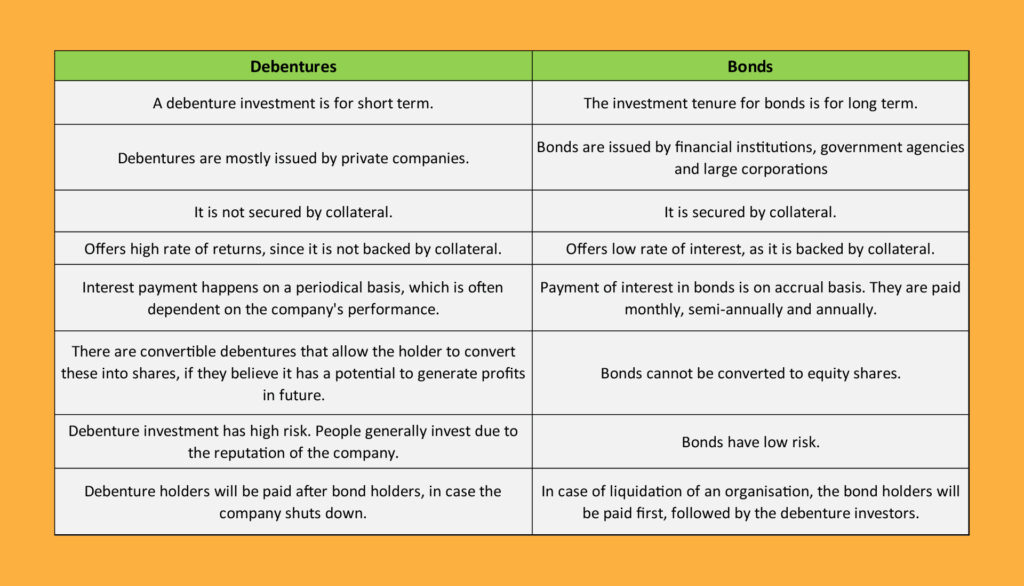
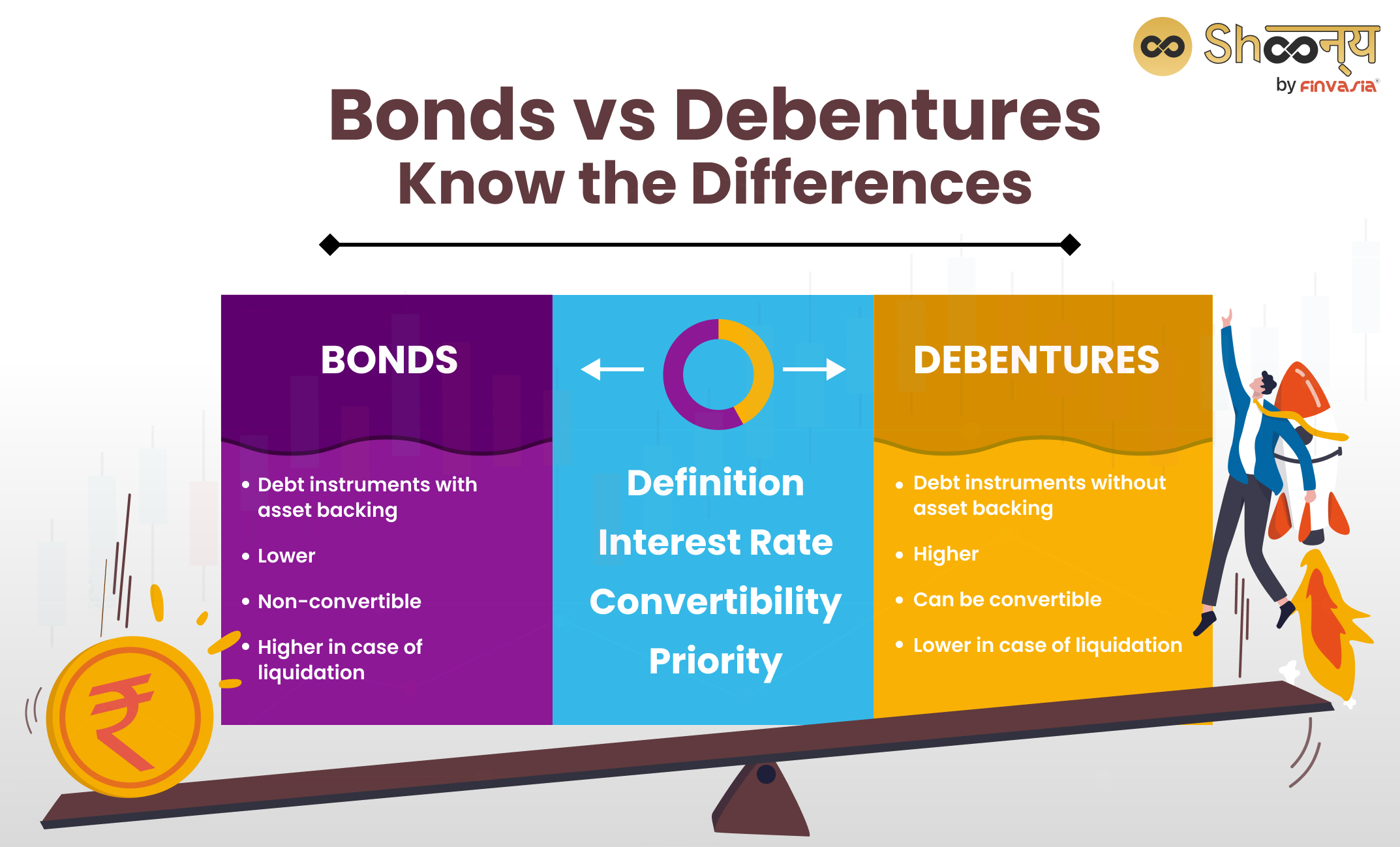
Secured bonds are directly linked to specific assets owned by the issuer. For example, a mortgage bond is secured by real estate, and an equipment trust certificate is secured by specific pieces of machinery. In case of default, the holders of secured bonds have a legal claim on the specified collateral, which can be sold to recover their investment. Debentures, on the other hand, have no such direct claim on specific assets.
Other Debt Instruments
While the term “bond” is often used generically, there are other debt instruments that differ from debentures. For instance, convertible bonds offer the holder the option to convert them into shares of the issuing company’s stock under certain conditions. Callable bonds give the issuer the right to redeem the bonds before their maturity date. Debentures, in their purest form, are straightforward debt obligations without these embedded options.
Types of Debenture Bonds
While the core principle of unsecured debt remains consistent, debenture bonds can be categorized based on various factors, primarily related to their features and the issuer’s structure. The most common distinctions revolve around the issuer and the presence or absence of a sinking fund.
Distinguishing by Issuer: Corporate vs. Government Debentures
Debenture bonds can be issued by both private corporations and government entities.
Corporate Debentures
These are the most common type of debenture bond. Corporations issue them to raise capital for a variety of purposes, including funding operations, expanding facilities, acquiring other companies, or refinancing existing debt. The risk and yield of corporate debentures are heavily dependent on the financial stability and credit rating of the specific corporation.
Government Debentures
While government entities typically issue bonds that are considered highly secure due to the taxing power of the government, some governmental or quasi-governmental organizations may issue debentures. In such cases, the creditworthiness of the government entity is still the primary determinant of the bond’s risk and return. However, it’s less common for sovereign governments to issue purely unsecured debt in the same way corporations do, as their obligations are often backed by the full faith and credit of the nation.
Debentures with and without Sinking Funds
The presence or absence of a sinking fund can significantly impact the risk profile of a debenture.
Sinking Fund Debentures
A sinking fund is a mechanism established by the issuer to gradually retire its debt over time. The issuer makes periodic payments into a fund, which is then used to repurchase outstanding debentures or to call them for redemption at a predetermined price. This feature provides an added layer of security for bondholders, as it demonstrates the issuer’s commitment to retiring the debt and reduces the risk of a large lump-sum repayment burden at maturity. Sinking fund debentures are generally considered less risky than those without a sinking fund.
Non-Sinking Fund Debentures
These debentures do not have a dedicated fund for early retirement. The issuer is obligated to repay the entire principal amount of the bond on the maturity date. This places a greater reliance on the issuer’s ability to manage its cash flow and secure financing for the final repayment.
Other Variations
Occasionally, debentures might have other specific covenants or features. For instance, some debentures might be subordinate to other forms of debt, meaning their claims would be even lower in priority in the event of liquidation. These are often referred to as subordinated debentures, and they typically carry higher interest rates due to their increased risk.
Advantages and Disadvantages of Debenture Bonds
Like any investment instrument, debenture bonds offer a unique set of benefits and drawbacks for both issuers and investors. Understanding these can help in making informed financial decisions.
Advantages for Issuers
For companies seeking to raise capital, issuing debentures can be an attractive option due to several factors.
Flexibility and Speed of Issuance
Without the need to appraise and pledge specific assets as collateral, the process of issuing debentures can often be quicker and more straightforward than issuing secured bonds. This allows companies to access funds more rapidly to seize opportunities or meet urgent needs.
Lower Interest Rates Compared to Equity Financing
While debentures may carry higher interest rates than secured bonds, they often present a lower cost of capital compared to issuing equity. Equity financing dilutes ownership and can involve dividend payments, whereas debt financing (including debentures) typically has predictable interest payments and does not dilute ownership.
No Asset Restrictions
Issuing secured debt requires the company to tie up specific assets as collateral. Debentures, being unsecured, do not impose such restrictions, allowing the company to retain flexibility in managing its asset base and to use those assets for other revenue-generating purposes or as collateral for future secured borrowings.
Advantages for Investors
Debenture bonds can also be a valuable component of an investment portfolio.
Higher Yields Than Secured Bonds
Due to the inherent risk associated with their unsecured nature, debentures typically offer higher interest rates (yields) compared to secured bonds from the same issuer. This higher yield compensates investors for taking on additional risk.
Diversification Opportunities
Debentures provide investors with a way to diversify their fixed-income holdings beyond government bonds and secured corporate debt. This can help to spread risk across different asset classes and issuers.
Potential for Capital Appreciation
While primarily an income-generating instrument, the market price of a debenture bond can fluctuate based on changes in interest rates and the issuer’s creditworthiness. Investors can potentially profit from capital appreciation if the issuer’s credit rating improves or if market interest rates fall.
Disadvantages for Issuers
There are also potential downsides for companies that choose to issue debentures.
Higher Interest Costs Than Secured Debt
As mentioned, the unsecured nature of debentures often necessitates offering higher interest rates than secured bonds, increasing the cost of borrowing.
Increased Reliance on Creditworthiness
The issuer’s reputation and financial stability are paramount. Any perceived weakening of creditworthiness can make it more difficult and expensive to issue debentures in the future.
Covenants and Restrictions
While not secured by specific assets, debenture agreements often include covenants – promises that the issuer will or will not take certain actions. These can include maintaining certain financial ratios, limiting further debt issuance, or restricting dividend payouts, which can constrain management’s flexibility.
Disadvantages for Investors
Investors also face risks when purchasing debenture bonds.
Higher Default Risk
The primary risk for debenture investors is the possibility of default. If the issuer experiences financial distress or bankruptcy, debenture holders are among the last to be repaid, and they may not recover their full investment.
Subordination Risk
In many cases, debentures may be subordinated to other forms of debt. This means that if the issuer defaults, holders of subordinated debentures will only receive payment after all senior debt holders have been satisfied.
Interest Rate Risk
Like all fixed-income securities, debenture bond prices are inversely related to interest rates. If market interest rates rise after a debenture is purchased, the market value of the existing debenture will fall, as new bonds will be issued with higher coupon rates.
The Role of Debenture Bonds in the Financial Ecosystem
Debenture bonds play a multifaceted role within the broader financial system, serving as vital tools for capital formation, investment diversification, and financial market development. Their existence facilitates the flow of capital from savers to businesses and governments, enabling economic growth and project financing.
Capital Formation and Economic Growth
For corporations, debentures are a critical avenue for raising long-term capital. This capital is essential for funding expansion, research and development, infrastructure projects, and other initiatives that drive economic activity and job creation. By issuing debentures, companies can access funds without diluting ownership, a key consideration for many businesses. Similarly, while less common for sovereign debt, government entities can leverage debentures to finance public projects and services.
Investment Landscape and Portfolio Diversification
For investors, debenture bonds offer a means to generate income and diversify their investment portfolios. They provide an alternative to equities and secured debt, allowing for a more balanced approach to risk and return. The higher yields often associated with debentures can be particularly attractive to investors seeking to enhance their overall portfolio returns, provided they have an appropriate risk tolerance and understanding of the associated risks. The existence of different types of debentures, with varying credit ratings and features, allows investors to tailor their investments to specific risk appetites and return objectives.
Influence on Credit Markets and Ratings
The market for debenture bonds, along with the ratings assigned by credit agencies, provides valuable signals about the financial health and prospects of corporate issuers. A strong demand for an issuer’s debentures, coupled with a high credit rating, indicates investor confidence. Conversely, difficulties in issuing debentures or declining credit ratings can signal potential financial challenges for a company. This information is crucial for lenders, suppliers, and other stakeholders, contributing to the overall efficiency and transparency of credit markets.
The Importance of Due Diligence
Given the unsecured nature of debentures, thorough due diligence is paramount for investors. This involves a deep dive into the issuer’s financial statements, business model, competitive landscape, and management quality. Understanding the covenants within the debenture agreement and assessing the issuer’s ability to meet its obligations under various economic scenarios are essential steps in mitigating risk. The absence of collateral means that the investor’s faith is placed squarely on the issuer’s promise and its ability to generate sufficient cash flow to service its debt.
Conclusion
Debenture bonds, as unsecured debt instruments, occupy a unique and important position in the world of finance. They offer a flexible and often cost-effective way for corporations to raise capital, while providing investors with the potential for higher yields and portfolio diversification. However, their unsecured nature inherently carries a greater degree of risk compared to secured debt, making creditworthiness and careful due diligence indispensable for both issuers and investors. As the financial landscape continues to evolve, understanding the nuances of debenture bonds remains a key element for anyone seeking to navigate the complexities of corporate finance and investment. Whether you are a business leader considering financing options or an individual investor looking to optimize your fixed-income strategy, a solid grasp of what a debenture bond is and how it functions is an invaluable asset.
aViewFromTheCave is a participant in the Amazon Services LLC Associates Program, an affiliate advertising program designed to provide a means for sites to earn advertising fees by advertising and linking to Amazon.com. Amazon, the Amazon logo, AmazonSupply, and the AmazonSupply logo are trademarks of Amazon.com, Inc. or its affiliates. As an Amazon Associate we earn affiliate commissions from qualifying purchases.