
In the intricate world of automotive engineering, few components work as hard, or go as unnoticed, as the Constant Velocity (CV) axle. For the average driver, the term often surfaces only when a mechanic delivers news of a repair bill. However, understanding what a CV axle is, how it functions, and why it is critical to your vehicle’s performance is essential for any responsible car owner. This component is the unsung hero of modern front-wheel drive, all-wheel drive, and many independent rear-suspension vehicles, bridging the gap between the transmission and the wheels to ensure smooth, consistent power delivery.

The Anatomy and Core Function of a CV Axle
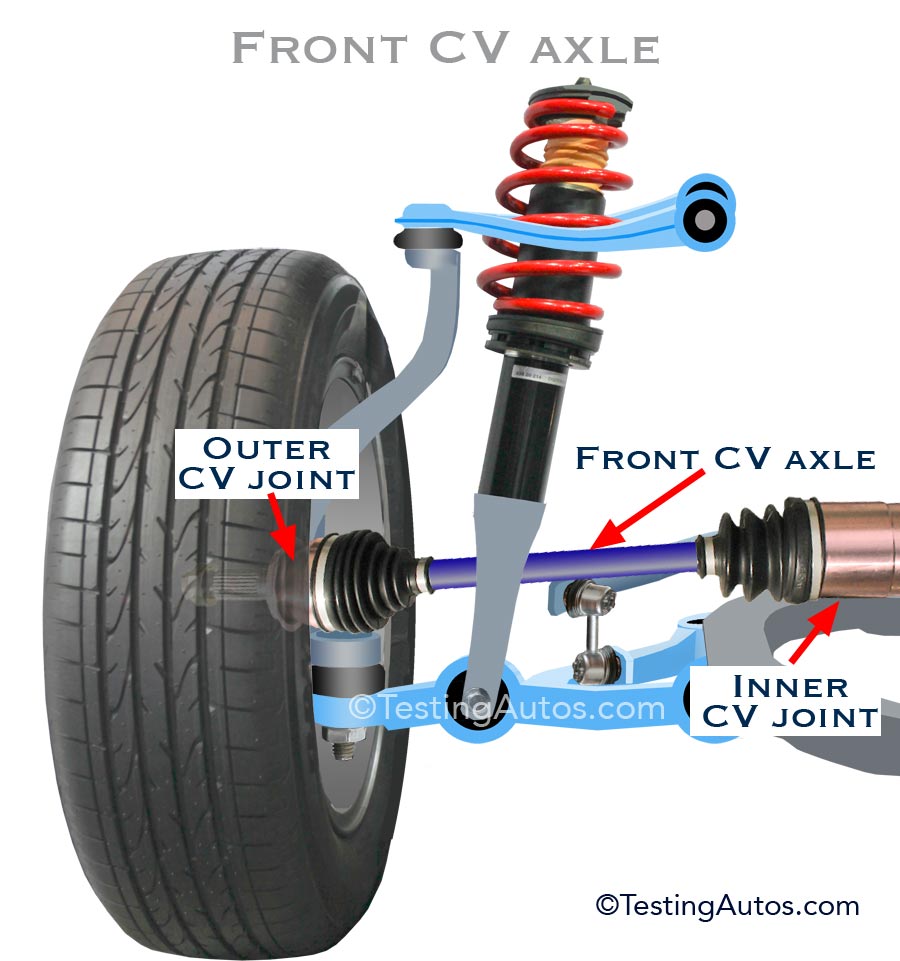
At its simplest, a CV axle—also referred to as a half-shaft—is a mechanical drive shaft that connects the transmission (or differential) to the wheel hub. Its primary purpose is to transfer torque from the engine to the wheels, allowing them to spin and propel the vehicle forward. However, unlike a rigid drive shaft found on older trucks, a CV axle must handle a complex challenge: it must transfer power while simultaneously moving up and down with the suspension and steering left and right.
The Mechanics of Constant Velocity
The “Constant Velocity” in its name is not merely a technical label; it describes the component’s unique ability to maintain a steady speed regardless of the angle at which it is operating. If you were to use a traditional “U-joint” (universal joint) at extreme angles, the output speed would fluctuate, causing vibration and premature wear. The CV joint, by contrast, uses a series of steel ball bearings housed in a cage to distribute torque evenly, ensuring that the wheel turns at the exact same speed as the transmission output, even during sharp turns or over deep potholes.
The Essential Components
A complete CV axle assembly is composed of several critical parts:
- The Inner CV Joint: This connects to the transmission or differential. It is designed to accommodate the lateral movement caused by suspension travel.
- The Outer CV Joint: This connects to the wheel hub. Its primary job is to accommodate the wide steering angles required to turn the vehicle.
- The Axle Shaft: The rigid steel bar connecting the two joints.
- The CV Boot: Perhaps the most vital maintenance component, this rubber or thermoplastic bellows keeps grease inside the joint and keeps debris, dirt, and water out.
Why CV Axles Are Prone to Failure
Because they are subjected to constant friction, extreme torque, and the harsh realities of the road, CV axles are considered wear-and-tear items. Over time, the internal components will inevitably fatigue. However, the most common catalyst for failure is not the joint itself, but the protective boot.
The Role of the CV Boot
The life of a CV axle is entirely dependent on the integrity of the CV boot. This pleated rubber cover is packed with high-temperature, high-pressure grease that lubricates the ball bearings inside the joint. If the boot cracks—often due to age, exposure to road salt, or contact with road debris—the grease will spin out due to centrifugal force. Once the grease escapes, the joint is left unlubricated. Furthermore, the tear allows sand, water, and grit to enter the assembly. These contaminants act as an abrasive, grinding down the precision-machined surfaces of the ball bearings and the cage.
Signs of a Failing CV Axle
Recognizing the symptoms of a failing axle early can save a driver from a dangerous road-side breakdown. The most common indicators include:
- Clicking Noises: A rhythmic clicking or popping sound when turning the steering wheel sharply is the quintessential sign of a worn outer CV joint.
- Vibrations: If you feel a shuddering or vibrating sensation while accelerating, particularly at highway speeds, it often points to an inner CV joint failure.
- Grease Splatter: If you look behind your wheel and see thick, black, or metallic-looking grease sprayed onto the suspension or the inner tire wall, your CV boot has likely ruptured.
- Clunking Sounds: A clunking noise when you shift from “Park” to “Drive” or when you let off the throttle and get back on it can indicate excessive “play” or looseness in the axle assembly.
The Maintenance and Replacement Process
When a CV axle reaches the end of its service life, it cannot be “repaired” in the traditional sense. Because the internal races are precision-machined, once they develop pitting or excessive play, the only viable solution is complete replacement of the axle assembly.
The Repair Decision
Professional mechanics generally recommend replacing the entire axle shaft rather than just the joint. While it is technically possible to replace only the CV joint, the labor involved in dismantling the assembly often exceeds the cost of a new, pre-assembled axle. Furthermore, by replacing the entire unit, you ensure that both the inner and outer joints, as well as the shaft itself, are brand new, providing the best return on investment for labor costs.
DIY vs. Professional Service
Replacing a CV axle is a significant task that falls under the intermediate-to-advanced category of automotive repair. It requires removing the wheel, detaching the suspension components (such as the ball joint or the strut mount), and pulling the axle out of the transmission.
There are several risks involved for the home mechanic:
- Transmission Fluid Loss: Depending on the vehicle, removing the axle may cause transmission fluid to leak out, requiring a top-up or fluid change.
- Specialized Tools: You will likely need a high-torque wrench to remove the axle nut, which is often tightened to hundreds of foot-pounds of torque.
- Safety Hazards: Because the vehicle must be securely lifted and suspension parts manipulated under tension, the potential for injury is higher than in simpler tasks like an oil change.
Given the importance of these components to vehicle steering and power delivery, if you lack the proper equipment or experience, professional installation is strongly advised.
Extending the Life of Your Axles
While CV axles are consumable parts, they are not fragile. With proper driving habits and regular inspections, you can maximize their longevity.
Proactive Inspection
Include a CV joint check in your routine maintenance schedule. Whenever you have the car on a lift—such as during an oil change or tire rotation—ask your mechanic to inspect the rubber boots. Checking for tears, cracks, or signs of grease leakage before they become catastrophic failures is the single most effective way to manage these components.
Driving Habits
Your driving style significantly impacts the stress placed on your CV joints. Aggressive acceleration, particularly with the wheels turned, puts maximum strain on the outer joints. When pulling out of a driveway or making a sharp turn into traffic, applying gradual throttle rather than slamming the pedal to the floor will significantly reduce the wear on the bearings and the stress on the axle shaft. Additionally, avoiding heavy off-roading or deep potholes is crucial, as extreme suspension angles force the CV joints to operate at their physical limits.

The Future of Drivetrain Technology
As the automotive landscape shifts toward Electric Vehicles (EVs), the role of the CV axle is changing but not disappearing. EVs deliver instant torque, which puts an even greater strain on drive axles compared to traditional internal combustion engines. This has forced manufacturers to engineer stronger, more durable CV axle designs. While the fundamental concept—transferring power through an angled joint—remains the same, the materials and hardening processes continue to evolve to handle the high-torque nature of electric motors.
Understanding your vehicle’s CV axles is about more than just mechanics; it is about safety and reliability. By keeping a watchful eye on those rubber boots and listening for the telltale sounds of wear, you can ensure that your vehicle remains responsive, safe, and ready for the road ahead. Whether you are driving an older sedan or a cutting-edge EV, the CV axle remains a vital link in the chain that keeps your world moving.
aViewFromTheCave is a participant in the Amazon Services LLC Associates Program, an affiliate advertising program designed to provide a means for sites to earn advertising fees by advertising and linking to Amazon.com. Amazon, the Amazon logo, AmazonSupply, and the AmazonSupply logo are trademarks of Amazon.com, Inc. or its affiliates. As an Amazon Associate we earn affiliate commissions from qualifying purchases.