
In the competitive landscape of modern commerce, most products are designed to appeal to the widest possible audience. Brands invest millions in market research, focus groups, and broad-scale advertising campaigns to ensure that their offerings resonate with the “average” consumer. Yet, there exists a unique class of products that defies this conventional wisdom. These are the “cult favorites”—products that achieve an intense, almost fanatical level of devotion from a specific segment of the market, often without the backing of massive media spends or mainstream saturation.
Understanding the cult favorite phenomenon is essential for any brand strategist or marketer. It represents the pinnacle of brand loyalty, where the product transcends its functional purpose to become an emblem of identity for the user. When a product earns a cult following, it stops being a mere commodity and starts becoming a cornerstone of a community.

The Anatomy of a Cult Favorite
A cult favorite is rarely born from sheer coincidence. While some reach this status organically, most are the result of specific brand attributes that trigger an emotional connection. The defining characteristic of these products is not their market share, but the quality of the relationship they build with their consumers.
Authentic Value Propositions
Cult favorites often address a highly specific “pain point” that mainstream products have ignored. Because they are designed to solve a niche problem exceptionally well, they provide a sense of relief or discovery to the user. This authenticity creates a “eureka” moment—a feeling that the brand truly understands the consumer’s unique needs. This creates a foundation of trust that cannot be replicated through traditional marketing copy.
Scarcity and Exclusivity
Many cult favorites lean into the psychology of scarcity. Whether by limited distribution, artisanal manufacturing processes, or geographic unavailability, these products often feel like “insider secrets.” This exclusivity gamifies the act of acquisition. When a consumer manages to track down a cult product, they feel a sense of achievement. This fosters a protective instinct; fans become self-appointed guardians of the brand, eager to share their “secret” only with those they deem worthy.
Design as a Cultural Marker
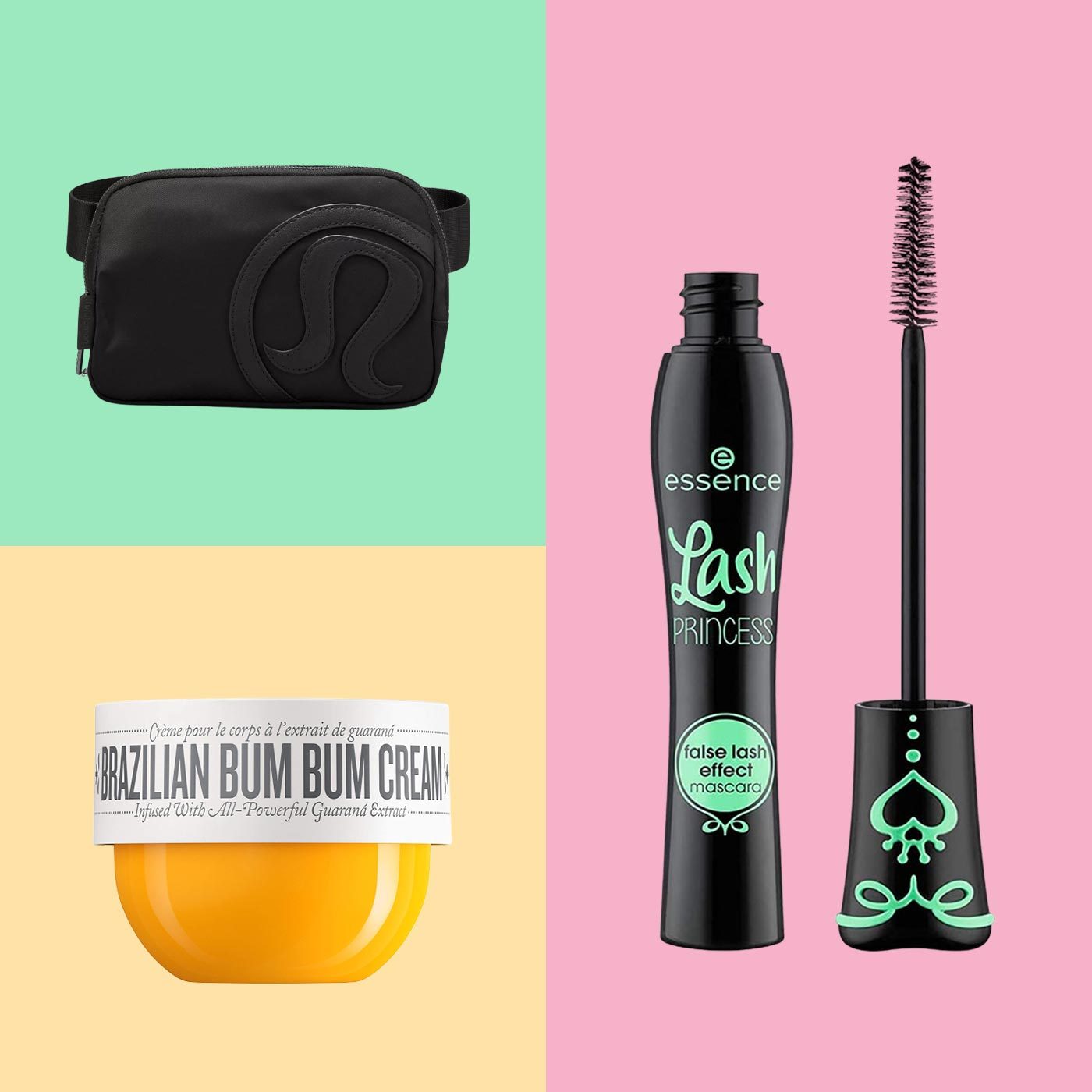
Visual identity plays a massive role in the cult status of a product. Cult favorites often feature distinctive, unconventional, or minimalist design language that signals membership in an “in-group.” If you see someone carrying a specific brand of bag, wearing a niche sneaker, or using a particular type of analog stationary, you immediately identify them as someone who shares your aesthetic values. In this way, the product functions as a silent badge of status or shared identity.
The Role of Community and Social Proof
The internet has acted as a catalyst for the cult favorite, shifting the power dynamic from the brand’s marketing department to the consumer’s social network. In the past, cult status was word-of-mouth in the literal sense; today, it is driven by digital subcultures, Reddit threads, and hyper-specific online forums.
The Power of Peer Advocacy
Modern consumers are inherently skeptical of corporate advertising. They view traditional commercials as interruptions and paid influencer campaigns as transactional. Conversely, they view user-generated content—a genuine review in a Discord server, a detailed Reddit thread, or a candid TikTok video—as peer-to-peer advice. When a product earns a cult following, it is because thousands of individual users have independently decided to champion it. This grassroots social proof is infinitely more persuasive than a billboard.
Creating High-Barrier-to-Entry Communities
The most successful cult brands do not just sell a product; they facilitate a community. They create a space where users can swap tips, share use-cases, and debate the minutiae of the brand’s history. These communities often have their own jargon and unwritten rules. By participating in these forums, the consumer feels a deeper sense of belonging. The product becomes the key that unlocks this community, and the consumer stays because they value the social interaction as much as the product itself.
Strategy: Cultivating Rather Than Forcing
Can a brand manufacture a cult favorite? The answer is nuanced. You cannot “force” a cult following, as the term implies a degree of organic obsession that cannot be engineered. However, brands can design their strategy to maximize the potential for cult status to emerge.
The “Deep, Not Wide” Approach
To build a cult favorite, a brand must resist the temptation to dilute its message for mass appeal. This requires a willingness to ignore large segments of the population to serve a smaller segment perfectly. If your marketing strategy is to be “everything to everyone,” you will inevitably become “nothing special to anyone.” By tightening your brand positioning—focusing on a specific demographic, a specific lifestyle, or a specific problem—you increase the likelihood of fostering deep devotion.
Prioritizing Consistency Over Trends
Brands that chase seasonal trends rarely develop long-term cult followings. Cult favorites are defined by their consistency. They do not pivot their identity every time a new marketing wave emerges. Instead, they double down on what makes them unique. When a brand stays true to its core design principles or functional focus over several decades, it gains the status of a “classic” or an “essential.” This historical consistency builds a narrative of reliability that fans take pride in defending.
Empowering the Super-Users
The best way to nurture a cult following is to identify the “super-users” and invite them into the brand’s ecosystem. These are the individuals who are already evangelizing the product. Brands that provide these users with early access, direct lines of communication, or recognition essentially turn their biggest fans into an extension of their marketing team. This creates a feedback loop: the brand listens to the superfans, the fans feel heard and validated, and they, in turn, become even more fervent in their advocacy.
The Risk of Growth and Mainstream Success
Ironically, the biggest threat to a cult favorite is its own success. When a niche product hits the mainstream, the original fans often feel a sense of loss. The “insider secret” becomes a “common utility,” and the exclusivity that defined the brand’s initial appeal evaporates.
Navigating the “Sellout” Perception
When a cult brand expands too quickly or starts prioritizing volume over craftsmanship, the community may revolt. This is the danger zone for any cult favorite. To avoid this, successful brands often employ a “differentiated product” strategy. They keep their core product unchanged, maintaining the integrity of the original offering, while introducing secondary or more accessible lines for the broader market. This allows the brand to grow financially without alienating the core audience that built its reputation.

Preserving the Core Narrative
Ultimately, maintaining a cult favorite requires a constant commitment to the brand’s original ethos. Even as a company expands, it must ensure that its core narrative—the reason the product was special in the first place—remains intact. If the brand loses its soul in the pursuit of efficiency, it loses its cult status.
In conclusion, a cult favorite is the result of a deliberate, long-term commitment to quality, identity, and community. It is a brand that refuses to compromise on its niche in favor of mass-market convenience. For the business strategist, the takeaway is clear: do not aim for the entire market. Instead, aim to be indispensable to a specific group of people. If you can change the way those people view their world, you will have built more than a brand—you will have built a movement.
aViewFromTheCave is a participant in the Amazon Services LLC Associates Program, an affiliate advertising program designed to provide a means for sites to earn advertising fees by advertising and linking to Amazon.com. Amazon, the Amazon logo, AmazonSupply, and the AmazonSupply logo are trademarks of Amazon.com, Inc. or its affiliates. As an Amazon Associate we earn affiliate commissions from qualifying purchases.