
In the last decade, the global financial landscape has undergone a seismic shift. Traditional systems of banking and exchange, once the sole gatekeepers of wealth, are now being challenged by a decentralized alternative: the crypto coin. To the uninitiated, a crypto coin might seem like nothing more than digital strings of code. However, to the modern investor, it represents a revolutionary asset class, a hedge against inflation, and a fundamental reimagining of what money can be.
Understanding what a crypto coin is requires more than a technical definition; it requires an exploration of its role in personal finance, its behavior as an investment vehicle, and its potential to redefine global commerce.
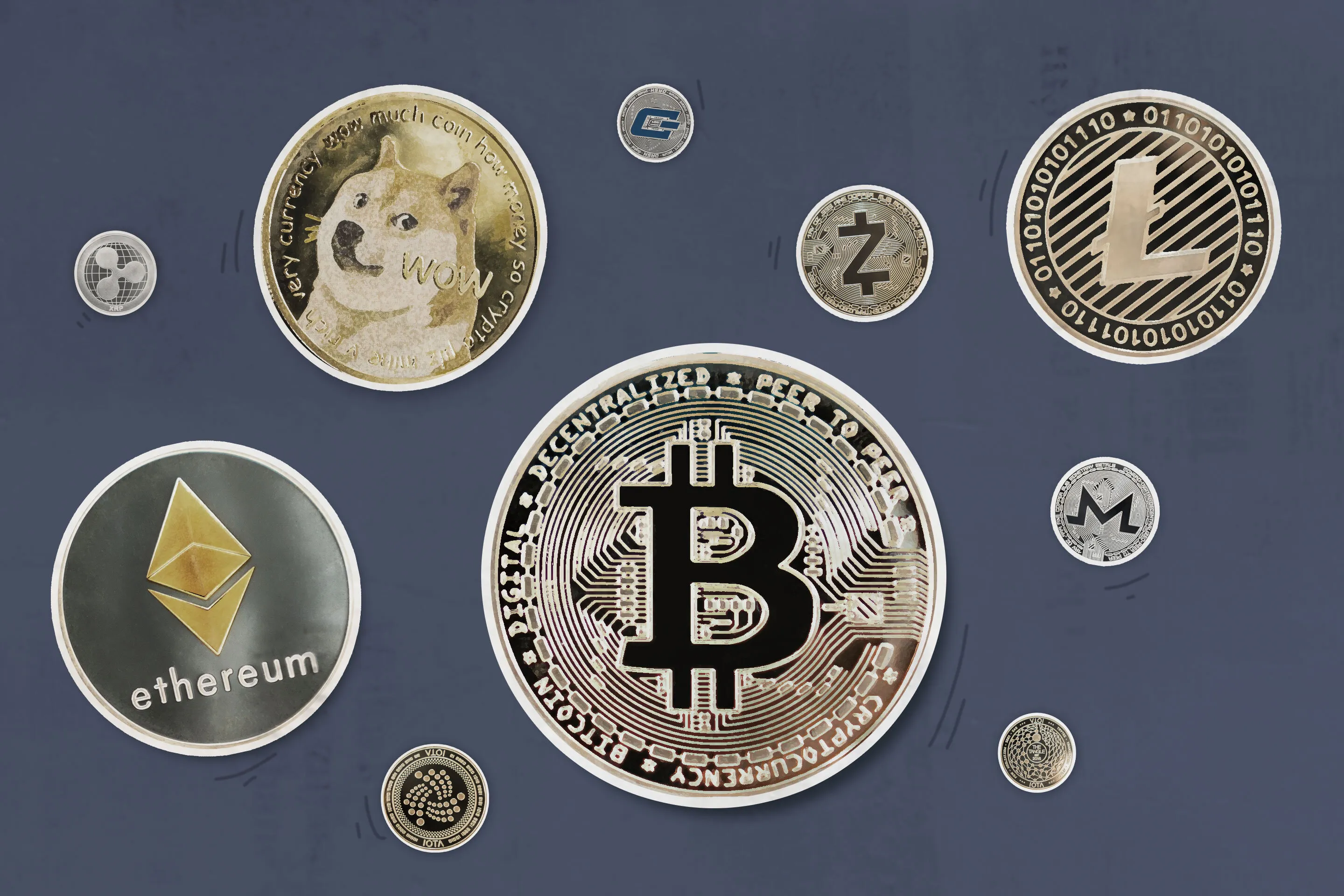
Understanding the Fundamentals: From Barter to Digital Currency
At its core, a crypto coin is a medium of exchange that is digital, encrypted, and decentralized. Unlike the US Dollar or the Euro, which are fiat currencies backed by government decree, crypto coins are backed by mathematics and consensus protocols.
Defining the Crypto Coin vs. Traditional Money
Traditional money—fiat—relies on a central authority, such as a central bank, to manage supply and verify transactions. When you send money via a bank, that institution acts as the intermediary, confirming you have the funds and updating a private ledger.
A crypto coin, conversely, operates on a public ledger called a blockchain. Every transaction is recorded across a vast network of computers, making it nearly impossible to counterfeit or double-spend. From a financial perspective, this removes the “middleman” fees and delays associated with traditional banking, offering a more efficient way to move value across borders.
The Role of Decentralization in Financial Freedom
The most compelling financial aspect of a crypto coin is decentralization. Because no single entity controls the network, crypto coins are resistant to censorship and arbitrary manipulation. For individuals in economies suffering from hyperinflation or restrictive capital controls, crypto coins provide a way to preserve purchasing power. In this context, a crypto coin is not just an “app” or a piece of tech; it is a financial tool for sovereignty, allowing individuals to truly “be their own bank.”
How Crypto Coins Function as Investment Vehicles
For most people, the question “what is a crypto coin” is followed closely by “how do I make money with it?” Over the past several years, cryptocurrencies have transitioned from a niche hobby for developers to a legitimate component of institutional and individual investment portfolios.
Asset Allocation and Diversification Strategies
Modern portfolio theory suggests that diversification is the only “free lunch” in investing. By adding assets that do not move in perfect lockstep with the stock market, investors can potentially reduce risk while maintaining returns. Crypto coins, particularly Bitcoin and Ethereum, have shown varying degrees of correlation with traditional equities, often acting as “risk-on” assets.
Financial advisors are increasingly suggesting a small allocation—often 1% to 5%—to crypto coins to capture their explosive growth potential. Because crypto coins have a fixed or programmatic supply (unlike fiat money, which can be printed), they are often viewed as “Digital Gold,” serving as a long-term store of value.
Understanding Volatility and Risk Management
It is impossible to discuss crypto coins as a financial asset without addressing volatility. Price swings of 10% or 20% in a single day are not uncommon. From a money management perspective, this requires a disciplined approach.
Investors must distinguish between “coins” (which have their own independent blockchains, like Bitcoin) and “tokens” (which reside on existing blockchains). Understanding the underlying “tokenomics”—the economic model governing the coin’s supply and demand—is essential for assessing long-term viability. High volatility can lead to high rewards, but it also necessitates strict stop-loss orders and a clear exit strategy for those looking to protect their capital.
The Mechanics of Earning: Trading, Staking, and Yield Farming

The crypto ecosystem has evolved far beyond simple buying and selling. It now offers a suite of financial products that mirror, and in some cases improve upon, traditional banking services.
Passive Income Through Staking and Lending
One of the most significant developments in the world of crypto coins is the ability to generate passive income. Many modern coins use a “Proof of Stake” consensus mechanism. In this model, holders can “stake” their coins to help secure the network. In exchange, they receive rewards, much like earning interest in a high-yield savings account.
Furthermore, Decentralized Finance (DeFi) platforms allow users to lend their crypto coins to others. The interest rates on these loans are often significantly higher than those offered by traditional banks because the overhead costs of a physical bank are replaced by automated “smart contracts.”
Active Income: The Realities of Crypto Trading
For those with a higher risk tolerance, the 24/7 nature of the crypto market provides constant opportunities for active trading. Unlike the New York Stock Exchange, which has set hours, the crypto market never sleeps. Traders use technical analysis, sentiment tracking, and arbitrage (exploiting price differences between exchanges) to generate income. However, this requires a deep understanding of market liquidity and the psychological discipline to manage trades in a fast-paced environment.
Essential Financial Tools for the Crypto Investor
Entering the world of crypto coins requires a new set of financial tools. Managing digital assets is a departure from checking an online bank balance, and it places the burden of security squarely on the individual.
Choosing the Right Exchange and Wallet
To acquire a crypto coin, one usually starts at a centralized exchange (CEX) like Coinbase or Binance. These platforms act as the bridge between fiat money and the digital world. However, for long-term storage, savvy investors move their assets to “cold storage” or hardware wallets.
The financial logic is simple: if your coins are on an exchange, you are technically a creditor of that exchange. If you hold your own private keys in a hardware wallet, you have total ownership. In the world of finance, this is known as reducing “counterparty risk.”
Tax Implications and Regulatory Compliance
As crypto coins have grown in value, they have caught the attention of tax authorities. In many jurisdictions, crypto coins are treated as property, meaning every trade or sale is a taxable event subject to capital gains tax.
Maintaining meticulous records is a vital part of managing crypto as a financial asset. Use of specialized crypto tax software has become a standard practice for serious investors to ensure they remain compliant while optimizing their tax liability through strategies like tax-loss harvesting—selling assets at a loss to offset gains elsewhere in their portfolio.
The Future of Crypto Coins in the Global Financial Ecosystem
The trajectory of the crypto coin suggests it is not a passing fad but a permanent fixture of the financial world. As the technology matures, the focus is shifting from speculation to utility.
Institutional Adoption and Market Maturity
The landscape changed significantly with the approval of Spot Bitcoin ETFs (Exchange-Traded Funds). This allowed traditional institutional investors—pension funds, insurance companies, and mutual funds—to gain exposure to crypto coins without the complexities of managing digital keys. This influx of “smart money” provides greater liquidity and stability to the market, signaling that crypto coins are now a recognized asset class on par with commodities and bonds.

The Shift Toward Digital Payments
While many see crypto coins primarily as an investment, their original purpose was as a currency. We are seeing a resurgence in this area through “stablecoins”—crypto coins pegged to the value of a stable asset like the US Dollar. These coins provide the speed and borderless nature of crypto without the price volatility.
Businesses are increasingly integrating these assets into their payment stacks to settle international invoices instantly, avoiding the 3–5 day delay of the SWIFT banking system. This transition from “speculative asset” to “functional currency” represents the final stage of crypto’s integration into our daily financial lives.
In conclusion, a crypto coin is far more than a digital novelty. It is a sophisticated financial instrument that offers unique opportunities for wealth creation, risk management, and global transacting. Whether used as a speculative vehicle, a passive income generator, or a hedge against traditional market instability, the crypto coin has fundamentally altered the way we perceive and interact with value in the 21st century. For the modern individual, understanding the “money” side of crypto is no longer optional—it is a prerequisite for financial literacy in a digital age.
aViewFromTheCave is a participant in the Amazon Services LLC Associates Program, an affiliate advertising program designed to provide a means for sites to earn advertising fees by advertising and linking to Amazon.com. Amazon, the Amazon logo, AmazonSupply, and the AmazonSupply logo are trademarks of Amazon.com, Inc. or its affiliates. As an Amazon Associate we earn affiliate commissions from qualifying purchases.