
The Crock Pot, an iconic kitchen appliance, transcends its simple moniker to represent a sophisticated integration of controlled heating technology, material science, and user convenience, designed to revolutionize the preparation of slow-cooked meals. Far from being a mere pot, it is a specialized gadget engineered for precision, efficiency, and automation in the culinary process, serving as an indispensable tool in modern, tech-enabled kitchens. Its primary utility lies in its ability to apply consistent, low-temperature heat over extended periods, enabling a hands-off approach to cooking that yields tender textures and deeply infused flavors, a testament to thoughtful appliance design.

The Core Technology of Slow Cooking: Precision and Efficiency
At its heart, the Crock Pot is a masterclass in thermal management and controlled energy application. Its design orchestrates a unique cooking environment that differs significantly from conventional ovens or stovetops, prioritizing gentle, prolonged heat over rapid, intense temperatures. This fundamental technological approach defines its utility and efficacy.
Understanding the Heating Mechanism
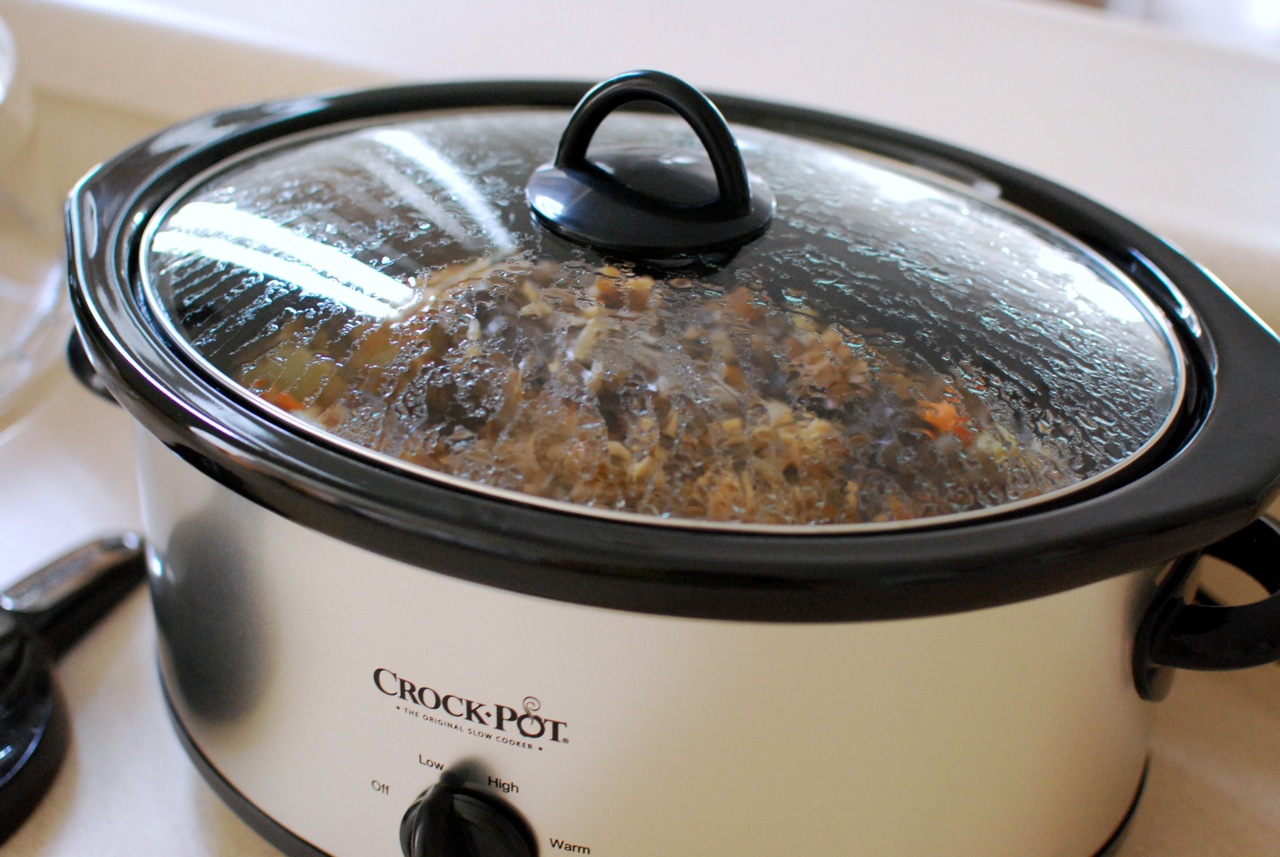
The Crock Pot operates on a principle of indirect, encircling heat. A robust heating element, typically situated in the base and sometimes extending up the sides of the outer casing, radiates heat slowly and evenly. This heat is then transferred to a heavy, often ceramic or stoneware, inner pot. This material choice is critical; stoneware is renowned for its excellent heat retention and distribution properties, ensuring that the food inside is cooked uniformly from all directions, rather than just from the bottom.
Crucially, the appliance is sealed with a tight-fitting lid, usually made of glass or another heavy material. This lid plays a vital role in trapping steam and moisture, creating a self-basting environment that prevents food from drying out and locks in flavors. Unlike high-heat cooking, where moisture rapidly evaporates, the Crock Pot’s low-temperature, sealed system maintains a consistent humidity level. This controlled atmosphere is what allows for the gradual breakdown of tough connective tissues in meats and the gentle melding of ingredients, resulting in exceptionally tender and flavorful dishes that are often unattainable through quicker cooking methods. From a technological standpoint, this system optimizes energy transfer for prolonged durations, ensuring minimal heat loss and maximum cooking efficiency for its intended purpose.
Material Science in Crock Pot Design
The selection and integration of materials are pivotal to the Crock Pot’s functionality and safety. The stoneware or ceramic insert is not merely a container but a key component in the appliance’s thermal performance. These materials are chosen for their inertness, preventing any chemical reactions with food, and their ability to withstand prolonged heating cycles without degradation. Their smooth, glazed surfaces also contribute to non-stick properties and ease of cleaning, enhancing user experience.
The exterior casing of a Crock Pot is designed with insulation in mind. While the internal temperature is maintained, the outer surface is engineered to remain relatively cool to the touch, minimizing burn hazards and ensuring efficient energy containment. The lid’s design is equally sophisticated, often featuring a slight dome or a tight seal to create a vacuum effect, further improving moisture retention. Modern lids may also incorporate vents to release minimal pressure or include shatter-resistant glass for durability and visibility. These material choices reflect a deliberate engineering effort to create a safe, efficient, and user-friendly cooking gadget.
The Evolution of the Slow Cooker: From Basic Gadget to Smart Appliance
The Crock Pot’s journey from a utilitarian kitchen gadget to a technologically advanced appliance mirrors the broader trend of smart home integration and automation. Its evolution showcases a continuous drive towards enhanced control, convenience, and connectivity.
Early Models and Core Functionality
The initial iterations of the slow cooker were characterized by their straightforward design and functionality. Early models typically offered basic ‘on/off’ settings, or perhaps a ‘low’ and ‘high’ heat option. The technological simplicity was its strength; users would set the temperature and leave the appliance to cook, embodying the original ‘set it and forget it’ ethos. This fundamental capability, though basic by today’s standards, was revolutionary for its time, providing a hands-off cooking solution that was previously unavailable. The focus was on reliable, consistent heating to achieve slow-cooked results with minimal intervention.
Introduction of Programmable Features
A significant leap in the Crock Pot’s evolution came with the integration of programmable features. The introduction of built-in timers allowed users to specify a cooking duration, after which the appliance would automatically switch off or, more commonly, transition to a ‘keep warm’ setting. This ‘keep warm’ function was a critical safety and convenience enhancement, ensuring food remained at a safe serving temperature without overcooking. Digital displays and touch controls replaced traditional dials, offering a more precise and intuitive user interface for setting cooking times and temperatures. These advancements transformed the Crock Pot from a passive heating device into a semi-automated cooking assistant, aligning it with the burgeoning trend of smart home appliances that offer greater control and flexibility.
Modern Innovations and Connectivity
Contemporary Crock Pots represent the pinnacle of slow cooker technology, often incorporating features that integrate them into the broader ecosystem of smart home devices. Wi-Fi enabled models allow users to remotely control the appliance via smartphone apps. This connectivity empowers users to adjust cooking times, change temperature settings, or even initiate cooking cycles from outside the home. Such features are invaluable for busy individuals, offering unprecedented flexibility and responsiveness to changing schedules.
Furthermore, some advanced models include integrated temperature probes, enabling precise monitoring of internal food temperatures to ensure dishes reach specific doneness levels. The trend towards multi-functionality has also seen slow cookers evolve into versatile kitchen hubs, often combining slow cooking capabilities with pressure cooking, sautéing, and even air frying functions within a single appliance. This consolidation of features reduces kitchen clutter and offers diverse culinary options, solidifying the Crock Pot’s position as a sophisticated and adaptable kitchen gadget designed for the demands of modern living.
Optimizing Culinary Processes with Slow Cooking Technology
The Crock Pot’s utility extends beyond mere convenience; it is a tool that optimizes several aspects of culinary science and modern lifestyle management. Its technological design actively contributes to enhanced food quality and streamlined household operations.
Enhancing Food Science through Low-Temperature Cooking
From a food science perspective, the controlled, low-temperature environment of a Crock Pot is ideal for specific chemical and physical transformations in food. For meats, the prolonged exposure to gentle heat systematically breaks down tough collagen and connective tissues into gelatin. This process, often difficult to achieve with high-heat methods without drying out the meat, results in exceptionally tender, fall-apart textures. Similarly, vegetables cooked slowly absorb flavors more deeply and achieve a creamy consistency without becoming mushy. The sealed environment also minimizes the loss of volatile aromatic compounds and water-soluble nutrients, enhancing both the flavor profile and nutritional value of the cooked dishes. This controlled culinary environment essentially acts as a sophisticated incubator for flavor development and textural perfection.
Streamlining Workflow and Time Management
In a world where time is a premium, the Crock Pot acts as a technological solution for efficient meal preparation and time management. Its hands-off operation allows users to load ingredients in the morning and return home to a fully cooked meal. This automation significantly reduces the “active” cooking time required, freeing up hours that would otherwise be spent monitoring stovetops or ovens. For meal prep, it enables the cooking of large batches of food, simplifying subsequent meals throughout the week. The predictability and safety of automated dinner preparation afforded by programmable timers and ‘keep warm’ functions make the Crock Pot an indispensable gadget for balancing busy professional lives with the desire for home-cooked meals. Its energy consumption profile, while running for longer durations, is often lower per hour compared to conventional ovens, making it an energy-efficient choice for certain prolonged cooking tasks.
Considerations for Integrating a Crock Pot into Your Tech-Enabled Kitchen
Selecting and maintaining a Crock Pot involves evaluating its technical specifications and features to ensure it aligns with your specific needs and integrates seamlessly into your kitchen’s ecosystem.
Choosing the Right Model: Features and Specifications
When choosing a Crock Pot, various technical considerations come into play. Capacity, measured in quarts or liters, is crucial for matching the appliance’s size to household needs, ranging from compact 1-quart models for single servings to large 8-quart units for families or entertaining. The type of controls—manual, digital, or smart (Wi-Fi enabled)—dictates the level of automation and remote accessibility. Manual models offer simplicity, while digital and smart options provide precise timing, temperature control, and integration with other smart devices. Additional features like locking lids for transport, removable stoneware inserts for easier cleaning, and multi-functionality (e.g., slow cook plus pressure cook) add to the appliance’s versatility and user convenience. Understanding power consumption ratings can also inform an energy-conscious choice, particularly for models designed for sustained use.

Maintenance and Longevity of the Appliance
Proper maintenance is key to ensuring the longevity and continued performance of a Crock Pot. This primarily involves caring for the ceramic or stoneware insert, which should be handled with care to prevent chipping or cracking. Cleaning typically involves washing the removable insert and lid, while the exterior casing should be wiped down. For models with digital interfaces or Wi-Fi connectivity, protecting these electronic components from moisture and extreme temperatures is important. Regularly checking the power cord and heating element for signs of wear ensures continued safe operation. By adhering to manufacturer guidelines for cleaning and care, users can maximize the lifespan of this valuable kitchen gadget, ensuring it continues to serve as a reliable, technologically advanced tool for hands-off cooking for years to come.
aViewFromTheCave is a participant in the Amazon Services LLC Associates Program, an affiliate advertising program designed to provide a means for sites to earn advertising fees by advertising and linking to Amazon.com. Amazon, the Amazon logo, AmazonSupply, and the AmazonSupply logo are trademarks of Amazon.com, Inc. or its affiliates. As an Amazon Associate we earn affiliate commissions from qualifying purchases.