
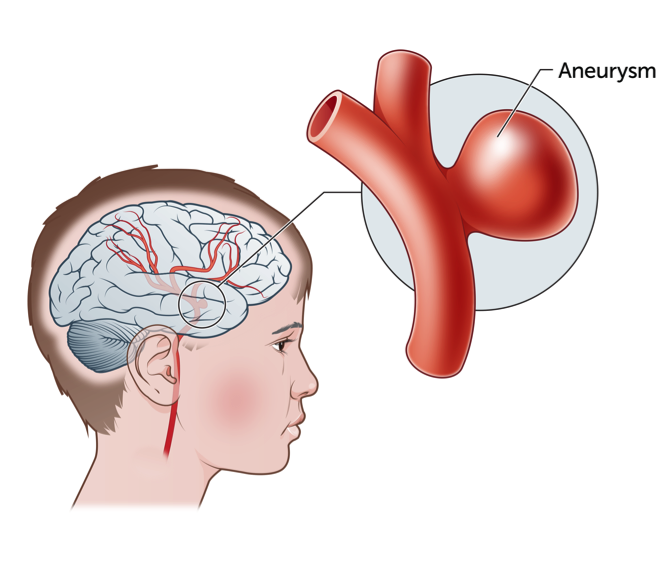
A cranial aneurysm—medically referred to as a cerebral or intracranial aneurysm—is a silent, balloon-like bulge that forms on the wall of an artery within the brain. Often described as a “weak spot” in the vascular architecture of the cranium, these aneurysms occur when the blood vessel wall thins and balloons outward due to sustained pressure or structural compromise. While many aneurysms remain asymptomatic throughout a person’s life, others pose a significant risk of rupture, leading to subarachnoid hemorrhage—a life-threatening condition that necessitates immediate medical intervention. Understanding the pathophysiology, diagnostic pathways, and risk management associated with these vascular anomalies is essential for anyone prioritizing long-term health and financial stability, as the implications of a sudden health crisis are as much economic as they are clinical.
The Pathophysiology of Vascular Weakness
At the core of a cranial aneurysm is a breakdown in the structural integrity of the arterial wall. Arteries are elastic conduits designed to transport oxygenated blood from the heart to the brain under varying pressures. When this wall loses its elasticity or develops a localized defect, the force of blood flow causes the area to protrude.
Development and Classification
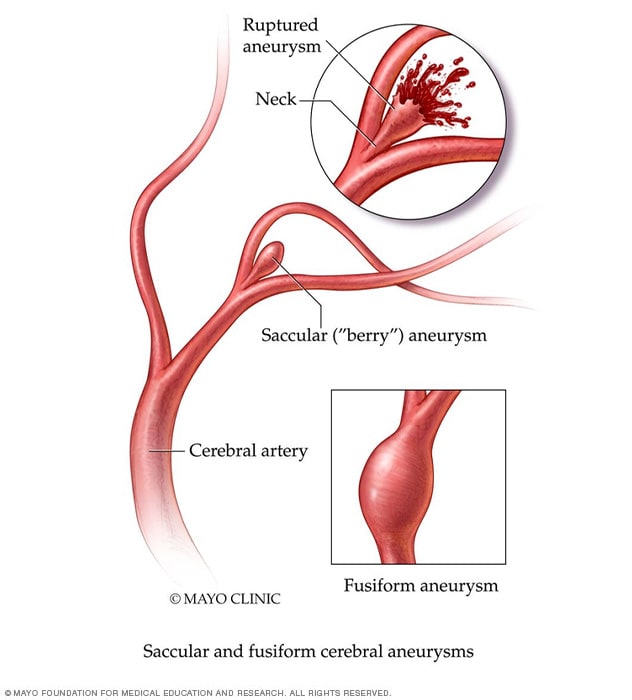
Aneurysms are not typically present at birth, although some individuals may have a genetic predisposition toward them. They generally develop over time due to a combination of wear and tear, hemodynamic stress, and underlying systemic factors. They are primarily classified by their shape: saccular (berry) aneurysms are the most common, resembling a small berry connected to the artery by a neck; fusiform aneurysms involve a wider segment of the artery, stretching the entire circumference; and dissecting aneurysms occur when a tear in the inner layer of the artery allows blood to pool between the vessel layers.
Hemodynamic Stressors
The brain is a high-demand organ, requiring a constant and precisely regulated blood supply. When systemic factors—such as uncontrolled hypertension—persist over years, the “hammering” effect of blood against arterial junctions (where vessels branch off) creates significant mechanical stress. Over time, this stress can cause the intima (the inner lining) to fray, leading to the formation of a blister or sac. The location of these aneurysms is critical; those located near the Circle of Willis, a network of arteries at the base of the brain, are particularly prone to complications due to the complex hemodynamics of that region.
Diagnostic Procedures and Risk Assessment
Identifying a cranial aneurysm is often a matter of incidental finding. Because they are typically painless until they grow large enough to press on nerves or rupture, they are frequently discovered during magnetic resonance imaging (MRI) or computed tomography (CT) scans performed for unrelated concerns, such as chronic headaches or vision changes.
Imaging Technologies
Advanced diagnostic imaging serves as the frontline of defense. A Magnetic Resonance Angiography (MRA) or a CT Angiography (CTA) allows radiologists to visualize the intricate network of brain blood vessels in high definition. These non-invasive tools can detect the size, location, and shape of an aneurysm, providing the data necessary for a neurosurgeon to determine the level of risk. In complex cases, a cerebral angiogram—a more invasive procedure where a catheter is threaded through the vascular system to the brain—is used to capture dynamic blood flow, providing a “gold standard” map for potential surgical planning.

Assessing the Rupture Risk
Not every aneurysm requires surgery. Physicians employ a nuanced risk-assessment model, weighing the size of the aneurysm (larger aneurysms are generally at higher risk), its location, and the patient’s family history against the risks associated with surgical intervention. Financial planning plays a silent role here; understanding that a “watch and wait” approach requires consistent, lifelong medical surveillance means that patients must ensure their health insurance and financial reserves are structured to support long-term monitoring, which includes regular imaging scans and specialist consultations.
The Financial Impact of Vascular Health
It is a common oversight to view health issues exclusively through a biological lens, but a significant medical diagnosis like a cranial aneurysm carries profound financial implications. A proactive approach to health is, fundamentally, a form of risk management that protects one’s financial assets, professional career, and long-term security.
Navigating Healthcare Costs
The treatment of an unruptured aneurysm—often through endovascular coiling or surgical clipping—is a highly specialized procedure that can reach significant costs. Endovascular coiling involves passing a catheter through the bloodstream to the site of the aneurysm and packing it with tiny platinum coils to stop blood flow into the sac. Alternatively, surgical clipping requires a craniotomy, where a surgeon accesses the aneurysm directly to place a metal clip across its neck, isolating it from the circulation. Both procedures are expensive, and recovery time can lead to a temporary loss of income. Proper financial planning involves reviewing disability insurance, emergency funds, and out-of-pocket maximums on health insurance policies to ensure that should a procedure become necessary, the financial burden does not derail one’s wealth-building efforts.
The Opportunity Cost of Health Crisis
The “unseen” cost of a cranial aneurysm often lies in the disruption of productivity. A rupture, should it occur, can lead to permanent neurological deficits, requiring long-term care and rehabilitation. The economic impact of such an event extends beyond the medical bills, potentially affecting one’s ability to maintain a side hustle, manage investments, or perform professional duties. By treating vascular health as a critical asset, one is essentially performing “preventative maintenance” on their most valuable investment: their own earning potential. Engaging in healthy lifestyle choices—such as smoking cessation, maintaining a healthy blood pressure, and managing cholesterol—is the most effective way to protect this asset, functioning much like an insurance policy against future volatility.
Management and Lifestyle Integration
Maintaining brain health requires a comprehensive strategy that bridges the gap between clinical medicine and personal accountability. Once a potential risk is identified, the focus shifts to stabilization and prevention.
Lifestyle as Preventative Medicine
Managing hypertension is arguably the most impactful step an individual can take. High blood pressure acts as a multiplier for arterial damage. A disciplined regimen involving cardiovascular exercise, a heart-healthy diet, and stress management tools not only improves systemic health but also reduces the hemodynamic force acting upon the arterial walls. For the high-achieving individual, managing “Type A” stress is not merely a lifestyle preference but a biological necessity to prevent the exacerbation of existing vascular weaknesses.
Long-Term Monitoring and Planning
Living with a diagnosed aneurysm—whether monitored or treated—necessitates a systematic approach to healthcare management. This involves keeping meticulous digital records of medical history, including imaging reports and surgical notes, which are vital if switching providers or seeking second opinions. Financially, this means prioritizing a “health-first” budget. Ensuring that resources are allocated to regular check-ups and follow-up imaging is a form of asset protection. When one accounts for the potential costs of chronic health issues, it becomes clear that early intervention and consistent health monitoring are the most cost-effective strategies for preserving a long, productive, and financially stable life.
Ultimately, a cranial aneurysm is a manageable condition if treated with the same level of strategic rigor applied to investment portfolios or business ventures. By combining an understanding of the biological risks with a disciplined approach to health, finance, and lifestyle, one can mitigate the dangers and continue to focus on long-term growth and success.
aViewFromTheCave is a participant in the Amazon Services LLC Associates Program, an affiliate advertising program designed to provide a means for sites to earn advertising fees by advertising and linking to Amazon.com. Amazon, the Amazon logo, AmazonSupply, and the AmazonSupply logo are trademarks of Amazon.com, Inc. or its affiliates. As an Amazon Associate we earn affiliate commissions from qualifying purchases.