
In the contemporary financial landscape, the security of personal information is not merely a matter of individual caution; it is a rigorous requirement of federal law. As digital transactions become the standard and identity theft reaches unprecedented levels, the term “covered account” has emerged as a cornerstone of financial regulation. Primarily rooted in the Red Flags Rule—a set of requirements established by the Federal Trade Commission (FTC) and other financial regulatory agencies—a covered account is a specific type of financial account that triggers heightened security obligations for institutions.
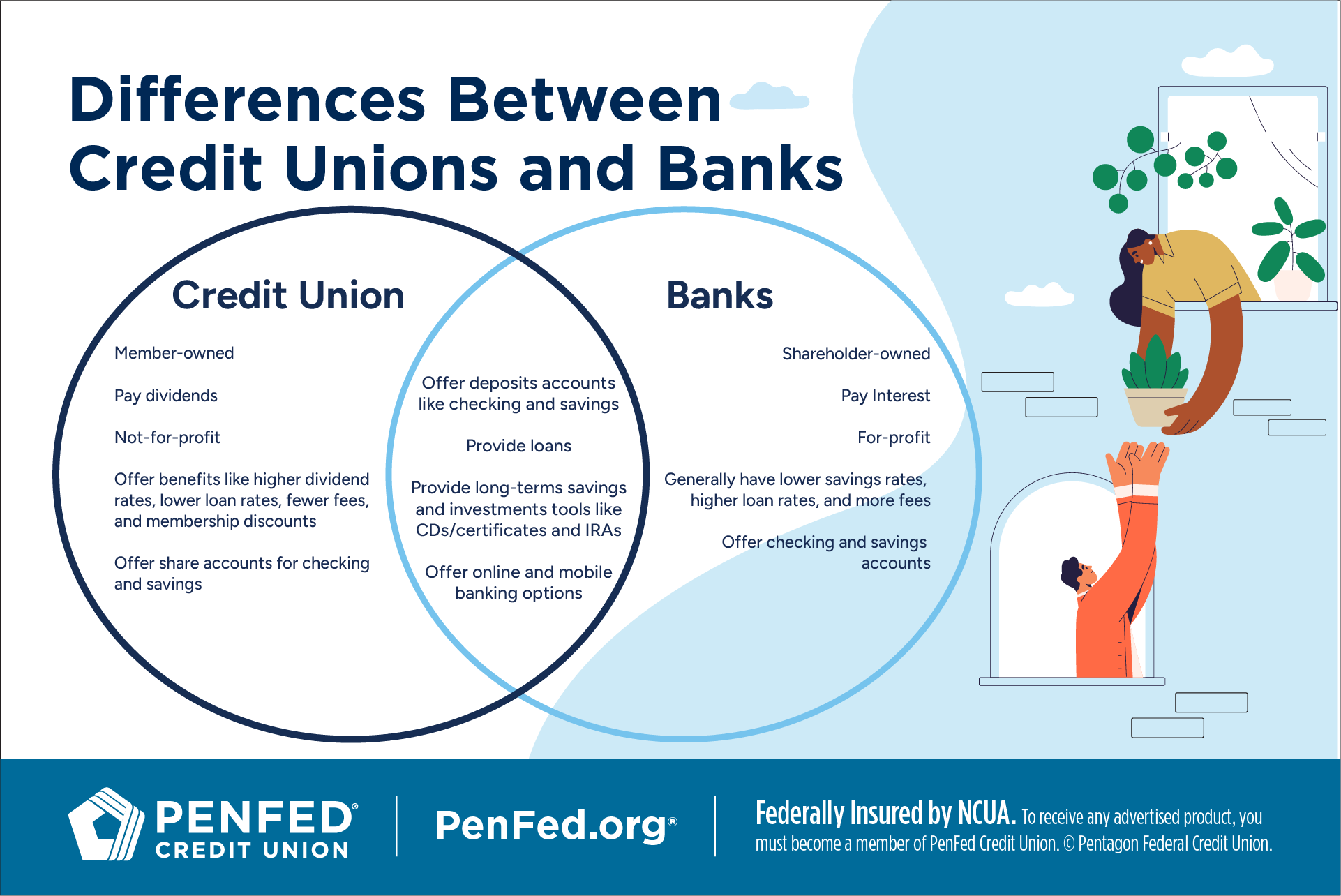
Understanding what constitutes a covered account is essential for both business owners who must comply with federal mandates and individual consumers who wish to understand how their assets are protected. At its core, the designation of a “covered account” ensures that financial institutions and creditors have robust systems in place to detect, prevent, and mitigate identity theft.
The Regulatory Framework: The Red Flags Rule and Financial Integrity
The concept of a covered account does not exist in a vacuum; it is the central element of the “Red Flags Rule,” which was developed under the Fair and Accurate Credit Transactions Act (FACTA) of 2003. This regulation was born out of a desperate need to curb the rising tide of identity theft that began to plague the financial sector at the turn of the century.
The Origin and Purpose of the Regulation
The Red Flags Rule was designed to force financial institutions and creditors to take a proactive, rather than reactive, approach to identity theft. Before these regulations, many businesses only addressed fraud after it had occurred. The Rule shifted the burden of proof, requiring businesses to create a formal, written Identity Theft Prevention Program. This program must be designed to detect the “red flags” of identity theft in their day-to-day operations.
For the financial sector, this meant identifying which accounts were most vulnerable to manipulation. These vulnerable accounts were categorized as “covered accounts.” By focusing resources on these specific areas, regulators hoped to create a more resilient financial infrastructure where suspicious activity is flagged before significant monetary loss occurs.
Why the FTC Oversees Covered Accounts
While many associate the term with banking, the Federal Trade Commission (FTC) maintains oversight because “covered accounts” extend far beyond traditional savings and checking accounts. Any entity that acts as a “creditor”—which includes businesses that allow customers to pay for goods or services over time—falls under this jurisdiction. This broad scope ensures that whether you are dealing with a local utility company, a cell phone provider, or a multi-national bank, your financial data is subject to the same rigorous standards of protection.
Defining a Covered Account: What Qualifies?
To determine if an account is “covered,” one must look at its purpose and the level of risk it presents. The law provides a two-pronged definition that helps businesses categorize their offerings and helps consumers understand their rights.
Accounts for Personal, Family, or Household Purposes
The first category of covered accounts includes any account offered or maintained by a financial institution or creditor, intended primarily for personal, family, or household purposes. These are accounts that involve multiple payments or transactions. Common examples include:
- Credit Card Accounts: Because these involve ongoing transactions and the deferment of payment, they are prime targets for identity thieves.
- Mortgage Loans: Given the high value of these accounts, they are strictly categorized as covered.
- Automobile Loans: Any financing involving a vehicle is subject to these protections.
- Checking and Savings Accounts: These are the most common types of covered accounts where frequent deposits and withdrawals occur.
- Utility and Cell Phone Accounts: Because these services are typically provided before payment is received, they are legally considered credit arrangements.
Accounts with a Foreseeable Risk of Identity Theft
The second prong of the definition is broader and more subjective. It includes any other account that the financial institution or creditor offers or maintains for which there is a “reasonably foreseeable risk” to customers or to the safety and soundness of the institution from identity theft.
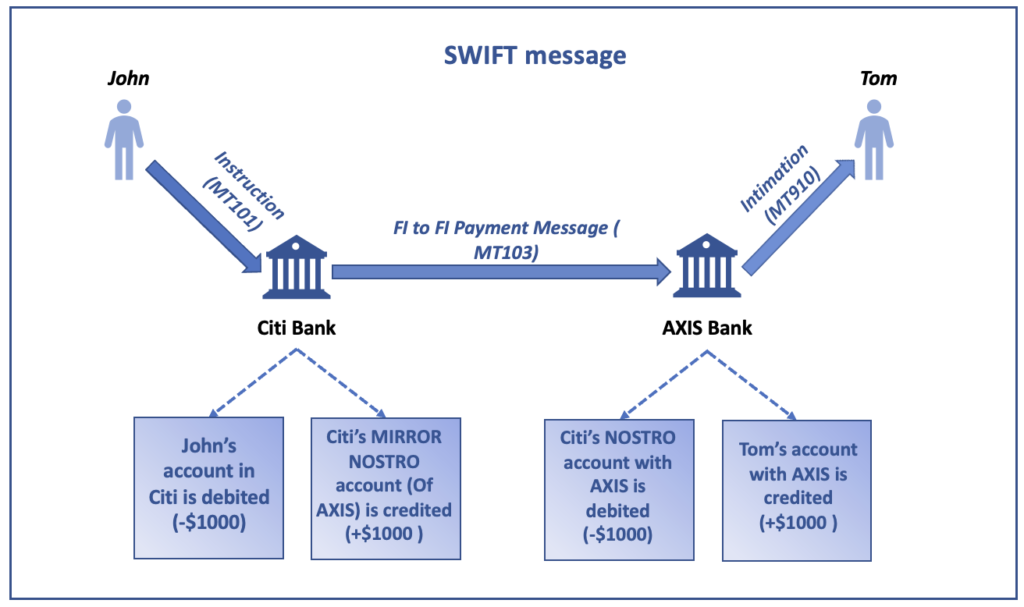
This can include business accounts or even small-entity accounts where the risk of identity theft is high. For instance, if a business account allows for remote wire transfers or online access, it may be classified as a covered account because the risk profile is significantly higher than a standard “cash-and-carry” transaction. This category allows the law to remain flexible as new financial technologies and methods of fraud emerge.
The Impact on Financial Institutions and Creditors
For a business, the classification of an account as “covered” is not just a label—it is a significant operational responsibility. Identifying these accounts is the first step in a multi-layered compliance strategy that impacts how a business manages its finances and customer data.
Who Must Comply?
The definition of a “creditor” under the Red Flags Rule is surprisingly expansive. It isn’t limited to banks and credit unions. It includes any business that regularly:
- Obtains or uses consumer reports in connection with a credit transaction.
- Furnishes information to consumer reporting agencies.
- Advances funds to or on behalf of a person, based on an obligation of the person to repay the funds.
This means that healthcare providers who offer payment plans, lawyers who bill after services are rendered, and even some non-profit organizations may be required to maintain an Identity Theft Prevention Program if they manage covered accounts.
The Cost of Non-Compliance and Data Breaches
Failing to properly identify and protect covered accounts carries heavy financial penalties. The FTC can seek civil penalties for non-compliance, but the more significant cost often comes from the damage to a firm’s reputation and the financial liability of a data breach. When an institution fails to detect “red flags” on a covered account, they may be held liable for the resulting losses. Furthermore, the administrative costs of remediating a breach and providing credit monitoring for affected customers can reach into the millions, making the maintenance of a robust compliance program a wise financial investment.
Protecting Your Assets: How Consumers Benefit from Covered Account Protections
While the burden of compliance lies with the institution, the ultimate beneficiary is the individual consumer. The designation of covered accounts ensures that your personal finance ecosystem is monitored by professionals trained to spot anomalies.
Recognizing “Red Flags” in Your Personal Statements
The regulations require institutions to look for specific “red flags” associated with covered accounts. As a consumer, being aware of these can help you stay vigilant. Some common red flags include:
- Alerts from Credit Reporting Agencies: Such as a fraud alert on a credit report or a notice of credit freeze.
- Suspicious Documents: For example, an application that looks like it has been forged or altered.
- Suspicious Personal Identifying Information: Such as an address that doesn’t match the credit report or a Social Security number that has been used by other applicants.
- Unusual Account Activity: Significant changes in spending patterns, a sudden increase in late payments, or a change of address followed shortly by a request for a new card.
Proactive Measures for Individual Financial Security
Even with these institutional protections, individuals must take an active role in managing their covered accounts. Financial experts recommend several strategies to complement the Red Flags Rule:
- Monitor Statements Regularly: Don’t wait for your bank to call you. Review every transaction on your covered accounts monthly.
- Utilize Financial Tools: Many banks now offer “transaction alerts” via mobile apps. These are real-time notifications of any activity on a covered account, allowing you to catch fraud instantly.
- Secure Your Digital Footprint: Use two-factor authentication (2FA) for all online portals associated with covered accounts. This adds an extra layer of security that identity thieves find difficult to bypass.
Strategic Management of Covered Accounts in Business Finance
For CFOs and business managers, the management of covered accounts is a critical component of risk management. A well-implemented program doesn’t just satisfy a regulator; it protects the company’s bottom line and ensures long-term stability.
The Four Pillars of an Effective Program
To manage covered accounts effectively, a business must follow four mandatory steps:
- Identify: Pinpoint the red flags that are most relevant to the specific types of accounts the business offers.
- Detect: Implement procedures to catch those red flags in daily operations, such as verifying the identity of someone opening a new account.
- Respond: Create a clear protocol for what to do when a red flag is detected, which might include closing an account or notifying law enforcement.
- Update: Regularly review the program to account for new threats and changes in the business model.
Integrating Compliance into Financial Strategy
Leading organizations view covered account compliance as a competitive advantage. By demonstrating a commitment to the highest standards of data security and identity protection, businesses build trust with their clients. In a world where data is as valuable as currency, the ability to safely manage covered accounts is a hallmark of a sophisticated and reliable financial institution.
Conclusion
The classification of a “covered account” serves as a vital bridge between legal regulation and personal financial safety. By defining which accounts are most at risk, the Red Flags Rule provides a roadmap for institutions to follow in the fight against identity theft. For the consumer, it offers peace of mind that their most sensitive financial portals—from mortgages to credit cards—are being watched with a discerning eye. For the business, it provides a structured framework for risk mitigation. Ultimately, understanding covered accounts is about more than just compliance; it is about maintaining the integrity and trust upon which the entire global financial system is built.
aViewFromTheCave is a participant in the Amazon Services LLC Associates Program, an affiliate advertising program designed to provide a means for sites to earn advertising fees by advertising and linking to Amazon.com. Amazon, the Amazon logo, AmazonSupply, and the AmazonSupply logo are trademarks of Amazon.com, Inc. or its affiliates. As an Amazon Associate we earn affiliate commissions from qualifying purchases.