
In the high-stakes arena of modern commerce, the difference between a brand that thrives and one that merely survives often boils down to a single concept: the core competency. While many businesses attempt to be “everything to everyone,” the most iconic brands in history—from Nike to Apple—built their empires by identifying, nurturing, and aggressively marketing a specific set of internal strengths that their competitors simply could not replicate.
At its essence, a core competency is more than just a skill or a high-performing department. In the context of brand strategy and corporate identity, it is the strategic engine that drives a company’s value proposition. It is the collective learning within an organization, especially the coordination of diverse production skills and the integration of multiple streams of technologies or marketing philosophies. When a brand understands its core competency, it gains a roadmap for long-term growth and a shield against market volatility.
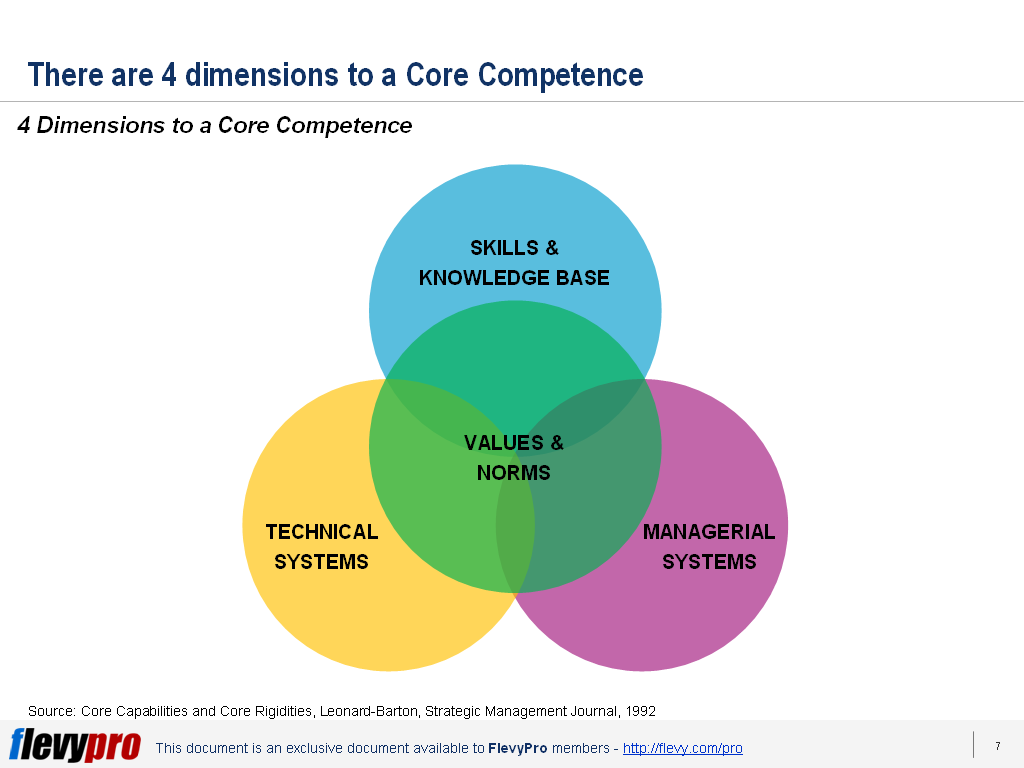
Defining the Core Competency: The DNA of Brand Differentiation
To understand how a core competency functions within brand strategy, one must look past the surface-level products. Products are the leaves of a tree, but the core competency is the root system.
The Origin of the Concept
The term was first popularized by C.K. Prahalad and Gary Hamel in their 1990 Harvard Business Review article. They argued that a corporation should be viewed as a portfolio of competencies rather than a portfolio of businesses. From a branding perspective, this means your corporate identity shouldn’t be tied to a specific product—which can become obsolete—but to the underlying expertise that allows you to create that product better than anyone else. For example, a brand’s competency might not be “making shoes,” but rather “high-performance physiological engineering.”
Three Tests for a True Core Competency
Not every strength is a core competency. To qualify as a foundation for a brand’s identity, a capability must pass three rigorous tests:
- Relevance: Does the competency provide a significant contribution to the perceived customer benefits of the end product? If the customer doesn’t value it, it’s not a brand-building competency.
- Difficulty of Imitation: Is it difficult for competitors to imitate? A brand’s core competency is usually a complex harmonization of individual technologies, processes, and cultural values that rivals find hard to decipher.
- Breadth of Application: Does it provide potential access to a wide variety of markets? A true competency allows a brand to pivot into new categories while maintaining its reputation for excellence.
Transforming Capability into Brand Identity
The bridge between operational excellence and a powerful brand is the communication of your core competency. A business might have a world-class supply chain, but unless that capability is translated into a brand promise—such as “unrivaled freshness” or “global accessibility”—it remains a hidden asset rather than a strategic brand advantage.
From Internal Process to External Value
In brand strategy, the goal is to turn “what we do” into “who we are.” When a company identifies its core competency, it must decide how that strength will shape its corporate identity. If your competency is data-driven personalization, your brand identity should revolve around being “intuitive,” “customer-centric,” and “anticipatory.” This alignment ensures that every marketing message, every logo design, and every customer interaction reinforces the unique value that only your brand can provide.
Case Study: Apple’s Design-Centric Approach
Apple provides the quintessential example of leveraging a core competency to build a dominant brand. While Apple is often categorized as a tech company, its core competency is arguably “elegant integration of hardware and software through human-centric design.” This competency isn’t limited to iPhones; it extends to their retail stores, their packaging, and their user interfaces. By focusing their brand identity on this specific excellence, they have created a brand loyalty that transcends individual product cycles. Customers don’t buy “a phone”; they buy into the “Apple ecosystem,” which is powered by that core competency.
Strategic Branding: Leveraging Core Competencies for Market Dominance

Once a brand has identified its core competency, it can move from defensive market positioning to offensive market shaping. This is where brand strategy becomes a tool for long-term dominance rather than just short-term sales.
Sustainable Competitive Advantage
In marketing, a sustainable competitive advantage (SCA) is the “holy grail.” Most advantages, like a lower price or a specific feature, are easily copied. However, a brand built on a core competency possesses an intangible SCA. For instance, Disney’s core competency is “storytelling and family-oriented imagination.” While other companies can build theme parks or animate movies, they cannot easily replicate the century-old cultural resonance and narrative expertise that Disney has woven into its brand identity. This allows Disney to charge a premium and enter new markets (like streaming) with immediate brand authority.
The Role of Innovation in Brand Evolution
A brand that rests on its laurels will eventually face “competency traps,” where its old strengths become liabilities. Therefore, a core competency must be dynamic. In the world of branding, this means using your core strength to innovate in ways that your competitors wouldn’t think of. A brand whose competency is “logistical efficiency” (like Amazon) shouldn’t just focus on shipping faster; it should use that efficiency to redefine what “convenience” means for a global consumer, thereby evolving the brand from a bookstore to the “everything store.”
How to Identify and Cultivate Your Brand’s Core Competency
For many businesses, identifying their core competency is the most challenging part of brand strategy. It requires an honest, deep dive into the organization’s culture and operational history to find the “hidden gems” of excellence.
Auditing Internal Strengths
To find your brand’s core competency, start by asking: “If we took away our flagship product tomorrow, what knowledge or skill would remain that would allow us to rebuild?”
- Is it our unique way of understanding customer pain points?
- Is it our ability to manufacture with a precision that others can’t match?
- Is it our creative culture that attracts the world’s best designers?
By auditing these internal strengths, a brand can isolate the specific “DNA” that makes it unique. This audit should involve stakeholders from every department—from R&D to Customer Service—to ensure the competency is truly integrated across the organization.
Aligning Marketing with Functional Excellence
Once identified, the core competency must be the “North Star” for all marketing efforts. If your brand’s competency is “safety and reliability” (the classic Volvo strategy), then your marketing, your design, and even your social media tone must reflect those values. Disconnects occur when a brand tries to market a competency it doesn’t actually possess, or when it fails to highlight the one it does. Authentic branding is the process of making your internal reality (your core competency) your external reputation.
Protecting the Core: Longevity in a Changing Market
The business landscape is littered with brands that were once industry leaders but failed because they let their core competencies erode or become irrelevant. Protecting your core is as much about what you don’t do as what you do do.
Avoiding Competency Traps
A common mistake in brand strategy is “brand stretching,” where a company enters a new market that has nothing to do with its core competency. While diversification is healthy, doing so without a clear link to your core strength can dilute the brand’s identity. If a luxury fashion brand with a competency in “artisanal craftsmanship” suddenly starts mass-producing cheap plastic accessories, it risks destroying the very identity that made it successful. Every new venture must be a “tributary” that feeds back into the main river of the core competency.

Adapting to Digital Transformation
In the digital age, core competencies are shifting toward data, agility, and user experience. Brands that once relied on physical distribution as their core strength must now find ways to translate that into digital excellence. This requires a constant reinvestment in the competency. For a brand to remain relevant, its corporate identity must evolve alongside technological shifts, ensuring that the way they deliver their core value changes, even if the value itself remains the same.
In conclusion, a core competency is the foundational pillar upon which a great brand is built. It provides the “why” behind your “what.” By identifying this unique internal strength and weaving it into every aspect of your brand strategy and corporate identity, you create a business that is not only difficult to compete with but impossible to ignore. In a world of endless noise, the brands that speak from their core are the ones that are heard most clearly.
aViewFromTheCave is a participant in the Amazon Services LLC Associates Program, an affiliate advertising program designed to provide a means for sites to earn advertising fees by advertising and linking to Amazon.com. Amazon, the Amazon logo, AmazonSupply, and the AmazonSupply logo are trademarks of Amazon.com, Inc. or its affiliates. As an Amazon Associate we earn affiliate commissions from qualifying purchases.