
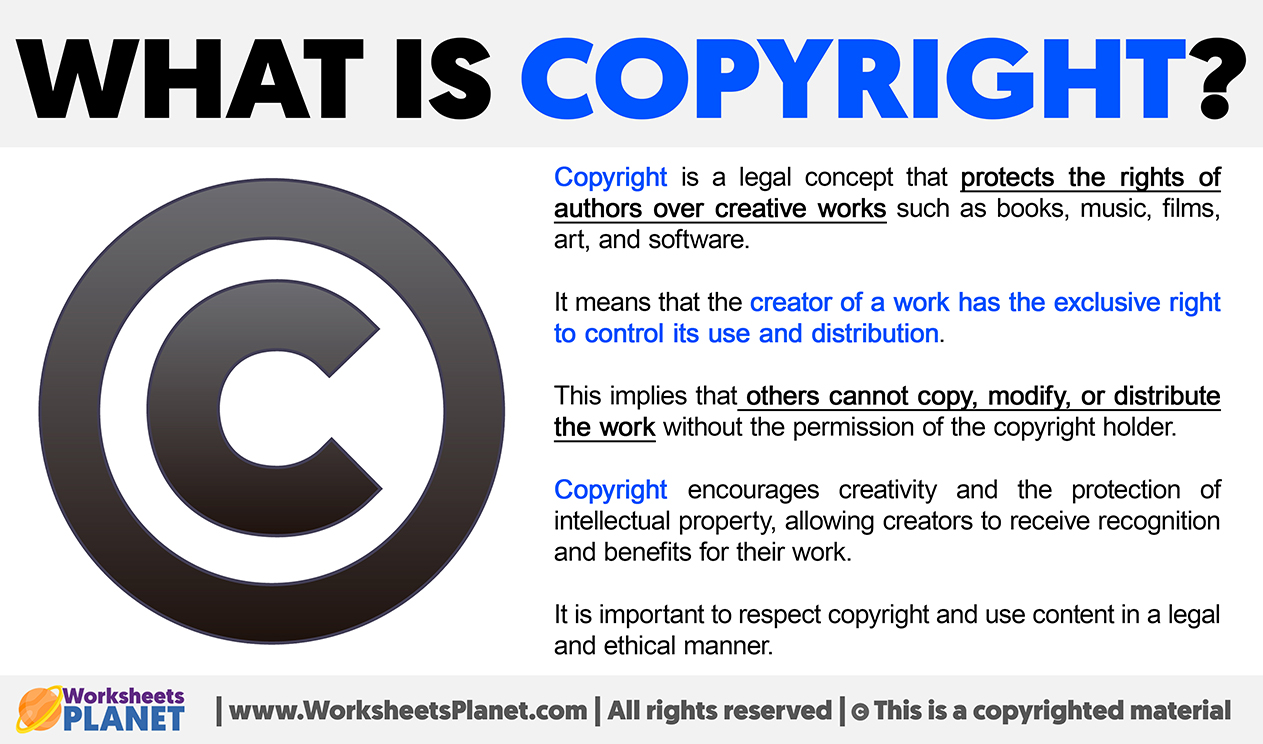
In the rapidly evolving landscape of the technology industry, intellectual property (IP) serves as the bedrock upon which innovation is built. While patents often dominate the conversation regarding hardware and novel inventions, copyright remains the most ubiquitous and critical form of protection for the digital world. At its core, a copyright is a legal right that grants the creator of an original work exclusive rights to its use and distribution. In the realm of technology, this extends far beyond traditional literature or art; it encompasses source code, software architecture, user interface design, and even the complex datasets used to train the next generation of artificial intelligence.
Understanding copyright within a tech context is no longer just the responsibility of legal departments. Developers, software engineers, and tech founders must navigate a complex web of “fair use,” licensing agreements, and digital security protocols to protect their assets and respect the innovations of others. This guide explores the intersection of copyright law and modern technology, providing a comprehensive framework for understanding how digital rights are established, managed, and enforced in the 21st century.
The Architectural Framework of Software Copyright
Software is unique in the legal world because it is treated as a “literary work.” This classification might seem counterintuitive to those who view code as a functional tool rather than creative prose, but the legal system views the specific arrangement of logic and syntax as an expression of the programmer’s creativity.
Source Code vs. Object Code
Under copyright law, protection begins the moment code is written—whether it is in a high-level human-readable language (source code) or compiled into machine-readable binary (object code). While the underlying functional ideas—such as a mathematical algorithm or a specific logic gate—may not be copyrightable (those often fall under patents), the specific way those ideas are expressed in code is protected. This means that while a competitor can write their own code to achieve the same result, they cannot simply copy-paste your specific implementation.
The Fair Use Doctrine in Tech
One of the most debated aspects of tech copyright is “Fair Use.” This legal principle allows for the limited use of copyrighted material without permission for purposes such as criticism, news reporting, teaching, or research. In technology, Fair Use is often cited in cases of reverse engineering for interoperability. For instance, if a software developer needs to understand how a proprietary operating system communicates with hardware to build a compatible driver, certain types of copying might be deemed fair use. However, the boundaries are thin, and recent high-profile litigation—most notably the Oracle v. Google case regarding APIs—has highlighted how essential it is for tech professionals to understand where expression ends and functionality begins.
Navigating Copyright in the Era of Artificial Intelligence
The emergence of Large Language Models (LLMs) and Generative AI has disrupted traditional copyright frameworks more than any other technology in history. As AI tools ingest vast amounts of digital data to “learn,” they raise unprecedented questions about authorship and the legality of training sets.
Training Data and the Ethics of Ingestion
Most modern AI tools are trained on “scraped” data from the internet, which includes copyrighted articles, code repositories, and digital art. Tech companies argue that this process constitutes “transformative use,” a key component of Fair Use, suggesting that the AI is not copying the data but learning the patterns within it. Conversely, content creators argue that using their copyrighted work to train a tool that might eventually replace them is a violation of their rights. For tech leaders, this means being diligent about the provenance of data used in machine learning models and understanding the potential liabilities associated with uncurated datasets.
Who Owns AI-Generated Output?
Currently, most international copyright offices, including the U.S. Copyright Office, maintain that copyright can only be granted to works created by humans. This creates a significant “gray area” for tech companies utilizing AI to generate code snippets, documentation, or design assets. If a software suite is developed with significant help from an AI co-pilot, is that code protectable? If the AI contributes the majority of the logic, the resulting work may lack the “human authorship” required for copyright protection, potentially leaving a company’s core technology vulnerable to being legally copied by others.
Digital Rights Management (DRM) and Content Security
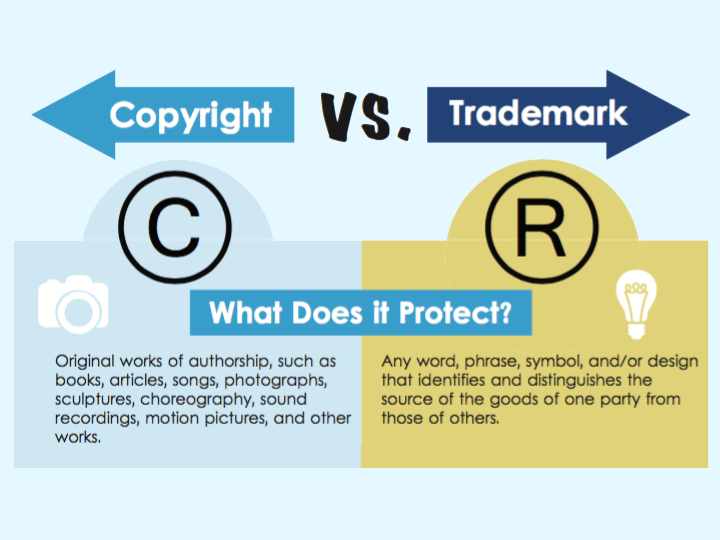
As software transitioned from physical discs to cloud-based services (SaaS), the methods for protecting copyright evolved from legal threats to technical barriers. Digital Rights Management (DRM) refers to the suite of technologies used to control the use, modification, and distribution of copyrighted digital content.
Technological Protection Measures (TPM)
TPMs are the front-line soldiers of digital copyright. These include encryption, digital watermarking, and license keys that ensure only authorized users can access software. In the tech industry, the Digital Millennium Copyright Act (DMCA) provides a legal layer to these technical hurdles by making it illegal to circumvent these protections. For a tech company, implementing robust TPM is not just about preventing piracy; it is about creating a secure environment where the “expression” of their software remains under their control, even when deployed across global networks.
Blockchain and Smart Contracts as IP Tools
A growing trend in digital security is the use of blockchain technology to manage copyright. By using Non-Fungible Tokens (NFTs) or smart contracts, creators can embed copyright information directly into a digital asset. These smart contracts can automatically execute royalty payments or grant access permissions without the need for a centralized intermediary. While still in its nascent stages, this tech-first approach to copyright offers a glimpse into a future where IP rights are self-executing and transparently recorded on a ledger, reducing the need for costly legal intervention.
Open Source Ecology and Intellectual Property
The tech world is unique because of its heavy reliance on Open Source Software (OSS). Paradoxically, open source is not the absence of copyright; rather, it is a specific way of exercising copyright to promote collaboration.
Permissive vs. Copyleft Licenses
When a developer releases code under an open-source license, they retain the copyright but grant the public permission to use it under certain conditions.
- Permissive Licenses: Licenses like MIT or Apache 2.0 allow others to use, modify, and even sell the code with very few restrictions, provided they attribute the original author.
- Copyleft Licenses: Licenses like the GNU General Public License (GPL) require that any derivative works—software built using the original code—must also be released under the same open-source terms. This “viral” nature of copyleft is a strategic use of copyright to ensure that software remains free and open for the community.
Compliance in the Modern Tech Stack
For modern enterprises, the challenge lies in license compliance. A single application might rely on hundreds of third-party libraries, each with different copyright requirements. If a tech company inadvertently includes copyleft-licensed code in a proprietary commercial product, they could be legally forced to release their entire source code to the public. Consequently, “Software Composition Analysis” (SCA) has become a vital part of the development lifecycle, using automated tools to scan codebases for copyright conflicts and ensuring that the organization is respecting the intellectual property rights of the open-source community.
The Future of IP: Evolving Laws for Emerging Technologies
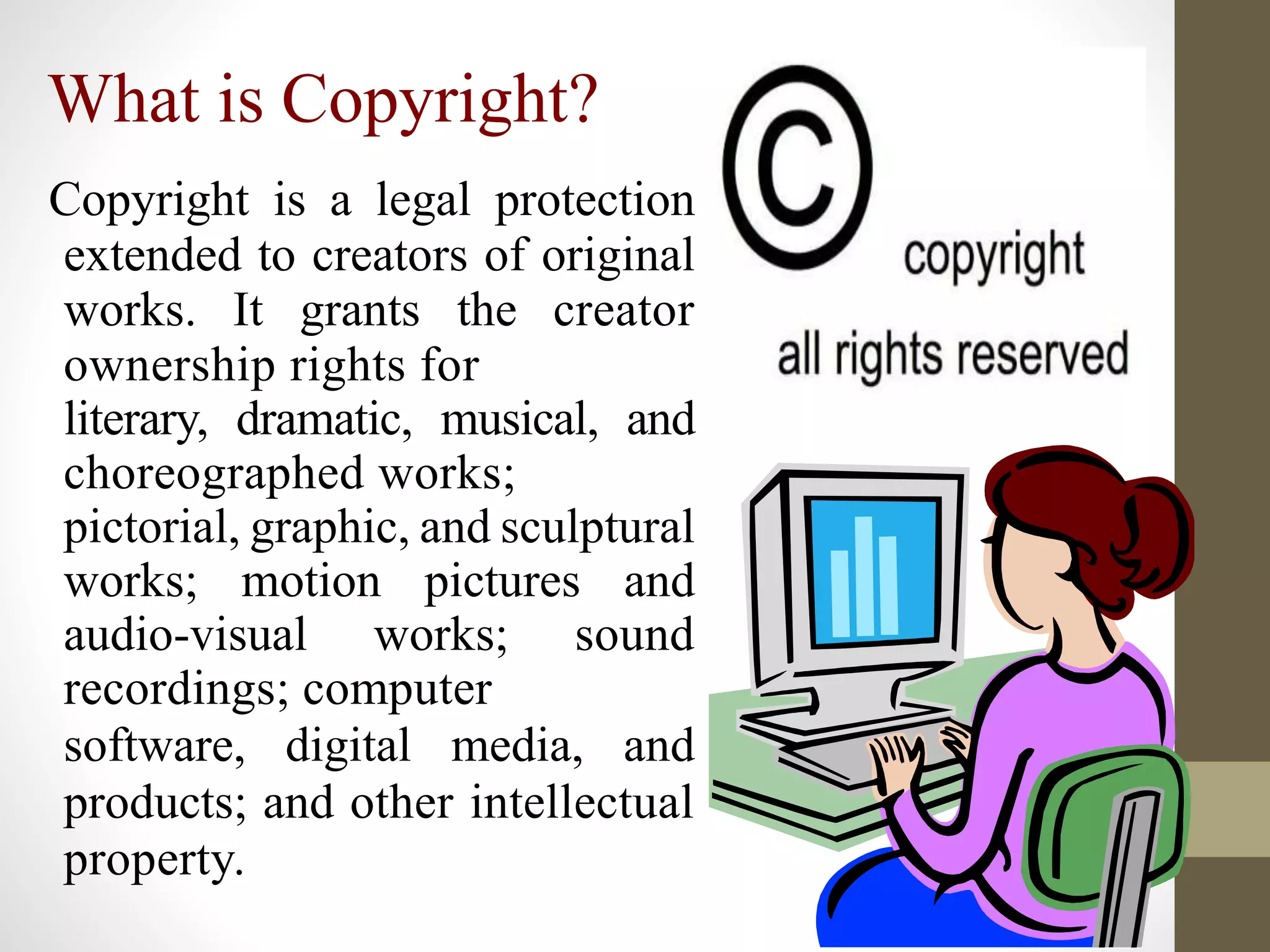
As we look toward the future, the definition of what constitutes a “copyrightable work” will continue to be challenged by advancements in technology. We are moving toward an era where the line between creator and tool is increasingly blurred.
The digital landscape requires a proactive approach to copyright. It is no longer enough to simply “own” an idea; one must understand the technical mechanisms of protection, the nuances of licensing, and the shifting legal tides surrounding automation and AI. Whether you are a solo developer contributing to an open-source project or a CTO of a Fortune 500 company, copyright is the framework that allows your technical innovations to have lasting value.
By integrating legal awareness with technical excellence, the tech community can ensure that copyright continues to serve its original purpose: to promote the progress of science and the useful arts. In a world defined by bits and bytes, your copyright is your most valuable asset—protecting it requires a deep understanding of both the law and the code that powers it.
aViewFromTheCave is a participant in the Amazon Services LLC Associates Program, an affiliate advertising program designed to provide a means for sites to earn advertising fees by advertising and linking to Amazon.com. Amazon, the Amazon logo, AmazonSupply, and the AmazonSupply logo are trademarks of Amazon.com, Inc. or its affiliates. As an Amazon Associate we earn affiliate commissions from qualifying purchases.