
In the rapidly evolving landscape of biotechnology, few developments have bridged the gap between clinical medicine and consumer technology quite like the copper peptide. While often discussed in the context of high-end skincare, the true nature of the copper peptide lies within the realm of bio-engineering and synthetic biology. As we move further into a decade defined by personal optimization and “bio-hacking,” understanding the technological foundation of these signaling molecules is essential for anyone tracking the intersection of health-tech and material science.
A copper peptide—specifically GHK-Cu—is more than just a chemical compound; it is a biological “software” designed to interface with human cellular machinery. By exploring its molecular architecture, the digital advancements in its synthesis, and the technological delivery systems that make it effective, we can see how this tiny molecule represents a massive leap in cosmetic and regenerative technology.
1. The Bio-Tech Architecture of GHK-Cu: Programming Cellular Repair
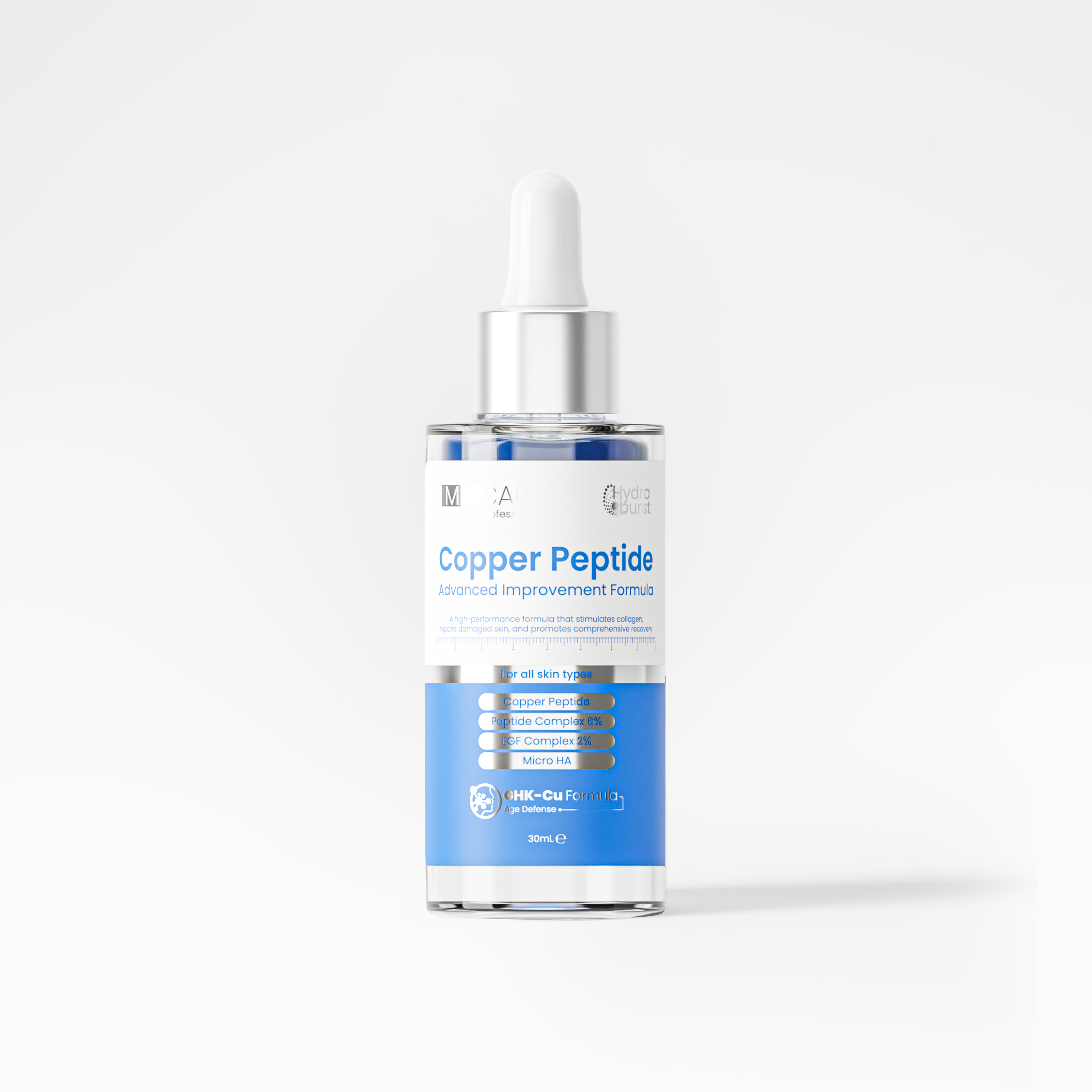
At its core, a copper peptide is a naturally occurring complex that combines a small protein fragment (a peptide) with a copper ion. In the world of biotechnology, this is viewed as a ligand-receptor system where the peptide acts as the carrier or the “code” that instructs the copper—the “payload”—on where to go and what to do within the biological interface.
Decoding the Tripeptide Chain
The most famous iteration, GHK-Cu, consists of three amino acids: glycyl-L-histidyl-L-lysine. In technical terms, this is a tripeptide with a high affinity for copper(II) ions. From a bio-engineering perspective, this specific sequence is optimized for stability and transport. Technological advancements in mass spectrometry and X-ray crystallography have allowed researchers to map exactly how this chain twists to “cradle” the copper ion, ensuring it remains bioavailable rather than oxidizing and becoming inert.
The Role of Chelation in Molecular Stability
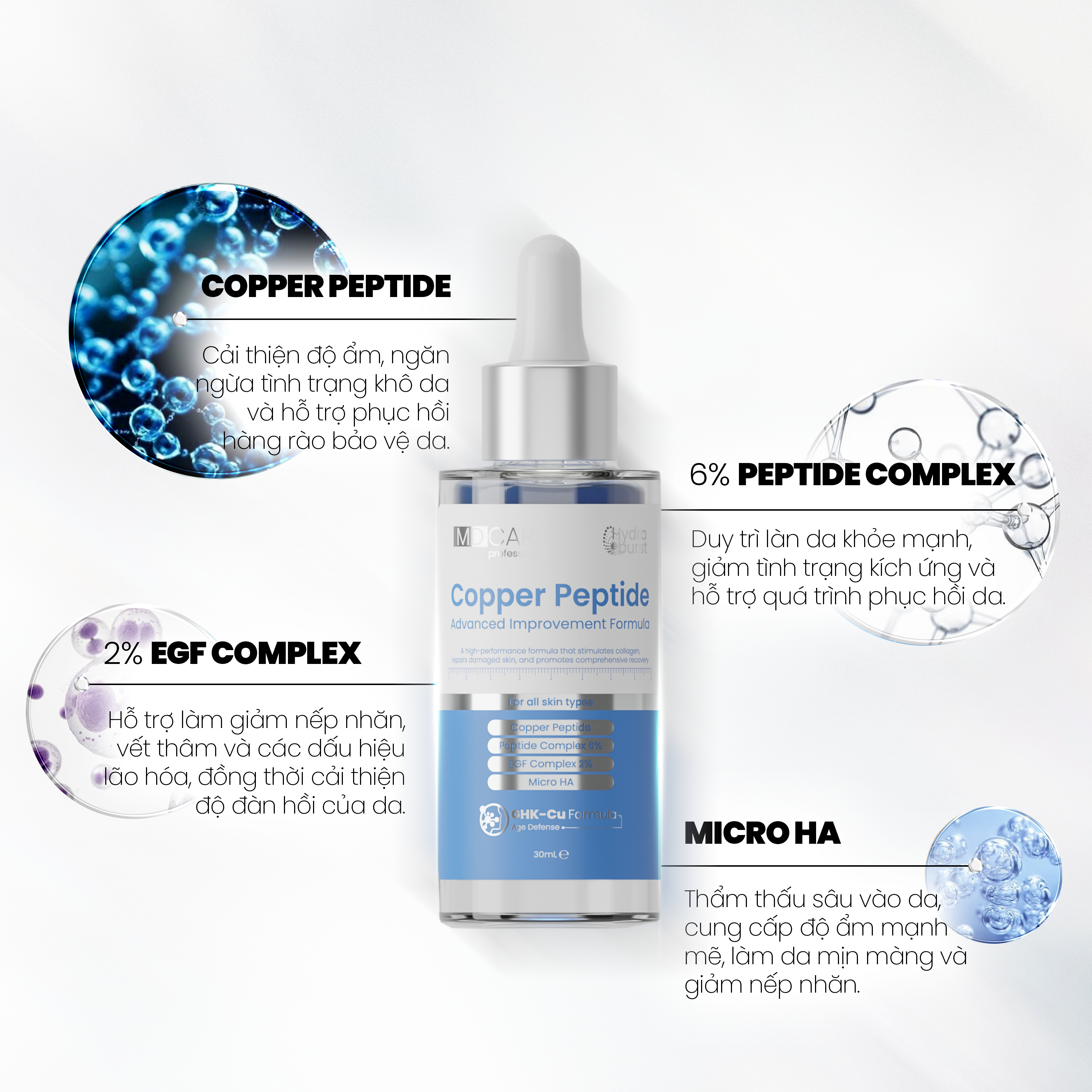
Chelation is the process by which the peptide binds to the metal. This is the “hardware” aspect of the molecule. Without sophisticated chelation technology, copper would be too unstable to be used in topical or injectable formats. Bio-tech firms now utilize advanced stabilization techniques to ensure that the copper peptide remains intact across various pH levels and temperatures. This precision engineering allows the peptide to act as a signaling molecule, effectively “reprogramming” skin cells to produce collagen and elastin—the structural proteins of the body—by activating specific gene pathways.
2. Engineering Longevity: How Lab Tech is Refining Anti-Aging Synthetics
The shift from finding copper peptides in nature to synthesizing them in laboratory environments represents a pivot toward “Green Tech” and precision manufacturing. We are no longer reliant on extraction; we are now in the era of high-fidelity molecular synthesis.
AI and Machine Learning in Peptide Discovery
One of the most significant tech trends impacting the world of copper peptides is the use of Artificial Intelligence (AI) in molecular modeling. Software platforms can now simulate thousands of peptide variations to see which sequences bind most effectively with copper ions. This predictive modeling reduces the time required for research and development from years to months. By leveraging neural networks, bio-tech companies are discovering “next-generation” peptides that mimic GHK-Cu but offer enhanced penetration or longer half-lives in the human body.
Next-Generation Delivery Systems
A major hurdle in bio-technology is the “delivery problem.” A copper peptide is only as good as its ability to reach the deeper layers of the dermis. This has led to the development of micro-encapsulation and liposomal delivery technology. These are essentially microscopic “shipping containers” engineered at the nano-scale. By wrapping the copper peptide in a lipid bilayer, tech firms can ensure the active ingredient bypasses the skin’s barrier without breaking down, releasing its “payload” only when it reaches the targeted cellular site.
Synthetic vs. Bio-Identical Manufacturing
The manufacturing technology used to create copper peptides has reached a level of extreme purity. Using solid-phase peptide synthesis (SPPS), engineers can build peptide chains one amino acid at a time with digital precision. This ensures that the final product is bio-identical to what is found in the human body, reducing the risk of immune rejection and increasing the “interoperability” between the synthetic product and human biology.

3. The Digital Shift in Formulation and Lab Scaling
The transition of copper peptides from a lab curiosity to a global tech commodity required a revolution in scaling. The technology used to produce these molecules at scale without losing their structural integrity is a feat of modern chemical engineering.
High-Throughput Screening and Quality Control
In modern bio-tech facilities, the production of copper peptides is monitored by high-throughput screening (HTS) systems. These automated systems use robotic arms and optical sensors to test thousands of samples for purity and potency in real-time. If a batch of copper peptides deviates even slightly from the programmed molecular weight, the digital system flags it. This level of automation ensures that the “tech stack” of a skincare or medical product is consistent every single time.
The Blue Tech: Visualizing Stabilization
One of the unique technological markers of a copper peptide is its deep blue color. This is not a dye; it is a visual manifestation of the copper ion successfully binding to the peptide. Tech-driven brands use this as a “signal of efficacy.” In the lab, spectrophotometry—a technology that measures light intensity—is used to verify the exact shade of blue, which correlates to the concentration and stability of the complex. If the “blue tech” isn’t perfect, the molecular signal is compromised.
Data-Driven Personalization in Bio-Hacking
As we see the rise of personalized technology, copper peptides are being integrated into data-driven health regimens. Apps that track skin health via high-resolution photography and AI analysis can now recommend specific concentrations of copper peptides based on the user’s “digital twin”—a virtual model of their biological state. This integrates software (the app) with hardware (the peptide) to create a closed-loop system for personal optimization.
4. Future Horizons: Smart Peptides and the Integration of Wearables
The future of copper peptide technology isn’t just in a bottle; it’s in the integration of biology with digital hardware. We are entering the era of “Smart Bio-tech,” where the application of these molecules is timed and measured by wearable devices.
Real-Time Bio-Monitoring
Imagine a wearable patch that monitors the oxidative stress levels of your skin. When the data reaches a certain threshold, the device triggers the release of a stabilized copper peptide complex. This isn’t science fiction; it is the current trajectory of transdermal drug delivery technology. By combining biosensors with micro-needle arrays, the next generation of tech-savvy consumers will utilize copper peptides as part of an automated, real-time repair system.
3D Bioprinting and Regenerative Tech
In the medical tech sector, copper peptides are being used as “bio-ink” additives in 3D bioprinting. When printing skin grafts for burn victims, engineers incorporate copper peptides into the structural scaffold. The peptides act as biological instructions, telling the printed cells to begin vascularization (forming blood vessels). This technological application highlights that copper peptides are far more than a cosmetic trend—they are a critical component in the future of engineered human tissue.
The Role of Blockchain in Ingredient Traceability
As the demand for high-tech ingredients like GHK-Cu grows, so does the need for supply chain transparency. Many bio-tech firms are now using blockchain technology to track the lifecycle of their peptides. From the initial synthesis of the amino acid chain to the final packaging, every step is recorded on a digital ledger. This ensures that the consumer is getting a “tech-grade” product rather than a diluted or unstable imitation, protecting the integrity of the molecular innovation.
Conclusion: The Silicon Valley of Biology
The story of the copper peptide is a testament to the power of modern technology to harness and enhance the natural world. It is a molecule that has been “upgraded” by AI discovery, refined by synthetic engineering, and delivered through sophisticated nano-technological systems.
As we look forward, the distinction between “software” and “biology” will continue to blur. Copper peptides represent the first wave of biological signaling tools that allow us to interact with our own DNA expression with the same precision that a programmer interacts with code. For the tech-conscious individual, the copper peptide is not just a skincare ingredient; it is a foundational component of the emerging bio-technological stack, designed to optimize, repair, and advance the human interface.
aViewFromTheCave is a participant in the Amazon Services LLC Associates Program, an affiliate advertising program designed to provide a means for sites to earn advertising fees by advertising and linking to Amazon.com. Amazon, the Amazon logo, AmazonSupply, and the AmazonSupply logo are trademarks of Amazon.com, Inc. or its affiliates. As an Amazon Associate we earn affiliate commissions from qualifying purchases.