
In today’s increasingly digital world, businesses are constantly seeking effective ways to connect with their target audiences, build brand loyalty, and ultimately drive growth. While numerous marketing disciplines exist, content marketing has emerged as a cornerstone of successful digital strategies. At the heart of this powerful approach lies a crucial role: the Content Marketing Strategist.
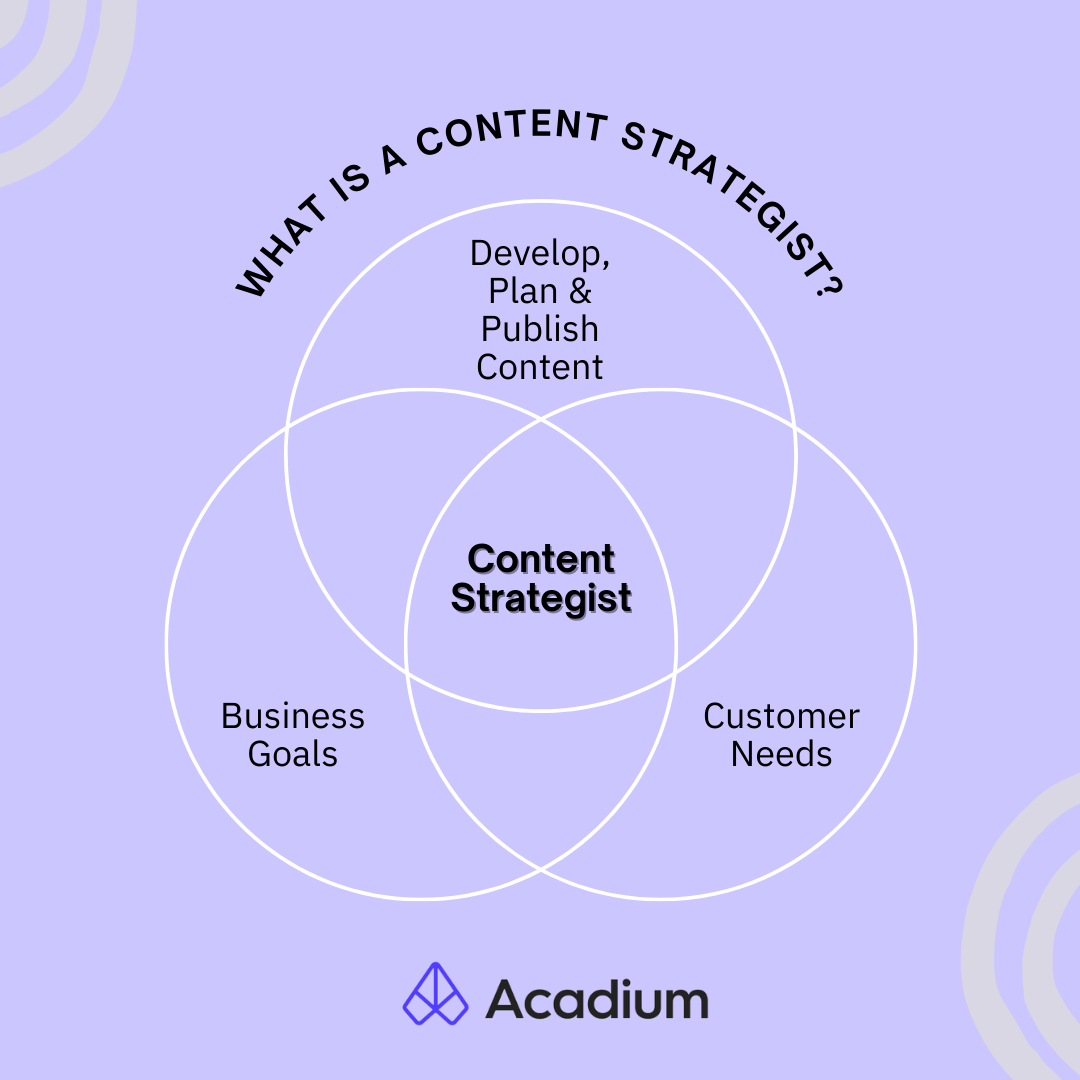
But what exactly does a Content Marketing Strategist do? They are the architects of a brand’s narrative, the navigators of its online presence, and the orchestrators of its engagement with the world. They are responsible for understanding the audience, identifying the right channels, and crafting compelling content that not only informs and entertains but also achieves specific business objectives.

This role is particularly vital given the dynamic landscape of technology, the ever-evolving nature of branding, and the crucial importance of financial acumen in any business endeavor. A skilled Content Marketing Strategist bridges these domains, ensuring that content efforts are not only creative but also technologically sound, brand-aligned, and financially responsible.
The Evolving Role of the Content Marketing Strategist in the Tech-Driven Landscape
The modern business environment is inextricably linked to technology. From the software that powers our operations to the AI tools that unlock new possibilities, technology is not just a tool but a fundamental driver of progress. For a Content Marketing Strategist, this means constantly staying abreast of the latest Technology Trends, understanding how emerging AI Tools can be leveraged for content creation and distribution, and how various Software solutions can enhance efficiency and effectiveness.
Leveraging Technology for Content Creation and Distribution
A Content Marketing Strategist doesn’t just produce content; they strategically plan its entire lifecycle. This involves:
- AI-Powered Content Generation and Optimization: AI tools are no longer science fiction; they are practical instruments for content strategists. From generating initial drafts and brainstorming ideas to optimizing headlines, improving readability, and even personalizing content for specific audience segments, AI can significantly enhance the speed and quality of content creation. A strategist must understand which AI tools are most effective for their needs, how to prompt them for optimal results, and how to maintain a human touch and brand voice throughout the process. This includes exploring tools for image generation, video editing, and even voice synthesis.
- Utilizing Analytics and Data for Insights: Technology provides an unprecedented ability to track and analyze content performance. A strategist must be adept at using analytics platforms (like Google Analytics, social media insights, and specialized content marketing tools) to understand what content resonates with the audience, which channels are most effective, and where improvements can be made. This data-driven approach is crucial for making informed decisions about future content strategies, ensuring resources are allocated effectively.
- Understanding SEO and Digital Distribution Channels: A significant part of content strategy involves ensuring that content is discoverable. This means a deep understanding of Search Engine Optimization (SEO) principles, including keyword research, on-page optimization, and link building. Furthermore, a strategist must be familiar with the various digital distribution channels – social media platforms, email marketing, paid advertising, and emerging channels – and how to tailor content for each. This includes understanding the nuances of platforms like TikTok, LinkedIn, and YouTube, and how to leverage them for different content formats and objectives.
- Exploring Emerging Gadgets and Apps for Enhanced Workflow: The market is flooded with new Gadgets and Apps that promise to streamline workflows and boost productivity. A Content Marketing Strategist needs to be discerning, identifying tools that genuinely contribute to their strategic goals. This might involve project management apps, collaboration tools, graphic design software, or even specialized research tools. Regular Reviews and exploration of these Apps are essential to staying ahead.
- Ensuring Digital Security and Data Privacy: In an era of increasing cyber threats, a Content Marketing Strategist must also have a foundational understanding of Digital Security. This includes being aware of data privacy regulations (like GDPR and CCPA), implementing best practices for collecting and storing user data, and ensuring that all content and distribution efforts are compliant and secure. This protects both the brand’s reputation and the audience’s trust.
The Role of Productivity and Workflow Management
A Content Marketing Strategist is essentially a project manager for an organization’s content. They need to define clear processes, set realistic timelines, and ensure that all stakeholders are aligned. This involves:
- Developing Content Calendars: A well-structured content calendar is the backbone of any content strategy. It outlines what content will be published, when, where, and by whom. A strategist must be proficient in creating and managing these calendars, often using specialized software.
- Managing Cross-Functional Collaboration: Content marketing rarely operates in a vacuum. It requires collaboration with various departments, including sales, product development, customer service, and design. A strategist must be able to communicate effectively with these teams, gather insights, and ensure that content aligns with broader business objectives.
- Implementing Agile Content Methodologies: In the fast-paced digital world, adopting agile methodologies can be highly beneficial. This involves breaking down large projects into smaller, manageable sprints, allowing for flexibility and quick adaptation to changing market conditions or audience feedback.
Building a Powerful Brand Through Strategic Content

Content is not just about filling space; it’s about building and nurturing a brand. A Content Marketing Strategist plays a pivotal role in shaping how a brand is perceived in the marketplace. This goes beyond simple marketing to encompass the entire essence of the organization.
Defining and Communicating Brand Identity
- Understanding and Articulating Brand Strategy: At the core of any effective content strategy is a deep understanding of the Brand Strategy. A Content Marketing Strategist must be able to internalize the brand’s mission, vision, values, and unique selling propositions. They then translate these into a compelling narrative that resonates with the target audience. This involves understanding the competitive landscape and identifying how the brand can differentiate itself.
- Crafting a Consistent Corporate Identity: Every piece of content should reflect the Corporate Identity. This includes visual elements like logos, color palettes, and typography, as well as the brand’s tone of voice and messaging. A strategist ensures consistency across all platforms and touchpoints, reinforcing brand recognition and trust.
- Developing Personal Branding Strategies (for individuals or key figures): In some contexts, especially for thought leaders or small businesses, Personal Branding is integral to the overall brand strategy. A Content Marketing Strategist can help develop strategies for key individuals within an organization to build their personal brand, which in turn elevates the corporate brand. This might involve guest blogging, speaking engagements, or active participation in online communities.
The Art of Storytelling and Engagement
- Creating Compelling Narratives: Humans are wired for stories. A Content Marketing Strategist excels at weaving engaging narratives that connect with audiences on an emotional level. This involves understanding audience pain points, aspirations, and interests, and then crafting content that addresses them in a relatable and impactful way.
- Leveraging Different Content Formats: The strategist must decide on the most effective content formats for their brand and audience. This could include blog posts, articles, videos, podcasts, infographics, social media updates, webinars, and interactive content. Each format serves a different purpose and appeals to different preferences.
- Driving Engagement and Building Community: Content marketing is a two-way street. A strategist aims to foster engagement, encouraging comments, shares, and discussions. This helps build a loyal community around the brand, transforming passive consumers into active advocates. This can involve running Q&A sessions, contests, or actively responding to audience feedback.
- Utilizing Case Studies for Social Proof: Case Studies are powerful tools for demonstrating the value and effectiveness of a brand’s products or services. A Content Marketing Strategist will identify opportunities to develop compelling case studies, showcasing successful client outcomes and providing tangible proof of the brand’s capabilities. This is a crucial element for building trust and credibility.
Managing Reputation and Crisis Communication
- Proactive Reputation Management: Content plays a significant role in shaping public perception. A Content Marketing Strategist actively works to build and maintain a positive online reputation through consistent, valuable, and authentic content.
- Developing Crisis Communication Plans: Inevitably, businesses may face crises. A Content Marketing Strategist is often involved in developing and executing communication plans to manage these situations effectively. This includes preparing pre-approved messaging, identifying key communication channels, and monitoring online sentiment.
The Financial Underpinnings of Effective Content Marketing
While creativity and brand building are essential, a Content Marketing Strategist must also possess a strong understanding of the financial aspects of their work. Content marketing is an investment, and its success is ultimately measured by its return.
Demonstrating ROI and Measuring Success
- Setting Clear, Measurable Objectives: Before creating any content, a strategist must define what success looks like. This involves setting SMART (Specific, Measurable, Achievable, Relevant, Time-bound) goals that align with broader business objectives, such as increasing website traffic, generating leads, improving conversion rates, or enhancing brand awareness.
- Tracking Key Performance Indicators (KPIs): A Content Marketing Strategist meticulously tracks KPIs that directly relate to their objectives. This might include metrics like website traffic, time on page, bounce rate, social media engagement, lead generation rates, customer acquisition cost (CAC), and customer lifetime value (CLTV).
- Calculating Return on Investment (ROI): The ultimate measure of content marketing success is its ROI. A strategist must be able to demonstrate how the investment in content creation and distribution is contributing to revenue growth and profitability. This involves understanding the costs associated with content production (writers, designers, tools) and comparing them to the value generated.
- Understanding Budget Allocation and Management: A strategist is responsible for allocating the content marketing budget effectively. This involves prioritizing initiatives, making informed decisions about where to invest resources, and ensuring that spending is aligned with strategic goals. This might involve allocating budget for paid promotion of content, content creation tools, or freelance talent.
Connecting Content to Business Finance
- Identifying Profitable Niches and Audiences: Through market research and audience analysis, a Content Marketing Strategist can identify Personal Finance and Online Income opportunities that align with the brand’s offerings. For instance, a financial software company might create content that helps individuals understand Investing or explore Side Hustles.
- Driving Lead Generation and Sales Funnels: Effective content can act as a powerful lead generation tool. A strategist designs content that guides potential customers through the sales funnel, from initial awareness to consideration and ultimately, conversion. This involves creating different types of content for each stage of the funnel, from introductory blog posts to in-depth white papers and product demonstrations.
- Optimizing for Business Finance Goals: The content produced should directly support the Business Finance goals of the organization. Whether the objective is to increase sales of a particular product, reduce customer churn, or improve brand perception to attract investors, the content strategy must be aligned. This might involve creating content that educates potential clients about the financial benefits of a service or highlights cost savings achieved by existing customers.
- Leveraging Financial Tools for Strategy and Analysis: A Content Marketing Strategist might also utilize Financial Tools to analyze the performance of their content marketing efforts. This could involve budgeting software, ROI calculators, or tools that track the financial impact of specific campaigns.
In conclusion, a Content Marketing Strategist is a multifaceted professional who combines creativity with analytical rigor, technological proficiency with brand understanding, and marketing acumen with financial intelligence. They are the architects of a brand’s most valuable asset: its story, its voice, and its connection with the world. In an era where attention is a precious commodity, the ability to craft and disseminate compelling content that resonates with audiences and drives business objectives is more critical than ever before. The Content Marketing Strategist is not just a marketer; they are a business driver, a storyteller, and a vital component of any modern, successful organization.
aViewFromTheCave is a participant in the Amazon Services LLC Associates Program, an affiliate advertising program designed to provide a means for sites to earn advertising fees by advertising and linking to Amazon.com. Amazon, the Amazon logo, AmazonSupply, and the AmazonSupply logo are trademarks of Amazon.com, Inc. or its affiliates. As an Amazon Associate we earn affiliate commissions from qualifying purchases.