
The global housing market has reached a point of unprecedented volatility. As traditional real estate prices climb and interest rates fluctuate, investors and prospective homeowners are looking toward alternative assets. One of the most prominent contenders in this shift is the shipping container house. But to view a container house simply as a “metal box” is to miss the broader financial opportunity. In the context of modern finance, a container house represents a high-efficiency, scalable, and potentially high-yield real estate investment.
By repurposing steel ISO (International Organization for Standardization) containers, developers and individuals are creating modular living spaces that challenge the conventional economics of construction. This article explores the financial landscape of container housing, examining its cost structures, its viability as an investment asset, and the ways it can generate sustainable passive income.
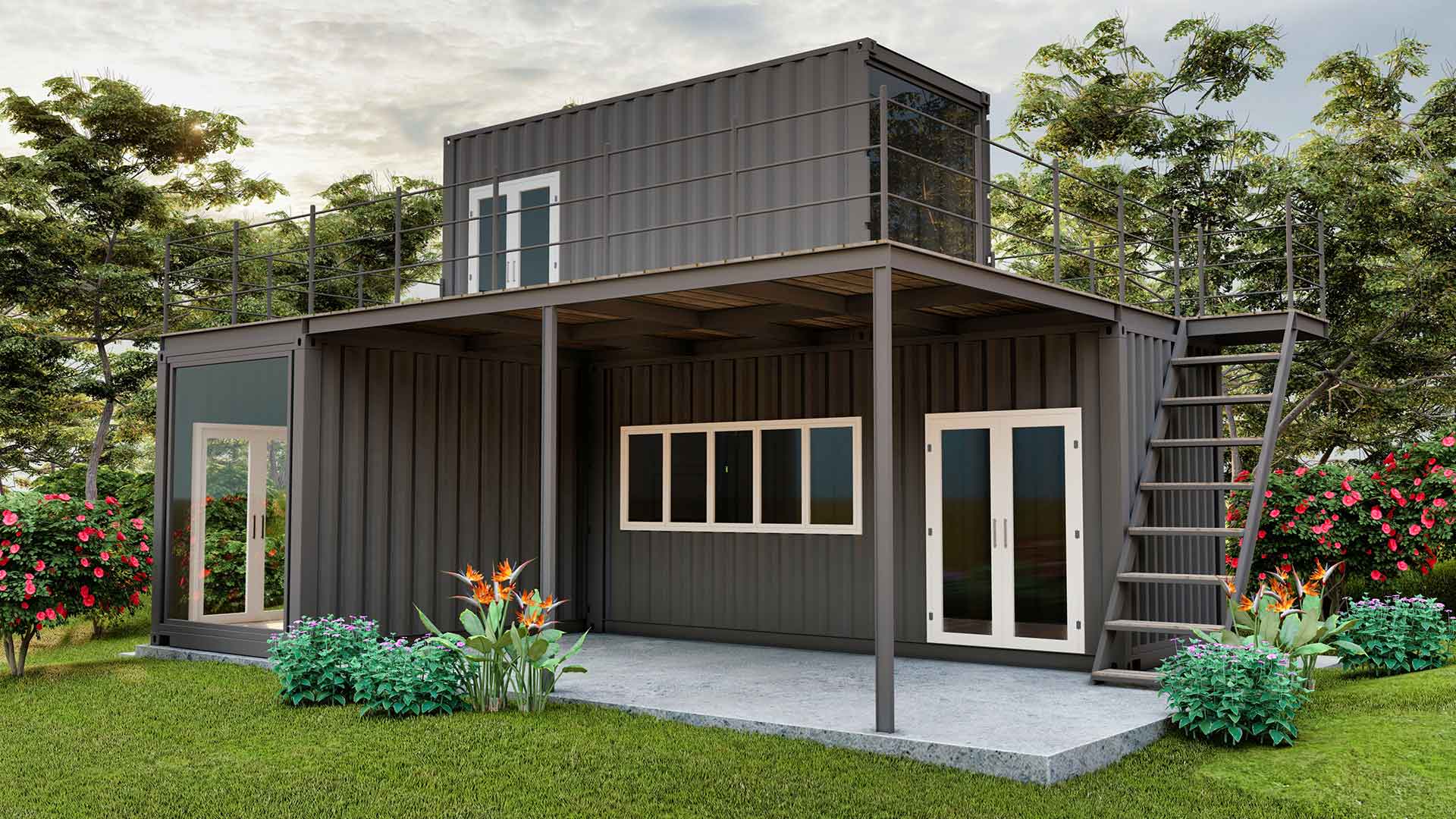
The Financial Landscape of Shipping Container Homes: Costs vs. Traditional Housing
When evaluating a container house from a financial perspective, the primary draw is the entry price. However, a professional investor must distinguish between the “sticker price” of the shell and the “total project cost” of a habitable structure.
Initial Capital Outlay: Purchase and Preparation
The raw material—the container itself—is a commodity. Prices fluctuate based on the global supply chain, but generally, a “one-trip” (nearly new) 40-foot container costs significantly less than the raw materials required for a traditional timber-frame structure of the same size. For the budget-conscious investor, this lower initial capital outlay allows for higher liquidity. Unlike traditional builds, where costs can balloon due to weather delays and labor shortages, the modular nature of containers allows for a more predictable procurement phase.
Hidden Costs: Permitting, Land, and Foundations
While the “box” is affordable, the financial viability of the project depends on the secondary costs. A container house is not a “plug-and-play” asset. Investors must account for:
- Site Preparation: This includes clearing land and installing a foundation. Because containers are structurally self-supporting at the four corners, they often require less intensive (and less expensive) foundations than traditional homes, such as pier foundations.
- Utility Interconnection: Connecting to the grid or installing off-grid solar and septic systems is a fixed cost regardless of the building type.
- Zoning and Permits: This is often the most significant financial hurdle. In many jurisdictions, container homes are a gray area. Navigating these regulations requires time—and in finance, time is money.
Container Houses as a Strategic Asset Class
For the sophisticated investor, a container house is more than a residence; it is a strategic asset. As the “tiny home” movement evolves into a “modular living” industry, the market perception of these structures is shifting from temporary shelters to permanent, appreciating assets.
Real Estate Appreciation and Resale Value
A common concern in personal finance is whether a container home will appreciate like a traditional house or depreciate like a manufactured home or vehicle. The answer lies in the “permanence” of the installation. When a container house is fixed to a permanent foundation and titled as real estate (rather than a motor vehicle or temporary structure), it follows the appreciation trends of the local land market. Because of their durability—steel is resistant to fire, termites, and rot—these structures often have a lower long-term maintenance cost (OpEx), which preserves the net asset value over time.
Diversifying Your Portfolio with Non-Traditional Assets
In an era of stock market volatility, real estate remains a preferred hedge against inflation. Container houses allow for “micro-investing” in real estate. Instead of committing $500,000 to a single-family home, an investor might deploy that same capital into three or four container units across different geographic locations. This diversification reduces the risk of localized market downturns and allows the investor to capture different demographic demands, such as student housing, eco-tourism, or workforce housing.
Monetizing the Modular: Side Hustles and Passive Income
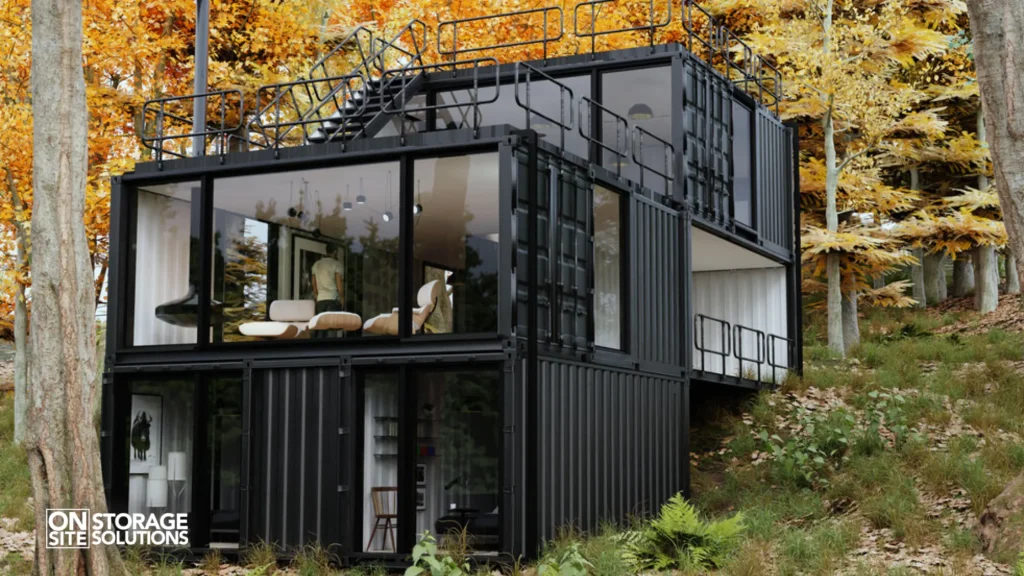
The true power of the container house in a “Money” context is its ability to generate high cash-on-cash returns. Because the build time is often 30-50% faster than traditional construction, the “time to market” is significantly shorter, allowing investors to start generating revenue sooner.
The Short-Term Rental Strategy (Airbnb and Beyond)
The “Experience Economy” has transformed the travel industry. Modern travelers are often willing to pay a premium for “unique” or “architectural” stays. A well-designed container house with high-end finishes often commands a higher nightly rate than a standard apartment or hotel room.
From a personal finance perspective, adding an Accessory Dwelling Unit (ADU) made of a shipping container to one’s backyard can be a transformative side hustle. The monthly mortgage increase for the construction is often dwarfed by the potential rental income, creating a positive monthly cash flow that can be redirected into other investments like index funds or retirement accounts.
Commercial Applications: Low-Overhead Retail Spaces
Beyond residential use, containers offer a unique business finance opportunity. “Pop-up” retail parks—built entirely from containers—allow entrepreneurs to launch physical storefronts with a fraction of the overhead of a traditional brick-and-mortar lease. For a real estate developer, leasing out container-based commercial units can provide a high yield per square foot. The portability of the asset also means that if a specific location underperforms, the entire “store” can theoretically be moved to a high-traffic area, protecting the capital investment.
Risk Management and Long-Term Financial Viability
No investment is without risk. To successfully integrate container housing into a financial plan, one must understand the specific hurdles related to financing and long-term protection.
Financing Challenges and Mortgage Navigation
One of the primary difficulties with container houses is securing traditional financing. Many banks are hesitant to issue a standard 30-year mortgage for non-traditional builds because they lack “comparable” sales data (comps) in the area.
To mitigate this risk, investors often look toward:
- Construction Loans: Converting to a permanent mortgage upon completion.
- Personal Loans or HELOCs: Using existing equity to fund the build.
- Specialty Lenders: Financial institutions that focus specifically on sustainable or modular housing.
Understanding these financial instruments is crucial for maintaining a healthy debt-to-income ratio while expanding a real estate portfolio.
Insurance and Depreciation Factors
Insurance is another critical component of the financial equation. Because container homes are made of steel, they are incredibly resilient against certain natural disasters, which can lead to lower premiums in some regions. However, if an insurance provider classifies the home as “non-standard,” premiums could rise.
Furthermore, the tax implications of container homes are significant. In some jurisdictions, if the container is not fixed to a foundation, it may be taxed as personal property rather than real estate. While this might lead to lower property taxes, it also means the asset may not qualify for certain capital gains tax exemptions upon sale. A professional approach requires consulting with a tax professional to ensure the structure is optimized for the owner’s specific financial goals.

Conclusion: The Bottom Line on Container Housing
So, what is a container house? In the modern financial landscape, it is a high-utility investment vehicle that offers a bridge between affordability and luxury. It provides a pathway for the “average” investor to enter the real estate market with lower barriers to entry, while offering seasoned developers a scalable model for high-yield rental portfolios.
By focusing on the “Money” aspect—optimizing construction costs, leveraging the unique aesthetic for high rental returns, and navigating the complexities of modular financing—individuals can turn a shipping container into a cornerstone of their financial independence. As the world moves toward more sustainable and efficient living solutions, those who understand the economics of the container house will be well-positioned to capitalize on the next wave of real estate innovation. Whether used as a primary residence to eliminate debt or as a fleet of short-term rentals to build wealth, the container house is a testament to the power of creative capital deployment in the 21st century.
aViewFromTheCave is a participant in the Amazon Services LLC Associates Program, an affiliate advertising program designed to provide a means for sites to earn advertising fees by advertising and linking to Amazon.com. Amazon, the Amazon logo, AmazonSupply, and the AmazonSupply logo are trademarks of Amazon.com, Inc. or its affiliates. As an Amazon Associate we earn affiliate commissions from qualifying purchases.