
Retirement marks a fundamental shift in financial strategy: from accumulating wealth to preserving it and generating income. A “conservative rate of return” in this phase isn’t a fixed number, but rather a dynamic concept defined by capital preservation, income generation, and minimizing risk, particularly sequence-of-returns risk. Understanding what constitutes a conservative return is paramount for retirees aiming for financial longevity and peace of mind.
Defining Conservatism in Retirement Investing
The notion of conservatism in investing undergoes a significant transformation as one transitions into retirement. No longer solely focused on maximizing growth, the priority shifts dramatically towards safeguarding accumulated capital and ensuring a reliable stream of income to cover living expenses.

Shifting Paradigms from Accumulation to Preservation
During one’s working years, the primary investment goal is wealth accumulation, often characterized by a higher tolerance for market volatility in pursuit of aggressive growth. The long time horizon allows for recovery from downturns, making market corrections less impactful over the long term.
Upon entering retirement, this paradigm flips. The time horizon shortens, and the investor begins drawing down their portfolio. This introduces the critical concept of sequence-of-returns risk, where poor market performance early in retirement, combined with withdrawals, can severely deplete a portfolio, making it difficult to recover even if market conditions improve later. A conservative approach seeks to mitigate this risk by prioritizing stability and predictable income over aggressive growth. The focus becomes capital preservation—protecting the principal from significant erosion—and income generation, ensuring regular distributions to meet living expenses without excessively drawing down the core assets.
The Role of Risk Tolerance and Time Horizon
What one individual deems “conservative” might be different for another. Personal risk tolerance is a key determinant. Retirees with a low tolerance for volatility or those who are psychologically impacted by market swings will naturally lean towards strategies that minimize large fluctuations, even if it means sacrificing some potential upside.
The time horizon in retirement, while shorter than during accumulation, is not uniform. A retiree at 65 might have a 20-30 year horizon, necessitating a balance between extreme conservatism and some growth potential to combat inflation. Conversely, someone retiring later or with significant health concerns might opt for even greater conservatism. However, the overall principle remains: the ability to recover from significant market downturns diminishes with age and portfolio withdrawals, making capital preservation a more urgent concern. A genuinely conservative stance means ensuring the portfolio can withstand market shocks without jeopardizing essential income streams or long-term solvency.
Quantifying a Conservative Rate: Historical Context and Modern Realities
While the exact number can fluctuate, understanding historical benchmarks and current economic realities helps frame what a conservative rate of return might look like.
The “4% Rule” and Its Evolution
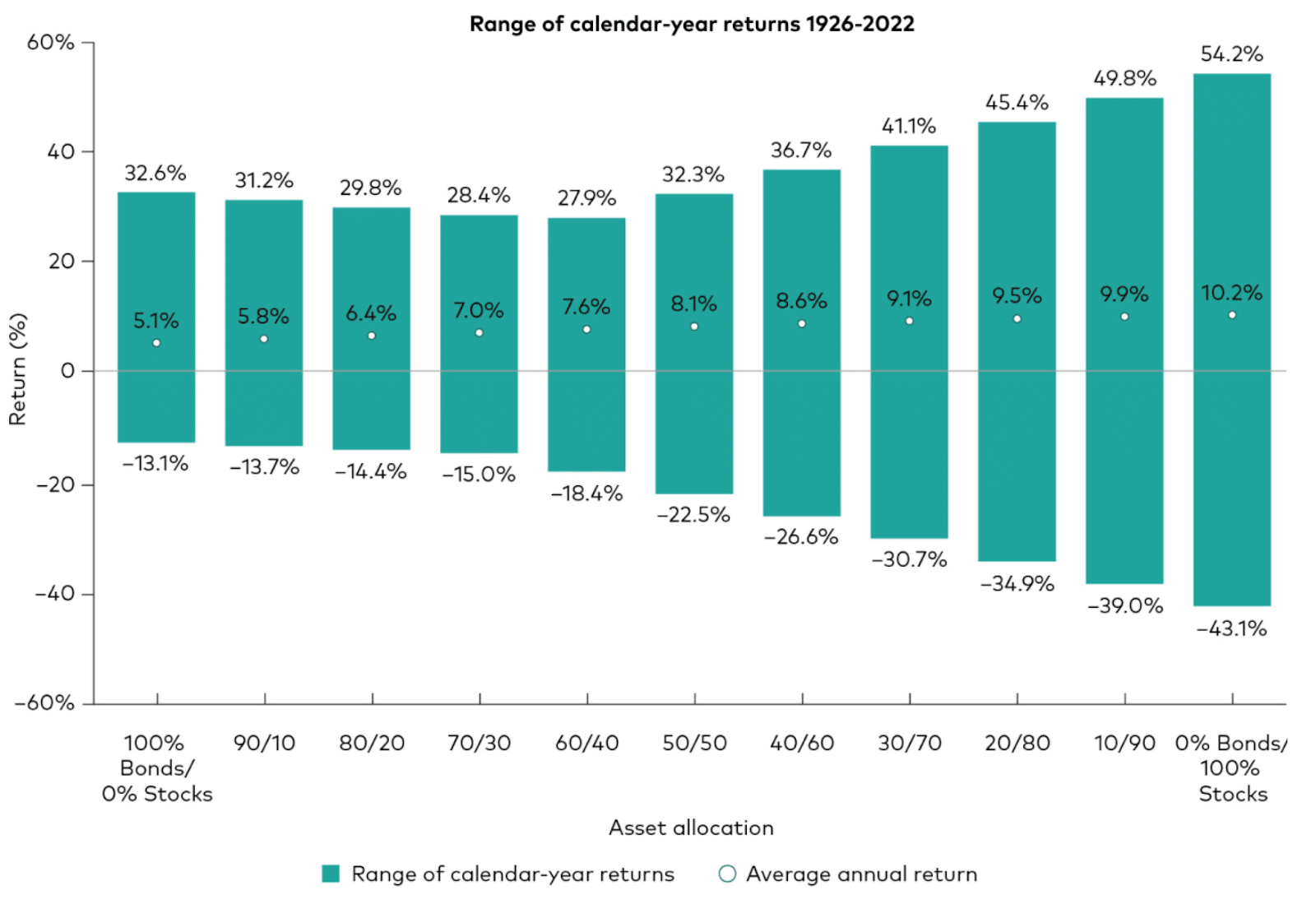
For decades, financial planning often referenced the “4% rule,” derived from the Trinity Study, which suggested that retirees could safely withdraw 4% of their initial portfolio value, adjusted annually for inflation, without running out of money over a 30-year period. This rule, based on historical market data (primarily from 1926-1996), implied an underlying portfolio return that could sustain such withdrawals. Historically, a diversified portfolio of 60% stocks and 40% bonds delivered average annual nominal returns in the high single digits or low double digits, allowing for a 4% withdrawal rate to be sustainable.
However, the modern investment landscape presents new challenges. Persistently low-interest rates, lower expected returns for broad market indexes, and higher inflation in certain periods have led many financial experts to question the universal applicability of the original 4% rule. Some now advocate for a lower initial withdrawal rate (e.g., 3% to 3.5%) or, more commonly, dynamic spending strategies that adjust withdrawals based on market performance. This evolution reflects the understanding that achieving a “conservative” rate of return today might require different asset allocations or more flexible spending than in previous decades.
Historical Returns Across Asset Classes
To achieve a conservative rate of return, a portfolio typically leans more heavily on fixed income. Historically:
- Bonds (Fixed Income): U.S. Treasury bonds and high-quality corporate bonds have offered more modest but more stable returns than stocks. Over long periods, investment-grade bonds have generated average nominal returns in the low to mid-single digits (e.g., 2-6%). The primary role of bonds in a conservative retirement portfolio is capital preservation and income generation (through interest payments).
- Equities (Stocks): While a conservative portfolio will have a lower allocation to stocks, a small allocation is often maintained for inflation protection and some growth. Broad market index funds (like an S&P 500 fund) have historically delivered average nominal returns in the high single digits to low double digits (e.g., 8-10%) over very long periods. However, these returns come with significantly higher volatility. In a conservative retirement portfolio, the equity component might focus on dividend-paying stocks or low-volatility funds to temper risk.
- Cash/Money Market Accounts: These offer the lowest returns, often barely keeping pace with inflation (or falling behind it), but provide ultimate liquidity and zero principal risk. They serve primarily as an emergency fund or a “cash wedge” for near-term expenses, not as a primary driver of returns.
Combining these assets in a conservative allocation (e.g., 30-40% stocks, 60-70% bonds) historically aimed for nominal returns in the 4-6% range, before factoring in inflation and expenses.
The Impact of Inflation
Crucially, a conservative rate of return must always be considered in real terms, meaning after accounting for inflation. A 4% nominal return might seem adequate, but if inflation is 3%, the real rate of return is only 1%. This significantly diminishes purchasing power over a multi-decade retirement. Therefore, a truly conservative strategy isn’t just about avoiding losses, but also about generating enough return to maintain purchasing power. This is why even conservative portfolios often retain a small, well-diversified equity component, as stocks have historically been the best hedge against inflation over the long term. Without considering inflation, any “conservative” nominal return figure is misleading.
Constructing a Conservative Retirement Portfolio
Building a portfolio that delivers a conservative rate of return involves a strategic blend of assets designed for stability, income, and measured growth.
Asset Allocation for Income and Stability
The cornerstone of a conservative retirement portfolio is its asset allocation. It typically features a higher proportion of fixed income (bonds) relative to equities (stocks), reversing the typical growth-oriented allocation of working years.
- Fixed Income (Bonds): A significant portion of the portfolio (e.g., 50-70%) is often dedicated to bonds. This can include U.S. Treasury bonds, which are considered among the safest, investment-grade corporate bonds for slightly higher yield, and potentially municipal bonds for tax-exempt income. Bond funds or ETFs offer diversification and professional management. The goal is to provide a stable capital base and predictable interest income.
- Equities (Stocks): While the allocation is lower (e.g., 30-50%), equities are still crucial. They provide a hedge against inflation and offer growth potential that bonds alone cannot match. Conservative equity exposure might focus on dividend-paying stocks, low-volatility equity ETFs, or broad market index funds rather than aggressive growth stocks. Diversification across different sectors and geographies is essential.
Income-Generating Strategies
Beyond asset allocation, specific strategies focus on reliable income generation:
- Dividend-Paying Stocks and ETFs: Companies with a history of consistent dividend payments can provide a stable income stream that may grow over time. Dividend ETFs offer diversification across many such companies.
- Bond Ladders and Bond Funds: A bond ladder involves purchasing individual bonds with staggered maturity dates, ensuring a regular stream of principal repayment and interest income. Bond funds offer professional management and diversification without the need to manage individual bonds.
- Annuities: While complex and not suitable for everyone, certain types of annuities, particularly immediate fixed annuities, can provide a guaranteed income stream for life, irrespective of market performance. They effectively transfer longevity risk to an insurance company.
The Role of Cash and Cash Equivalents
A critical component of a conservative retirement strategy is maintaining an adequate cash reserve. This “cash wedge” typically covers 1-3 years of living expenses. It serves several purposes:
- Emergency Fund: Provides immediate liquidity for unexpected expenses without needing to sell investments.
- Buffering Against Market Downturns: During periods of market decline, retirees can draw from their cash reserves instead of selling depreciated assets, allowing their core portfolio to recover. This directly combats sequence-of-returns risk.
- Psychological Comfort: Knowing that immediate needs are covered by cash can reduce anxiety during volatile market periods.
Managing Expectations and Adapting to Change
A conservative retirement strategy isn’t static; it requires realistic expectations, ongoing monitoring, and flexibility.
The New Normal: Lower Expected Returns
Retirees entering the market today must contend with a landscape of potentially lower expected returns compared to historical averages. Decades of declining interest rates and robust equity bull runs may not be repeatable. This “new normal” means that achieving previous levels of withdrawal rates or lifestyle might require higher initial capital, more flexible spending, or a slightly higher—albeit still cautious—risk tolerance. Understanding this reality is key to setting sustainable financial goals.
Dynamic Withdrawal Strategies
Moving beyond a rigid 4% (or similar) rule, many financial planners advocate for dynamic withdrawal strategies. These approaches adjust annual withdrawals based on portfolio performance and market conditions. Examples include:
- Guardrails Approach: Setting upper and lower “guardrails” for withdrawal rates. If the portfolio performs exceptionally well, withdrawals might slightly increase; if it performs poorly, they might decrease.
- Guyton-Klinger Method: A more sophisticated approach that incorporates a series of rules for adjusting withdrawals based on portfolio value and inflation.
- Percentage-Based Withdrawals: Taking a fixed percentage of the current portfolio value each year, which inherently adjusts withdrawals with market fluctuations.
These flexible strategies help prevent premature portfolio depletion during prolonged downturns and allow for increased spending during strong market periods, providing a more robust and sustainable retirement income plan.
Regular Portfolio Review and Rebalancing
Even the most thoughtfully constructed conservative portfolio needs regular attention. Periodic reviews (at least annually) are essential to:
- Assess Performance: How is the portfolio performing relative to its conservative objectives?
- Adjust for Life Changes: Has risk tolerance changed? Are income needs different?
- Maintain Asset Allocation: Market movements can shift a portfolio’s asset allocation out of its target range. Rebalancing—selling assets that have grown disproportionately and buying those that have lagged—is crucial to maintaining the desired risk profile. This often means trimming stocks during bull markets and adding to them during downturns, a disciplined approach aligned with conservative principles.

The Value of Professional Guidance
Navigating the complexities of retirement investing, especially when aiming for a conservative yet sustainable rate of return, can be daunting. Engaging a qualified financial advisor, particularly a fiduciary who is legally bound to act in your best interest, can provide invaluable support. An advisor can help:
- Tailor a Plan: Develop a personalized strategy based on your specific financial situation, risk tolerance, and retirement goals.
- Manage Expectations: Provide realistic projections based on current market conditions.
- Implement Dynamic Strategies: Help implement and manage flexible withdrawal rules.
- Ensure Discipline: Provide an objective perspective and prevent emotional decisions during market volatility.
A truly conservative rate of return during retirement is not merely a number, but an outcome of careful planning, appropriate asset allocation, prudent withdrawal strategies, and ongoing vigilance, all aimed at preserving capital and ensuring a steady income stream for the entirety of one’s retirement.
aViewFromTheCave is a participant in the Amazon Services LLC Associates Program, an affiliate advertising program designed to provide a means for sites to earn advertising fees by advertising and linking to Amazon.com. Amazon, the Amazon logo, AmazonSupply, and the AmazonSupply logo are trademarks of Amazon.com, Inc. or its affiliates. As an Amazon Associate we earn affiliate commissions from qualifying purchases.