
In the dynamic landscape of modern business, mergers and acquisitions (M&A) are strategic maneuvers that can redefine industries, reshape corporate identities, and generate immense financial value. Among the various types of mergers—horizontal, vertical, and market-extension—the conglomerate merger stands out for its unique rationale and often complex execution. Unlike its counterparts, which typically involve companies within the same industry or supply chain, a conglomerate merger brings together businesses operating in entirely unrelated markets. This bold strategy is not merely about growth; it’s a calculated gamble on diversification, synergy, and market resilience.
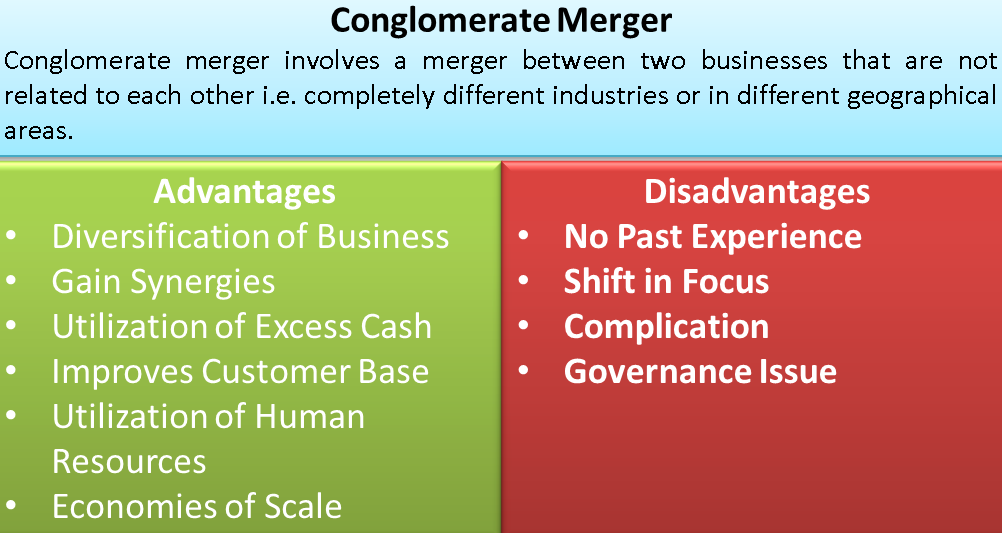
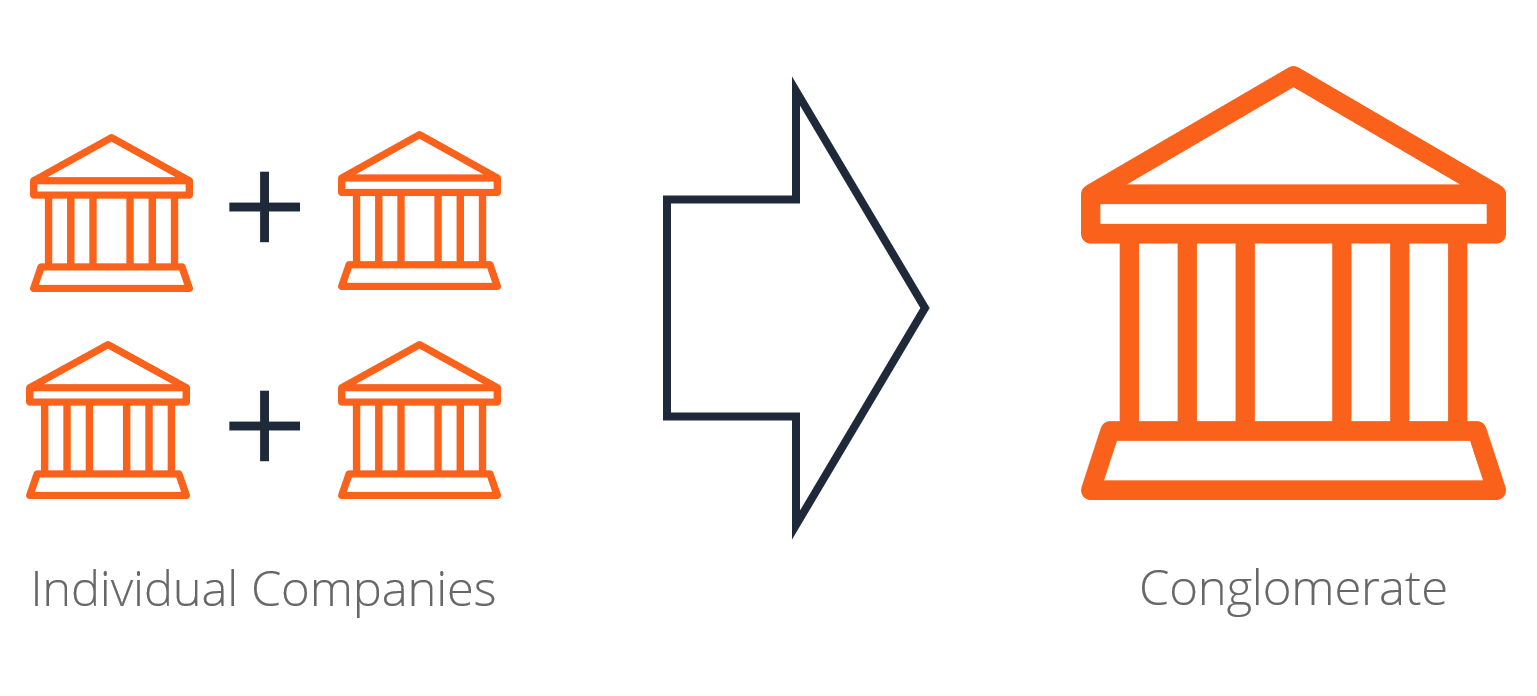
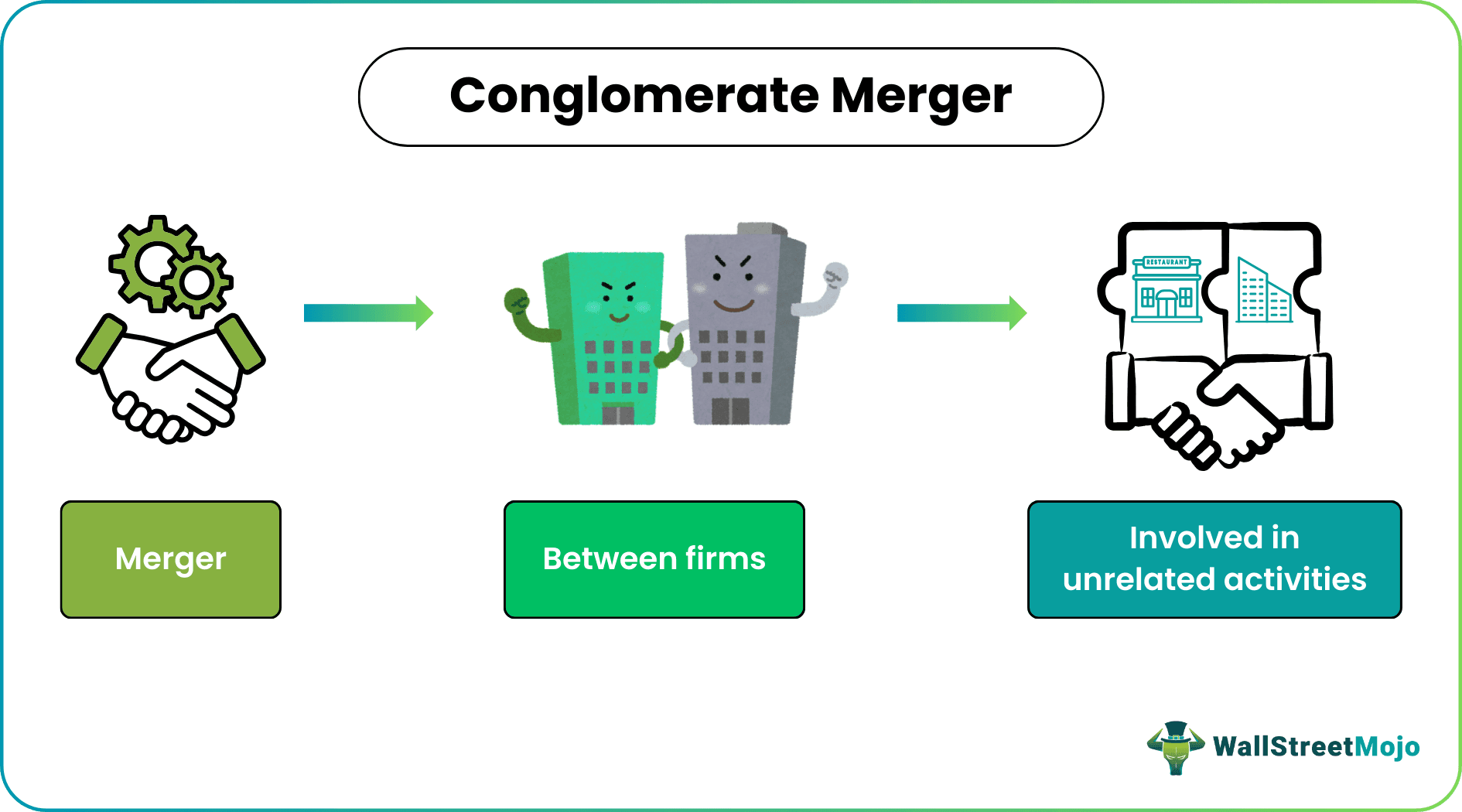
At its core, a conglomerate merger occurs when two or more companies, which have no common business area, products, or services, decide to combine. Imagine a leading software development firm acquiring a chain of luxury hotels, or a renewable energy company purchasing a food packaging manufacturer. These are classic examples of conglomerate mergers. The primary motivation behind such a move is rarely to eliminate competition or integrate supply chains. Instead, it’s often driven by a desire for financial diversification, risk mitigation, access to new capital streams, or the strategic redeployment of resources to unlock untapped value.
The journey into understanding conglomerate mergers requires us to delve beyond simple definitions. We must explore the intricate ‘whys’ and ‘hows’ that drive such decisions, the profound impact they have on brand identity and corporate culture, the pivotal role technology plays in their success, and the financial implications for investors and the wider market. In an era where technological innovation, global branding, and shrewd financial strategies dictate market leadership, examining conglomerate mergers offers invaluable insights into the multifaceted world of modern business strategy.
Understanding the Mechanics: The ‘Why’ Behind Conglomerate Mergers
The decision to embark on a conglomerate merger is typically rooted in a strategic vision that looks beyond immediate industry boundaries. For executives and boards, it represents a calculated effort to build a more robust, resilient, and potentially more profitable enterprise. The motivations are diverse, but they predominantly coalesce around financial stability, growth acceleration, and a quest for competitive advantage in a world increasingly characterized by rapid change.
Diversification and Risk Mitigation: A Financial Shield
One of the most compelling reasons for a conglomerate merger is to achieve diversification. By uniting companies from disparate industries, the combined entity can significantly reduce its overall business risk. If one industry experiences a downturn—due to economic recession, technological disruption, or shifting consumer preferences—the revenues and profits from the other, unrelated businesses can help stabilize the conglomerate’s financial performance. This acts as a financial shield, preventing a single sector’s struggles from devastating the entire enterprise. For example, a company heavily invested in the cyclical construction industry might acquire a stable consumer goods business to balance out its revenue streams. This strategy appeals directly to investors, as it can lead to more predictable earnings and potentially a higher valuation due to reduced volatility. From a personal finance perspective for stakeholders, this can mean a more stable investment portfolio within the company’s stock.
Capital Allocation and Financial Synergy: Unlocking Latent Value
Another powerful driver is the efficient allocation of capital and the pursuit of financial synergies. Conglomerates often possess substantial financial resources, which can be strategically deployed across their diverse portfolio. A highly profitable division in one industry might generate surplus cash flow that can be invested into a growth-oriented business in another, allowing for internal financing that avoids the cost and scrutiny of external capital markets. This capability to cross-subsidize can be a massive advantage, particularly for businesses in capital-intensive sectors or those requiring long investment cycles. Furthermore, financial synergies might arise from shared administrative functions, streamlined treasury operations, or improved access to credit due to the larger, more diversified asset base. These efficiencies can lead to reduced operational costs and improved profit margins across the board, demonstrating astute business finance management.
Market Expansion and New Revenue Streams: Beyond Core Competencies
Conglomerate mergers also serve as a direct path to market expansion and the creation of entirely new revenue streams, often bypassing intense competition in a company’s core market. Instead of fighting for market share in an saturated industry, a company can acquire a foothold in an entirely different sector, leveraging existing brand strength, distribution networks, or management expertise. This strategy is particularly attractive to companies that have exhausted growth opportunities in their primary markets or are seeking to capitalize on emerging trends elsewhere. It allows for the exploration of new customer bases, the development of cross-selling opportunities (even if indirect), and the cultivation of a broader economic footprint. For instance, a telecommunications giant might acquire a media content producer not just for the content itself, but for the distribution channels and consumer insights it gains, opening up new avenues for monetization. This extends beyond merely financial benefits, touching upon brand reach and market influence.
Navigating the Complexities: Challenges and Strategic Considerations
While the motivations for conglomerate mergers are compelling, their execution is fraught with significant challenges. Bringing together disparate businesses under one corporate umbrella often creates a complex web of operational, cultural, and branding hurdles that, if not managed meticulously, can undermine the intended benefits and lead to substantial value destruction.
The Branding Labyrinth: Managing Diverse Identities
One of the most significant challenges in a conglomerate merger is managing the diverse brand identities of the acquired companies. Unlike horizontal mergers where brand integration can be relatively straightforward, a conglomerate often involves brands that cater to vastly different customer segments with distinct value propositions. Forcing a unified corporate identity onto these disparate brands can dilute their individual strengths, alienate loyal customers, and confuse the market. The key lies in finding the right balance: maintaining the distinct brand equity of subsidiaries while leveraging the overarching corporate brand for strategic alignment and investor relations. This might involve a “house of brands” strategy, where each acquired entity retains its unique branding, or a more integrated approach for certain synergies. Crafting a cohesive brand strategy that respects individual legacies while projecting a unified corporate vision is paramount for reputation management and long-term success.
Operational Integration and Cultural Clash: Bridging the Divide
Beyond branding, the operational integration of completely unrelated businesses presents a formidable challenge. Different industries often have distinct operational processes, supply chains, IT infrastructures, and regulatory environments. Harmonizing these without disrupting core business functions requires meticulous planning, substantial investment, and a phased approach. Even more critical, and often underestimated, is the challenge of cultural integration. Companies from different sectors can have vastly different corporate cultures, work ethics, communication styles, and reward systems. Merging these distinct cultures can lead to employee disengagement, resistance to change, and a significant drop in productivity. Overcoming cultural clash requires empathetic leadership, clear communication, and a conscious effort to build a new, inclusive corporate culture that respects the strengths of each legacy organization. This is where personal branding for leaders and corporate identity for the combined entity come into play, shaping employee perception and morale.
Regulatory Hurdles and Antitrust Scrutiny: A Watchful Eye
While conglomerate mergers typically face less antitrust scrutiny than horizontal mergers (which reduce direct competition), they are not entirely immune. Regulators still assess potential impacts on market competition, particularly if the combined entity gains excessive market power or the ability to cross-subsidize to disadvantage competitors in specific markets. Additionally, different industries are subject to varying regulatory frameworks, and consolidating them means navigating a complex matrix of compliance requirements. This can involve obtaining approvals from multiple governmental bodies, each with its own jurisdiction and concerns. The legal and administrative costs associated with this regulatory navigation can be substantial, adding another layer of complexity to the merger process and requiring thorough due diligence.
The Technological Edge: Leveraging Tech in Conglomerate M&A
In today’s digital age, technology is not just an enabler; it’s a critical differentiator in the success or failure of any M&A transaction, especially conglomerate mergers. From initial strategic planning and due diligence to post-merger integration and ongoing operational management, cutting-edge tech tools and digital strategies are indispensable.
Due Diligence and Data Analytics: Precision in Valuation
Before any merger can proceed, comprehensive due diligence is essential. In conglomerate mergers, where the businesses are diverse, the amount of data to be analyzed is staggering. Technology, particularly advanced data analytics, AI tools, and sophisticated software, plays a crucial role here. AI-powered platforms can rapidly process vast amounts of financial data, operational metrics, market trends, and customer insights from both companies. These tools can identify potential synergies, uncover hidden risks, forecast future performance, and provide more accurate valuations across different business models. Digital security tools are also paramount during this phase to protect sensitive information shared between parties. By leveraging big data analytics, acquirers can gain a granular understanding of the target’s health, even if it operates in an unfamiliar sector, leading to more informed investment decisions and reducing financial risk.
Streamlining Integration with Software and AI: Seamless Transitions
Post-merger integration is arguably the most challenging phase, especially for conglomerates. Integrating disparate IT systems, enterprise resource planning (ERP) platforms, customer relationship management (CRM) tools, and various other software solutions across unrelated industries can be a logistical nightmare. However, modern technology offers powerful solutions. Cloud-based integration platforms, robotic process automation (RPA), and AI-driven automation tools can significantly streamline these processes. They can automate data migration, standardize workflows, and facilitate communication across newly formed organizational silos. For example, AI can help identify redundant processes or suggest optimal resource allocation based on real-time data from various business units. This accelerates the integration timeline, reduces operational disruptions, and helps the combined entity quickly realize the intended synergies, contributing to overall productivity.
Digital Security in a Diversified Landscape: Protecting the Combined Enterprise
With a conglomerate merger, the digital attack surface of the combined entity expands exponentially. Integrating IT systems from different companies, potentially with varying levels of cybersecurity maturity, creates new vulnerabilities. A robust digital security strategy is not just important; it’s critical. This involves standardizing security protocols, implementing advanced threat detection systems, conducting regular security audits, and fostering a strong cybersecurity culture across all business units. Protecting intellectual property, customer data, and financial information becomes a complex task requiring comprehensive digital security solutions, including AI-driven anomaly detection and multi-factor authentication. Any breach in one subsidiary can have reputational and financial ramifications for the entire conglomerate, underscoring the vital role of proactive and integrated cybersecurity measures.
Real-World Implications: Case Studies and Future Trends
Conglomerate mergers, though often complex and challenging, have shaped the global economic landscape, giving rise to some of the world’s most recognizable corporate giants. Examining real-world examples and understanding emerging trends provides a richer context for their impact on business, finance, and technology.
Iconic Conglomerates and Their Evolution: Enduring Legacies
Throughout history, numerous companies have successfully built powerful conglomerates, demonstrating the long-term viability of this strategy when executed effectively. Companies like Berkshire Hathaway, led by Warren Buffett, stand as a testament to the power of diversified investing through acquisitions across vastly different sectors, from insurance and railroads to consumer goods. Their success lies in a decentralized management approach, allowing acquired companies to retain much of their operational autonomy while benefiting from the parent company’s financial strength and strategic oversight. Similarly, the evolution of many Japanese “zaibatsu” and “keiretsu” into modern conglomerates like Mitsubishi and Hitachi showcases how diversification across heavy industry, finance, electronics, and more can create resilient, multi-generational enterprises. These case studies highlight the interplay of brand reputation, financial strategy, and the patient pursuit of long-term value.
The Rise of Tech-Driven Diversification: A New Era
In the 21st century, technology companies themselves are increasingly engaging in conglomerate-like diversification. Tech giants, flush with capital and seeking new growth avenues, are acquiring companies far outside their traditional software or internet services domains. While some of these might be market-extension (e.g., Google acquiring YouTube), others have stronger conglomerate characteristics. For example, Amazon, renowned for e-commerce and cloud computing (AWS), also owns Whole Foods Market (grocery retail) and has ventures in film production and healthcare. This demonstrates how tech companies are leveraging their financial prowess, data analytics capabilities, and platform infrastructure to disrupt and enter traditional industries. These moves are often driven by a vision to integrate diverse services around a central customer experience, or to apply tech-driven efficiency to historically less digitized sectors, creating new monetization opportunities and expanding their brand ecosystem.
Investing in Conglomerates: A Financial Perspective
From an investing standpoint, conglomerates present a unique proposition. While some investors prefer “pure-play” companies focused on a single industry, others appreciate the stability and diversification offered by conglomerates. For personal finance strategies, investing in a well-managed conglomerate can offer exposure to multiple sectors without the need to buy individual stocks in each. However, valuing conglomerates can be more complex due to their disparate business units. Investors must carefully analyze each segment, assess the synergy benefits, and evaluate the management team’s capital allocation decisions. The “conglomerate discount,” where the sum of a conglomerate’s parts is perceived to be worth more than the whole, is a historical concern, though successful conglomerates often defy this. Understanding the business finance behind these entities requires a holistic view of market trends, sector-specific risks, and the strategic acumen of the parent company’s leadership.
Conglomerate mergers, therefore, are far more than just financial transactions; they are strategic transformations that reshape corporate identities, challenge operational norms, and harness technological prowess to build resilient, diversified business empires. In an ever-evolving global economy, understanding these complex maneuvers offers critical insights into the future of business strategy, investment, and innovation.
aViewFromTheCave is a participant in the Amazon Services LLC Associates Program, an affiliate advertising program designed to provide a means for sites to earn advertising fees by advertising and linking to Amazon.com. Amazon, the Amazon logo, AmazonSupply, and the AmazonSupply logo are trademarks of Amazon.com, Inc. or its affiliates. As an Amazon Associate we earn affiliate commissions from qualifying purchases.