
In the era of rapid digital transformation, the legal and administrative validity of documents has shifted from ink-on-paper wet signatures to sophisticated electronic alternatives. Among these, the “conformed signature” serves as a critical bridge between legacy documentation practices and modern record-keeping. While the term may sound like legal jargon, understanding it is essential for anyone involved in corporate governance, legal filings, or the management of sensitive business contracts.
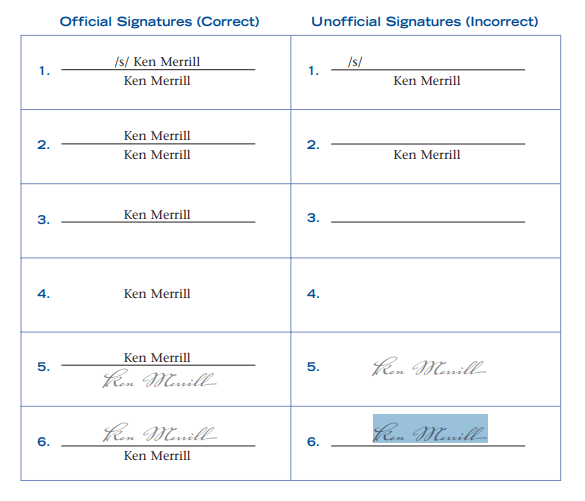
A conformed signature is essentially a copy or a representation of an original signature. It is a way to indicate that a document has been signed by the appropriate party without requiring the physical movement of the original wet-ink document. In practice, this is most commonly seen when a person types their name between forward slashes (e.g., /s/ John Doe) or uses a scanned image of their handwritten signature on an electronic copy of a document.

The Legal Framework and Purpose
The primary purpose of a conformed signature is to provide a reliable, efficient method of demonstrating that a party has authorized a document when the original, signed version is being kept elsewhere. This practice is deeply embedded in legal and administrative workflows, particularly within the judicial system and high-stakes corporate environments.
Historical Context and Evolution
Before the widespread adoption of DocuSign, Adobe Sign, and other robust e-signature platforms, distributing signed documents required physical mailing, courier services, or high-resolution faxing. These methods were slow and prone to errors. To streamline the process, organizations began allowing parties to sign one original document and then circulate copies where the signature was “conformed”—meaning the signer’s name was printed or typed on the document to represent their formal assent.
Validating Authenticity
It is a common misconception that a conformed signature is inherently “less legal” than a wet signature. In many jurisdictions, the legality of a signature is determined by the intent of the signer, not the medium used. Under the Electronic Signatures in Global and National Commerce (ESIGN) Act in the United States and similar legislation globally, a signature—in any logical form—carries the same weight as a pen-and-ink signature, provided all parties consent to using electronic means for their business.
How Conformed Signatures Function in Digital Workflows
In a modern enterprise environment, the workflow for a conformed signature has evolved significantly. While early iterations relied on manual data entry, today’s processes are integrated into secure document management systems (DMS).
The Role of Digital Document Control
When a company manages thousands of contracts, the ability to maintain a central repository of original signatures is vital. A conformed signature allows legal teams to upload “conformed copies” into a database. These copies allow for keyword searching, metadata indexing, and rapid retrieval. Because the “original” is stored in a secure physical or digital vault, the conformed copies circulating among stakeholders allow for efficient operations without risking the integrity of the master document.
Differences Between E-Signatures and Conformed Signatures
While the terms are often used interchangeably, there is a technical distinction. An electronic signature (e-signature) typically involves a secure, cryptographically hashed process that verifies the identity of the signer and provides an audit trail. A conformed signature is generally a representation that acknowledges the original signature exists elsewhere. For example, in court filings, an attorney might use a conformed signature on a public PDF, knowing that the court’s internal system holds the original, authenticated record.
Risks, Compliance, and Security Considerations
As with any process involving authorization, the use of conformed signatures introduces specific risks regarding fraud and unauthorized access. Businesses must implement rigorous digital security protocols to ensure that these signatures are not abused.
Security Measures
To maintain the integrity of conformed signatures, organizations should adhere to the following best practices:
- Access Control: Only authorized personnel should be permitted to create or distribute conformed copies of documents.
- Audit Trails: Even if a signature is “conformed,” the underlying document management system should record who created the conformed copy and when.
- Encryption: Documents containing sensitive signatures must be encrypted both at rest and in transit.
Managing Legal Risk
The greatest risk associated with conformed signatures is the perception of “signing for” another person. To mitigate this, organizations must maintain a clear link between the conformed version and the original. If a party disputes their signature, the organization must be able to produce the original, wet-signed document or a cryptographically verified electronic equivalent. If the original document cannot be produced, the conformed copy may lose its evidentiary value in court.
Best Practices for Professional Documentation
For professionals, lawyers, and corporate officers, managing conformed signatures requires a balance of convenience and meticulous record-keeping. The following guidelines help ensure that your documentation remains both professional and legally defensible.
Standardizing the Format
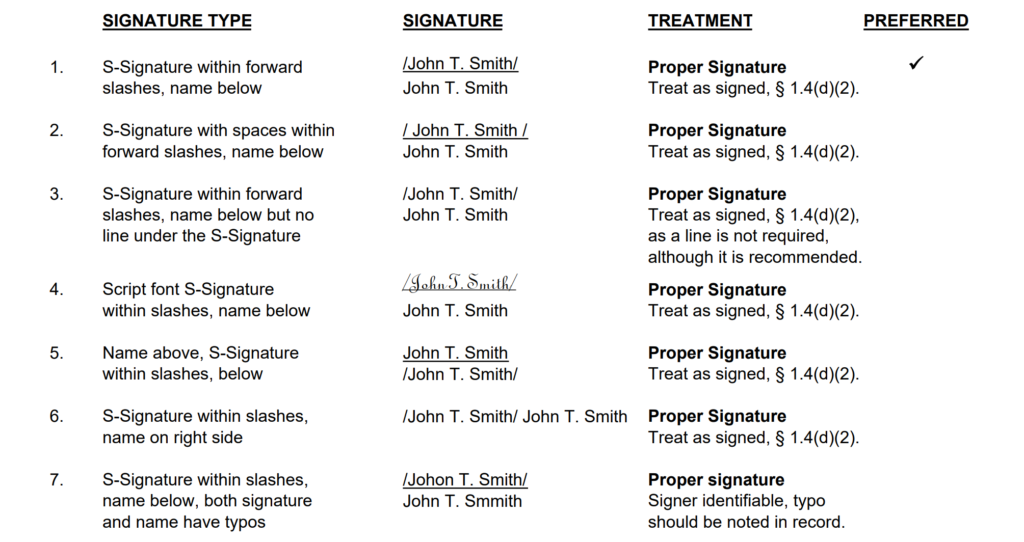
Consistency is key to internal controls. If your organization decides to use conformed signatures, adopt a company-wide standard for how they appear. The most common professional standard is the “/s/ [Typed Name]” format. This format is widely recognized by courts, government agencies, and major law firms as a clear indication of a conformed signature. Avoid using ambiguous representations like just the name in standard font, as this could be mistaken for a mere placeholder.
Maintaining an Audit Log
Whenever a document is conformed, ensure the metadata is updated. Your document management software should capture:
- The date the original was signed.
- The name and identity of the person who created the conformed copy.
- The location of the original document.
By maintaining this log, you provide a clear chain of custody. Should a stakeholder or an auditor question the validity of a signature, you can instantly trace the conformed document back to the original source.
Transitioning to Full E-Signature Platforms
As technology advances, many organizations are phasing out manual conformed signatures in favor of digital signature platforms that provide built-in identity verification (such as multifactor authentication). While conformed signatures served as a necessary bridge, they are increasingly being replaced by automated workflows that handle the “conforming” process automatically. If your organization is still using manual, typed-in “/s/” notations, it may be time to evaluate whether a transition to a more automated system could reduce administrative overhead and improve security.
Conclusion
A conformed signature is a foundational tool in the modern professional landscape, bridging the gap between historical physical document handling and the demands of digital efficiency. By understanding its purpose—to signal authorization while preserving the original record—businesses can streamline their workflows without compromising legal standing.
However, the efficacy of a conformed signature relies entirely on the discipline of the system that houses it. It is not merely about typing a name between slashes; it is about maintaining a transparent, secure, and verifiable chain of documentation. As you navigate the complexities of corporate identity and document management, remember that a signature is only as strong as the intent and the audit trail behind it. Whether you are drafting a contract, filing a legal brief, or managing internal compliance, treating conformed signatures with the same rigor as wet-ink documents will ensure your organization remains compliant, efficient, and protected.
aViewFromTheCave is a participant in the Amazon Services LLC Associates Program, an affiliate advertising program designed to provide a means for sites to earn advertising fees by advertising and linking to Amazon.com. Amazon, the Amazon logo, AmazonSupply, and the AmazonSupply logo are trademarks of Amazon.com, Inc. or its affiliates. As an Amazon Associate we earn affiliate commissions from qualifying purchases.