
In the rapidly evolving world of technology, we often focus on the “visible” innovations: the sleek interfaces of the latest smartphones, the complex algorithms of generative AI, or the high-speed processing power of new server clusters. However, beneath the surface of every data center, smart home, and automated factory lies a critical component that ensures these technologies function safely and reliably: the electrical conduit.
While it may appear to be a simple pipe or tube, an electrical conduit is the foundational infrastructure for modern tech. It serves as the physical “nervous system” housing the power and data lines that fuel our digital existence. For tech professionals, hardware engineers, and IT infrastructure specialists, understanding the nuances of conduit systems is essential for building resilient, scalable, and secure technological environments.
The Evolution of Conduit in the Digital Age
The concept of an electrical conduit has existed since the early days of electrification, but its role has transformed significantly with the rise of sensitive digital hardware. In the past, conduits were primarily designed to prevent fires and protect wires from physical damage. Today, their role encompasses signal integrity, thermal management, and physical cybersecurity.
From Protection to Performance: Why Conduit Matters for High-Tech Gear
In a high-tech setting, the stakes for wiring are incredibly high. A single surge or a compromised cable can lead to catastrophic data loss or hardware failure. Electrical conduits provide a controlled environment for wiring, shielding it from external environmental factors such as moisture, chemical vapors, and physical impact.
In tech-heavy environments like cryptocurrency mining rigs or high-density server rooms, the conduit also acts as a primary line of defense against heat. Modern conduit materials are designed to dissipate heat or, at the very least, provide a structured pathway that allows for proper airflow around the wiring bundles, preventing the “hot spot” phenomenon that plagues poorly managed server racks.
Shielding and Signal Integrity: The Tech Behind the Tube
One of the most critical tech-focused functions of a conduit is Electromagnetic Interference (EMI) shielding. Digital signals—whether they are traveling through Cat6 cables or specialized data lines—are susceptible to noise from nearby power lines or high-frequency equipment.
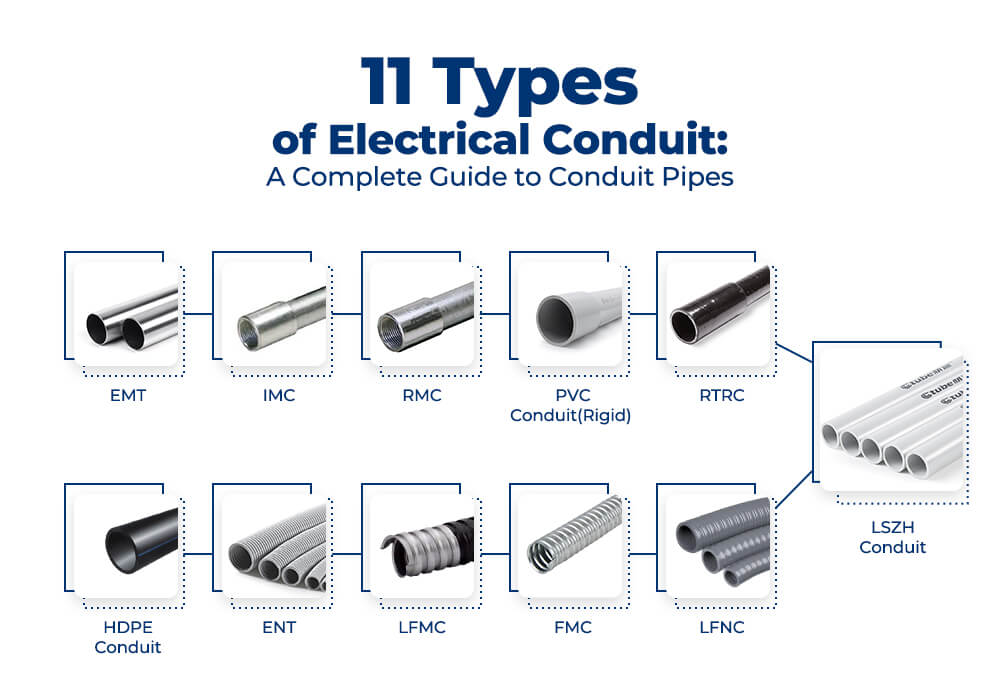
Metallic conduits, such as Rigid Metal Conduit (RMC) or Electrical Metallic Tubing (EMT), act as a Faraday cage. This physical barrier blocks external electromagnetic fields from interfering with the data being transmitted inside. Without this shielding, tech environments would suffer from high packet loss, slow data speeds, and intermittent hardware glitches that are notoriously difficult to diagnose at the software level.
Types of Conduits and Their Tech Applications
Not all conduits are created equal. The choice of material and structure depends entirely on the specific tech application, the environmental conditions, and the sensitivity of the hardware involved.
Rigid Metal Conduit (RMC) for High-Impact Hardware Hubs
RMC is the “heavyweight” of the conduit world. Usually made of galvanized steel or aluminum, it is used in industrial tech settings where hardware is exposed to extreme conditions. Think of automated manufacturing plants where robotic arms and heavy machinery are in constant motion. RMC provides the highest level of physical protection, ensuring that the power lines feeding the AI-driven robotics remain intact even in high-impact environments.
Electrical Metallic Tubing (EMT) in Smart Office Layouts
EMT, often called “thin-wall,” is perhaps the most common conduit used in modern tech-enabled office spaces. It is lightweight, easy to bend, and provides excellent EMI shielding. For IT managers setting up local area networks (LANs), EMT is the preferred choice for running cables through walls and ceilings. Its versatility allows for quick reconfigurations as office layouts change to accommodate new hardware or team expansions.
Liquid-Tight Flexible Metal Conduit (LFMC) for Industrial Robotics
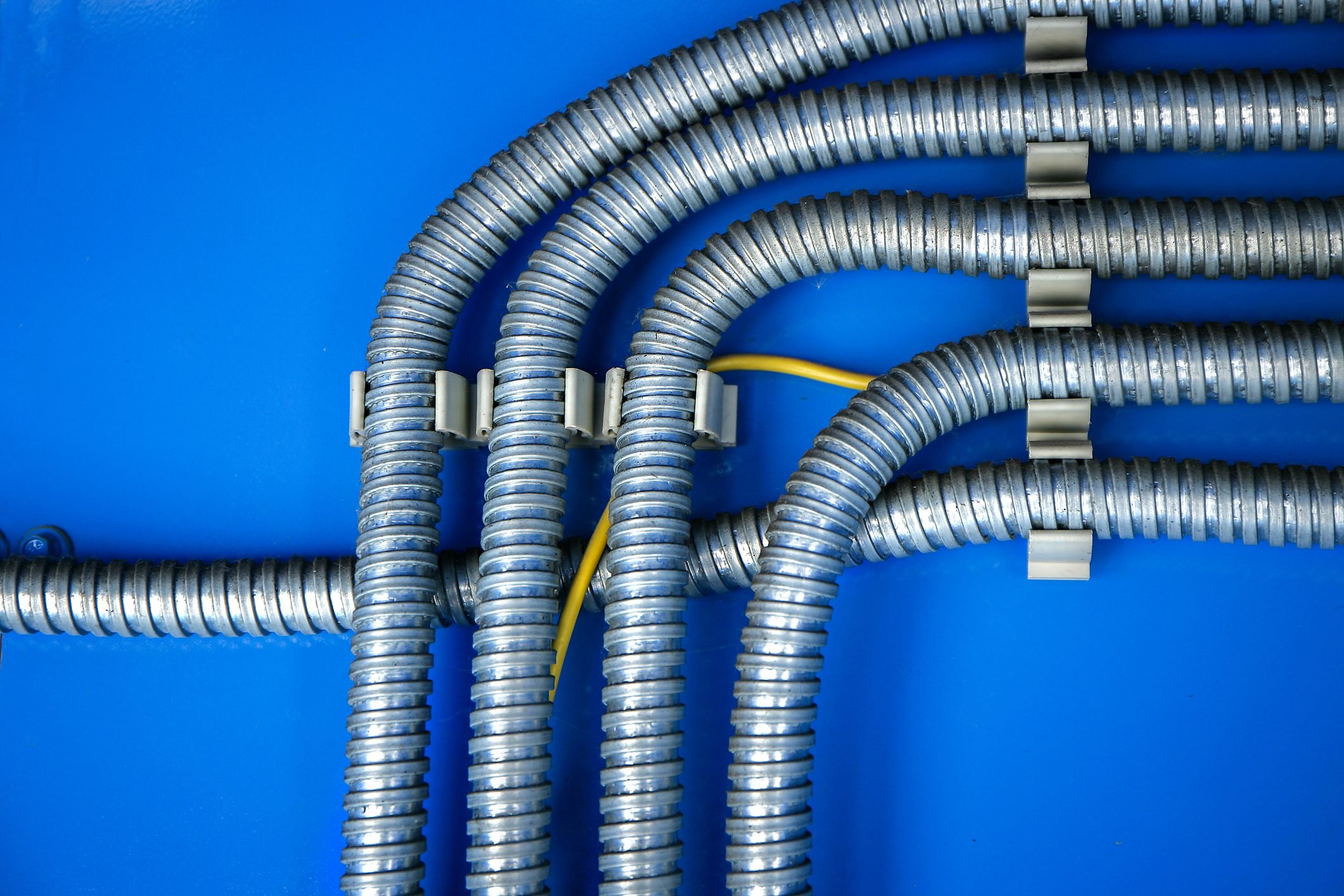
In tech applications involving motion—such as CNC machines or 3D printing arrays—rigid pipes are impractical. LFMC offers the flexibility of a hose with the protection of a metal core, all encased in a waterproof jacket. This is essential for cooling systems in high-end workstations or for wiring sensors on moving parts that are exposed to lubricants or cooling fluids.
PVC and Non-Metallic Conduit for Underground Data Links
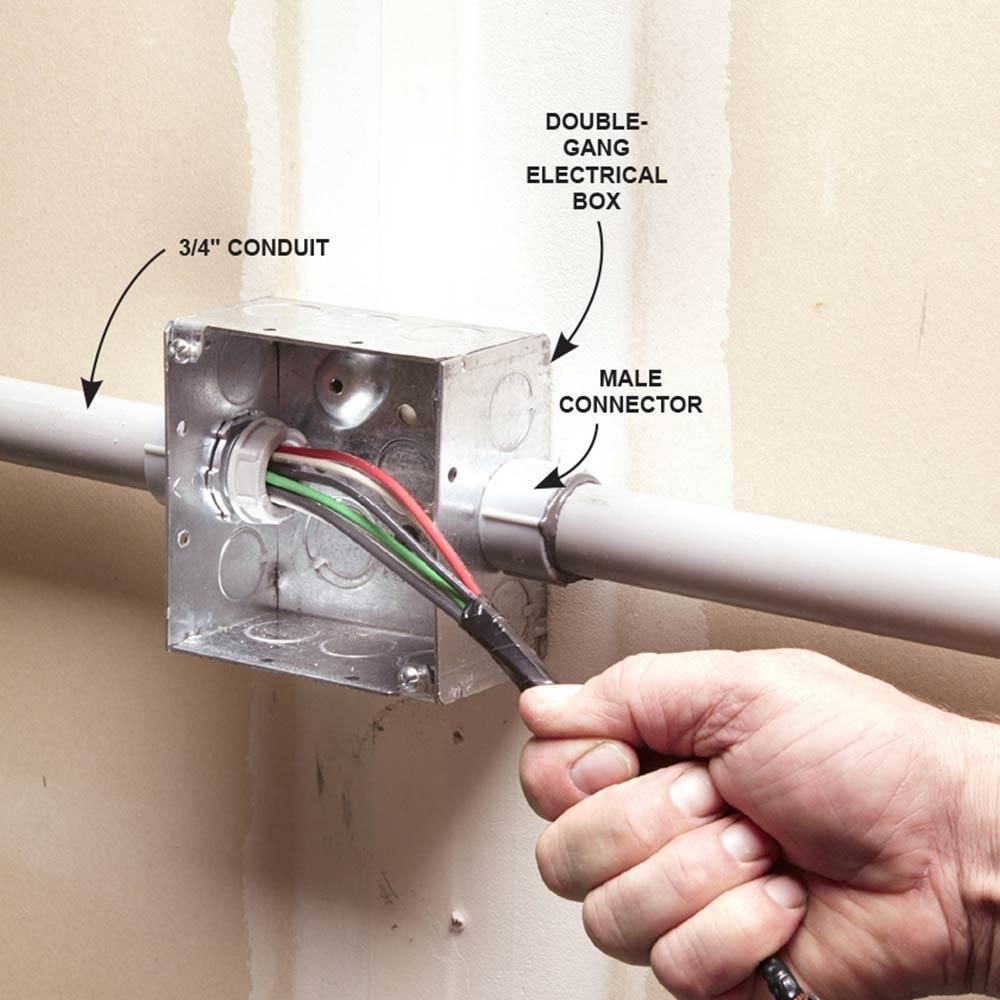
When connecting two buildings in a corporate campus or running fiber optic lines to a remote sensor array, PVC (Polyvinyl Chloride) is the standard. It is non-corrosive and non-conductive, making it ideal for underground installations. For tech infrastructure, Schedule 40 or 80 PVC provides a cost-effective, durable pathway for high-bandwidth cables that need to stay dry and protected from soil acidity.
Integrating Conduit with Smart Home and IoT Ecosystems
The rise of the Internet of Things (IoT) has brought the necessity of conduit into the residential and light-commercial space. As we integrate more tech into our living spaces, the “pathway” for that tech becomes a valuable asset.
Future-Proofing with Smurf Tube (ENT)
Electrical Non-metallic Tubing (ENT), colloquially known as “Smurf Tube” due to its bright blue color, is a flexible, corrugated plastic tubing used inside walls. For the tech-savvy homeowner or builder, ENT is a game-changer. By installing ENT during the construction phase, you create a “future-proof” highway. When a new generation of HDMI or Ethernet cables arrives, you don’t need to tear down the drywall; you simply pull the new tech through the existing conduit. This “pull-through” capability is the cornerstone of sustainable smart home design.
Data and Power Convergence: Segregation in Modern Tech Wiring
A common challenge in tech installations is the proximity of power cables to data cables. If run too closely for long distances, the power lines can induce noise in the data lines (crosstalk). Professional tech infrastructure utilizes separate conduit runs—one for high-voltage power and one for low-voltage data. This physical segregation, enforced by conduit systems, ensures that the smart home hub or the office server maintains a clean, high-speed connection without interference from the building’s power grid.
Installation Best Practices for Tech-Focused Infrastructure
Setting up a conduit system for a tech environment requires more than just connecting pipes; it requires strategic planning to ensure hardware longevity and system reliability.
Calculating Fill Capacity for Server Racks
One of the most frequent mistakes in tech infrastructure is “overstuffing” a conduit. Every conduit has a maximum “fill rate” (usually 40% of its internal volume) regulated by electrical codes. In the context of tech, this isn’t just about safety; it’s about heat. Cables generating even a small amount of heat can, when packed too tightly, reach temperatures that degrade the insulation and slow down data transmission. Tech professionals must calculate the cross-sectional area of their data and power cables to ensure the conduit allows for adequate “breathing room.”
Grounding and Bonding for Digital Security
For metallic conduits, grounding is a critical digital security and safety feature. A properly grounded conduit system directs stray electrical currents safely to the earth. In a tech environment, this prevents “ground loops” that can destroy sensitive motherboards or introduce hum into audio-visual equipment. Furthermore, grounding the conduit ensures that the EMI shielding properties are fully functional, protecting the integrity of the data packets traveling within.
The Future of Electrical Pathways: Fiber and Beyond
As we move toward even higher data speeds and more complex AI-driven infrastructure, the humble conduit is evolving.
Optical Fiber Micro-Conduits
Traditional conduits are often too large for the tiny, fragile strands of fiber optics used in ultra-high-speed internet. This has led to the development of micro-conduits—small, high-density polyethylene tubes that can be bundled together. These allow for “blown fiber” technology, where compressed air is used to “float” fiber optic strands through the conduit over long distances. This is the cutting edge of tech infrastructure, allowing for rapid deployment of 5G and 6G backhaul networks.
Sustainable Infrastructure in Green Tech
As the tech industry moves toward “Green Tech” and carbon neutrality, the materials used in conduits are being scrutinized. We are seeing a shift toward recycled metals and bio-based plastics in conduit manufacturing. Furthermore, the longevity provided by a well-designed conduit system reduces electronic waste; by allowing hardware to be upgraded without replacing the entire infrastructure, we extend the lifecycle of the building’s technological systems.
In conclusion, the electrical conduit is far more than a simple housing for wires; it is a sophisticated component of the modern technological stack. From providing the EMI shielding necessary for high-speed data to offering the flexibility needed for future hardware iterations, conduit systems are the unsung heroes of the digital age. Whether you are designing a massive data center or a state-of-the-art smart home, the “pipe” you choose will ultimately determine the reliability, security, and scalability of the tech it supports.
aViewFromTheCave is a participant in the Amazon Services LLC Associates Program, an affiliate advertising program designed to provide a means for sites to earn advertising fees by advertising and linking to Amazon.com. Amazon, the Amazon logo, AmazonSupply, and the AmazonSupply logo are trademarks of Amazon.com, Inc. or its affiliates. As an Amazon Associate we earn affiliate commissions from qualifying purchases.